
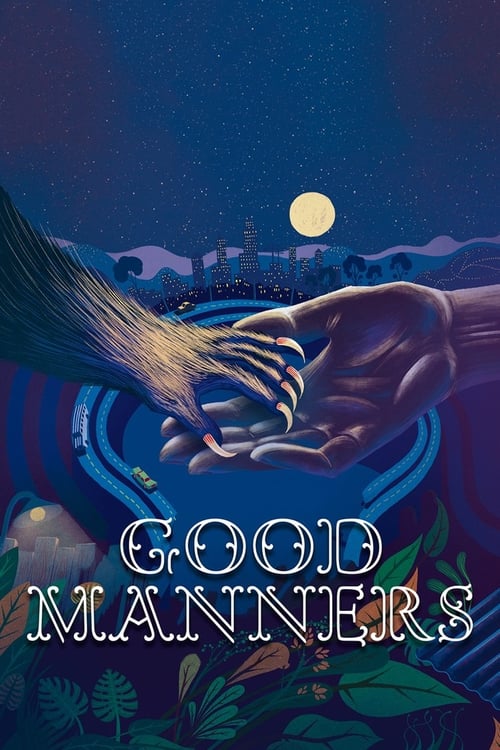
Good Manners (2017)
Directed by Marco Dutra
Clara, a lonely nurse from the outskirts of São Paulo, is hired by mysterious and wealthy Ana as the nanny for her unborn child. The two women develop a strong bond, but soon Clara discovers a terrifying secret about the child.
4 connections found
View:
4 films that influenced Good Manners
What critics say influenced Good Manners
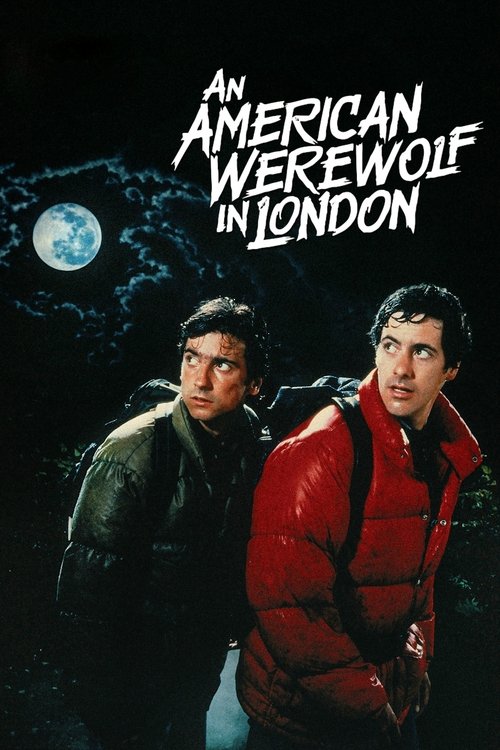


Granted, Dutra and Rojas take their sweet time checking off the same story beats that landmarks like The Wolfman (1941) and An American Werewolf in London (1981) dashed through with predatory urgency.
Horrors aficionados will identify bows to Polanski’s Rosemary’s Baby and marvel at a grotesque, An American Werewolf in London-worthy childbirth scene, though Rojas and Dutra’s penchant for the classics becomes evident as much through tropes and imagery as it does through Rui Poças’s cinematography and Fernando Zuccolotto’s production design.
They incorporate nods to classics such as John Landis' An American Werewolf in London in a manner that will delight horror geeks, although the climactic update on the torch-wielding mob of vengeful peasants is perhaps one hoary trope too far.
Before you can say An American Werewolf in London, Ana is sleeping-walking.
In a final transformation, which recalls the Piccadilly Circus showdown of An American Werewolf in London (1981), the closest Joel is allowed to come to the origins of his patrilineage is an establishment which houses a conglomeration of material objects indicating privilege and prestige.
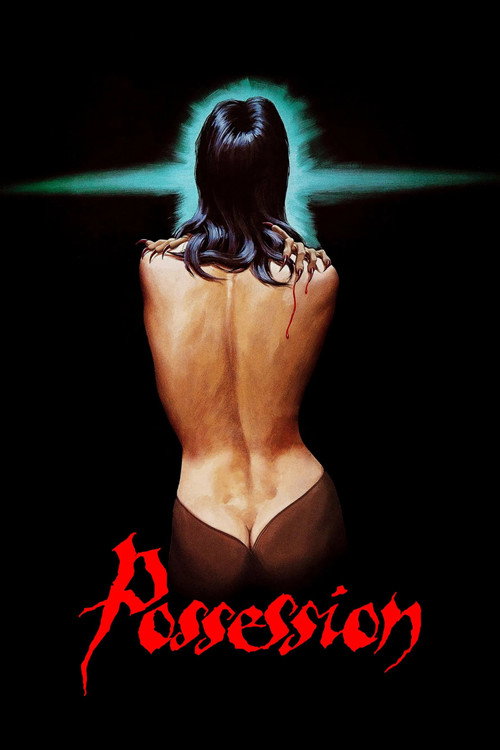
Later, Clara will follow Ana during a somnambulistic episode, where the women wander into a chilly, off-white subway, where a poor kitty cat meets a gruesome end in a sequence which seems to be channeling Zulawski’s Possession (1981).
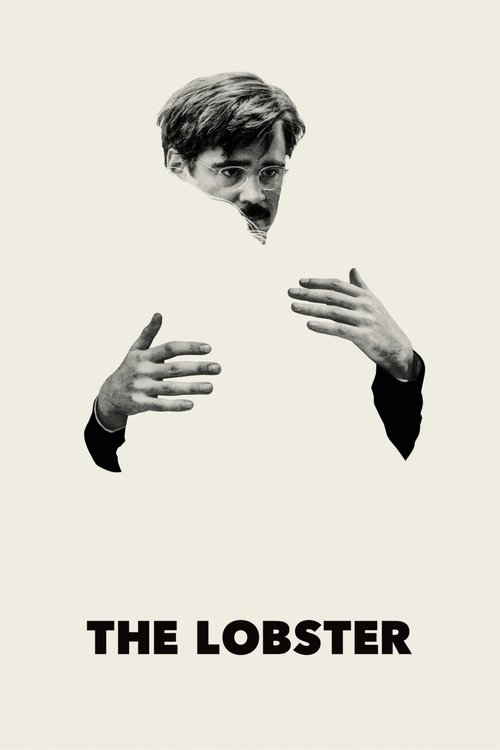
Dutra and Rojas present this bizarre scenario with an air of crisp, ghoulish absurdity that’s reminiscent of Yorgos Lanthimos ( The Lobster [2015]; The Killing of a Sacred Deer [2017]), albeit warmer and queerer.
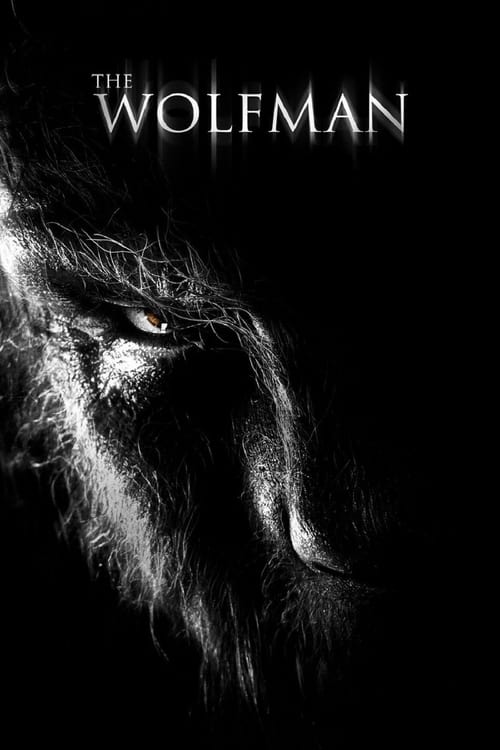
Granted, Dutra and Rojas take their sweet time checking off the same story beats that landmarks like The Wolfman (1941) and An American Werewolf in London (1981) dashed through with predatory urgency.