
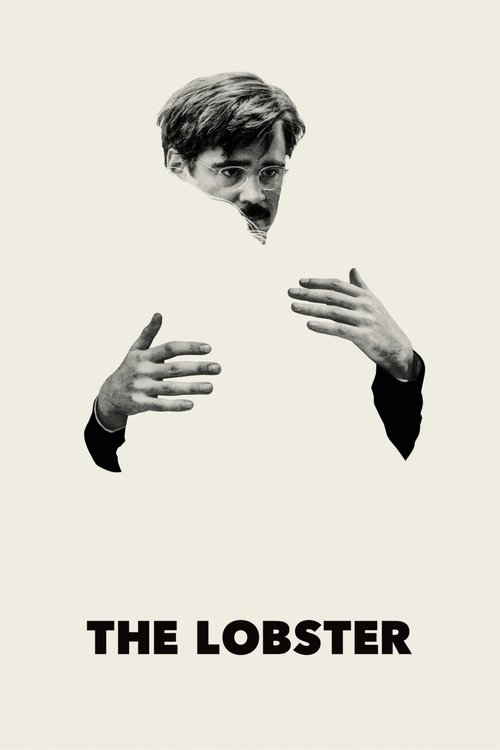
The Lobster (2015)
Directed by Yorgos Lanthimos
In a dystopian near future, single people, according to the laws of The City, are taken to The Hotel, where they are obliged to find a romantic partner in forty-five days or are transformed into animals and sent off into The Woods.
33 connections found
View:
33 films that influenced The Lobster
What critics say influenced The Lobster
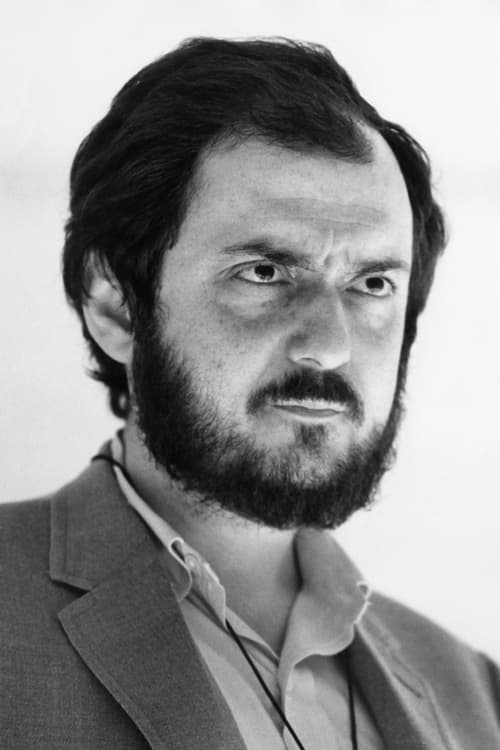
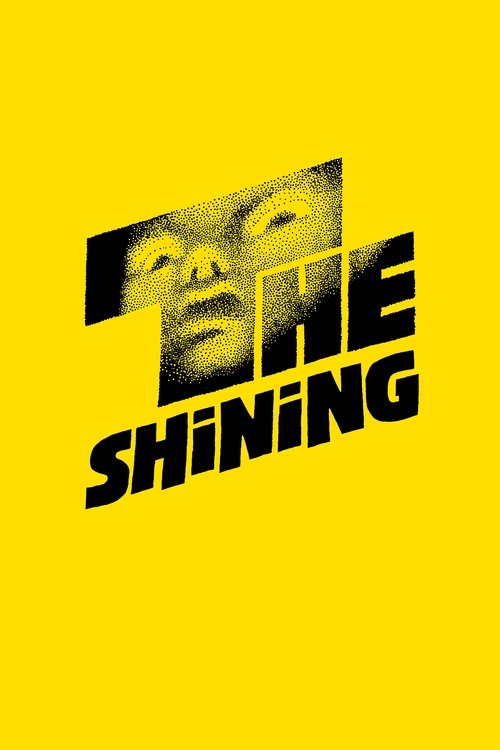


Lanthimos reminds me of Stanley Kubrick, both in the austere formality of his shots (the hotel is reminiscent of the one in "The Shining") and in the way he looks unsparingly at the flaws and foibles of human beings.
Lanthimos and his DP, Thimios Bakatakis (with whom he collaborated on Dogtooth and its predecessor Kinetta), render the hotel in a manner reminiscent of The Shining.
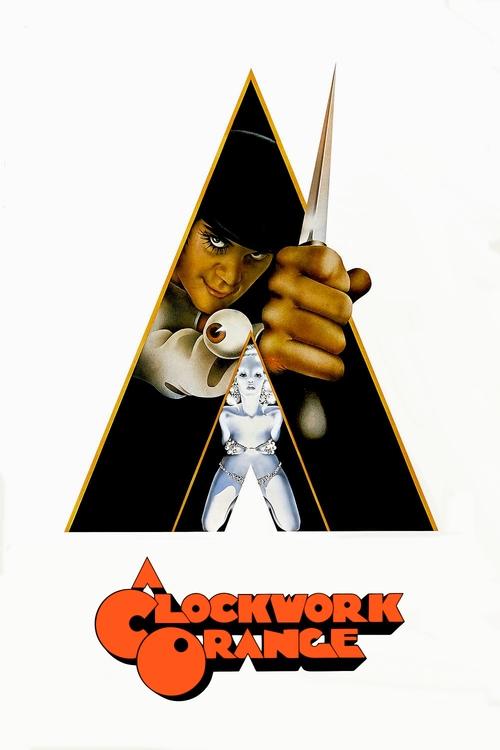
"The Lobster" is reminiscent of other dystopian novels and films such as "1984" and "A Clockwork Orange."
This sneaky narrative flip-flop draws comparisons to another work of shrewd satire, Stanley Kubrick’s A Clockwork Orange, which also poked fun at both sides of an ideological divide, seriously debating which camp was more toxic.
Here we have a clinically efficient nightmare society a la Stanley Kubrick's "A Clockwork Orange" given a romantic twist.
“The Lobster” is being marketed as a comedy, and it is frequently funny, but only in the way “A Clockwork Orange” is frequently funny.

Lanthimos presenta un estilo sobrio –que a veces recuerda a trabajos como Barry Lyndon (1975)–, donde vemos lo que tenemos que ver, trabajado y, cabe aclarar, sin caer en la corriente de los minimalistas: aquí sí pasan cosas.

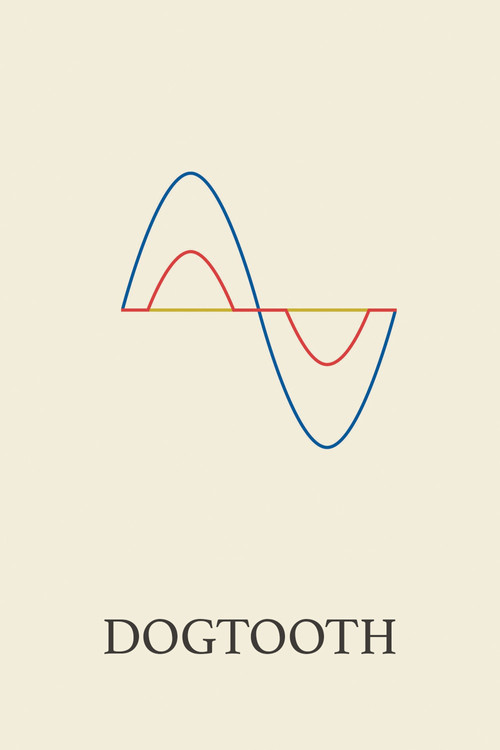
If you've seen "Dogtooth," the breakout work of "Lobster" director Yorgos Lanthimos, you'll have a frame of reference.
The Greek director earned a nod from the Academy in 2011 for Dogtooth , his incest-tinged story of helicopter parenting, which was a small miracle considering it may have been the least commercially appealing film to ever be recognized with a nomination.
With its self-contained world run by absurd, but rigidly observed laws, the first half of the film is strongly reminiscent of Lanthimos’ Dogtooth, with its isolated family, and Alps with its Situationist acting troupe, but on a bigger, broader scale.
His international breakout, Dogtooth (which earned an Oscar nomination for Best Foreign Language Film), and his follow-up, Alps, both operate in the same calmly intense, beautifully composed mode, like Wes Anderson films with all the quirk and pastel color burned off.
“The Lobster” is the first English-language film from the Greek director Yorgos Lanthimos, whose best-known work is “Dogtooth,” which as far as I know is the only absurdist film to reference “Jaws,” “Rocky IV” and the “Maniac” dance sequence from “Flashdance.”
The step-by-step reveal of a proscribed “world” will be familiar to viewers of Lanthimos’s previous films written with Filippou, recalling as it does the slow feeling out of the walls around the family compound in Dogtooth (2009), or the immersion into the rites of the grief cult in Alps (2011), though the scale here is more ambitious here than in previous works, with each new wrinkle in the narrative complicating the previously established dichotomy, and introducing new comic possibilities.
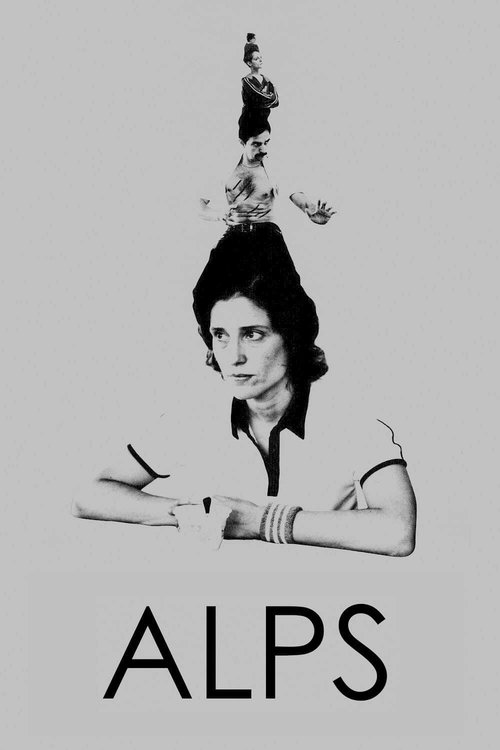
His international breakout, Dogtooth (which earned an Oscar nomination for Best Foreign Language Film), and his follow-up, Alps, both operate in the same calmly intense, beautifully composed mode, like Wes Anderson films with all the quirk and pastel color burned off.
The step-by-step reveal of a proscribed “world” will be familiar to viewers of Lanthimos’s previous films written with Filippou, recalling as it does the slow feeling out of the walls around the family compound in Dogtooth (2009), or the immersion into the rites of the grief cult in Alps (2011), though the scale here is more ambitious here than in previous works, with each new wrinkle in the narrative complicating the previously established dichotomy, and introducing new comic possibilities.
In Kinetta, his solo debut feature, it was three people involved with a seaside hotel in the off-season (naturally there are parallels with The Lobster in location), in Dogtooth it was a terrifying take on a nuclear family, and in Alps it was a troupe of pseudo-performers unveiling the absurd human response to grief.
After Dogtooth and Alps , Greek director Yorgos Lanthimos and his regular screenwriter, Efithimis Filippou continue to mine an absurdist seam of black comedy-drama in their first English-language outing.
As director Yorgos Lanthimos’s previous efforts Dogtooth and Alps are studies in emotional conflict and dictatorial control, so too is The Lobster .
Yorgos Lanthimos is the director who reinvigorated Greek cinema with his dark, absurdist films Dogtooth and Alps .
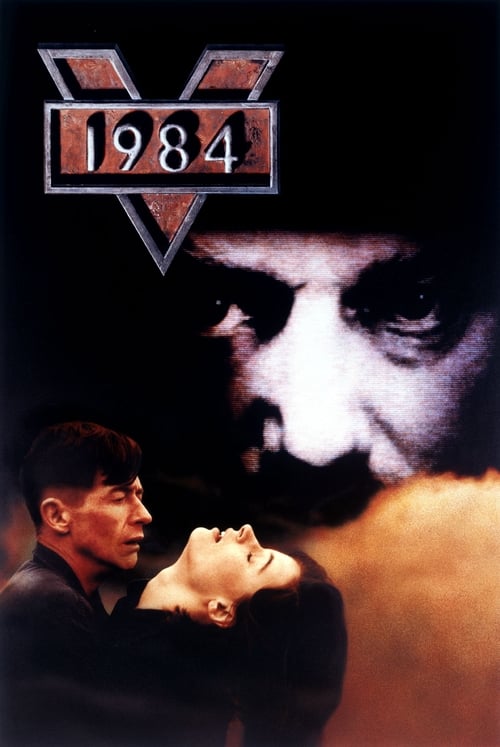
"The Lobster" is reminiscent of other dystopian novels and films such as "1984" and "A Clockwork Orange."
It’s all too droll and tinged with loveless sadism to go down easily, a “1984” for a loveless, disconnected but Facebook “connected” age.It hurts.
Recommended If You Like: 1984, Eternal Sunshine of the Spotless Mind, and Under the Skin.
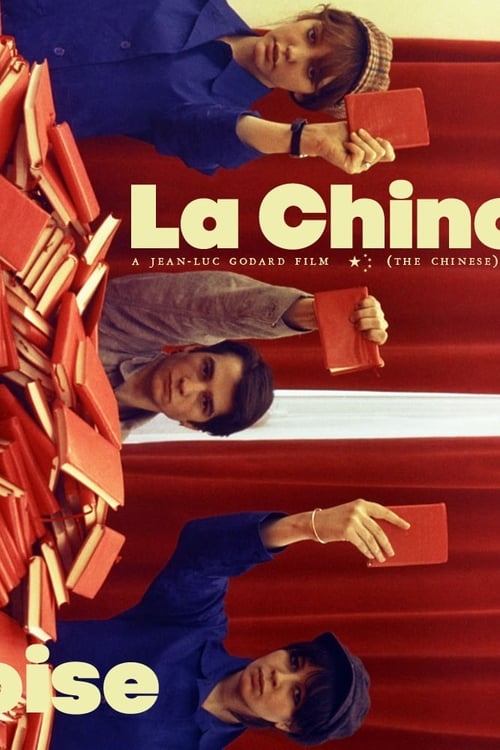
Seydoux gives a charismatic and terrifying performance, reminiscent of the "children of Marx and Coca Cola" in Jean-Luc Godard's early work, most particularly Veronique, the heartless redheaded revolutionary in "La Chinoise."
Advertisement
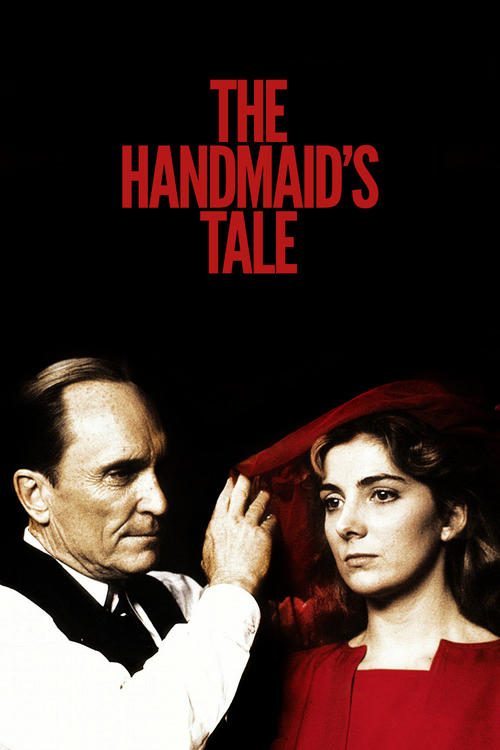
Elements of Hotel life closely recall Margaret Atwood's similarly ruthless allegorical novel The Handmaid's Tale: masturbation is prohibited, with a hideous punishment for disobedience.

They play a guitar duet of the theme from Forbidden Games.
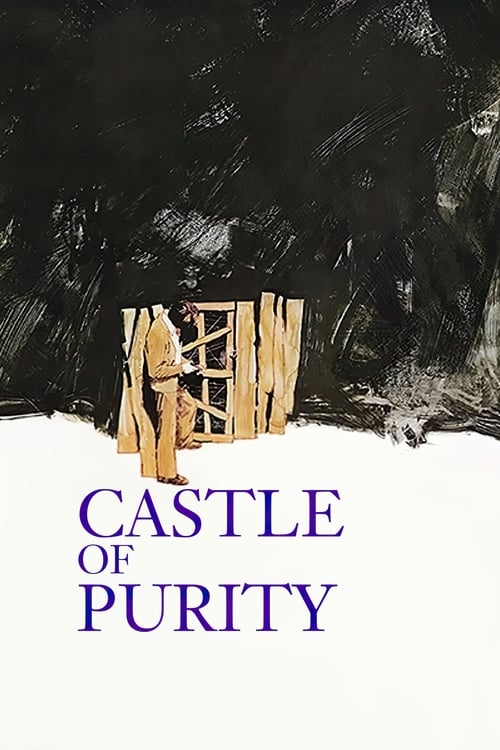
Si bien la carrera del griego Yorgos Lanthimos tiene más de 15 años, no fue sino hasta 2009, con la perturbadora comedia negra Dogtooth (Kynodontas), que narra la historia de tres adolescentes en aislamiento por su posesivo y enfermo padre (y que nos recuerda a El Castillo de la Pureza de Arturo Ripstein), que su obra alcanzó proyección internacional, gracias en gran medida al premio Une Certain Regard en Cannes y una nominación al Oscar como mejor película extranjera.
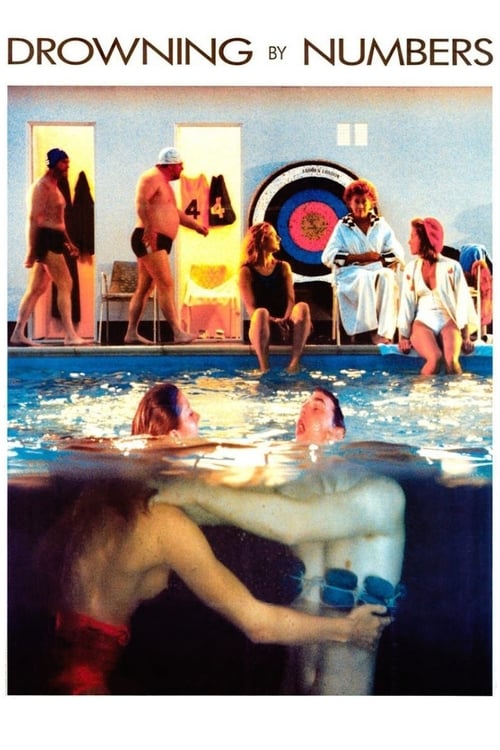
Only Peter Greenaway ("A Zed and Two Noughts," "Drowning by Numbers," "The Cook, the Thief, His Wife, and Her Lover") comes to mind as a director who creates such precisely crafted and emotionally cool works.
Advertisement
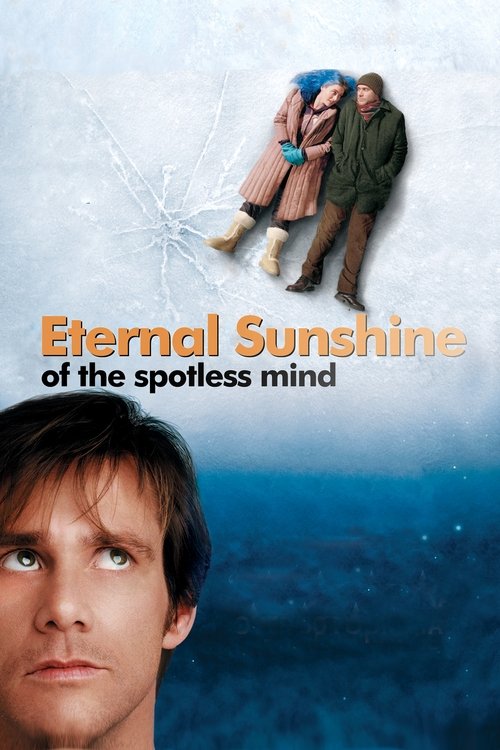
It may be based on universal human anxieties about love, relationships, compatibility and loneliness, but Filippou’s script takes on a defiant, prickly life of its own, refusing to play as an easy allegory: this is no linear emotional journey dressed in dystopian clothes in the style of Eternal Sunshine Of The Spotless Mind .
As a bit of counterprogramming, allow me to recommend Yorgos Lanthimos’ The Lobster , the most original and beautifully strange love story since Eternal Sunshine of the Spotless Mind —and my favorite film of the year so far.
Recommended If You Like: 1984, Eternal Sunshine of the Spotless Mind, and Under the Skin.
But if it was Lanthimos’ goal to create a surreal rom-com on a level with Kaufman’s masterpiece, “Eternal Sunshine of the Spotless Mind,” he falls short.
Giorgos Lanthimos (Atenas, 1973) ganador del premio de Un cierta mirada en el Festival de Cannes por su filme “Canino” (2009), ofrece en su nueva cinta una insólita fábula sobre el amor, situada en una sociedad utópica —y surrealista— cuyo régimen autoritario recuerda en algo a "Brazil" de Terry Gilliam; pero tambien, por su extrañeza, humor y locura, al cine de Spike Jonze (como "Being John Malkovich" o "Her") o Michel Gondry ("Eternal Sunshine of the Spotless Mind"), que tienen en común una gran audacia estética y narrativa.
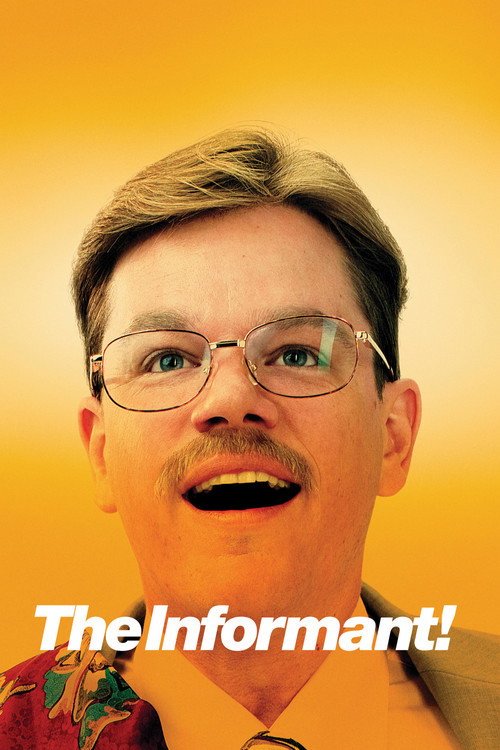
Looking like he borrowed Matt Damon’s mustache and paunch from The Informant! , Ferrell, like the rest of the cast, uses bone-dry delivery to remove any trace of moisture The Lobster might have picked up from shooting in his rainy homeland of Ireland.