
Ken Loach
16 connections found
View:
Connections, in both directions
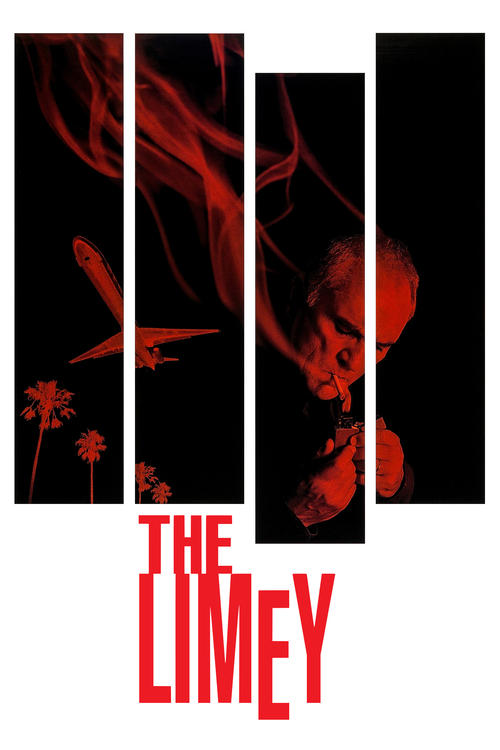


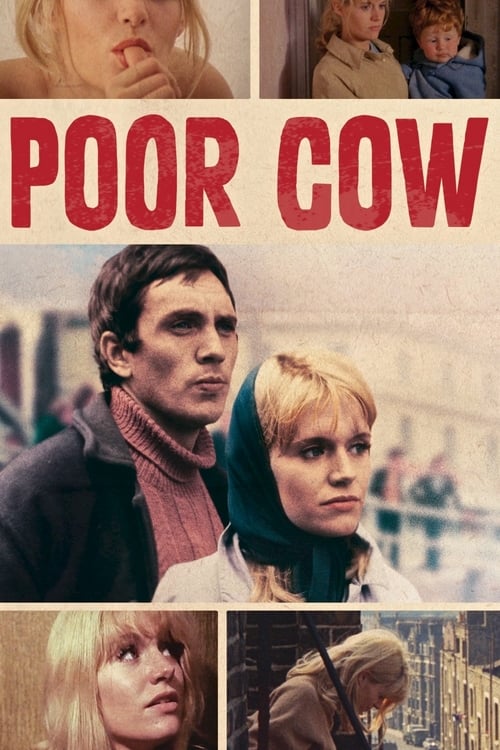
Likewise we see clips of Stamp in the 1967 Poor Cow, which show a younger Wilson as a budding thief.
Another ingenious idea that Soderbergh and Dobbs came up with was to incorporate footage from an old Stamp movie called Poor Cow (1967, directed by Ken Loach) and evolve Stamp into an older version of that character.
A sly film ploy also adds realism to Stamp's character by inserting clips from Poor Cow, a 1967 Ken Loach movie starring Stamp that is used to reflect Wilson's flashbacks to his earlier days.
For parts of the character's history, Soderbergh lifts footage from a 1967 film called "Poor Cow," in which Stamp played a young thief, implying that "The Limey" is in some ways a sequel.
Flashbacks of Wilson in his youth are actually scenes from one of Stamp's movies of the '60s, Poor Cow, and they remind us how devastatingly handsome he was as a younger man.
The character is the older, more contemplative incarnation of the thug Stamp played in Ken Loach's "Poor Cow" from 1967.
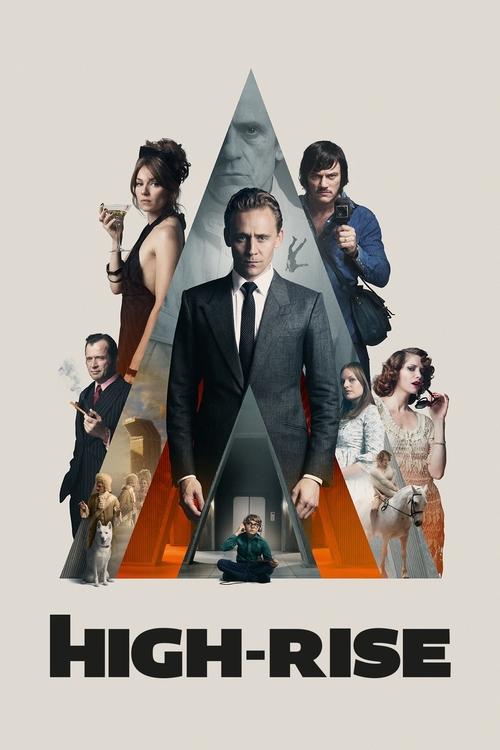
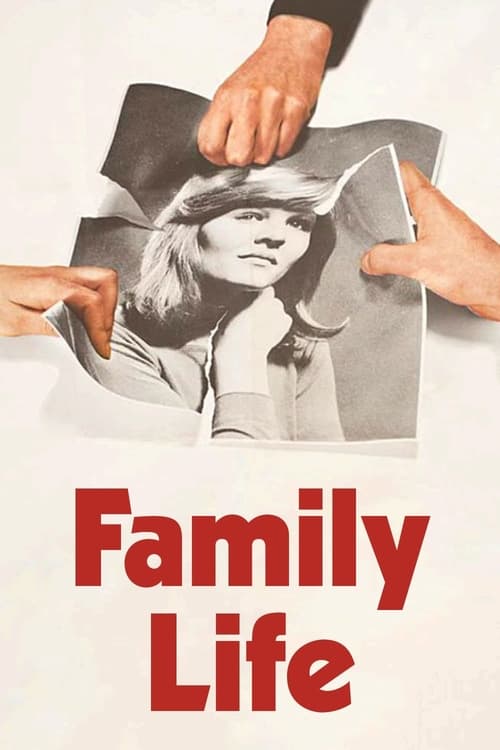
The central character of both book and film is Dr Robert Laing, an obvious reference to RD Laing, the radical psychiatrist whose 1967 book, The Politics of Experience, ruffled quite a few feathers at the time and who, incidentally, inspired Ken Loachs superb film Family Life (1972).

28 Years Later (2025)
Directed by Danny Boyle
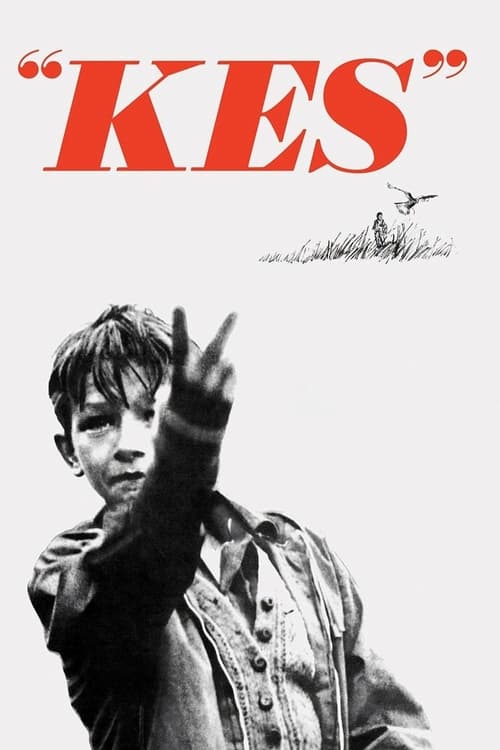
influenced by Kes (1970)
and Ken Loach by name
Visuals Plot Characters
On Loach, rather than any one film
…like he’s been pulled in from a Ken Loach tale…
On the films
Blockbuster horror films tend not to evoke Ken Loach’s Kes…
Young Alfie Williams evokes memories of watching David Bradley in Kes (1969).

It's not just that our hero, Black's quack supply teacher Dewey Finn, is to all purposes a headbanging jackass who can't even spell his claimed name ('Schneebly'); nor that his tutoring style has all the selfless delicacy of Brian Glover's football refereeing in Kes.
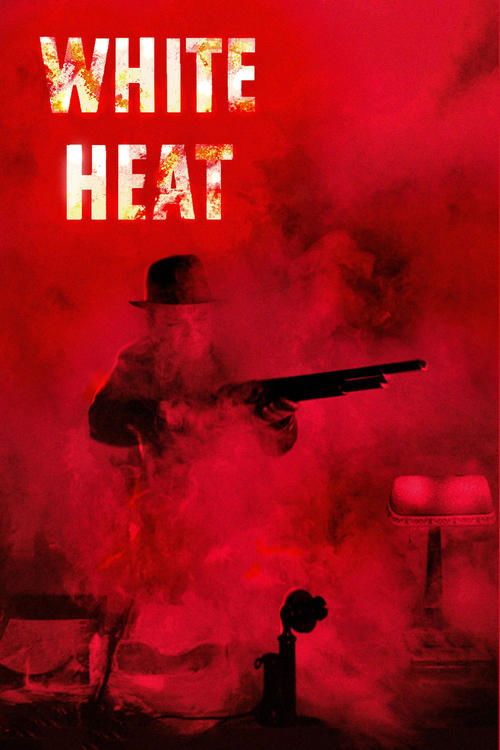
This story of a fifteen year-old who enters a life of crime resembles classics like Hawks' Scarface , Walsh's White Heat , and any of a handful of other James Cagney or Edward G. Robinson gangster films.
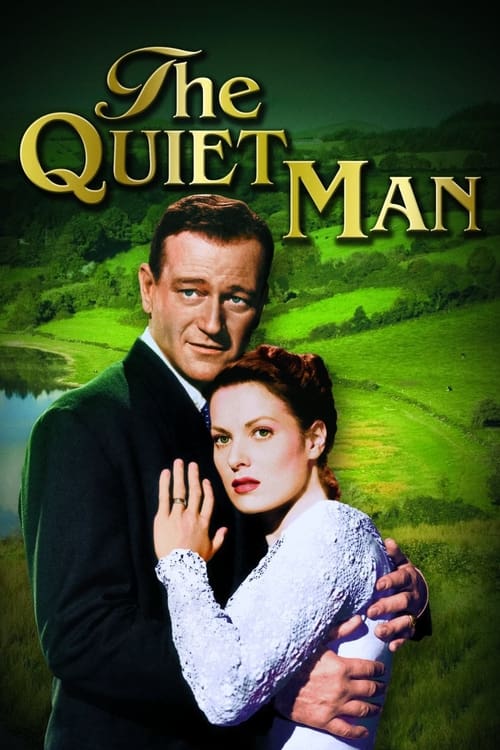
Despite the lyrical title, this is a very long way from John Ford's pipe dream of the Old Sod, “The Quiet Man.”
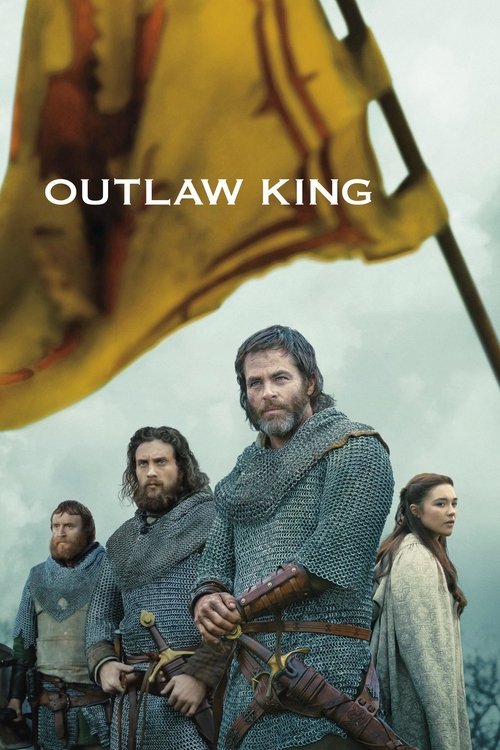
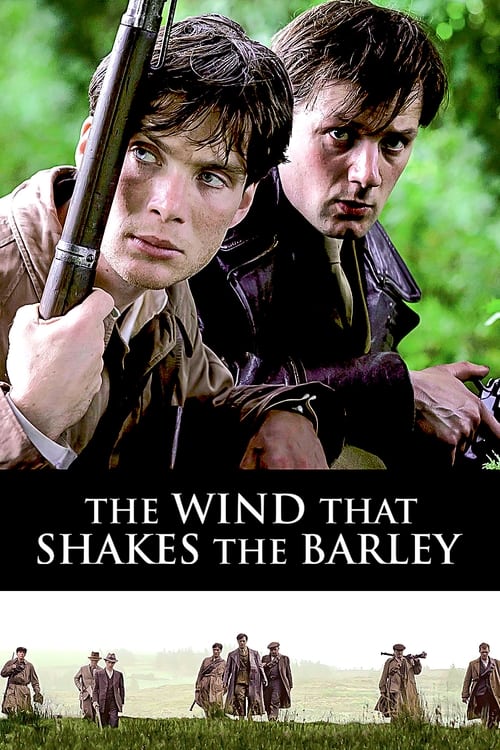
Cinematographer Barry Ackroyd's previous beautiful work includes The Wind That Shakes the Barley, United 93, The Hurt Locker, Captain Phillips, and Detroit.
Working with top cinematographer Barry Ackroyd (“The Hurt Locker” and Ken Loach’s atmospheric “The Wind That Shakes The Barley”), Mackenzie shot entirely in Scotland (according to, the credits insist, the borders of 1320) and as much as possible in remote and beautiful areas.

Influences here range from Ken Loach’s 1969 gem Kes, Carroll Ballard’s 1979 classic The Black Stallion, François Truffaut’s timeless 1959 stunner The 400 Blows, John Boorman’s graceful 1987 drama Hope and Glory and Andrea Arnold’s 2009 marvel Fish Tank.
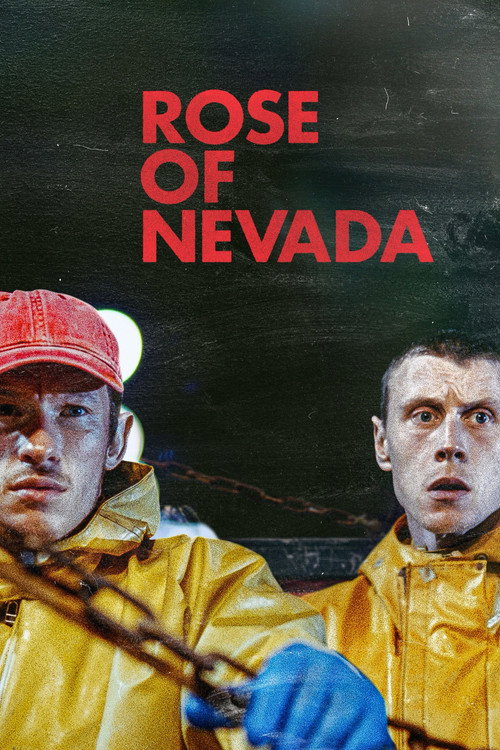
On Loach, rather than any one film
…seeing someone whose work isn’t too far detached from the kitchen sink realism of Ken Loach douse his film in such horror and abstraction…
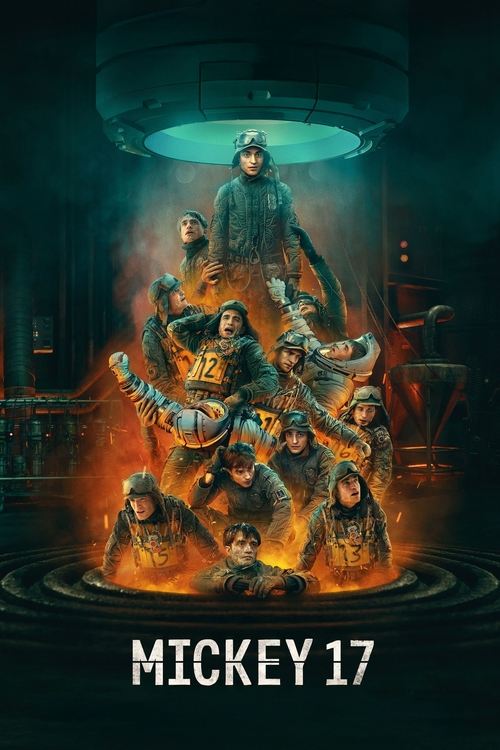
On Loach, rather than any one film
Bong has talked in interviews about his affection for directors like Ken Loach, and it shows here.
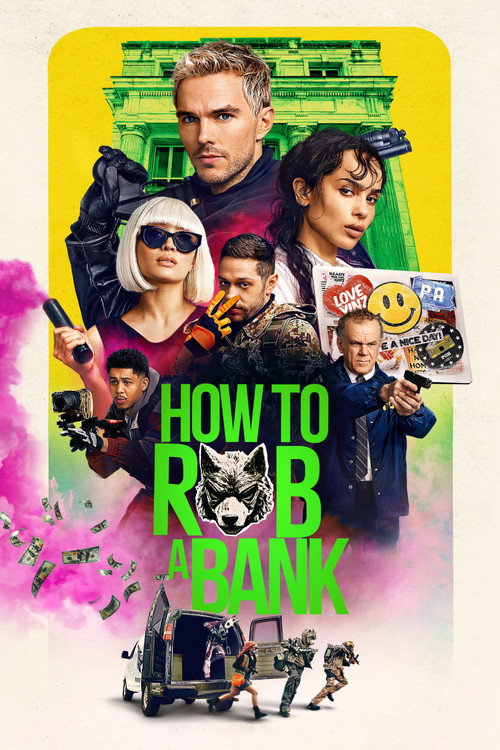
On Loach, rather than any one film
David Leitch, who’s effectively made an action movie that’s having a Ken Loach drive-by…
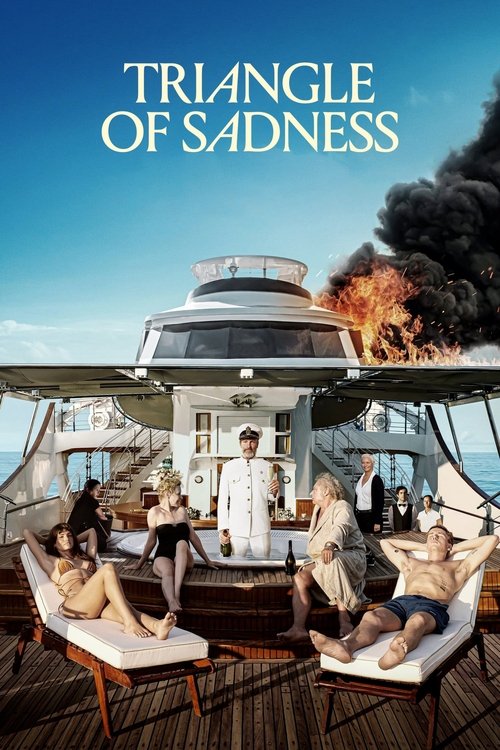
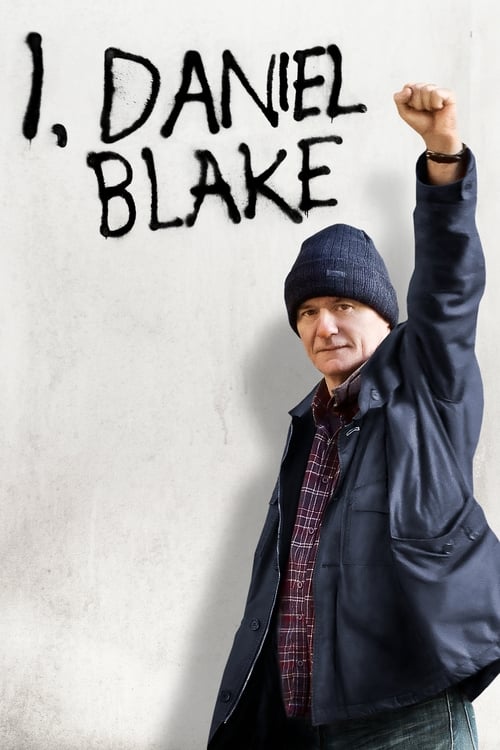
Αν όμως ρίξουμε μια ματιά στους πρόσφατους Χρυσούς Φοίνικες («Εγώ, ο Ντάνιελ Μπλέικ», «Κλέφτες Καταστημάτων», και το συγγενικό «Τετράγωνο»), η θεματική των ανισοτήτων είναι ο κοινός παρονομαστής.
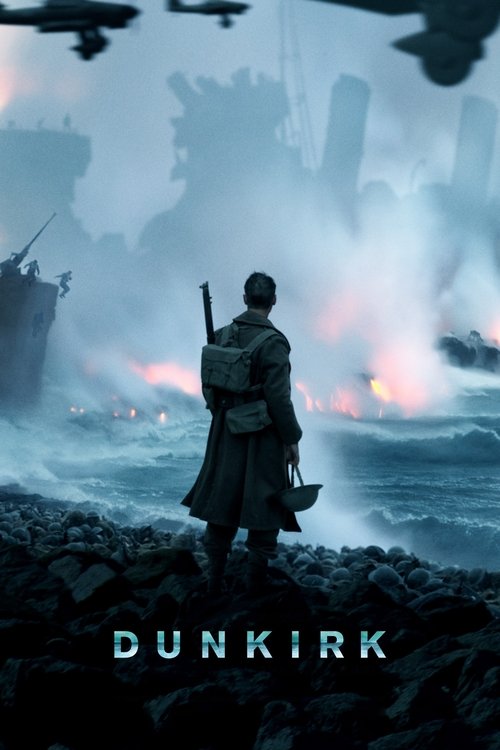
And Stone, who bears some physical resemblance to Barry Keoghan (from Dunkirk and The Killing of a Sacred Deer ) and has a similar, almost feral intensity, is a young talent to watch.
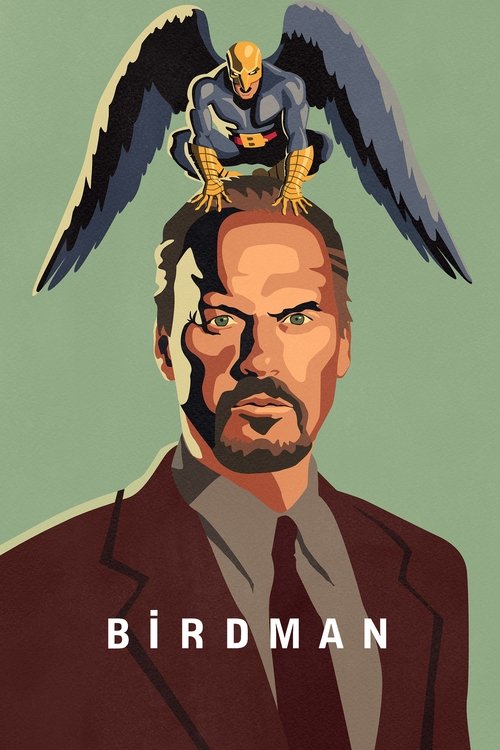
Birdman or (The Unexpected Virtue of Ignorance) (2014)
Directed by Alejandro G. Iñárritu
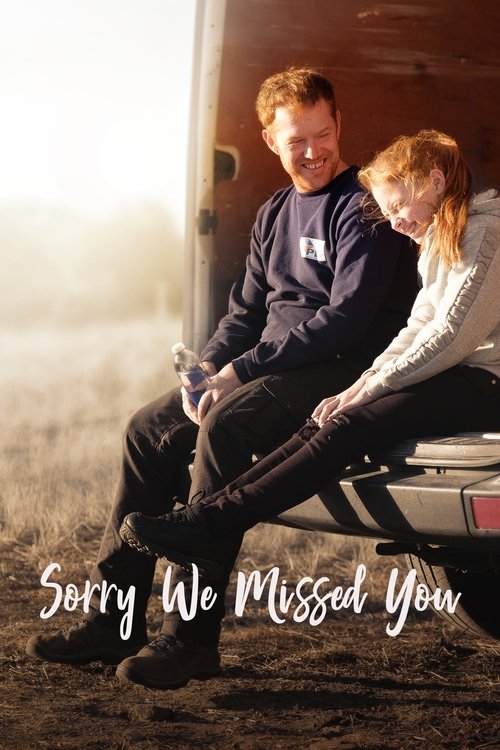
influenced Sorry We Missed You (2019)
Visuals
He vibrates off the screen with Michael Keaton “Birdman” level punch-drunk ambition, epileptic angst, and suicidal despair.
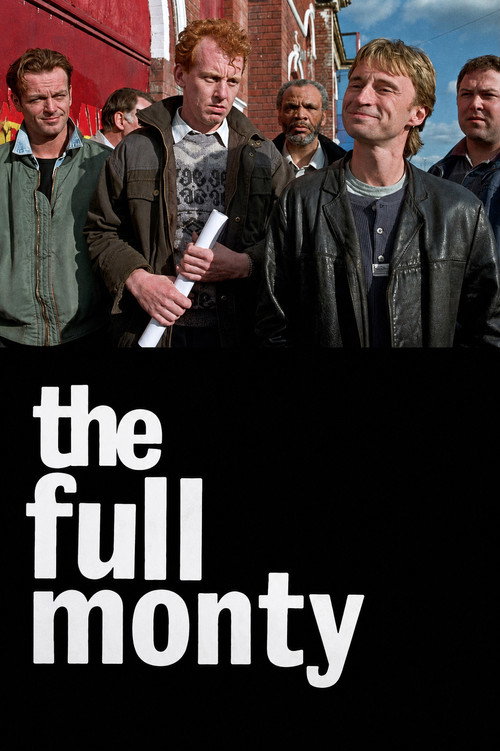
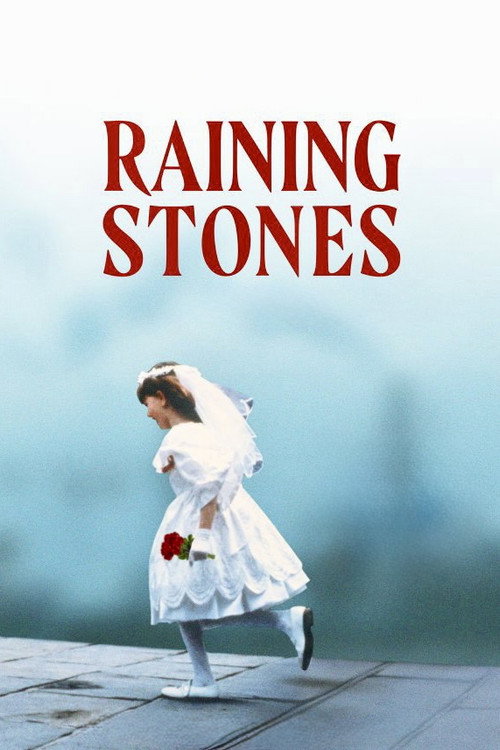
“The Full Monty” belongs in the recent tradition of bittersweet films from Britain that depict working- class life, movies like “ The Snapper ” and “ The Van ,” based on Roddy Doyle books; “ Raining Stones ,” about an unemployed man desperate to buy his daughter's communion dress, and the recent “ Brassed Off ,” which was also about an industry shutting down and leaving its community stranded.
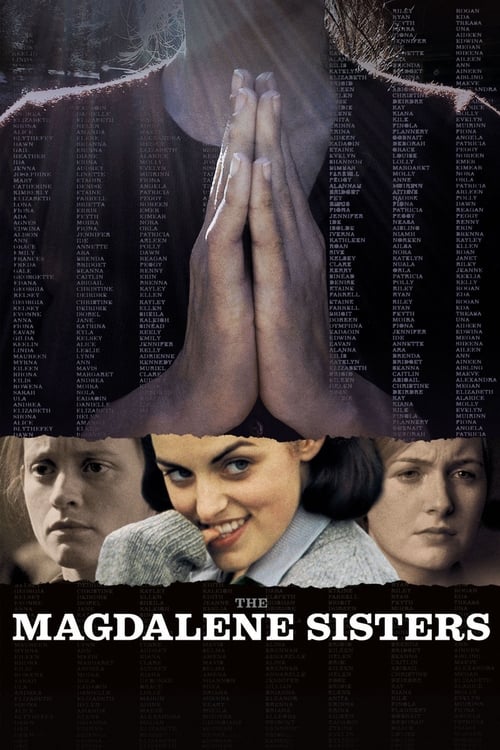
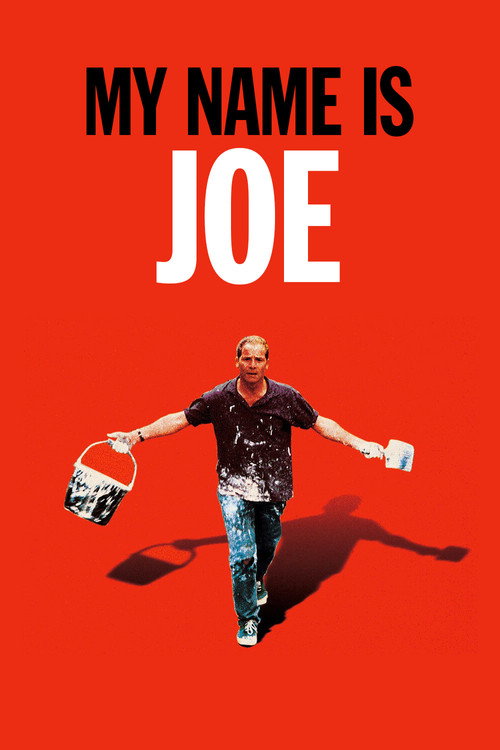
Scottish actor-director Peter Mullan, best known as the titular alcoholic in Ken Loach's My Name Is Joe, based this film on the true stories of young women locked away in the Magdalene asylums of Britain and Ireland, ostensibly to cure them of their wanton ways but more pointedly to hide them from their wanton Catholic kin.
An actor himself ("Trainspotting," "My Name is Joe"), Mullan encourages uniformly strong performances from his wonderful cast in roles that must have been physically and psychologically challenging.
Peter Mullan made his name starring in Ken Loach's "My Name is Joe", but his talents extend far beyond acting.
Mullan, who splits his time between directing and acting (he starred in the 1998 drama "My Name Is Joe"), gets solid performances from the newcomers.
In his second feature film, actor Peter Mullan (My Name Is Joe) has created an unflinching and compelling drama that will make your blood boil.
“Magdalene” is the latest directorial effort from actor Peter Mullan, and it plays exactly as brutal as the actor’s typical performances (“My Name Is Joe,” “The Claim,” “Miss Julie“).