
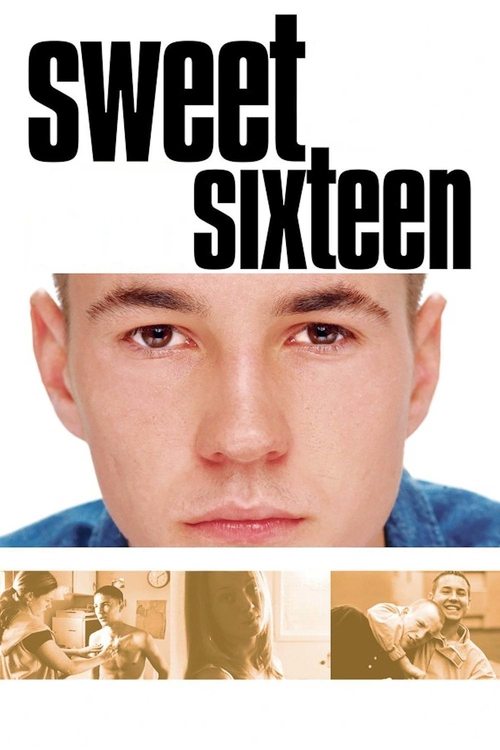
Sweet Sixteen (2002)
Directed by Ken Loach
Determined to have a normal family life once his mother gets out of prison, a Scottish teenager from a tough background sets out to raise the money for a home.
9 connections found
View:
9 films that influenced Sweet Sixteen
What critics say influenced Sweet Sixteen


This story of a fifteen year-old who enters a life of crime resembles classics like Hawks' Scarface , Walsh's White Heat , and any of a handful of other James Cagney or Edward G. Robinson gangster films.

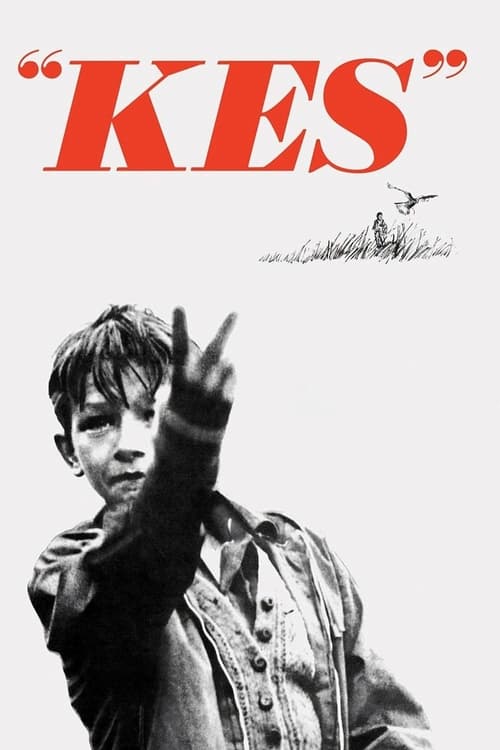
Liberal Brit director Kenneth Loach ("Sweet Sixteen"/"Poor Cow"/"Black Jack") helms in his first feature a splendid unsentimental realistic working-class family drama set in the drab northern coal mining town of Yorkshire, England, in its slum section of Barnsley (it was filmed on location).
(Think Brian Glover on the football pitch in Kes.
But when he's good and sticks very close to the ground he's capable of great films, such as Kes, Land and Freedom or My Name Is Joe .
Ken Loach's ("Poor Cow"/"Kes"/"Land and Freedom") neo-realism drama Sweet Sixteen is a simple and familiar modern urban story about a boy determined to have a normal life despite his unfortunate circumstances.
Loach's best films -- "Kes," "Raining Stones," "Land and Freedom" -- play like he's somehow convinced reality itself to pitch in and make his points for him.
Some will recall Loach's great film " Kes " (1969), about a poor English boy who finds joy in training a pet kestrel--a season of self-realization, before a lifetime as a miner down in the pits.
Ken Loach's ("Poor Cow"/"Kes"/"Land and Freedom") neo-realism drama Sweet Sixteen is a simple and familiar modern urban story about a boy determined to have a normal life despite his unfortunate circumstances.
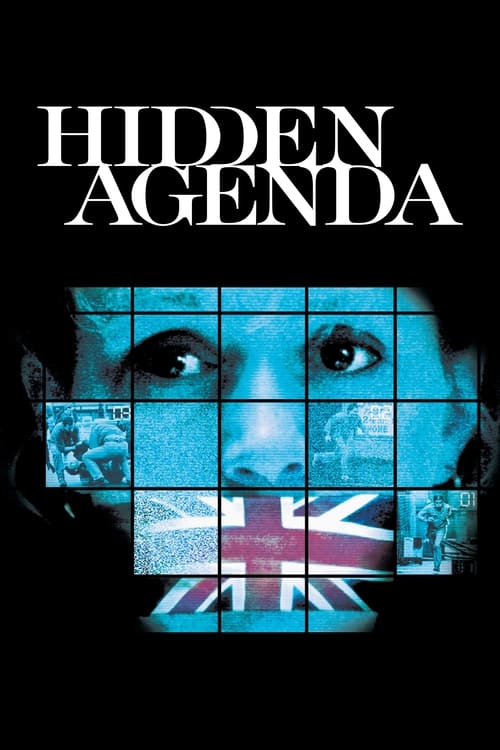
His domestic films â Riff-Raff, My Name Is Joe â are funnier and subtler, but even in some of these, Loach, like many middle-class champions of the poor and oppressed, has a habit of defining his working-class characters solely by their oppression, either idealizing them (in the awful Hidden Agenda) or rendering them so degraded by their circumstances (Ladybird, Ladybird) that itâs hard to find anything to like in them at all.
Sweet Sixteen doesn’t muster the angry outcry of Loach’s Hidden Agenda or the disillusioned heartbreak of Ladybird, Ladybird, but it does convey the cycle of disillusionment among poverty row parents and children.
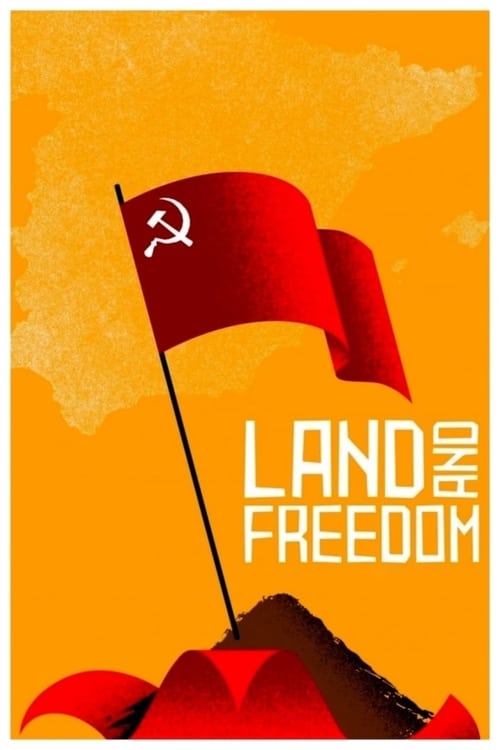
But when he's good and sticks very close to the ground he's capable of great films, such as Kes, Land and Freedom or My Name Is Joe .
Ken Loach's ("Poor Cow"/"Kes"/"Land and Freedom") neo-realism drama Sweet Sixteen is a simple and familiar modern urban story about a boy determined to have a normal life despite his unfortunate circumstances.
Loach's best films -- "Kes," "Raining Stones," "Land and Freedom" -- play like he's somehow convinced reality itself to pitch in and make his points for him.
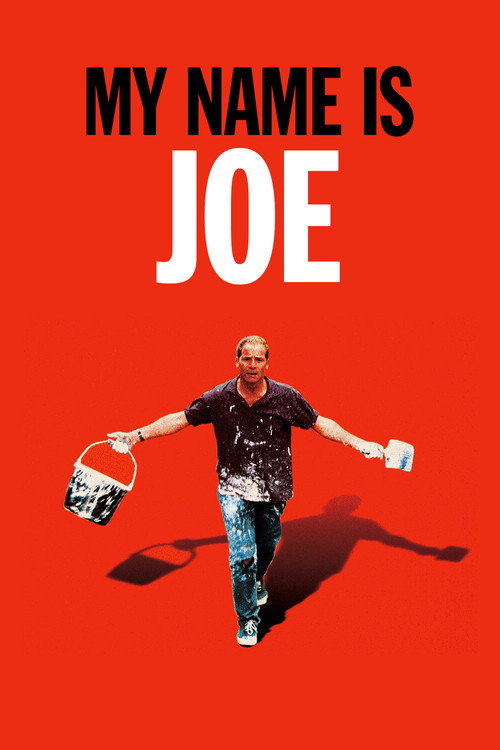
There's always a knot of heartache in the films of Ken Loach ("Riff Raff," "My Name Is Joe"), always a sense that the best, most earnest plans are inevitably crushed by a system that robs the underclass of its due.
In My Name Is Joe , a recovering alcoholic yearns for a new life in an impoverished neighborhood in Glasgow; in Carla's Song , a well-intentioned bus driver goes to extreme lengths to prove his love for a woman from war-torn Nicaragua; and in Bread and Roses , a Mexican woman working for a cleaning company in Los Angeles is empowered by a struggle for better wages and benefits.
But when he's good and sticks very close to the ground he's capable of great films, such as Kes, Land and Freedom or My Name Is Joe .
Paul Laverty pens his fourth Loach film (including 1998's excellent "My Name is Joe") and once again his dialogue is faultless in its ability to stay street-level while also conveying the sorrow and hope integral to Loach's movies.
His domestic films â Riff-Raff, My Name Is Joe â are funnier and subtler, but even in some of these, Loach, like many middle-class champions of the poor and oppressed, has a habit of defining his working-class characters solely by their oppression, either idealizing them (in the awful Hidden Agenda) or rendering them so degraded by their circumstances (Ladybird, Ladybird) that itâs hard to find anything to like in them at all.
Initially, the credit for this goes to screenwriter Paul Laverty, who's collaborated with Loach before, most notably on another Cannes prize-winner, 1998's "My Name Is Joe."
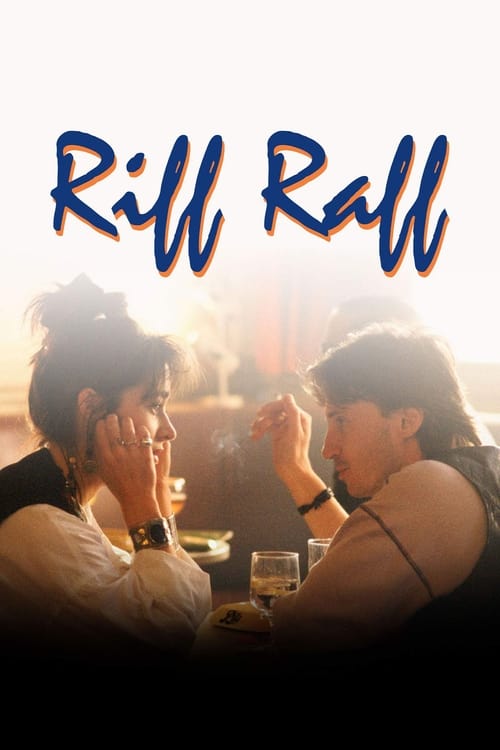
His domestic films â Riff-Raff, My Name Is Joe â are funnier and subtler, but even in some of these, Loach, like many middle-class champions of the poor and oppressed, has a habit of defining his working-class characters solely by their oppression, either idealizing them (in the awful Hidden Agenda) or rendering them so degraded by their circumstances (Ladybird, Ladybird) that itâs hard to find anything to like in them at all.
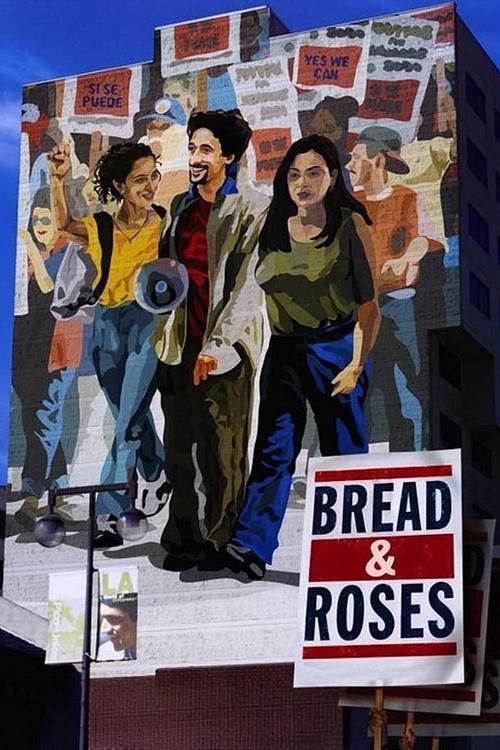
In My Name Is Joe , a recovering alcoholic yearns for a new life in an impoverished neighborhood in Glasgow; in Carla's Song , a well-intentioned bus driver goes to extreme lengths to prove his love for a woman from war-torn Nicaragua; and in Bread and Roses , a Mexican woman working for a cleaning company in Los Angeles is empowered by a struggle for better wages and benefits.
He sometimes climbs a little too high on his soapbox and edges a bit too close to preachy Stanley Kramer territory, as in his previous film Bread and Roses.
His "Bread and Roses" (2000) starred the future Oscar winner Adrien Brody as a union activist in Los Angeles, working to organize a group of non-union office cleaners and service employees.
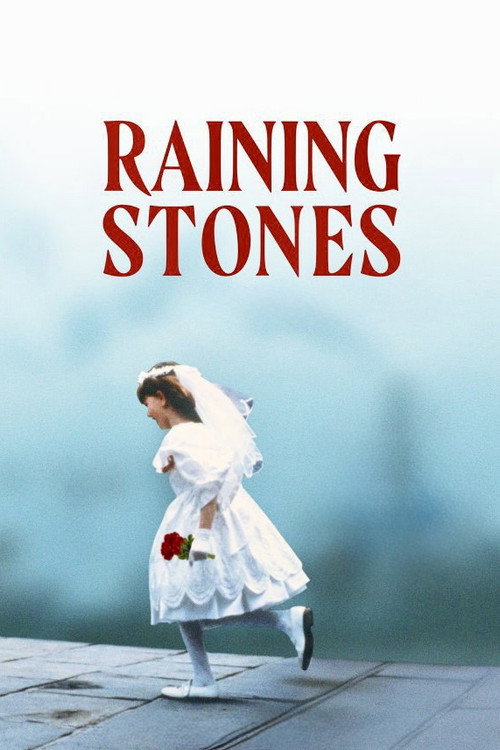
Loach's best films -- "Kes," "Raining Stones," "Land and Freedom" -- play like he's somehow convinced reality itself to pitch in and make his points for him.