
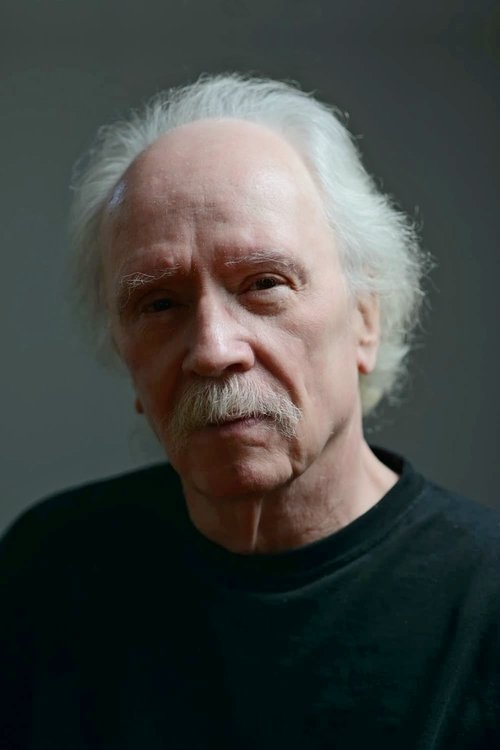
John Carpenter
Filmography
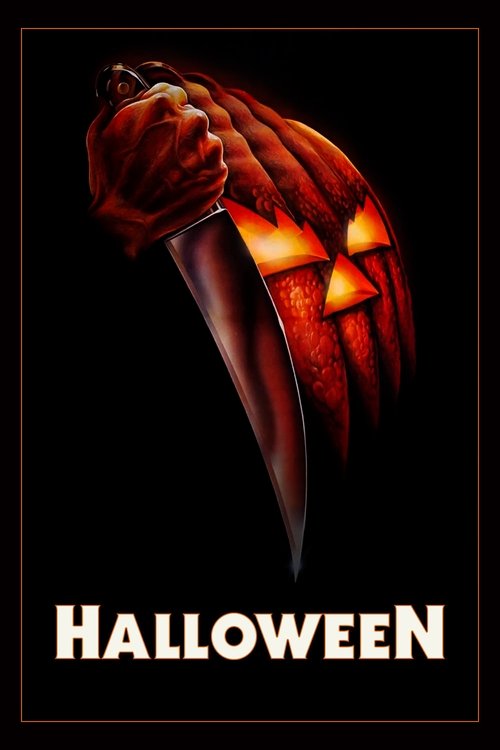 Halloween 1978
 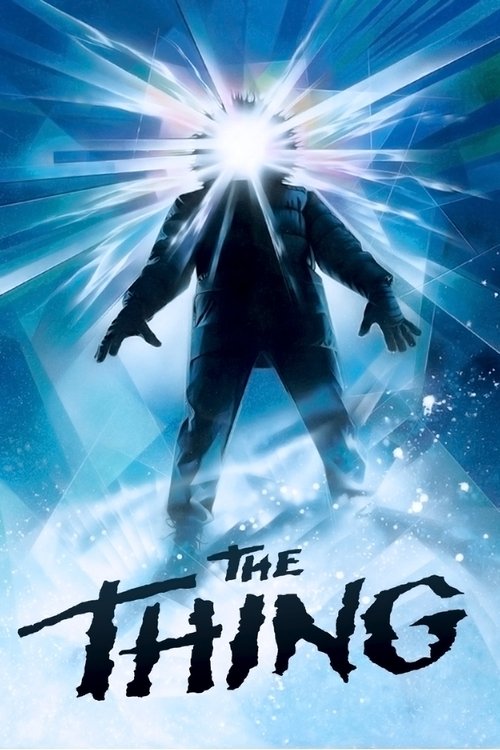 The Thing 1982
 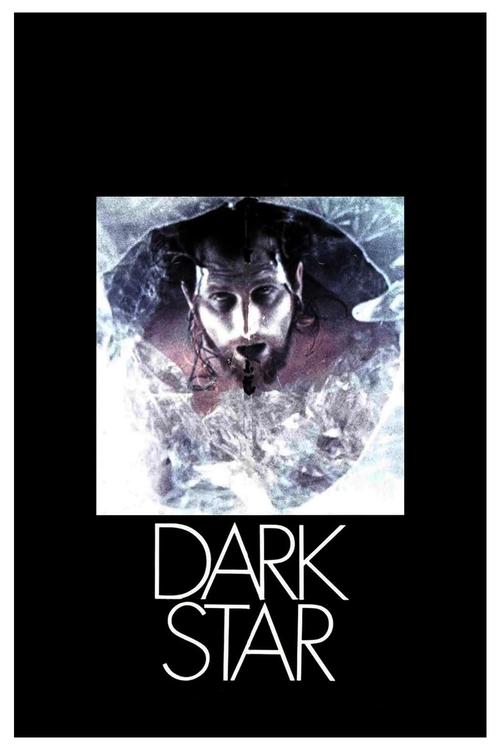 Dark Star 1974
  Big Trouble in Little China 1986
 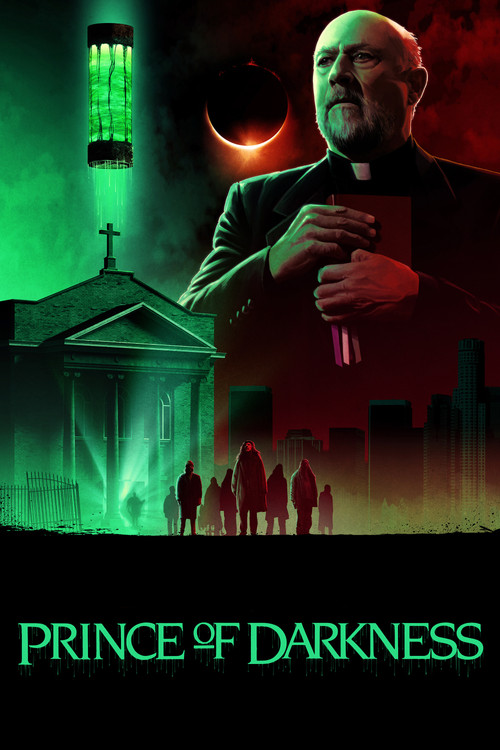 Prince of Darkness 1987
 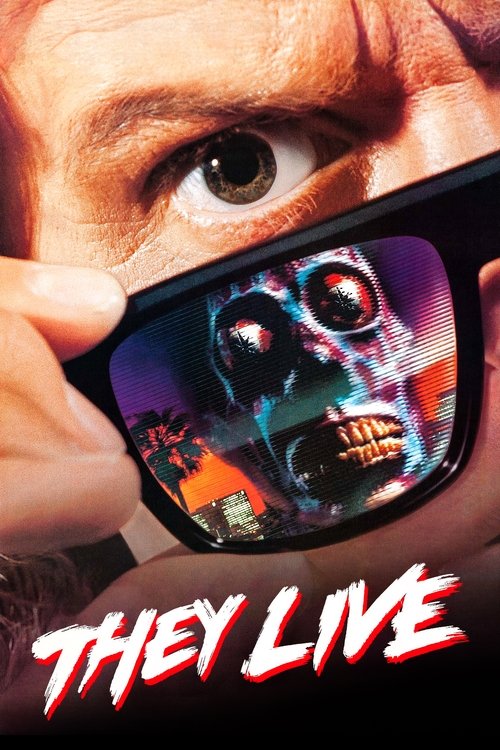 They Live 1988
 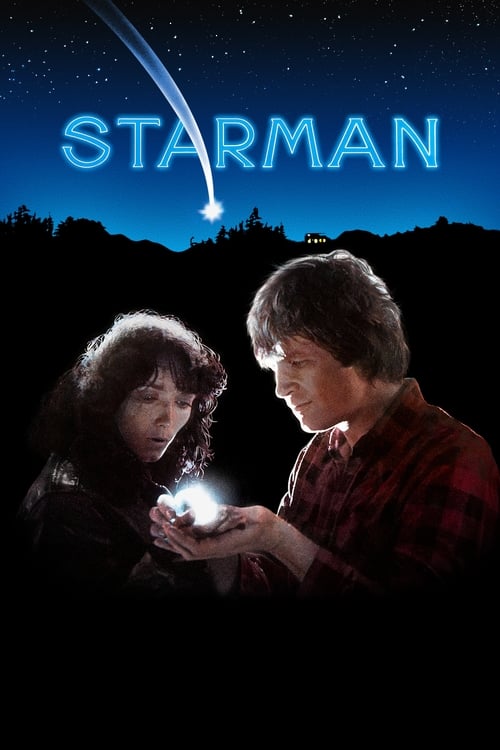 Starman 1984
 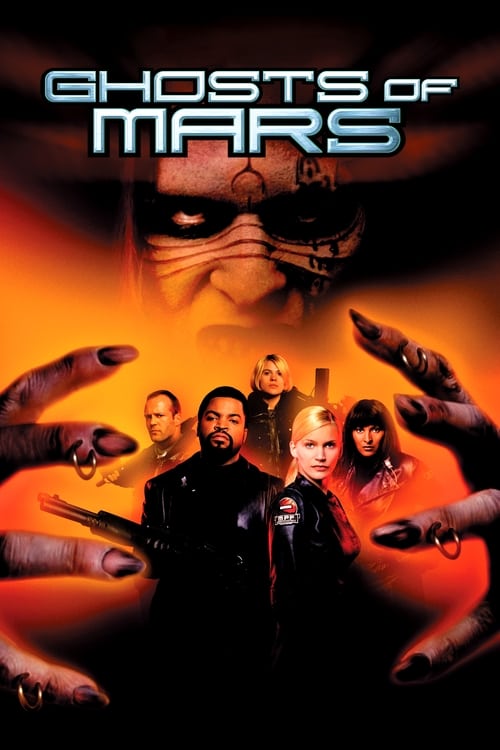 Ghosts of Mars 2001
  Assault on Precinct 13 1976
 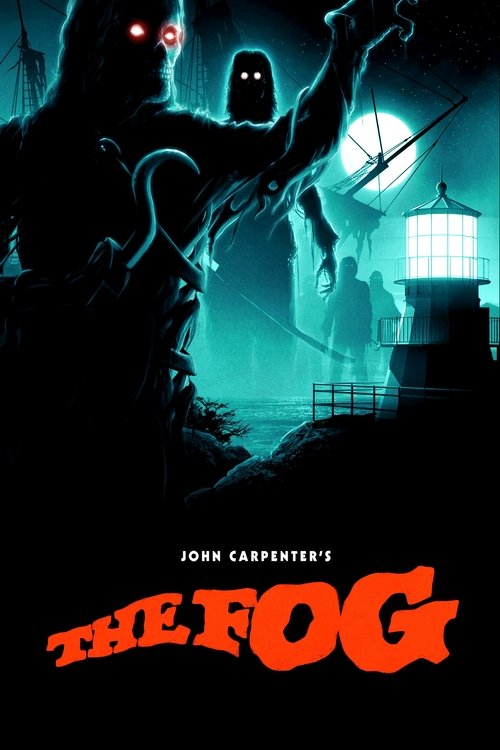 The Fog 1980
 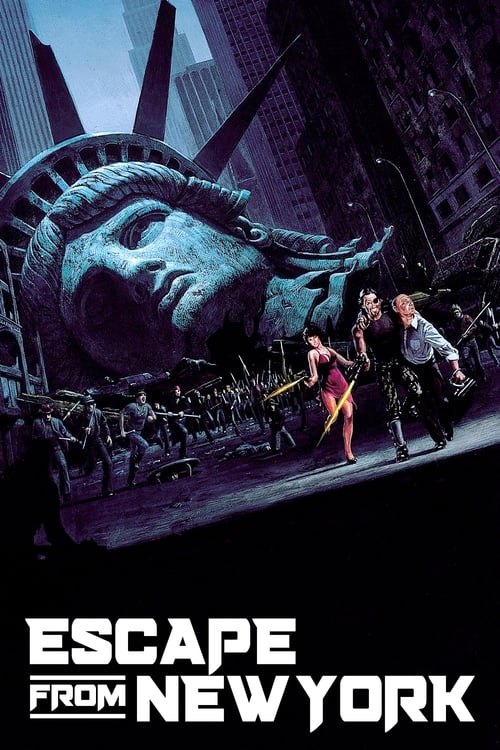 Escape from New York 1981
 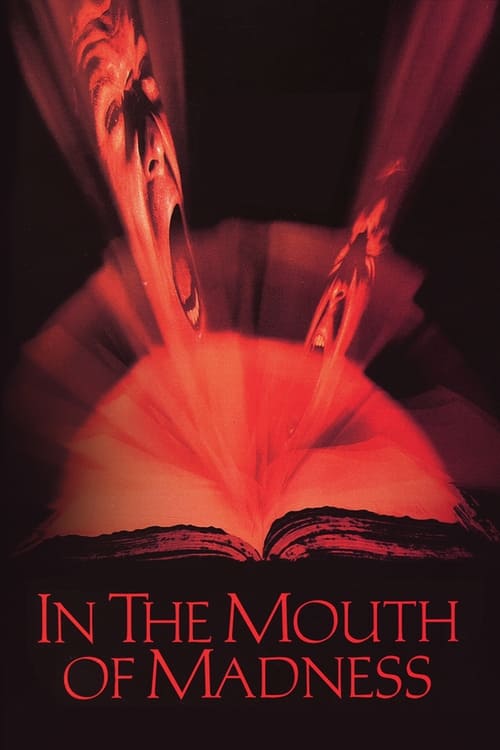 In the Mouth of Madness 1995
 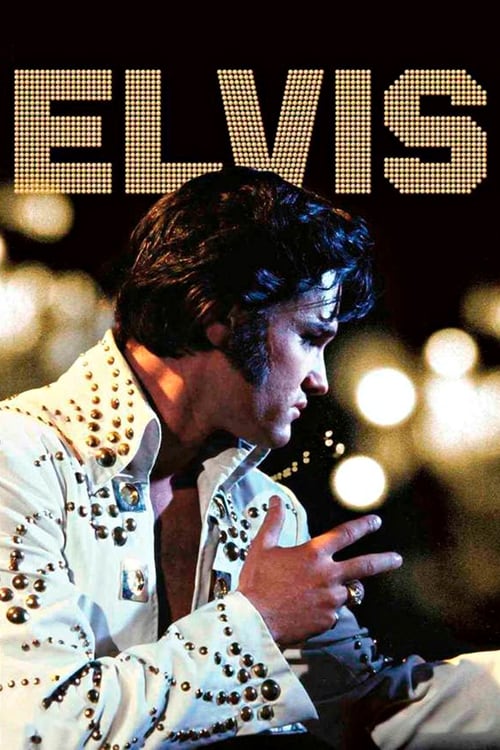 Elvis 1979
 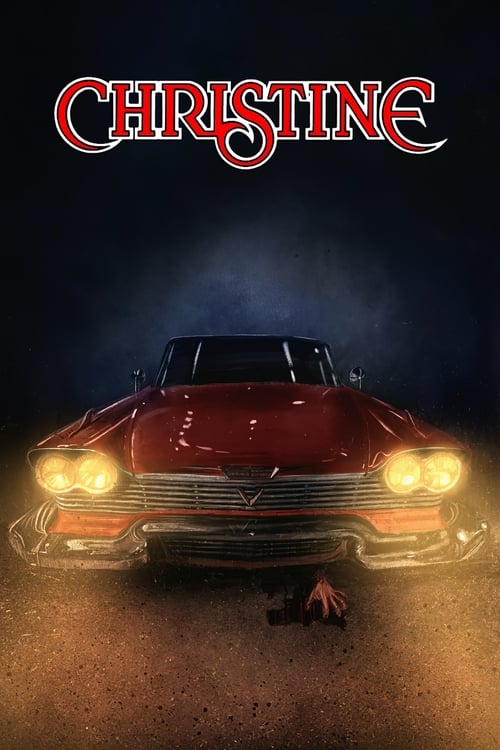 Christine 1983
 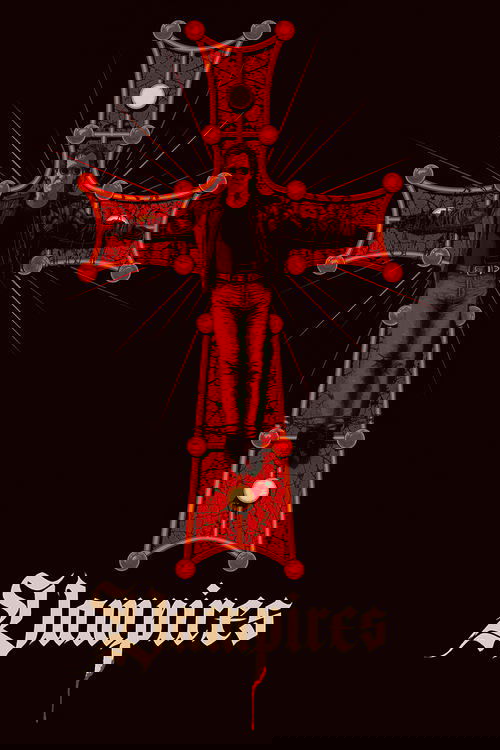 Vampires 1998
 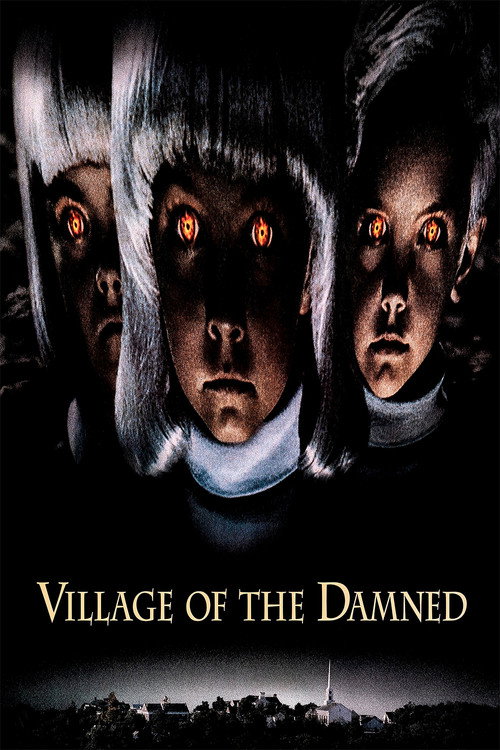 Village of the Damned 1995
 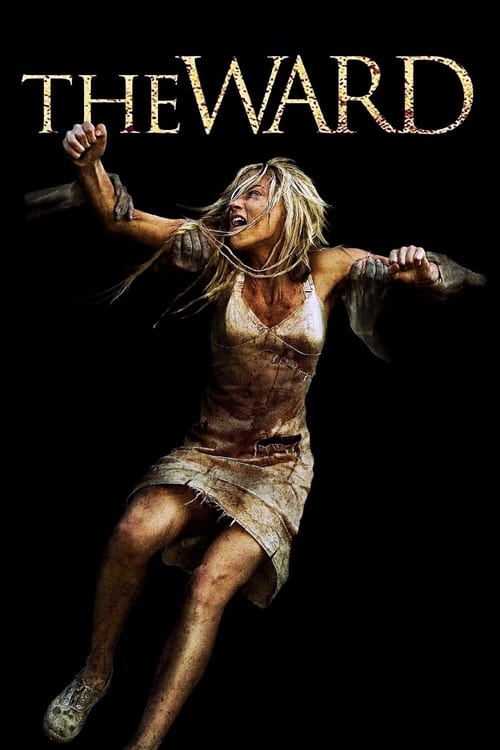 The Ward 2010
 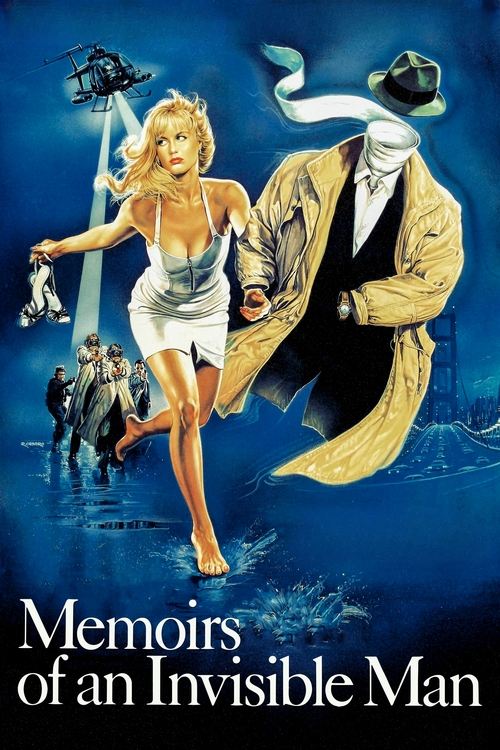 Memoirs of an Invisible Man 1992
 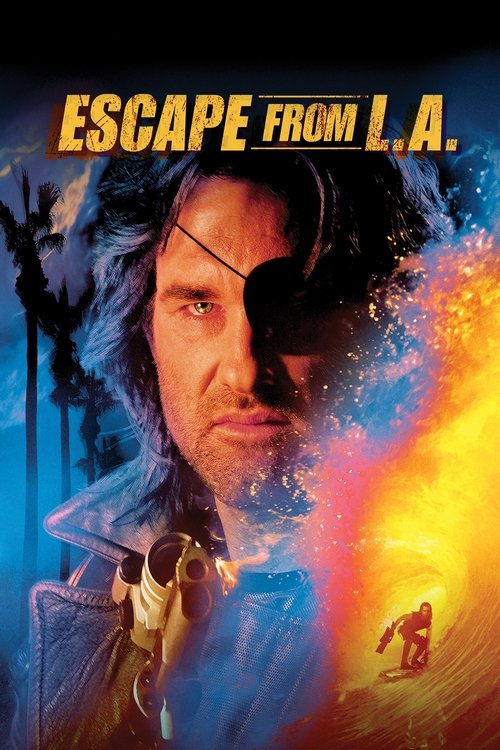 Escape from L.A. 1996
 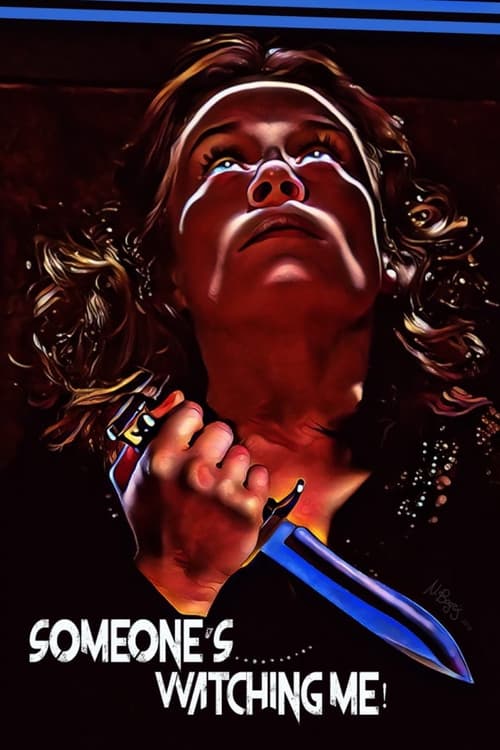 Someone's Watching Me! 1978
 Connections, in both directions

Rio Bravo (1959)
Directed by Howard Hawks
influenced Assault on Precinct 13 (1976), Ghosts of Mars (2001), Halloween (1978), Vampires (1998), Big Trouble in Little China (1986), The Thing (1982), The Fog (1980)


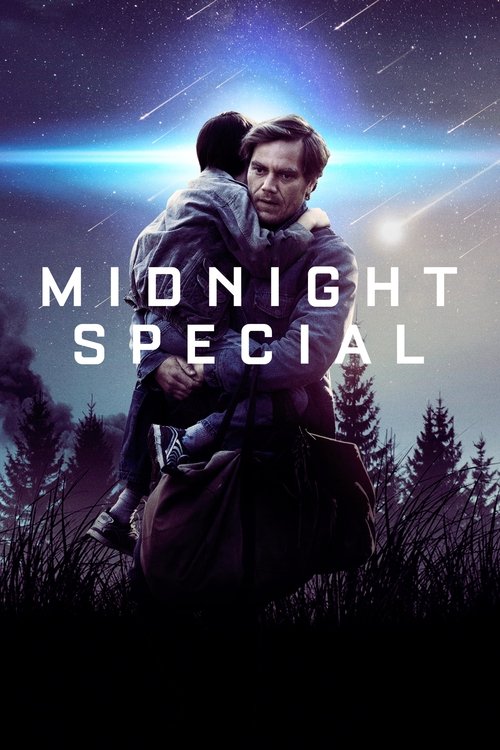
Midnight Special (2016)
Directed by Jeff Nichols
influenced by Starman (1984)
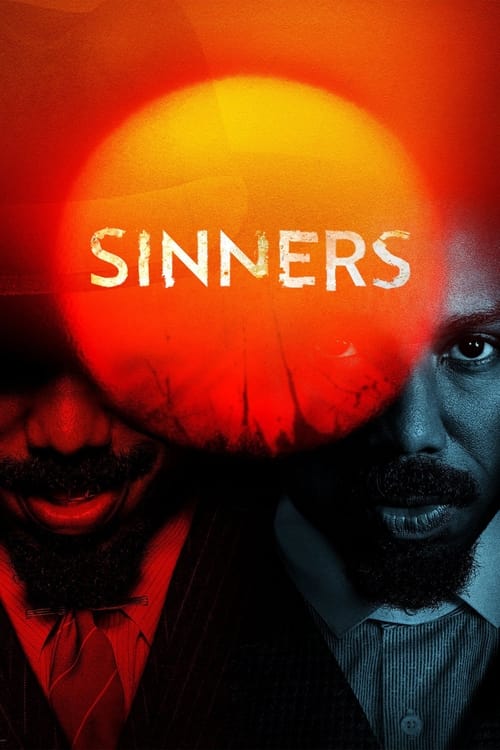
Sinners (2025)
Directed by Ryan Coogler
influenced by The Thing (1982), Assault on Precinct 13 (1976), Vampires (1998), Halloween (1978), The Fog (1980)
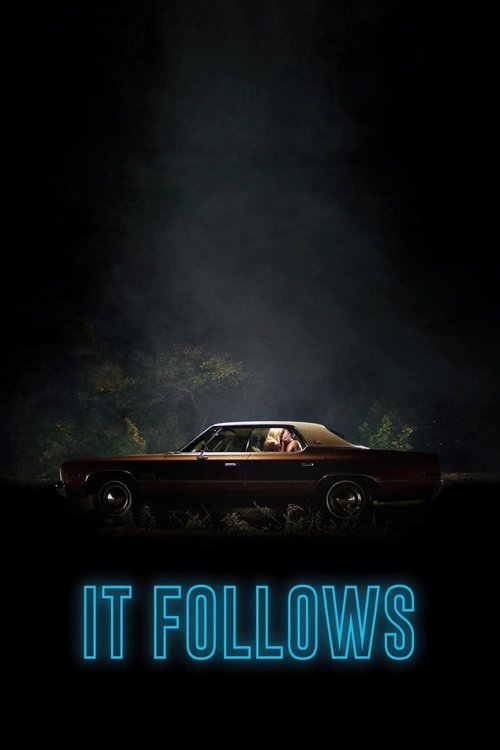
It Follows (2015)
Directed by David Robert Mitchell
influenced by Halloween (1978), In the Mouth of Madness (1995)
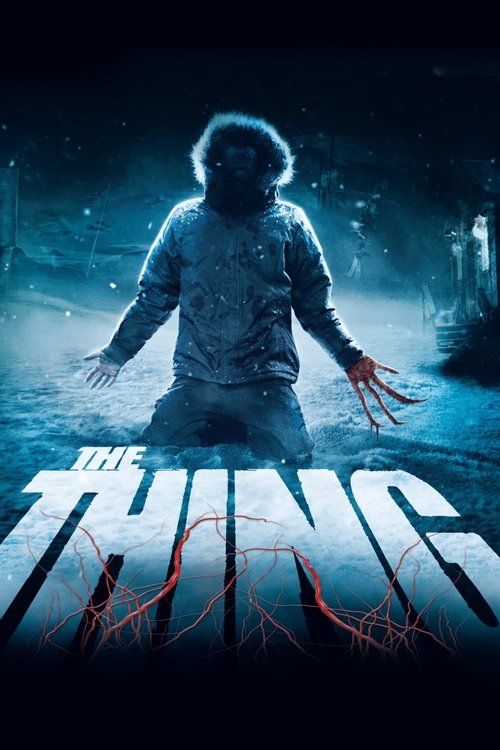
The Thing (2011)
Directed by Matthijs van Heijningen Jr.
influenced by The Thing (1982)

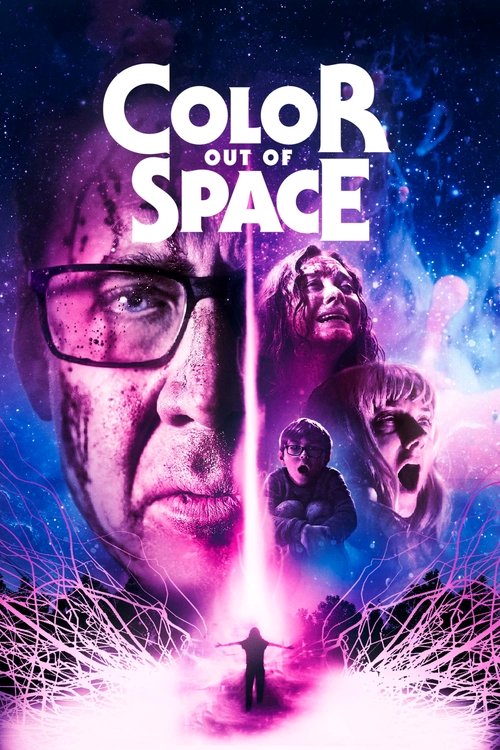
Color Out of Space (2020)
Directed by Richard Stanley
influenced by The Thing (1982), In the Mouth of Madness (1995)
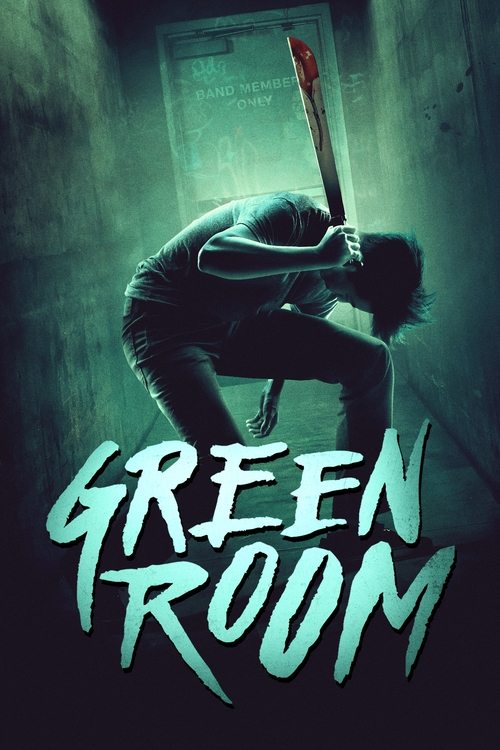
Green Room (2016)
Directed by Jeremy Saulnier
influenced by Assault on Precinct 13 (1976)

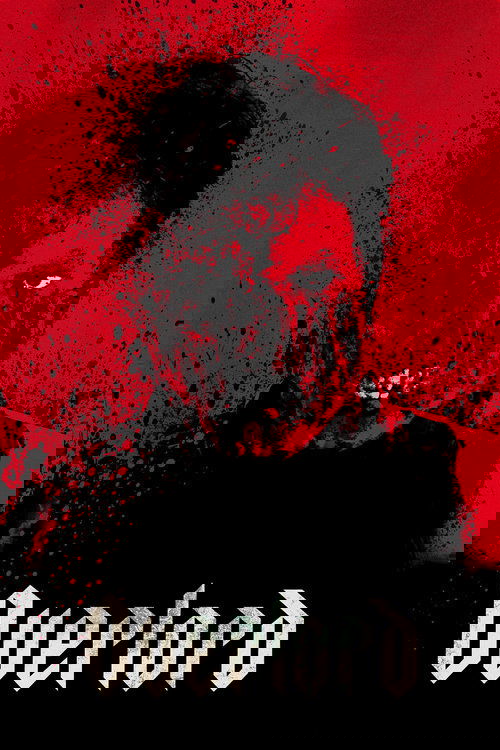
Overlord (2018)
Directed by Julius Avery
influenced by The Thing (1982), Escape from New York (1981)
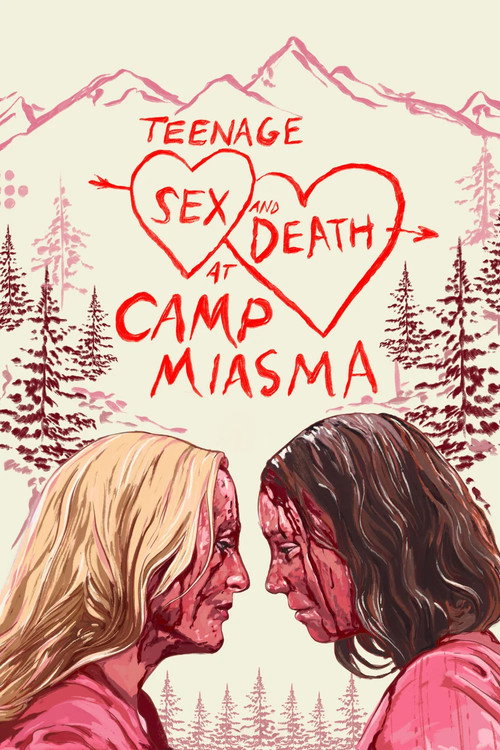
Teenage Sex and Death at Camp Miasma (2026)
Directed by Jane Schoenbrun
influenced by Halloween (1978)


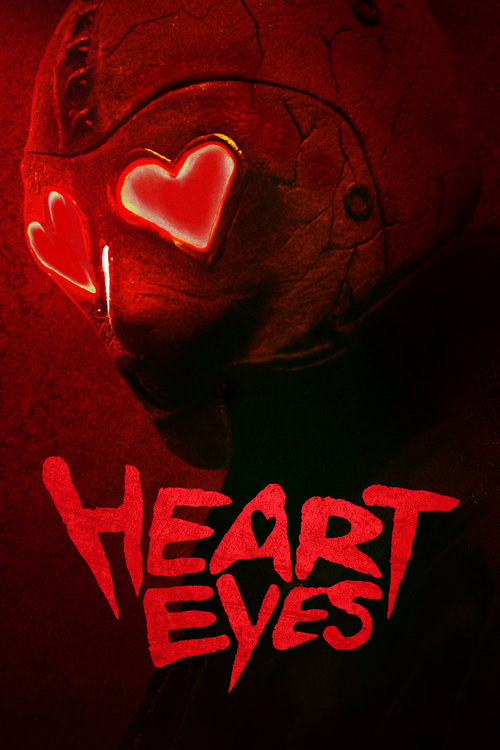
Heart Eyes (2025)
Directed by Josh Ruben
influenced by Halloween (1978)