
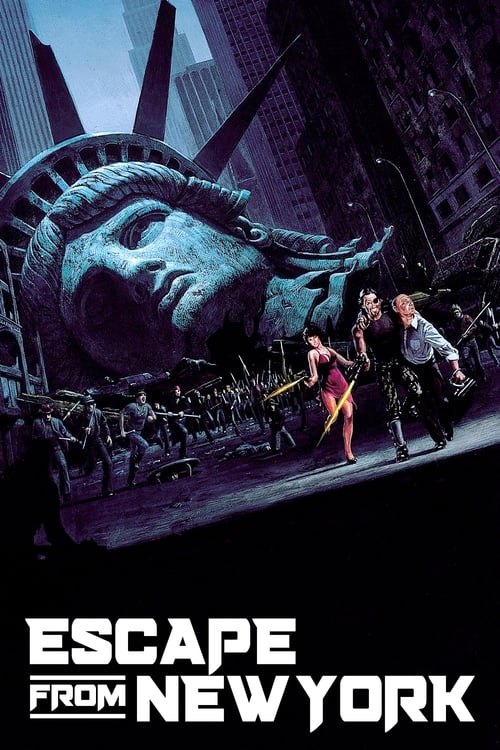
Escape from New York (1981)
Directed by John Carpenter
In a world ravaged by crime, the entire island of Manhattan has been converted into a walled prison where brutal prisoners roam free. After the US president crash-lands inside, war hero Snake Plissken has 24 hours to bring him back.
7 connections found
View:
7 films that influenced Escape from New York
What critics say influenced Escape from New York
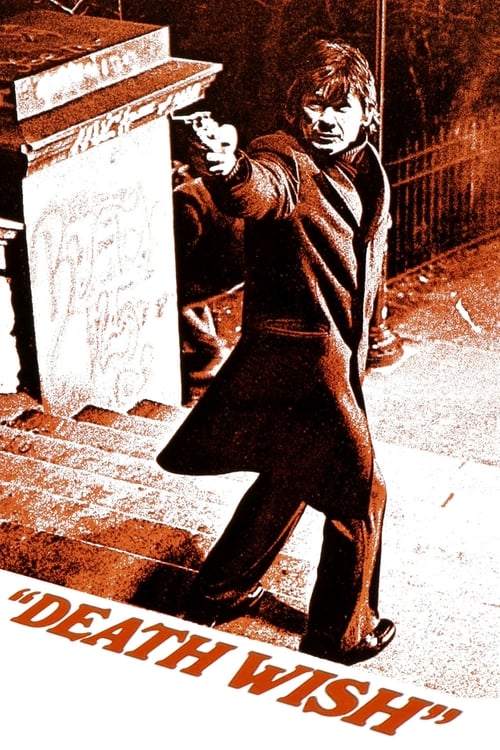


Knowing that the director and his co-writer Nick Castle (whose handful of writing credits are well and good, but surely we all know him best as the man behind the mask as Michael in Halloween) were consciously channeling Death Wish makes it clear just how great Escape from New York really is: the Carpenter film takes the 1974 revenge flick's vague notion of the city as a concrete and glass and steel jungle and goes to such infinitely richer places with it that only a madman would think to compare the two.
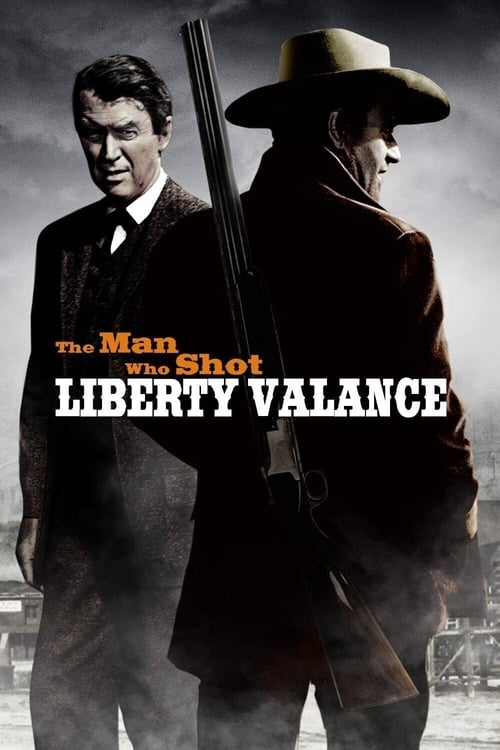
It is also not surprising that Carpenter cast Lee Van Cleef, best known for his roles in westerns such as High Noon (1950), The Man Who Shot Liberty Valance (1962), and The Good, the Bad, and the Ugly (1966), to play a variation on the weak town sheriff who must use the western hero to get the dirty work done.
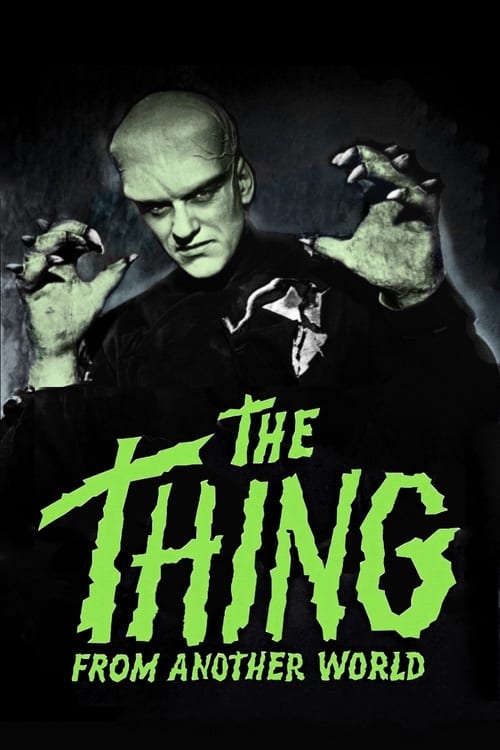
Carpenter was just getting started; having also directed Russell in the lead of the 1979 telefilm Elvis, Carpenter went for an immediate "three-fer" with Russell in the lead of The Thing, a terrific remake of Howard Hawks' The Thing from Another World.
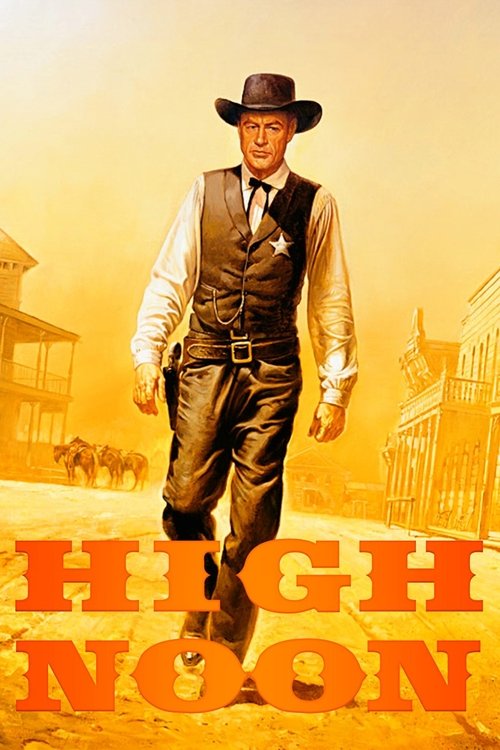
It is also not surprising that Carpenter cast Lee Van Cleef, best known for his roles in westerns such as High Noon (1950), The Man Who Shot Liberty Valance (1962), and The Good, the Bad, and the Ugly (1966), to play a variation on the weak town sheriff who must use the western hero to get the dirty work done.
Advertisement

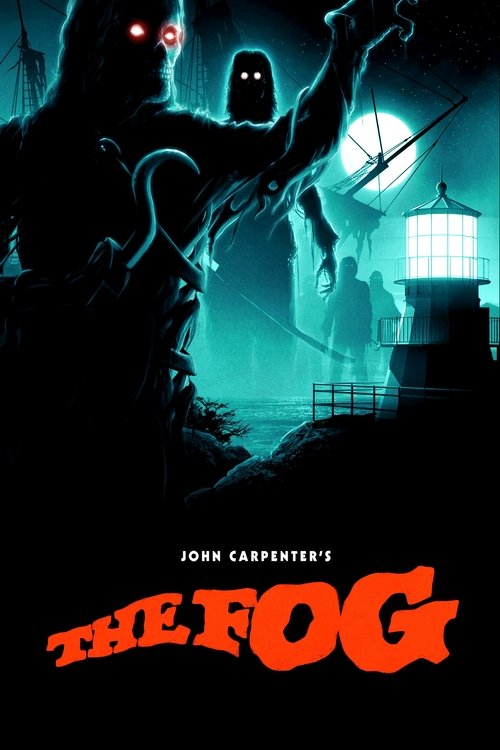
Carpenter's fourth feature as a director, "The Fog" was his first relative -- albeit honorable -- misfire; it's fairly unique as a 1980s horror movie, but it remains a lesser work in a directorial filmography that includes "Escape from New York," "The Thing," "They Live," "Big Trouble in Little China," even "Christine."
Of the first bunch of Carpenter films to be updatedincluding Assault On Precinct 13, Halloween, Escape From New York, and The Thing (itself a remake)the 1980 film The Fog has the most room for improvement.
A feature-length yakker with Carpenter and former filmmaking partner Debra Hill is lively and informative and again lifted from a 1995 LaserDisc (though not as lively and informative as Carpenter's commentaries with Kurt Russell for The Thing, Escape from New York (recorded for Laser, coming soon to DVD), and Big Trouble in Little China ), and a new, DVD-specific documentary ("Tales from the Mist: Inside The Fog") submits thirty minutes' worth of observations (only a few rehashed) about the literary sources of the film (Poe, Lovecraft, E.C. Comics) and the late-edit woes.
The majority of the film was not shot in New York City, but rather in a burnt-out section of downtown St. Louis, which allowed Carpenter and cinematographer Dean Cundey (who had previously shot Carpenter’s Halloween and The Fog) to fill the ’Scope frame with wide, seemingly endless expanses of deserted, trashed-out urban terrain (although not to the extent that the movie poster and subsequent video box promised, as the Statue of Liberty’s head remains firmly attached to her shoulders).
The Fog (1980) is about a crew of pirate zombies taking revenge on the descendants of a California town who robbed them; it became one of the most enduring films of its kind, inspiring many imitators.
Escape from New York is not as enthralling as the metaphor-rich, Reagan-era They Live and the parallel action isn't as pronounced or intoxicating as it was in The Fog , but its politics are no less immediate (the constantly shifting alliances, individualism versus collectivism, the distrust of authority and the overriding public relations fiasco that closes the film).
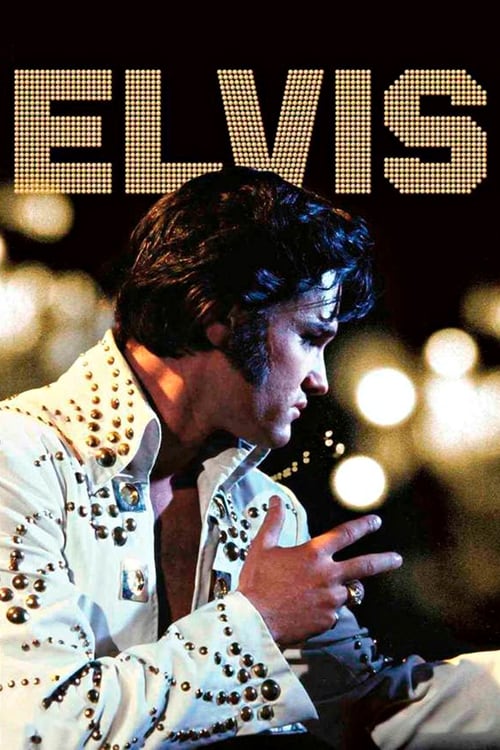
It may not be much of a surprise that film’s like 1983’s Christine (based on the successful Stephen King novel), 1979’s Elvis (a TV movie about one of the biggest stars of all time) or 1984’s Starman (a romance more than a sci-fi film) have all been considered successful and acclaimed, but a look at Carpenter’s other films bears out his success further.
Carpenter was just getting started; having also directed Russell in the lead of the 1979 telefilm Elvis, Carpenter went for an immediate "three-fer" with Russell in the lead of The Thing, a terrific remake of Howard Hawks' The Thing from Another World.
For Russell's part, he'd done Elvis (with Carpenter) and had just finished Used Cars; but that was a comedy, and Russell needed something as far away from his Disney roots as humanly possible.

Along with George Miller’s Mad Max (1979) and its sequel The Road Warrior (1981), John Carpenter’s Escape From New York is arguably the best candidate for progenitor of this particularly modern strain of dystopian sci-fi (the fact that Carpenter and co-writer Nick Castle originally penned the screenplay in 1974, the year of Watergate, is telling).