
Andy Muschietti
186 connections found
Filmography
View:
Connections, in both directions
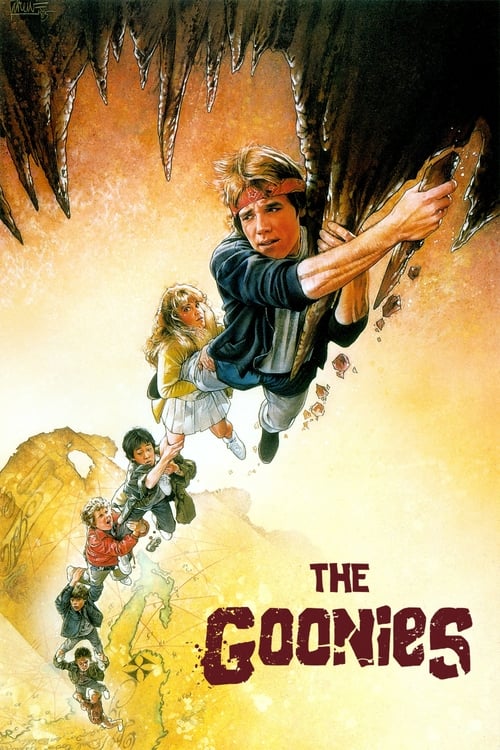


The way the movie is filmed and the way the young characters humorously interact intentionally replicates the look and feel of '80s Steven Spielberg directed/produced movies like E.T. and, especially, The Goonies.
Especially if it falls into that brief window between, say, E.T. and The Goonies.
“It” is set in the summer of 1989, with “A Nightmare on Elm Street Part 5” playing at the local cinema of Derry, Maine, and it very deliberately recalls “The Goonies” — one kid even carries an asthma inhaler– and “Stand by Me” (also based on a King story).
It's a messy mix of Nightmare on Elm Street meets The Goonies and that isn't a compliment.
Although definitely a step up in most regards (aside from an exceptionally key one) from the TV adaptation, this version proves to be a wildly uneven work that at times genuinely seems like the horror classic that it wants to be and other times comes across as little more than “The Goonies” with a significantly higher body count.
It has a vintage retro, throwback feel that recalls several other touchstone movies of its 1980s era, notably Stand By Me (adapted from another Stephen King story) and The Goonies .
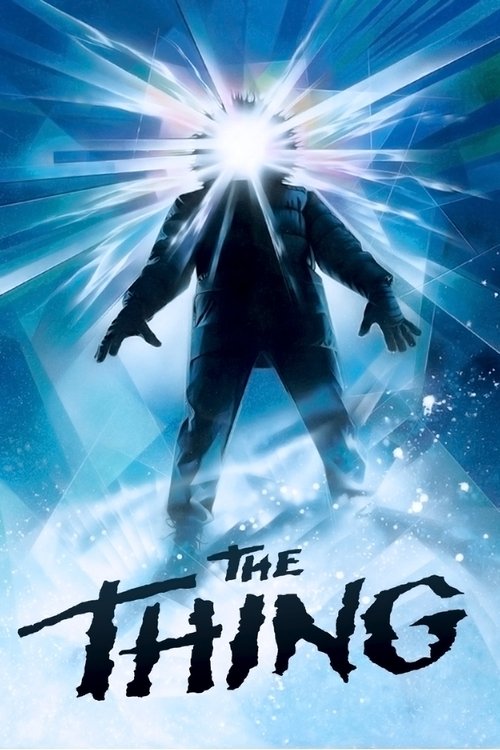
As one of the now grownup Losers Club puts it (in a droll homage to John Carpenter’s The Thing), “You gotta be fucking kidding me.”
(All this despite an unfurling of horror references onscreen, including a sequence that takes a page from The Thing .)
Muschietti once again gets excellent performances from his young cast, and his visual touches often recall John Carpenter’s “The Thing” (1982).
From giant, drooling clowns to grotesque insect apparitions and spiderlike shape-shifters, It Chapter Two doesn’t skimp on the funhouse theatrics, even riffing on a quotable moment from John Carpenter’s The Thing , which remains a monstrous benchmark for mind-bending 80s horror.
Muschietti also adds amusing cameos by King and legendary director Peter Bogdanovich — as himself, apparently — amid cool visual references to Ridley Scott’s Alien and John Carpenter’s The Thing , among other famous flicks.
The films “The Thing,” “Carrie,” “The Shining” and the “Nightmare on Elm Street” franchise all get shoutouts as well — and those are just the references I caught during a single viewing.
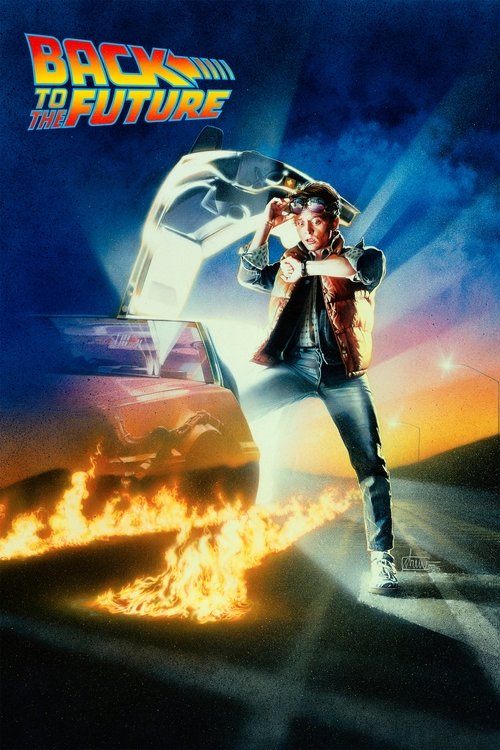
Older Barry is in for further surprises: talking with his younger self about the concept and the film Back To The Future (Robert Zemeckis, 1985), younger Barry refers to it as the film starring Eric Stolz as Marty McFly.
It has the grave misfortune of not just paying conspicuous homage to infinitely better properties (poking fun at “Back to the Future,” or borrowing a line from “RoboCop” about seeking out a health care professional after a traumatic rescue), but also employing a plot that is remarkably similar to recent superhero flicks.
Removed from the cape and cowl, Bruce gradually resembles that of a Doc Brown (Christopher Lloyd) from Back to the Future , which is a major point of reference for The Flash .
The Back to the Future references and people confusing Eric Stoltz with Michael J. Fox is only funny the first time around, but it was done ad nauseam.
For example, this alternative universe does not have most of Justice League members, and the movie has some naughty fun via several wry references on well-known Hollywood films including “Back to the Future” (1985), which does not have Michael J. Fox in this alternative universe but has the other actor initially chosen for that film instead.
It is like watching Man of Steel , Back to the Future and Spider-Man: No Way Home combined into one.

Mike, in a possible homage to black filmmaker Charles Burnett’s brilliant film Killer of Sheep , is forced to stun sheep using a bolt gun while his uncle informs him that he has to learn to wield the weapon or else it will be wielded against him.
That's not to say the scares aren't fun, because they are: Pennywise the evil shape-shifting clown basically has Freddy Krueger-like powers to shape reality into nightmares, a connection you'd fully expect the kids to make sooner given that A Nightmare on Elm Street 5 is actually playing at their local movie theater ('80s references replace the '50s touchstones from the novel, given how long it's been, though they can't beat the even more subtle nods to cinematic cult classics like Killer of Sheep and The Wicker Man ).
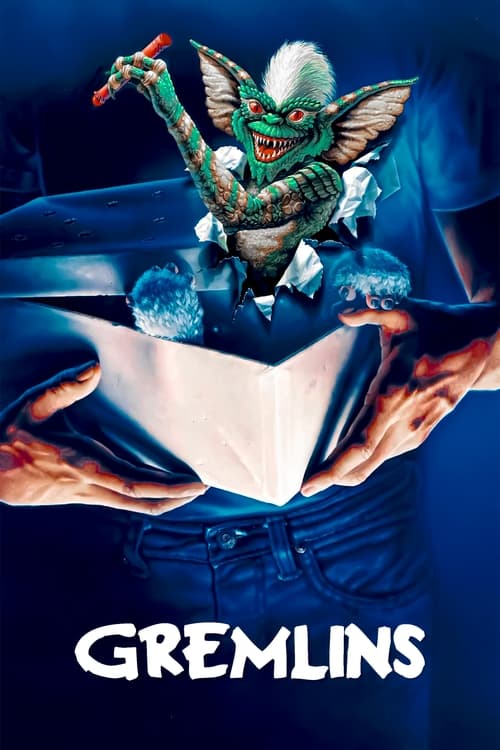
With the setting upgraded from the ’50s to the ’80s, with “Gremlins” posters adorning bedroom walls and New Kids on the Block references bleeding into the soundtrack, “It” doesn’t just take place in the confines of a novel written during King’s peak creative output; it may as well have been made then.
Mix one part vulgar innocence (these kids swear up a storm, even if they don't know what exactly they're talking about), add a breezy layer of cultural benchmarks ( Gremlins and A Nightmare on Elm Street posters adorn the scenery's fringes) and mix it all in a rusty blender on high in the middle of an abandoned corn field.
A poster for the Spielberg-produced Gremlins can briefly be seen above one character’s bed, and its blend of bloody horror, comedy and sympathetic youths in peril is the sort of movie that the best of Muschietti’s It feels in debt to.
This means that all the Eisenhower-era references have been replaced with Reagan/Bush Sr.-era references—the local movie theater is showing Batman and Lethal Weapon 2, one of the characters has a Gremlins poster on his bedroom wall, and another character tries desperately to hide his admiration for the New Kids on the Block.
Ambientada em 1989, a narrativa segue os passos de Super 8 e Stranger Things (que também trazia o divertido Wolfhard no elenco) ao explorar a nostalgia da década de 80 através das canções e de referências a títulos como Gremlins e Os Fantasmas se Divertem , não deixando de homenagear, claro, o cineasta que se tornou ícone do período: Steven Spielberg.
This is a self-reflexively cine-literate world, in which posters for Gremlins and Beetlejuice hang on children’s walls, and the gateway to the monster’s lair resembles Norman Bates’s home from Psycho .
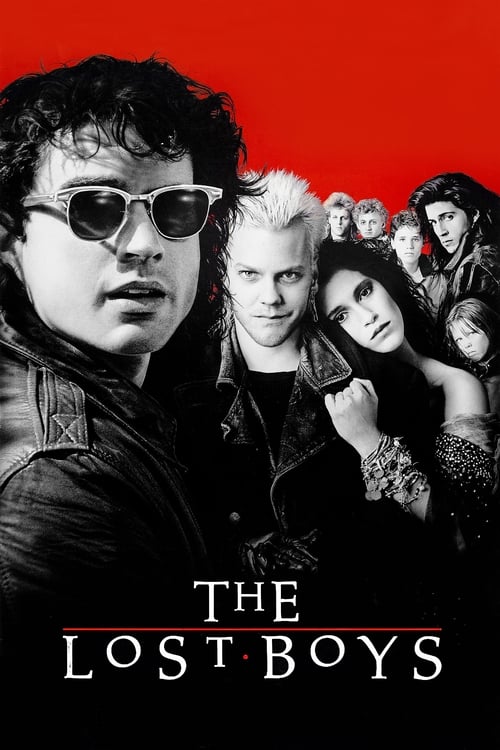
The Lost Boys (1987)
Directed by Joel Schumacher
influenced It Chapter Two (2019), It (2017)
Themes Visuals
It’s like someone threw The Goonies and Stand by Me and The Lost Boys and Poltergeist in a blender with a smidge of E.T. and a pinch of John Hughes to make an 80s smoothie.
The film’s design tips its hat to inspiration ranging from 1987’s “The Lost Boys” to 18th century Italian artist Giovanni Battista Piranesi.
There are also gallons of blood flowing, and a real sense of impending danger throughout even when references to The Lost Boys or You’ve Got Mail (surely this is the first movie to feature both?) abound.
It's all interlaced with an emotionally impactful story about friendship and deeply buried secrets and memories that has shades of the 1987 horrors The Lost Boys and A Nightmare on Elm Street 3: Dream Warriors .
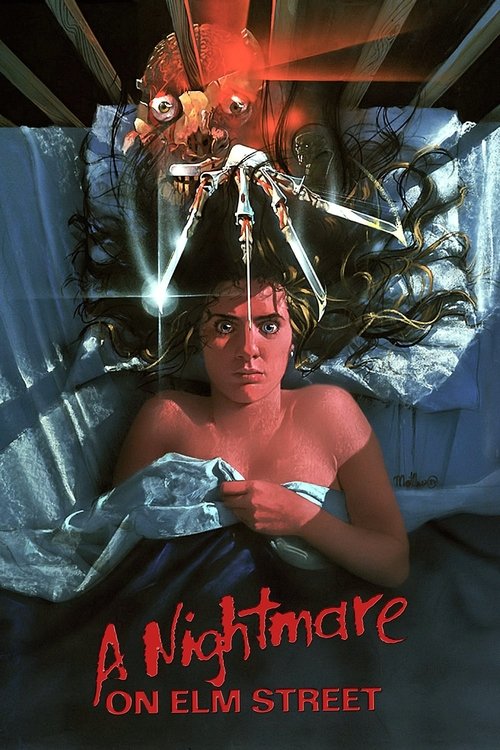
Mix one part vulgar innocence (these kids swear up a storm, even if they don't know what exactly they're talking about), add a breezy layer of cultural benchmarks (Gremlins and A Nightmare on Elm Street posters adorn the scenery's fringes) and mix it all in a rusty blender on high in the middle of an abandoned corn field.
Now Andy Muschietti uses a movie marquee to tell you that while you might be thinking of his version of Stephen King’s “It” as a scarier version of “Stand by Me” or even “The Goonies,” you should really consider “A Nightmare on Elm Street” as its progenitor.
"It" recalls "Stand by Me," "E.T.," "Carrie," "Alien" and "A Nightmare on Elm Street," among others.
It’s reminiscent of the paranoia of being awake or asleep in A Nightmare on Elm Street , but it lacks the inventiveness of Wes Craven’s film.
…her Carrie-like anxieties manifest in a bloody eruption that owes less to the lift sequence from The Shining than to Johnny Depp’s demise in A Nightmare on Elm Street .
“It” may be based on a 1986 novel by the American literary phenomenon known as Stephen King, but it features tropes from two other 1980s icons, “The Goonies” (1985), which was co-written by Steven Spielberg, and “A Nightmare on Elm Street” (1984), a film by late writer-director Wes Craven.
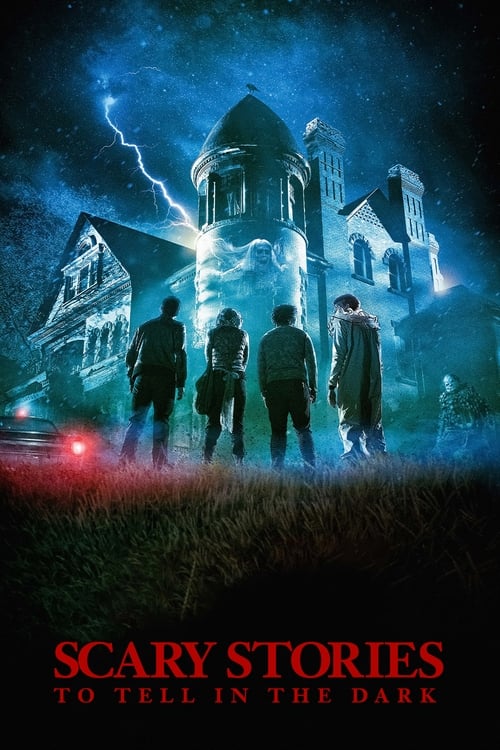
Scary Stories to Tell in the Dark (2019)
Directed by André Øvredal
influenced by It (2017), Mama (2013)
Themes Characters
Aunque ahora el referente que se mencionará al hablar de este (más complejo de lo acostumbrado) ómnibus de relatos de terror unidos por un libro hechizado escrito con sangre humana, será la televisiva Stranger Things (un grupo de amigos adolescentes unidos frente a lo sobrenatural… pero en 1968), o incluso la reformulación que Andy Muschietti ha hecho del opus del pope Stephen King en It, lo cierto es que Historias de miedo para contar en la oscuridad pertenece al imaginario de su productor y autor del argumento: Guillermo Del Toro.
There are a lot of parallels to the Stephen King horror juggernaut It, and when the nerdy Auggie dresses as a clown for Halloween, it is surely meant as a jab at the competition.
Forget the effects-laden remake – this version of It, released as a miniseries in 1986, is the most terrifying adaptation of Stephen King's beloved novel to date.
Scary Stories feels like it’s more for a middle-school aged audience than anyone old enough to see IT .
Most modern horror falls into two general categories – the hard R with extreme levels of graphic violence and vivisections (such as Raw), and the more general-audience softer-R to the hard PG-13 flavor which is more supernatural thriller (“ Stephen King’s It,” “Stranger Things,” “Get Out,” and “ It Follows” ).
The concept of angry ghosts and children exposing family secrets has been Del Toro’s go-to device for years, going back to his masterful 2001 “The Devil’s Backbone” and less impressive credits as a producer like 2013’s “Mama.”
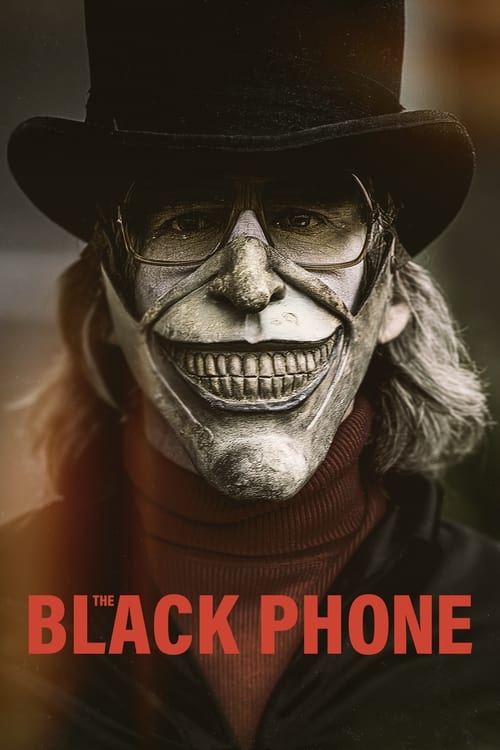
This turns out to be a pity because Ethan Hawke’s The Grabber immediately reminds me of Pennywise in Stephen King’s It since both of them are vicious antagonists who abducted children in the small town.
In a lot of ways, it’s like a minature version of It, written by Hill’s legendary father Stephen King, in the way it combines a child’s view of the world with the dangers lurking in it.
Once The Black Phone transforms into a full-on story of survival, it channels Stephen King features It and Stand By Me in that children must work together to overcome impossible scenarios that would be difficult to face even as adults.
IT ’s Pennywise is creepier – it’s tough to beat a demonic clown – but The Black Phone ’s The Grabber serves up solid competition among horrifying antagonists in films based on Stephen King or his son Joe Hill’s twisted stories.
Literary fans of the horror genre might be quick to associate the black balloons – that seem to be there just to draw attention to writer Joe Hill’s association with father Stephen King, and the red balloons in the latter’s “IT”.
There are obvious comparisons to It (Joe Hill is Stephen King’s son, after all, and shares with his father a penchant for stories about human goodness and frailty mixed with the supernatural), as well as Stranger Things , which is deeply influenced by King’s work.
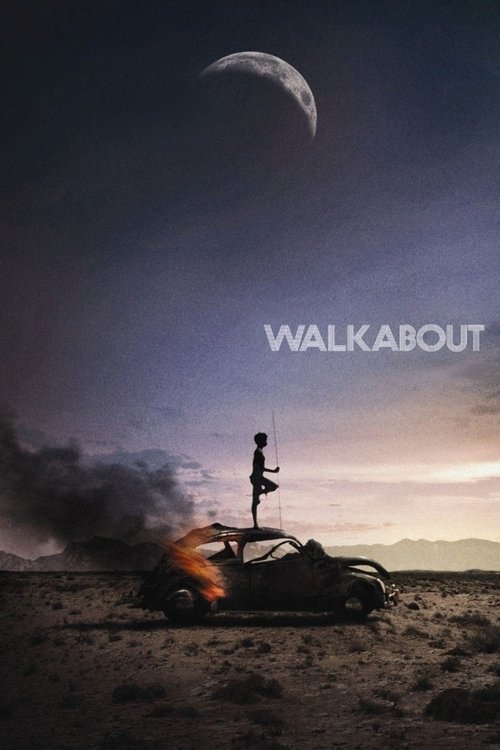
Mama begins with a crazed father failing in his attempt to murder his two children before turning the gun on himself (an homage to the opening of Nicolas Roeg's Walkabout?).
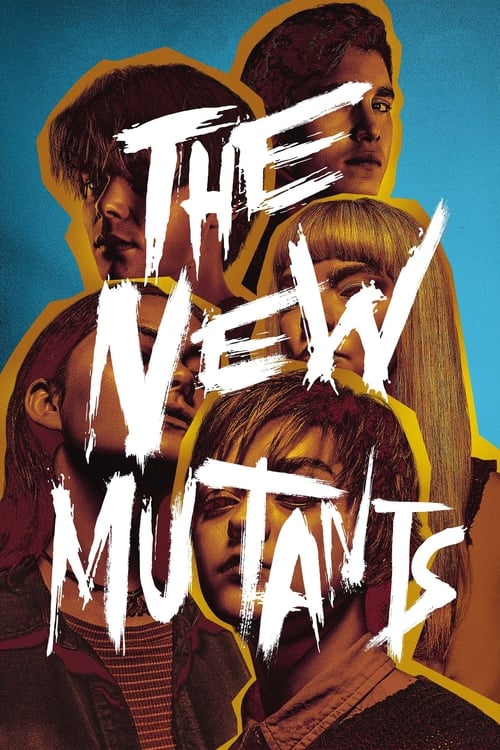
“The New Mutants” relies on audiences being too young to get the references; they won’t necessarily pick up on the idea that he’s stolen the premise from “It” and “Nightmare on Elm Street 3: Dream Warriors” and “Young Sherlock Holmes,” in which a small group of young people face terrifying projections of their worst fears.
You can tell “The New Mutants” is desperately trying to find its place in the world, when the film was made in 2016 (orginally scheduled to come out in 2018 but then underwent supposed “reshoots” to make it scarier because “It” was a huge success) it was pitched as an edgy spinoff akin to “Logan” where Fox and producer Simon Kinberg could eventually mold these characters into a cinematic universe all their own.
The movie isn’t even as scary as it could be, a fact that could be explained by the need to maintain a PG-13 rating, but in the end we’re only reminded of recent teen horror ensembles like It that worked much better.
Initially lensed in 2017, it was then reshot to up the horror quotient after the success of Get Out and the first It (and then toned down when it got too supposedly frightening), and further hold-ups were due to Disney’s sale of Fox, the release of Dark Phoenix itself and, but of course, COVID-19.
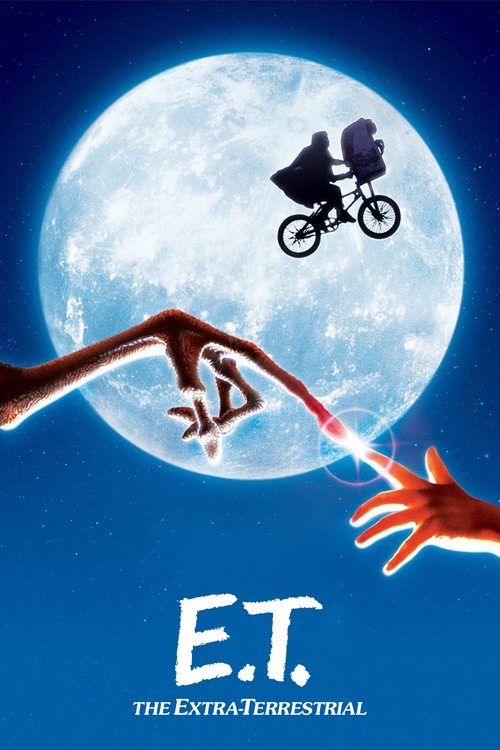
The way the movie is filmed and the way the young characters humorously interact intentionally replicates the look and feel of '80s Steven Spielberg directed/produced movies like E.T. and, especially, The Goonies.
Especially if it falls into that brief window between, say, E.T. and The Goonies.
It’s like someone threw The Goonies and Stand by Me and The Lost Boys and Poltergeist in a blender with a smidge of E.T. and a pinch of John Hughes to make an 80s smoothie.
"It" recalls "Stand by Me," "E.T.," "Carrie," "Alien" and "A Nightmare on Elm Street," among others.
It's "Back to the Future" and "E.T." and "The Breakfast Club," Robert Zemeckis' small-town dramas and Steven Spielberg's suburban dreams and John Hughes' angsty adolescents.
The gang has a real sense of camaraderie; they feel like a group of real kids and you buy into their world, the same way you buy into the “Stranger Things” group, or the “Stand by Me” kids or the children in “E.T.” (It’s a sense of wonder that J.J. Abrams wanted to tap into but couldn’t quite nail in “Super 8.”) The kids are right in that zone of innocence where they’re young enough to start developing feelings for the opposite sex but don’t yet know what to do about it — there’s a great scene where the boys all stare agape at Beverly while she lies out in the sun in her underwear — and the story is set long enough ago that it has a sense of nostalgia about it.
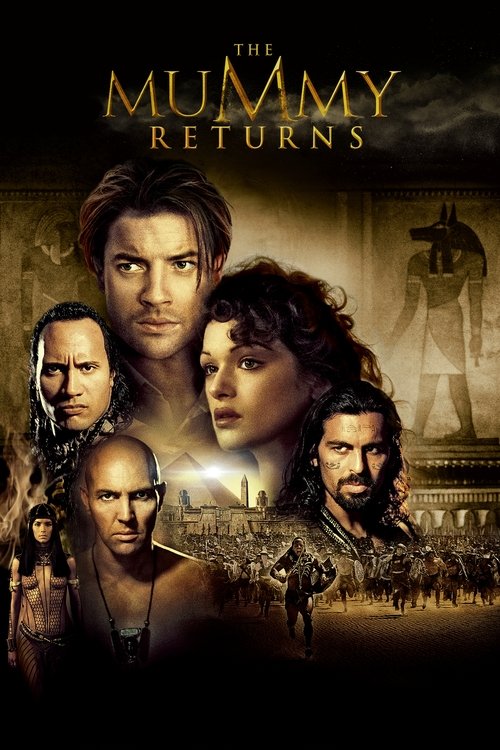
There are other scenes in the “chronobowl”—the junction between different parallel universes—where actors have jarringly fake faces that remind one of nothing so much as the infamously awful CGI Dwayne Johnson in 2001’s The Mummy Returns .
Even if you were to ignore what ethical boundaries it may or may not cross, the film can’t escape the fact that it frequently features rubbery VFX and CGI-recreations of moments and characters that make them look like The Scorpion King from Stephen Sommers’ The Mummy Returns .
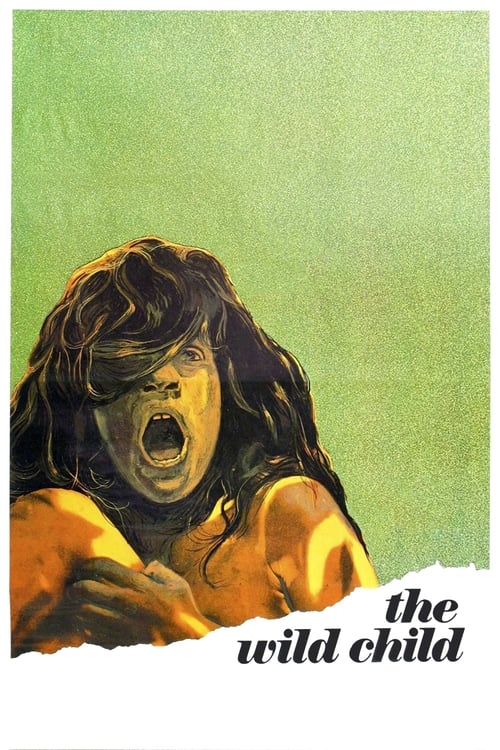
One irresistible parallel is not to Mr. del Toro's work but to François Truffaut's transcendently beautiful "The Wild Child," in which Truffaut himself played Dr. Itard, the physician who undertook to civilize a feral boy discovered in the forests of 18th-century France.
Companion viewing: "Devil's Backbone," "The Orphanage," "Sinister," "The Wild Child"…
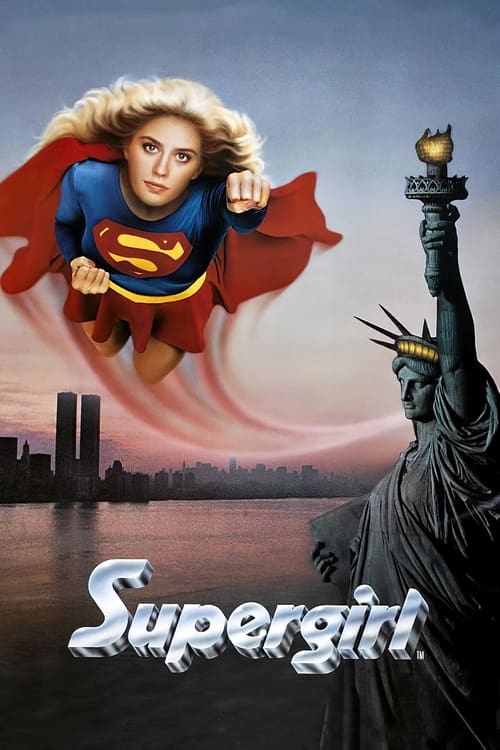
There, Christopher Reeve’s Superman stands side by side with Helen Slater’s Supergirl , while Nicolas Cage’s aborted take on the Man Of Steel is able to fight giant spiders in space while a dozen other characters and actors whiz by in a…um…flash.
Et quant à réactiver la nostalgie, autant faire appel à des effets numériques pour convoquer à la fête Helen Slater (la Supergirl des années 80) et même le regretté Christopher Reeve.
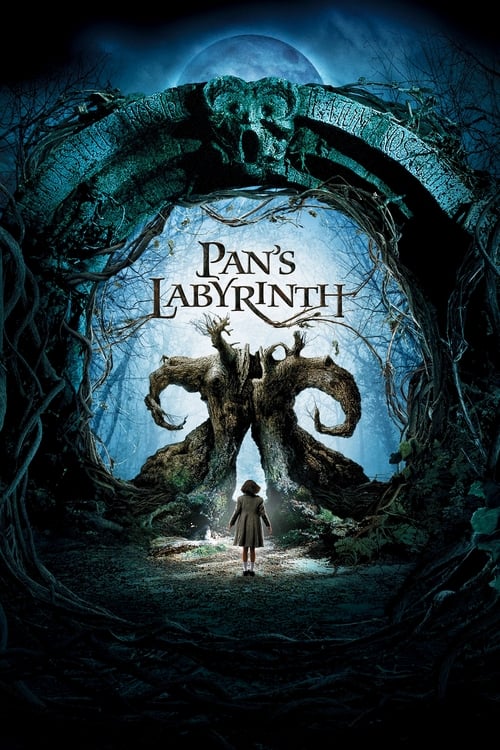
Del Toro's influence here is only glancingly apparent (there's a fleeting echo of Pan's Labyrinth ).
Del Toro, whose work includes the eerily enchanting “Pan’s Labyrinth” and the numerous “Hellboy” movies, has inspired many of today younger horror directors with his distinctive creepy, earthy style.
You can feel the imprint of the film’s guardian angel, executive producer Guillermo del Toro, but his touch is too light to help “Mama” cast the mystical, magical spell of his Oscar-winning “Pan’s Labyrinth.”
Producer Guillermo del Toro (who directed the evocative "Pan's Labyrinth") should have let more things stay ambiguous and encouraged first-time director Muschietti to concentrate on the mood.
Guillermo del Toro — the director of such minor masterpieces as “The Devil’s Backbone” and “Pan’s Labyrinth” — weakens his sphere of influence by producing a sorely underdeveloped horror movie that manufactures scares from the crudest of tropes.
"Mama" was produced by Guillermo del Toro, the masterly Mexican director of such action fantasies as "Mimic," "Hellboy" and the memorably lyrical "Pan's Labyrinth."
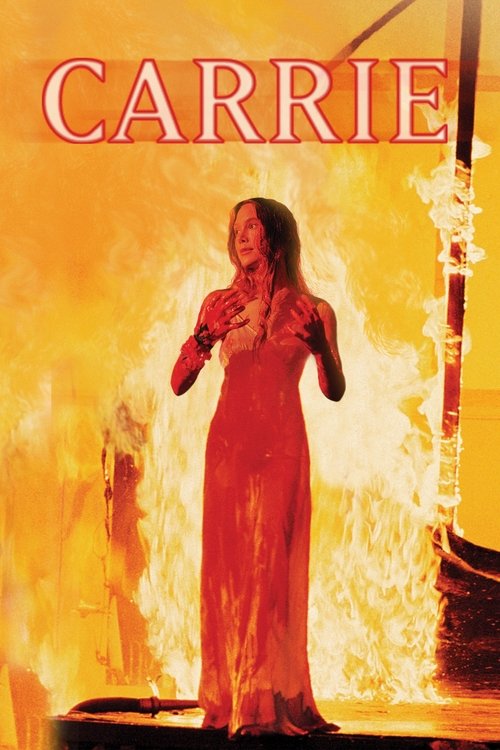
Each member of the Losers Club encounters Pennywise in a different form corresponding to their individual fears, from Beverly’s “Carrie”-like encounter with blood bursting from a sinkhole to the gooey leper that chases Eddie through a yard, and these encounters stand out as masterstrokes of cinematic shock effects.
While the film sometimes uses suspense as a tool, it more often dives head-first into dramatizing King’s grislier flights of fancy, from a child’s arm being ripped off to a fountain of blood that puts the bucket in Carrie to shame.
…features the kind of perceptive storytelling about teenagers that turned King adaptations such as Carrie and Stand By Me into classics.
His horror-related films have been of variable quality, with the best two being (arguably) The Shining (King would disagree) and Carrie.
It's a gamble so many writers and directors have taken with a few ("Salem's Lot," "Carrie," "Misery") proving to be winners.
It wants to be a cultural movement, The Shining, Carrie or Misery of its time, all films based on Stephen King novels.
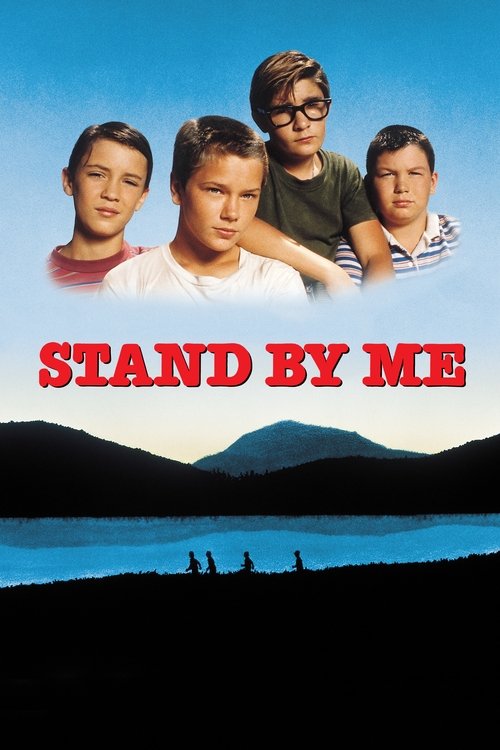
It's the horror film version of "Stand by Me," a nostalgic tale of seven bullied kids who stand up to the evil force that shows up every 27 years to engineer a slew of deaths and people missing - 102 gone over the years, 88 of them children.
There’s more than a whiff of Stand by Me about the newer movie, not only because of thematic similarities between that film’s source material and It, but also thanks to Muschietti’s killer cast—a deft collection of teenaged talents that seem destined to break big à la Wil Wheaton, River Phoenix, Corey Feldman, and Jerry O’Connell.
…features the kind of perceptive storytelling about teenagers that turned King adaptations such as Carrie and Stand By Me into classics.
Longtime friend and former Bullz-Eye contributor Will Harris said that there is a fair amount of “Stand by Me” DNA in “It,” and damned if he isn’t dead on the money.
King fans will note that the best movie adaptations of the writer’s work have been his non-horror stories: Stand by Me , The Shawshank Redemption , Misery, The Green Mile.
(“It” may not rival “Stand By Me,” but that movie is clearly an inspiration.)
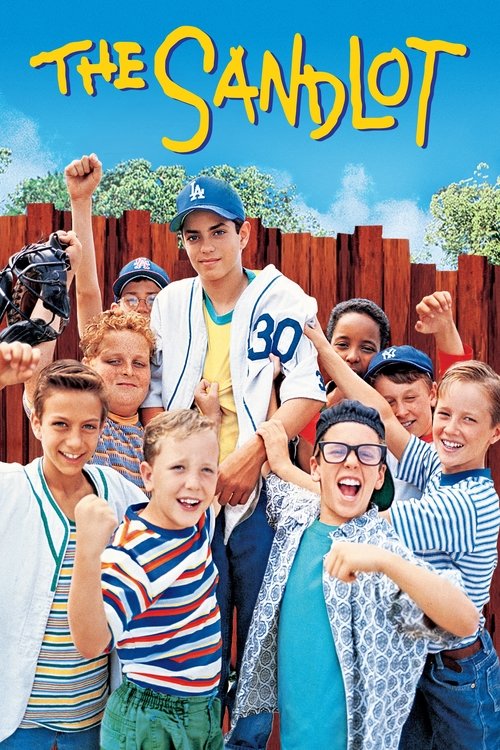
The Sandlot (1993)
Directed by David Mickey Evans
influenced It (2017)
Plot Themes Characters Dialogue
A drugstore heist or a swim at the quarry could easily have been lifted from any coming-of-age movie, like “The Sandlot” or “The Kings of Summer.”
The performances really help elevate “It” in to a coming of age film in the vein of “Stand By Me,” and “The Sandlot,” as the entire young cast are absolutely fantastic.
Chase Palmer and Cary Fukunaga‘s screenplay carves out colorful and relatable characters that feel like an eclectic mix of those in “Stranger Things” and The Sandlot.
The remainder of the late-1980s-set film works best as a period comedy, with sassy one-liners reminiscent of "Stand by Me" and "The Sandlot."
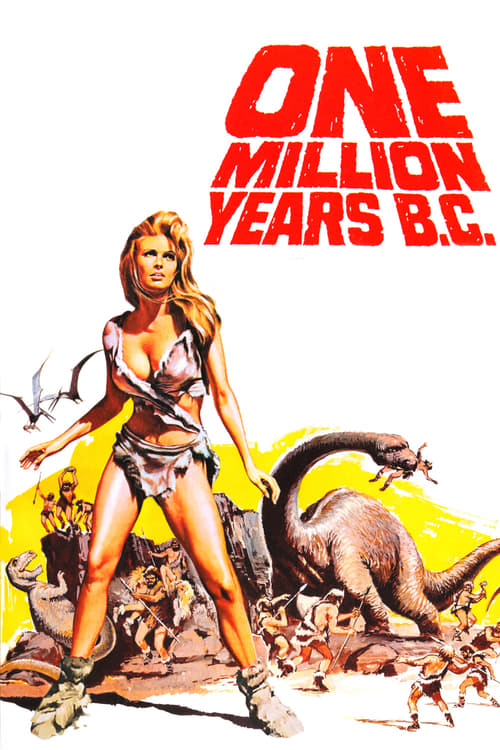
There's a strange detail where Barry has that Raquel Welch One Million Years B.C. poster on his wall--the last poster Andy uses to cover his escape hole in The Shawshank Redemption and a tribute now to a recently-passed icon.