
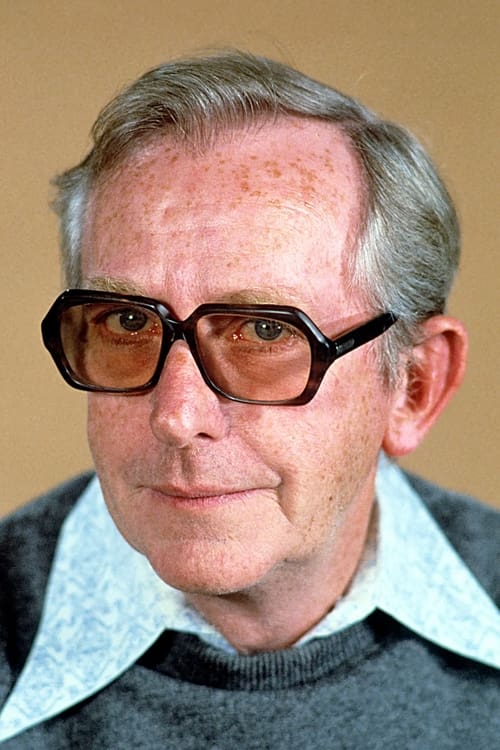
Lewis Gilbert
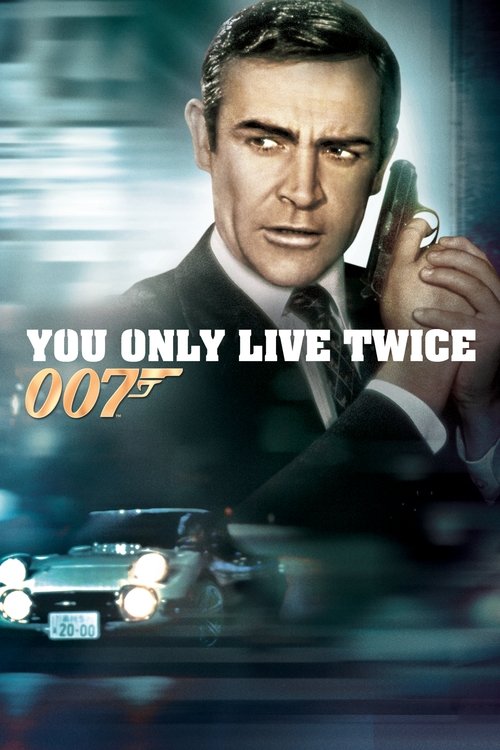
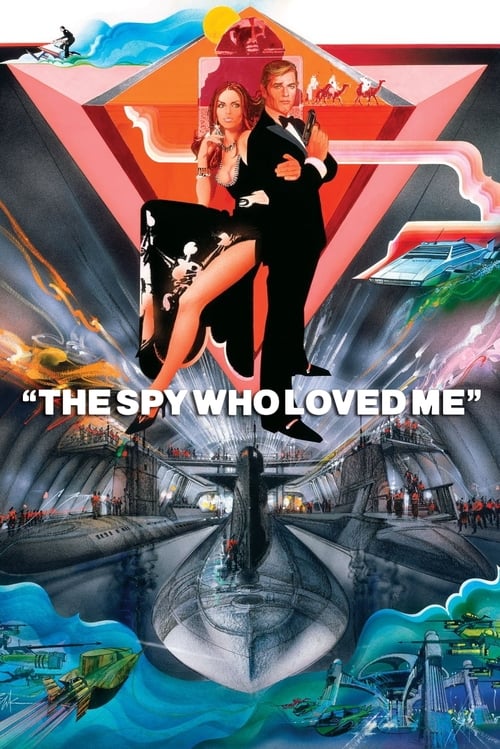


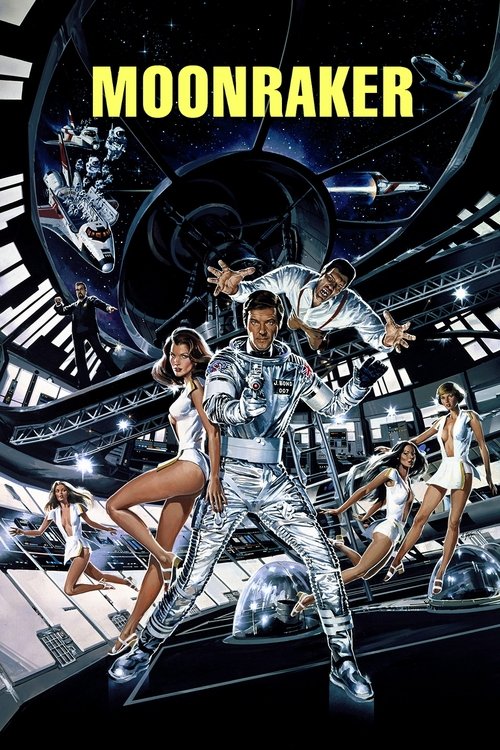

Connections, in both directions
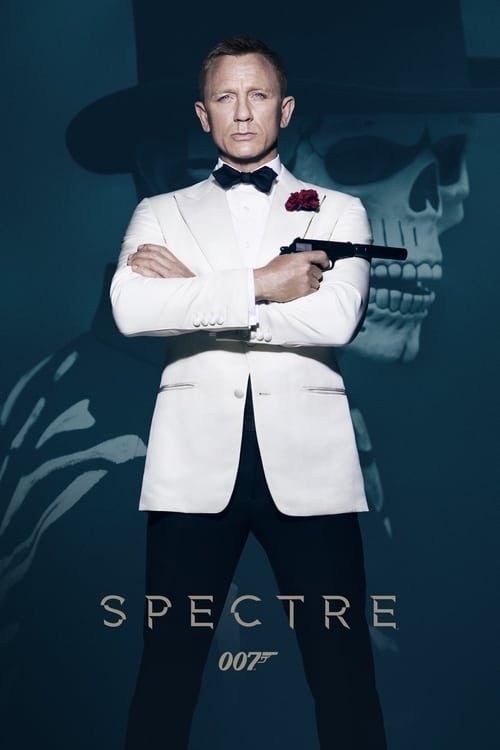
Spectre (2015)
Directed by Sam Mendes
influenced by The Spy Who Loved Me (1977), Moonraker (1979), You Only Live Twice (1967)


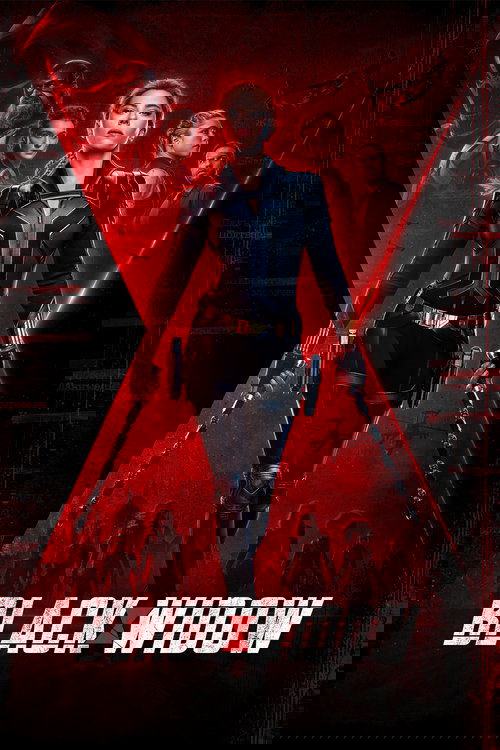

No Time to Die (2021)
Directed by Cary Joji Fukunaga
influenced by You Only Live Twice (1967), The Spy Who Loved Me (1977), Moonraker (1979)

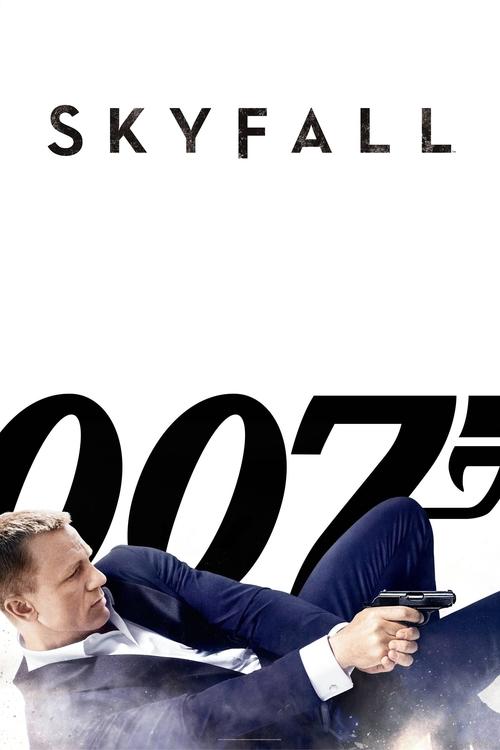
Skyfall (2012)
Directed by Sam Mendes
influenced by The Spy Who Loved Me (1977), You Only Live Twice (1967), Moonraker (1979)
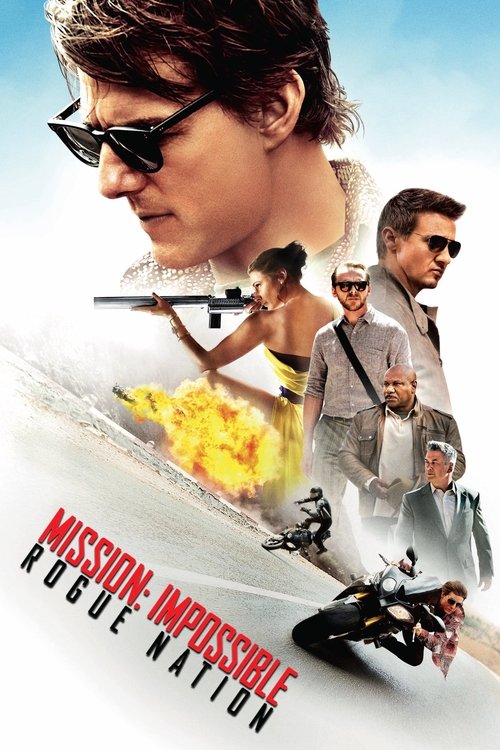
Mission: Impossible - Rogue Nation (2015)
Directed by Christopher McQuarrie
influenced by Moonraker (1979)

The Wolverine (2013)
Directed by James Mangold
influenced by You Only Live Twice (1967)

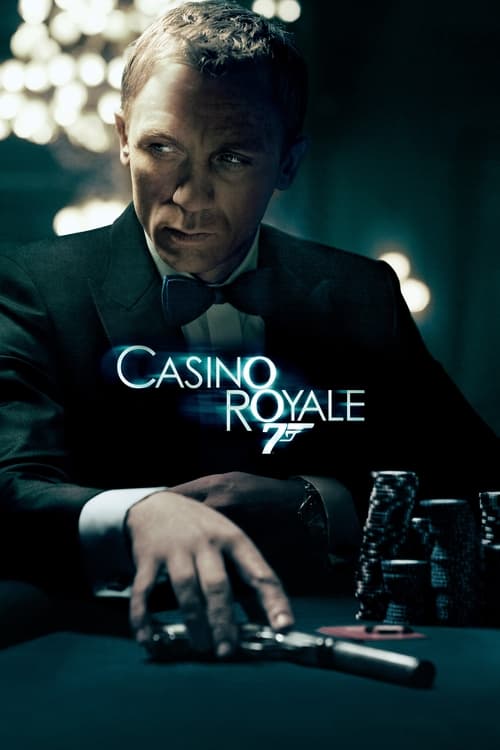
Casino Royale (2006)
Directed by Martin Campbell
influenced by Moonraker (1979), You Only Live Twice (1967), The Spy Who Loved Me (1977)
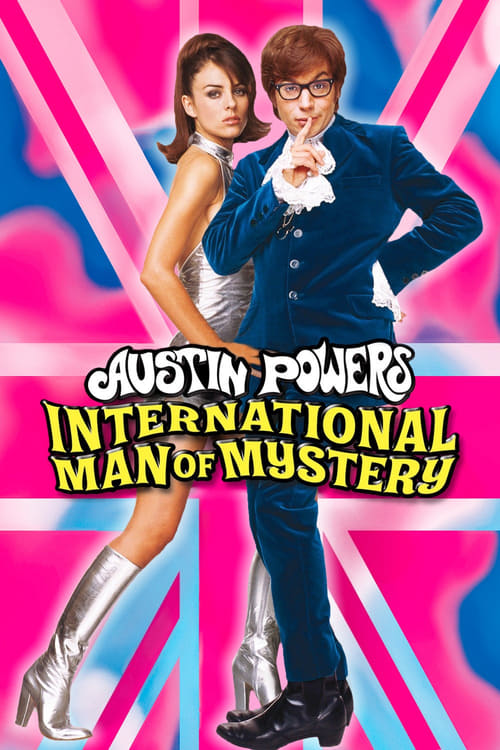
Austin Powers: International Man of Mystery (1997)
Directed by Jay Roach
influenced by You Only Live Twice (1967), Moonraker (1979), The Spy Who Loved Me (1977)



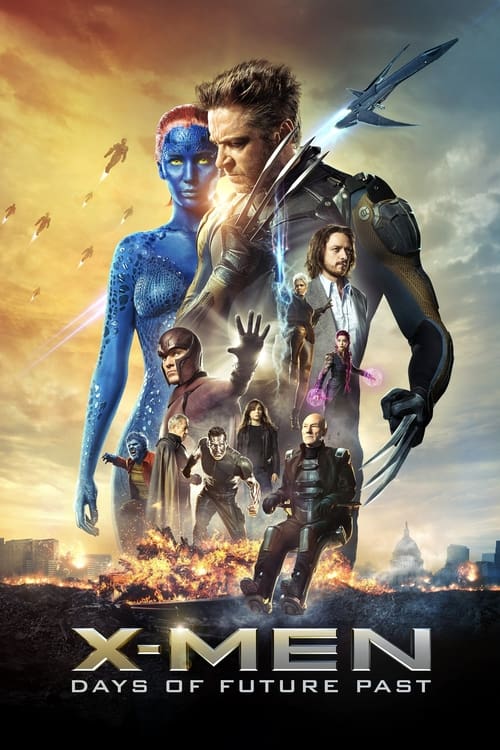
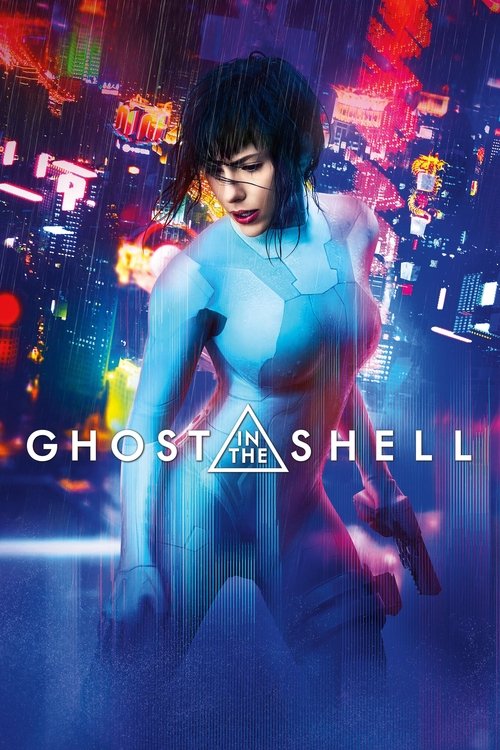
Ghost in the Shell (2017)
Directed by Rupert Sanders
influenced by You Only Live Twice (1967)
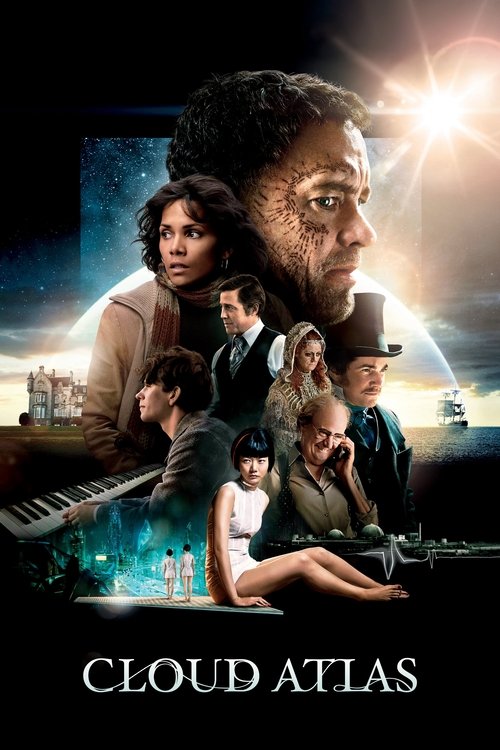
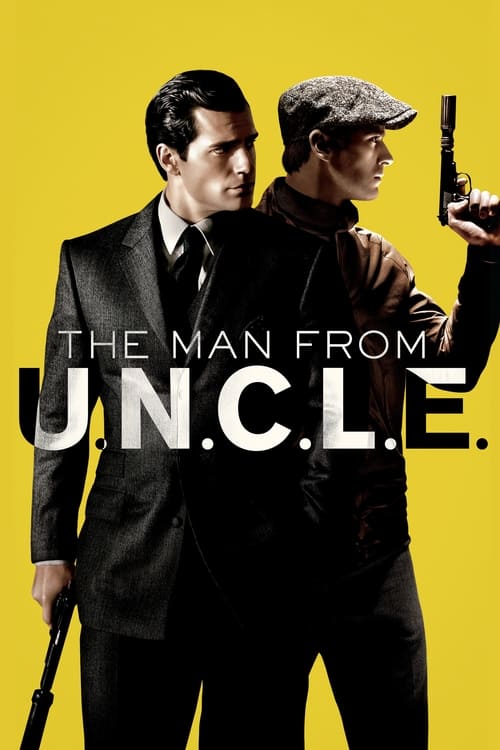
The Man from U.N.C.L.E. (2015)
Directed by Guy Ritchie
influenced by The Spy Who Loved Me (1977)