
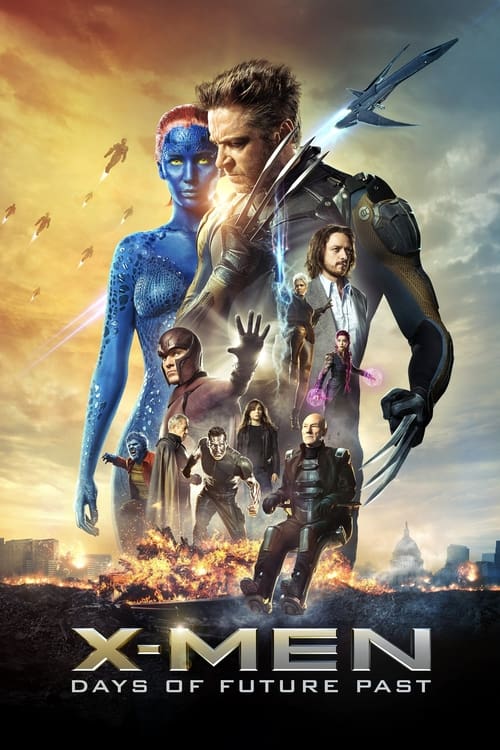
X-Men: Days of Future Past (2014)
Directed by Bryan Singer
The ultimate X-Men ensemble fights a war for the survival of the species across two time periods as they join forces with their younger selves in an epic battle that must change the past – to save our future.
33 connections found
View:
33 films that influenced X-Men: Days of Future Past
What critics say influenced X-Men: Days of Future Past

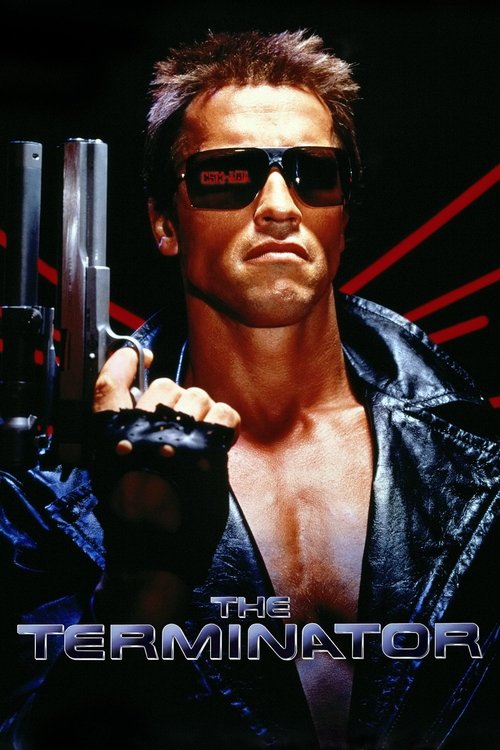


Humankind’s only hope involves the “just shut up and go with it” use of time travel, here employed in a manner (highly) reminiscent of James Cameron ’s The Terminator.
The plot borrows elements from John Byrne and Chris Claremont’s seminal comic stories, a bit of The Terminator, a dab of The Matrix, with lots of Watergate-era paranoia and funkiness thrown in for kicks.
Sure, the narrative legwork in the early minutes of Days of Future Past can be a bit convoluted and labyrinthine but it’s mostly there to set-up a time-travel story in the vein of Back to the Future or The Terminator.
In the manner of The Terminator , they’ve identified the historical schism that set the world down its current path and need Kitty Pryde to send Wolverine’s mind back to his 1973 body in order to prevent the blue-skinned Mystique (Lawrence) from assassinating Dr Bolivar Trask, a mutant-fearing scientist played by Peter Dinklage (riffing on his Game of Thrones disreputability) whose work will lead to the creation of the Sentinels – but only after Mystique kills him.
The new “X-Men” plays like “The Terminator” crossed with “American Hustle” via “12 Monkeys.”
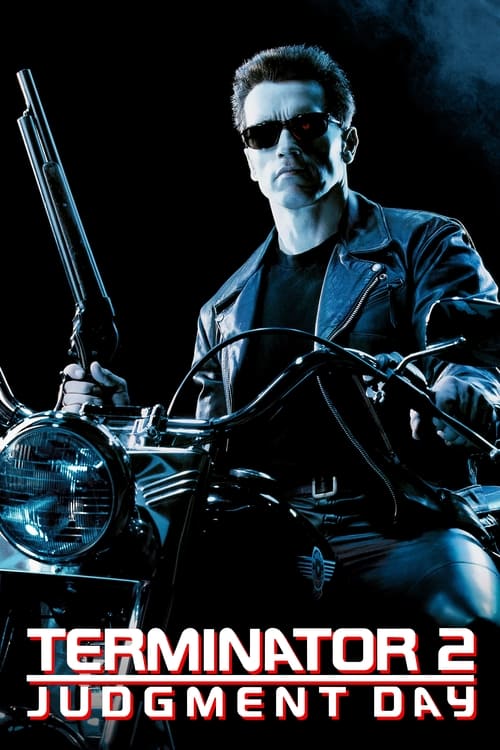
(Not to keep harping on this point, but in this case, that “better movie” is Terminator 2: Judgment Day, in which the Trask figure is Joe Morton’s Miles Dyson, unknowing would-be father of Skynet.)
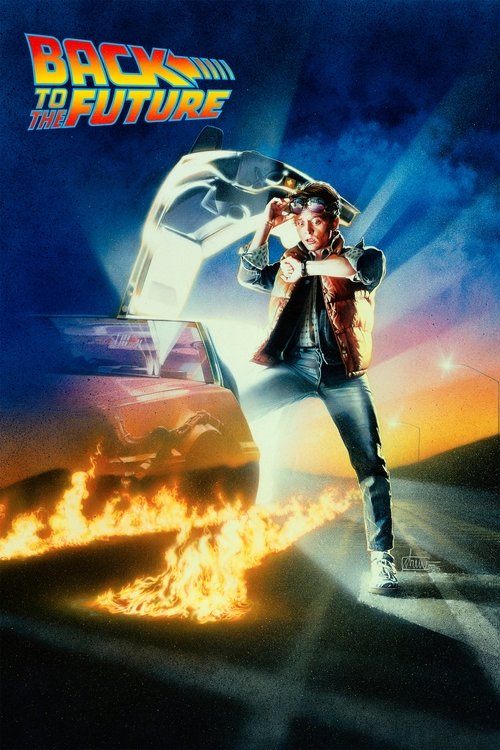
Moreover, the scene in question is lifted wholesale from “Back To The Future,” one of the X-Men awkwardly filling Marty McFly’s Nikes.
Sure, the narrative legwork in the early minutes of Days of Future Past can be a bit convoluted and labyrinthine but it’s mostly there to set-up a time-travel story in the vein of Back to the Future or The Terminator.
Due to Back to the Future like meddling in the space time continuum, whole chunks of X-Men cinematic canon (mainly The Last Stand and X-Men Origins: Wolverine ) are erased due to Wolverine’s actions setting off a butterfly effect.
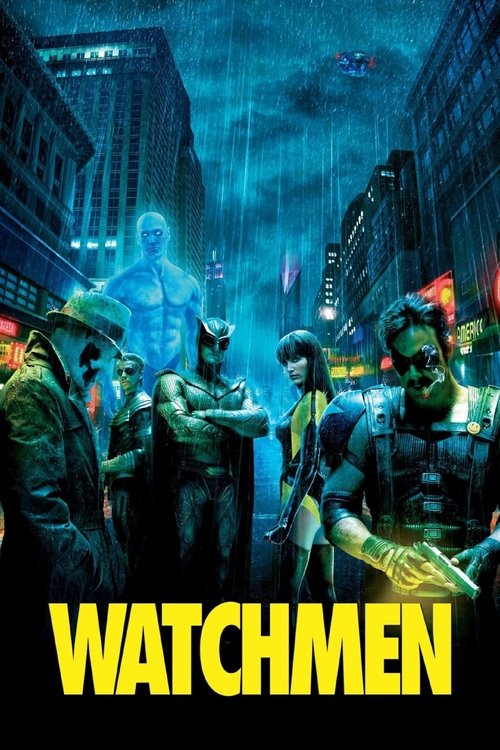
Make no mistake, this is an adult comic-book movie: It's violent, heady and full of historical references, creating an alternate history interwoven with real-life events that mirrors the densely drawn alternate America so perfectly conceived by Alan Moore in Watchmen.
Singer offers up a different texture for these scenes, one that reminds of Zack Snyder’s work on Watchmen, with visually inventive tableaus peeking inside the mutant perspective.
Zany history-rewriting threads involving Nixon and Kennedy ensue and there’s a neat Vietnam spin reminiscent of Zack Snyder’s “Watchmen,” and a follow-on in Paris that intrigues, but the developing action becomes a tedious waiting game pulling the whole construct down and the flashing to and fro begins to take its toll.
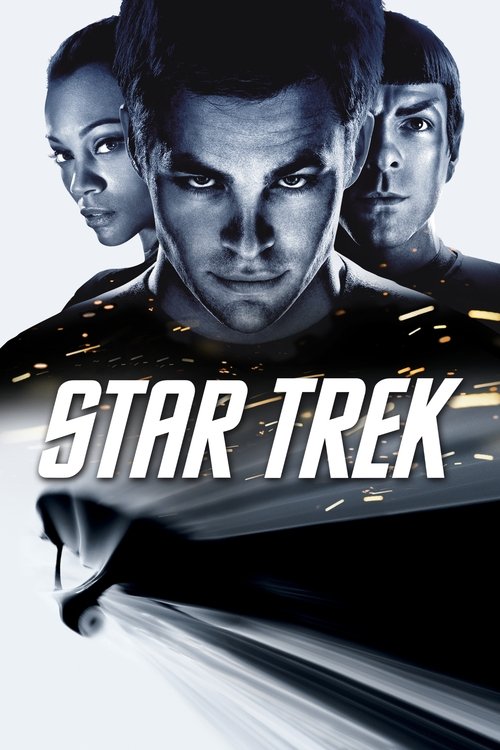
To do this, he has taken a page from J.J. Abrams' Star Trek handbook - use time travel and the concept of multiverses and have a familiar presence provide the linkage.
This back-to-the-future problem is handled with a high degree of ingenuity in Bryan Singer’s $250 million action spectacle “X-Men: Days of Future Past,” a movie about the erasure and/or replacement of the past that combines the casts of the original and rebooted X-Men franchises, rather like whichever “Star Trek” movie it was where Capt.
“X-Men: Days of Future Past” borrows a bit from the “Star Trek” reboot.
There’s a quick, significant shot in X-Men: Days of Future Past in which the original Star Trek series is clearly referenced.
The film even pays homage to the “Star Trek” creator by showing an old TV with a scene from the original series with William Shatner.
Taking a cure from 2009’s Star Trek , this film uses the device of a trip into the past to potentially rewrite the history of the franchise.
Advertisement

The film combines the best of X: the old wounds of the original crew, including Professor X (Patrick Stewart) and Magneto (Ian McKellan), with the dynamic cast of 2011's X-Men: First Class, who deepened and complicated the rather simplistic story of "good" mutants vs. "bad."
Only a pat, “wipe the slate clean” ending and too many inevitable echoes of “X-Men: First Class” let it down a bit.
He does himself proud, combining the pow of his early films with the game-changing playfulness of Matthew Vaughn's 2011 X-Men: First Class , which introduced James McAvoy as the boyish version of Patrick Stewart's telepathic Professor X and Michael Fassbender in a youthful take on Ian McKellen's metal-bending Magneto.
The scene where Russian and Vietnamese military brass celebrate the impending Paris Peace Accords by partying in a French discotheque to “Stop in the Name of Love” en français recalls Matthew Vaughn’s ’60s-set X-Men: First Class, whose groovy first half is still the most enjoyable X-Men movie ever made.
The biggest selling point for Days of Future Past is the way it combines the casts of the first three X-Men movies (of which Singer directed the first two) and the 2011 prequel X-Men: First Class (directed by Matthew Vaughn, who gets a story credit here).
You may recall that “X-Men: First Class” was set during the Cuban Missile Crisis and had some neat political surprises for us.
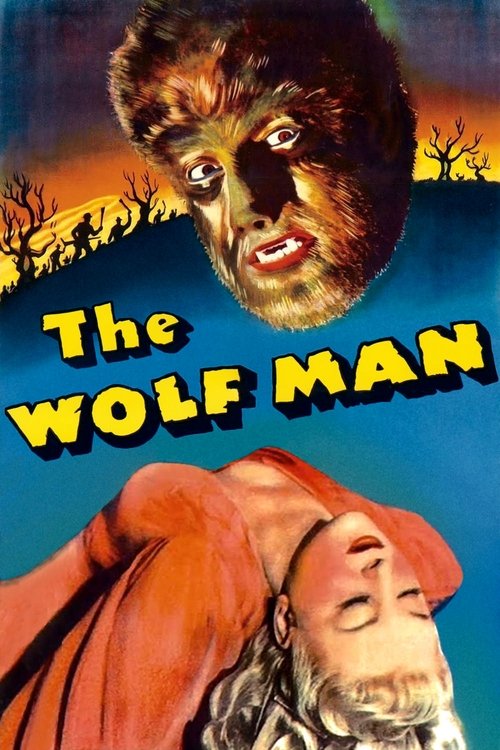
Her make-up effects are vastly improved over “First Class,” as are those used to turn Nicholas Hoult into Beast, Singer even throwing in an homage to “The Wolf Man,” a clear inspiration for the character.
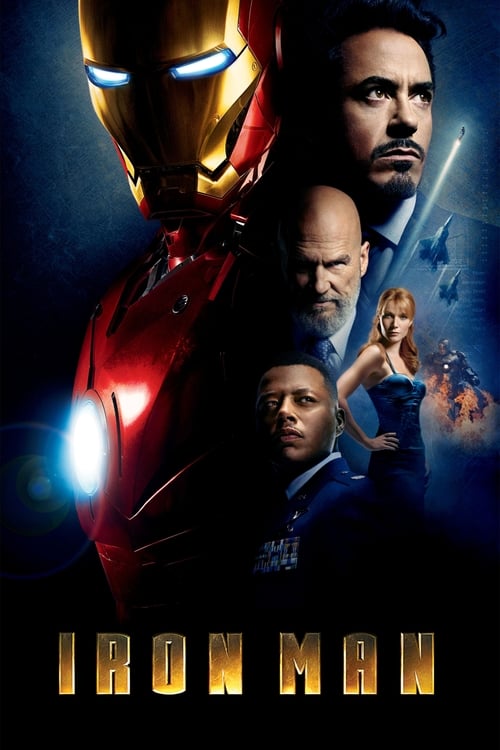
Beyond its specific callbacks to X-Men and X2 , Future Past is also reminiscent of Singer’s earlier movies in its ungainly plot structure and momentum-killing bouts of exposition, which have only grown more pronounced with passage of time and the appearance of such swifter, nimbler Marvel movie fare as Sam Raimi’s Spider-Man and Jon Favreau’s Iron Man .
It certainly felt ready for retirement at the conclusion of Brett Ratner ’s X-Men: The Last Stand (2006), a sequel so over-amped and underfed that it mothballed the series, allowing 2008’s first Iron Man movie to usher in the era of Marvel-produced spandex spectaculars.
“X-Men: Days of Future Past” (rated PG- 13 for sequences of intense sci-fi violence and action, some suggestive material, nudity and language) offers the best film in the “X-Men” franchise but it is nowhere near the caliber of films Marvel itself is producing with films like the first “Iron Man,” “The Avengers,” and “Captain America: Winter Soldier.”
Bryan Singer started the X-Men franchise back in 2000, establishing the first of the modern era of hero franchise films, pre-dating Iron Man and The Avengers team films by eight years.
In a pre–Batman Begins, pre–Iron Man world, the two Singer films felt like breakthroughs because they weren’t actively offensive and didn’t seem ashamed of their source material.
By exploiting her DNA and plugging it into his drones, Trask is able to evolve “Iron Man”-looking robots of the past into truly destructive, shape-shifting machines in the future who are actually able to kill mutants.
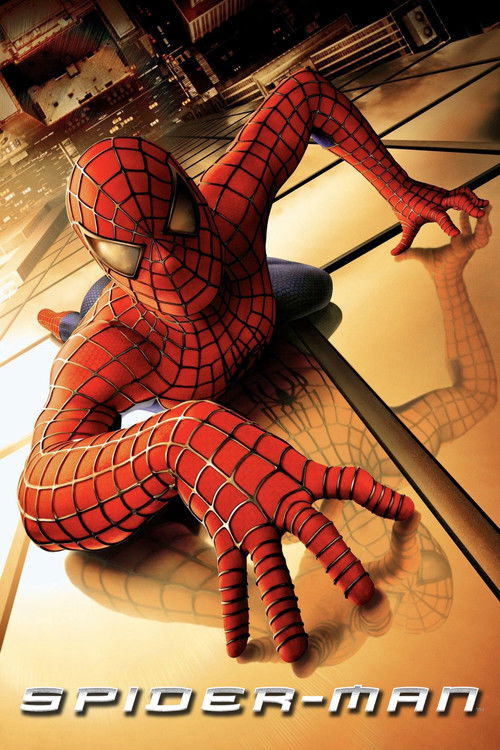
Beyond its specific callbacks to X-Men and X2 , Future Past is also reminiscent of Singer’s earlier movies in its ungainly plot structure and momentum-killing bouts of exposition, which have only grown more pronounced with passage of time and the appearance of such swifter, nimbler Marvel movie fare as Sam Raimi’s Spider-Man and Jon Favreau’s Iron Man .
And while “Days” is every bit as overstuffed — this thing has mutants the way Donald Sterling has problems — it works in ways “Spider-Man” could only dream of.
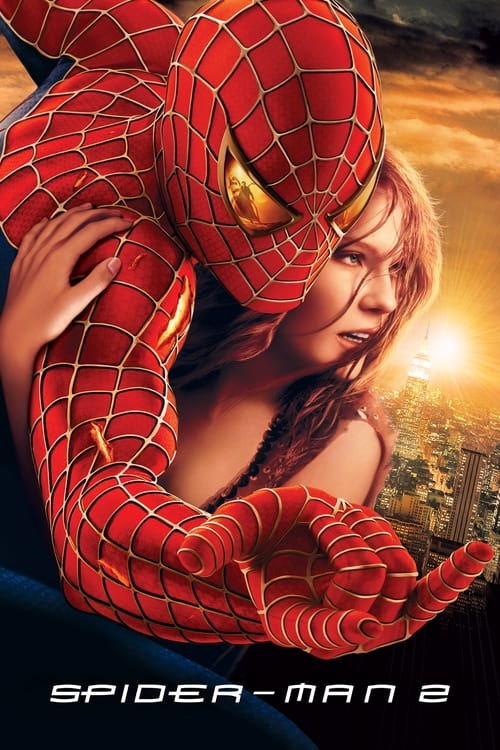
The year’s best superhero film, however, is Bryan Singer’s “X-Men: Days of Future Past,” also from the Marvel lexicon, and arguably the best single movie to bear that name since the sterling “Spider-Man 2.” Like that modern classic, this sequel is genuinely concerned with the agency of its characters and the ramifications of their actions, and is alternately thought-provoking, philosophical, and politically conscious.
And therein lies what separates "X-Men: Days of Future Past" from the tag-the-bases likes of "Spider-Man 2." "Days of Future Past" toys with history, but stays true to its outsider roots, expressing them with conviction and a sense of narrative sure-footedness.
Advertisement
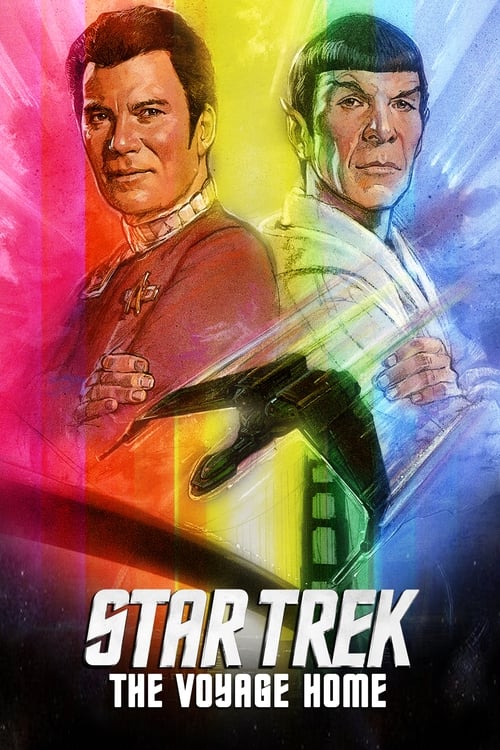
Captain Kirk and company tinkered with time travel to help out the whales in "Star Trek IV: The Voyage Home."
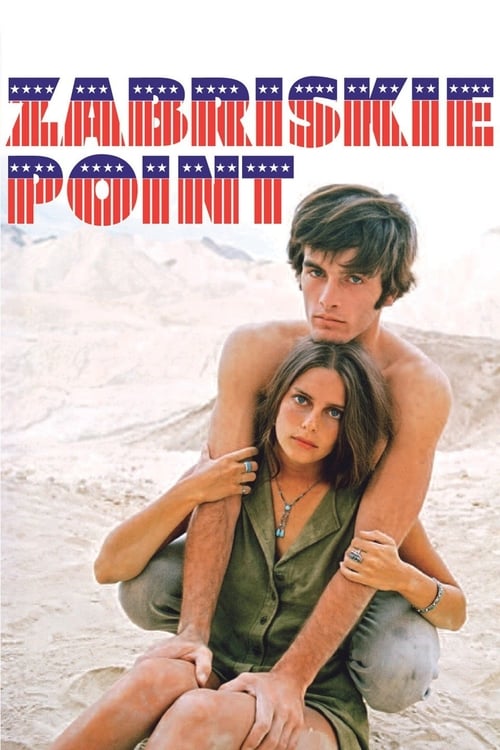
(It’s the Rube Goldberg version of the end of Antonioni’s “Zabriskie Point.”)