
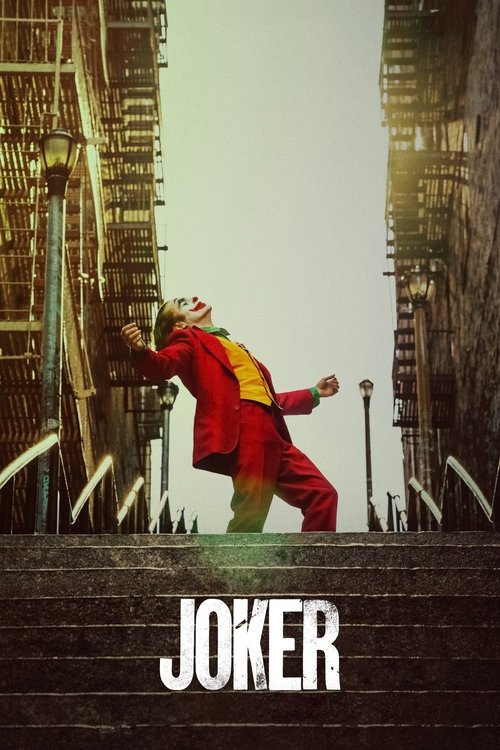
Joker (2019)
Directed by Todd Phillips
During the 1980s, a failed stand-up comedian is driven insane and turns to a life of crime and chaos in Gotham City while becoming an infamous psychopathic crime figure.
115 connections found
View:
115 films that influenced Joker
What critics say influenced Joker
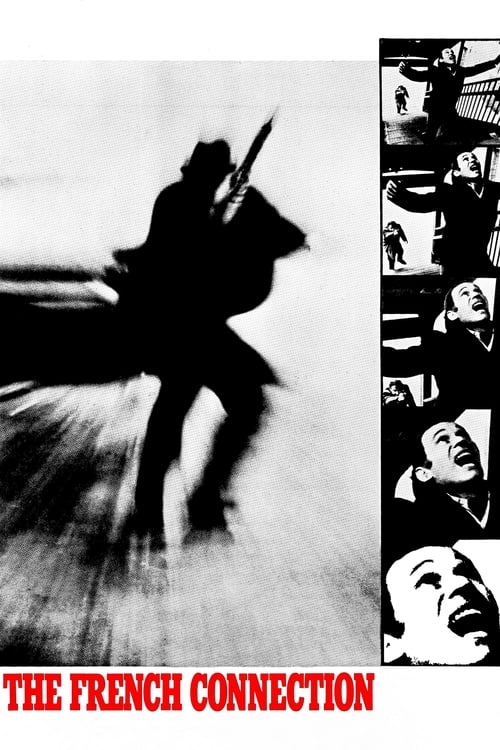


Phillips’ Joker is brazen in its open homage to Martin Scorsese’s Taxi Driver and The King Of Comedy but it also has certain moments which echo visual cues from William Friedkin’s 1970s masterworks, The French Connection and The Exorcist .
There are also two extended subway sequences: one in which Arthur uses his gun for the first time, and another in which, pursued by police, he ducks in and out of the carriages, as if in homage to “The French Connection” (1971).
Even the first violent scene in the subway harkens back memory of The French Connection.
It might still be called Gotham, but the reference isn't even thinly veiled: This is early '70s New York during a garbage strike, as depressing, foul and pitiless as anything from Midnight Cowboy or The French Connection.
Set in the late-1970s/early-80s hinterland, Phillips pays obvious tribute to Martin Scorsese’s Taxi Driver and The King of Comedy , as well as including notes from The French Connection and Serpico .
Example: the opening in which Fleck chases thugs down the city blocks in full clown costume recalls Popeye Doyle giving chase in a Santa outfit in The French Connection .
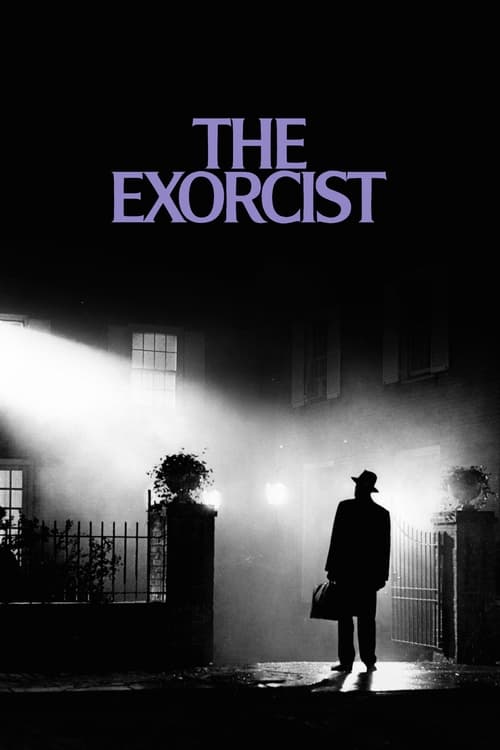
Phillips’ Joker is brazen in its open homage to Martin Scorsese’s Taxi Driver and The King Of Comedy but it also has certain moments which echo visual cues from William Friedkin’s 1970s masterworks, The French Connection and The Exorcist .
That’s richer still because, ah, yes, very good, here comes the Joker, resplendent at long last in full costume and iconically alluring fright makeup, traipsing down a giant staircase that depending on your brain chemistry will evoke either The Exorcist or Big Little Lies , that inescapable goddamn duh-duh-duh-duh-duh , HEY! reverberating through the theater as you bury your head in your hands.
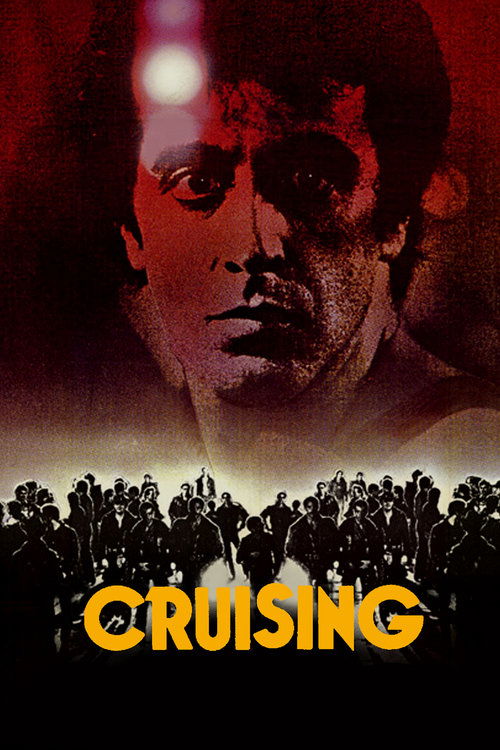
Many of the Americanist classics, from John Schlesinger’s Midnight Cowboy to William Friedkin’s Cruising owe some degree of fidelity to Wolfe’s brand of nihilistic lonerism.
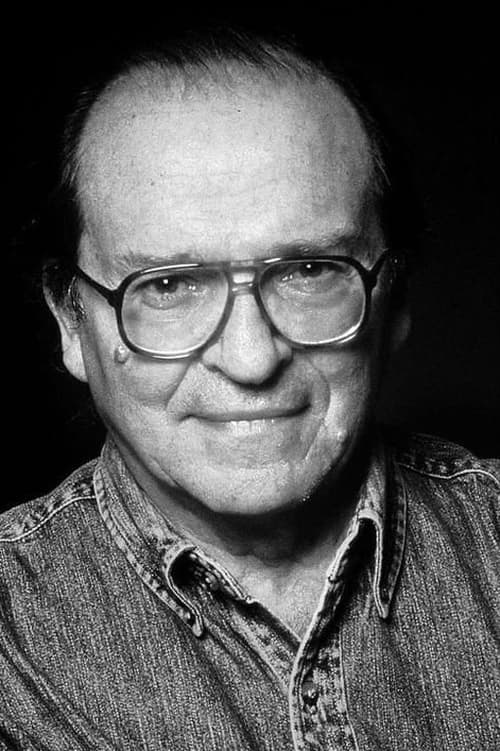
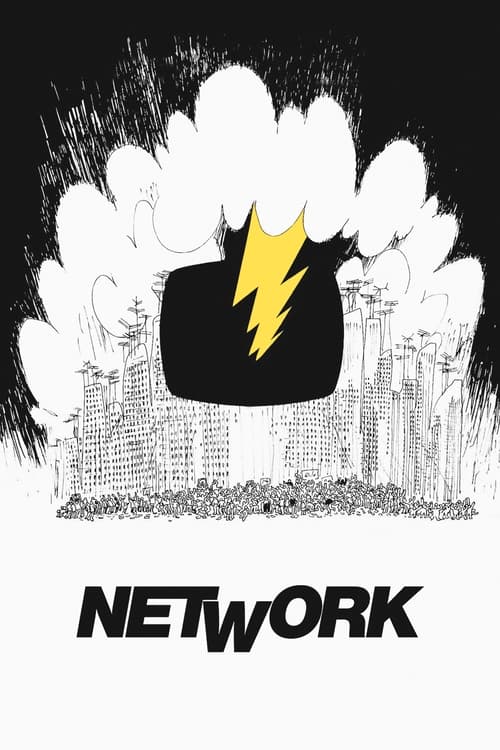
Phillips wears his inspirations more proudly than Quentin Tarantino, but where Tarantino finds reverence in his source material and, more importantly, understands the tone of those inspirations, Phillips perverts and twists the meaning of all his homages, from Taxi Driver to Network .
In a climax channelling Network (1976), Fleck says ‘you decide what is right and wrong like what is funny or not’.
It is saturated with homages to Scorsese’s Taxi Driver (1976) and King of Comedy (1982), as well as other films of that era like A Clockwork Orange (1971) and Network (1976).
Phillips’ greatest trick is making Joker look like a gritty character study from the 1970s, inspired by the films of Martin Scorsese ( Taxi Driver ), William Friedkin ( The French Connection ) and Sidney Lumet ( Network , Serpico ) but it’s nothing more than a poor imitation.
There are sly nods to key 1970s texts such as Sidney Lumet’s Network , alongside movie theatre marquees advertising such early-80s releases as Blow Out and Zorro, the Gay Blade .
There are also nods to Sidney Lumet’s Network , twisting that film’s anarchic glee to the tyranny of mob violence, shifting allegiances in fascinating ways.

Phillips’ greatest trick is making Joker look like a gritty character study from the 1970s, inspired by the films of Martin Scorsese ( Taxi Driver ), William Friedkin ( The French Connection ) and Sidney Lumet ( Network , Serpico ) but it’s nothing more than a poor imitation.
The films he’s referring to are “Serpico,” “Taxi Driver,” and “Network.”
Set in the late-1970s/early-80s hinterland, Phillips pays obvious tribute to Martin Scorsese’s Taxi Driver and The King of Comedy , as well as including notes from The French Connection and Serpico .
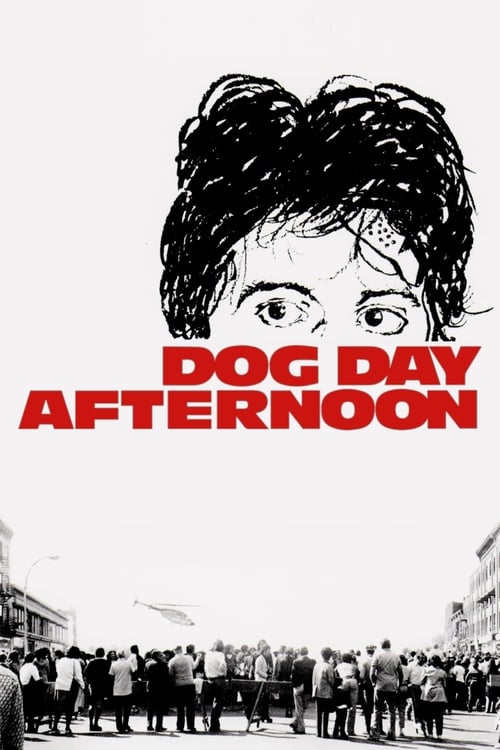
But while Phillips goes out of his way to channel the visual aesthetics of works like Dog Day Afternoon , Network , Taxi Driver , After Hours and The King of Comedy , his ends up being only a surface level dissection of these types of characters and this sort milieu.
With his open nod the New Hollywood films of the 1970s, particularly the Scorsese classics Taxi Driver and King of Comedy (but also One Flew over the Cuckoo’s Nest and Dog Day Afternoon ) writer/director Todd Phillips has offered a powerful depiction of one man’s mental breakdown in the context of a society tearing itself apart.
Instead, Joker draws on the grubby “New York Shitty” cinematic canon of the late 1960s through mid-70s – with a particular debt owed to Death Wish (1974), Dog Day Afternoon (1975), and Taxi Driver (1976).
Gotham City as envisaged here is modelled on the New York of 1970s films like Dog Day Afternoon and Taxi Driver – over-populated, crime-ridden and grimy in a manner that has since become a shorthand for cinematic integrity.
Set in the fictional Gotham City in the late ‘70s/early ‘80s, Joker is a slick, heady pastiche of The King of Comedy , Network , Dog Day Afternoon , and 80 years of DC Comics stories distilled into a supremely stylish and affecting package.

Set in a 1981 Gotham full of grimy, vertiginous shots invoking the epic gloom of the likes of Sidney Lumet’s Prince of the City , and starring Joaquin Phoenix – one of our most intense and talented screen stars – this origin story for the famed Batman villain is certainly straining for a flirtation with real-world despondency.
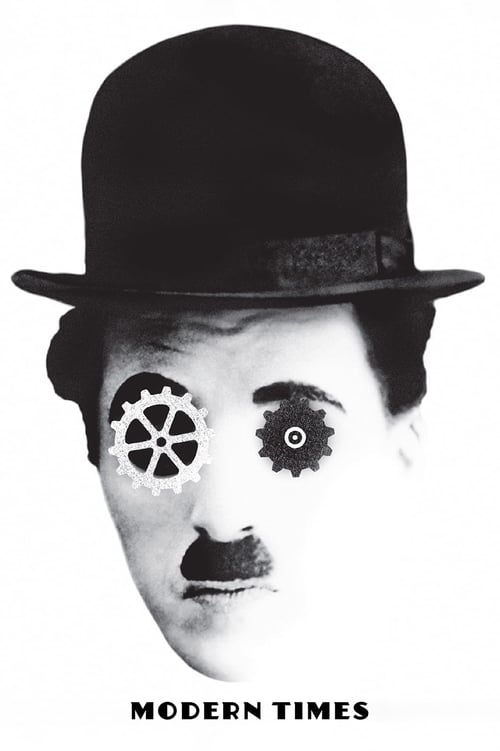
A pivotal moment where Arthur crashes a posh screening of Charlie Chaplin’s Modern Times is Phillips’s less-than-subtle reminder that it has always been the clowns in this world who reflect society’s reality back to us.
And if everybody who knows any bit of “Batman” lore knows where this is going, if the violence crosses the “repellent” line into gratuitous, if the Chaplin references (“Modern Times,” and his song “Smile”) and Sinatra notes do little to dress up an ugly age referencing an earlier ugly age, that’s all of a piece.
(These observations would be more daring if Phillips et al. didn’t wallpaper the film with their obvious influences — casting Robert De Niro as a late-night host in a King of Comedy homage and setting one scene at a theater screening of Modern Times — but what can you do?) Phoenix leans into the anarchic madness of Arthur at every turn, and it’s an affecting, disturbing lead turn, zagging into every lurch of the film’s tone with remarkable grace.
After a man in clown-face kills three yuppies on the subway, protesters take to the streets wearing clown masks and demonstrate outside a fancy benefit screening of “Modern Times” (providing an excuse for a scene in which Arthur/Joker laughs uproariously at Charlie Chaplin’s famous roller-skating scene).
Furthermore, another cringing scene sees Fleck sneak into a theatre as a bellboy while the wealthy and powerful, including Wayne, watch Charlie Chaplin’s Modern Times (1936) and presumably eat caviar.
There’s a scene in “Joker” when a theater full of tuxedoed socialites gather for a charity screening of Charlie Chaplin’s “Modern Times.”
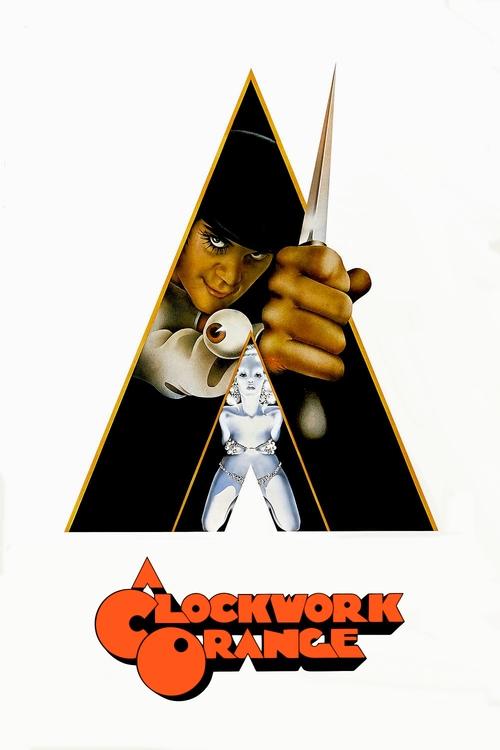
These plot points aren’t a total bust, yet the parallels between “Joker” and, say, another Warner Bros. classic “A Clockwork Orange” are immediate with supporting players, including Glenn Flesler, Brian Tyree Henry (and the always great Bill Camp), elevating their respective scenes, but Phillips borrows all his tone and look from other, better movies that you’d assume he could create a better origin tale than “man goes mad because of mental illness and child abuse.”
It is saturated with homages to Scorsese’s Taxi Driver (1976) and King of Comedy (1982), as well as other films of that era like A Clockwork Orange (1971) and Network (1976).
Phoenix’s light-on-the-toes, vaudeville-dance-like movements are reminiscent of Alex in “A Clockwork Orange.”
Stanley Kubrick even pulled A Clockwork Orange from British distribution after a series of copycat crimes.
Regardless of my mixed feelings, I think it’s the best film about the psychological effect of violence as pop art since Stanley Kubrick’s A Clockwork Orange .
In the canon of onscreen violence wrought by chillingly malevolent men, two scenes loom large: Malcolm McDowell’s macabre rendition of “Singing in the Rain” in A Clockwork Orange, and Christian Bale’s axe-swinging jive to Huey Lewis and the News in American Psycho.
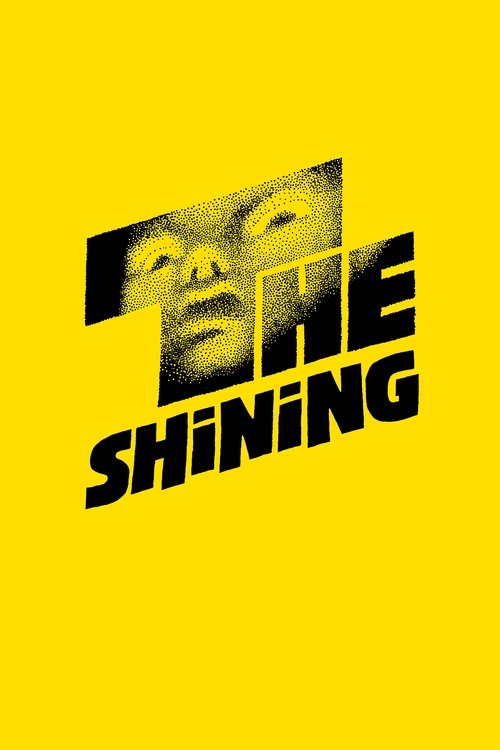
There are also elements lifted from “Death Wish,” “Network,” “V for Vendetta,” “The Empire Strikes Back,” “The Shining” and “The Purge.”
Not only does he outdo Jack Nicholson’s Joker, he is on a par here with the actor of Cuckoo’s Nest and The Shining .
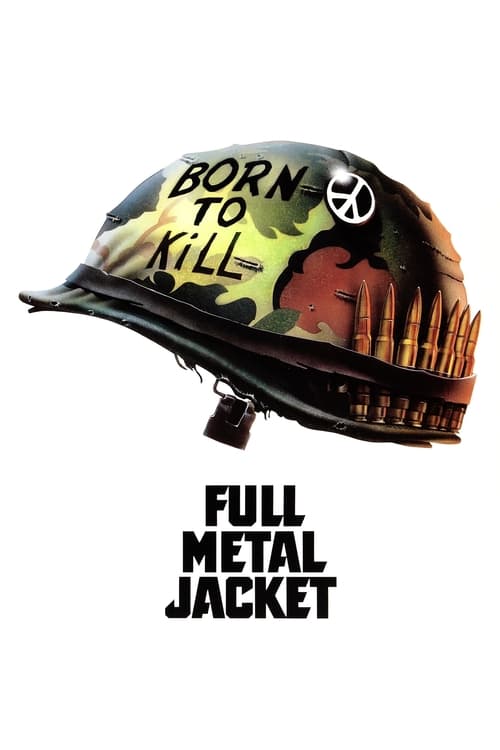
There are surely viewers who misread it, just like there are soldiers who cheer Apocalypse Now and Full Metal Jacket .
Advertisement
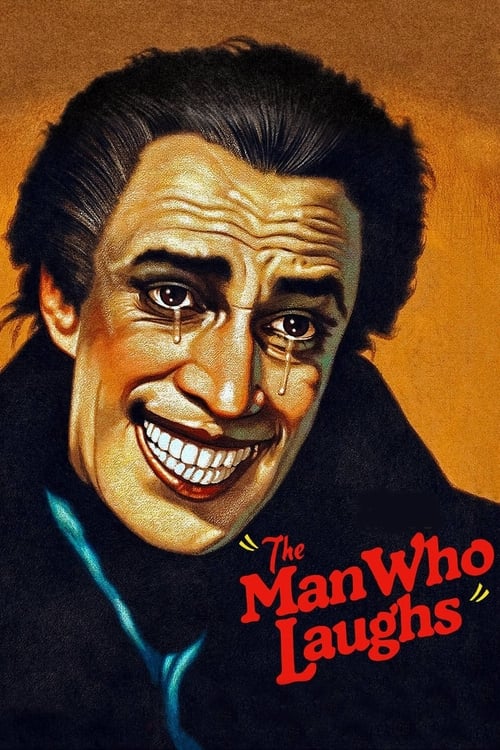
In many respects, Joker hearkens all the way back to the 1928 silent The Man Who Laughs , which inspired the comics character in the first place.
Nevertheless, just as the original Joker character was visually inspired by Paul Leni’s 1928 film, The Man Who Laughs, the new Joker draws its dark inspiration from all Batman-themed films and comics that precede it, especially Alan Moore’s 1988 graphic novel, The Killing Joke, which imagined the Joker's origins as a comedian.
Debuting in Batman’s first adventure in 1940—his appearance is said to have been based on Conrad Veidt in 1928’s The Man Who Laughs —the character helped to popularize the “sinister clown” archetype that ultimately led to Pennywise.
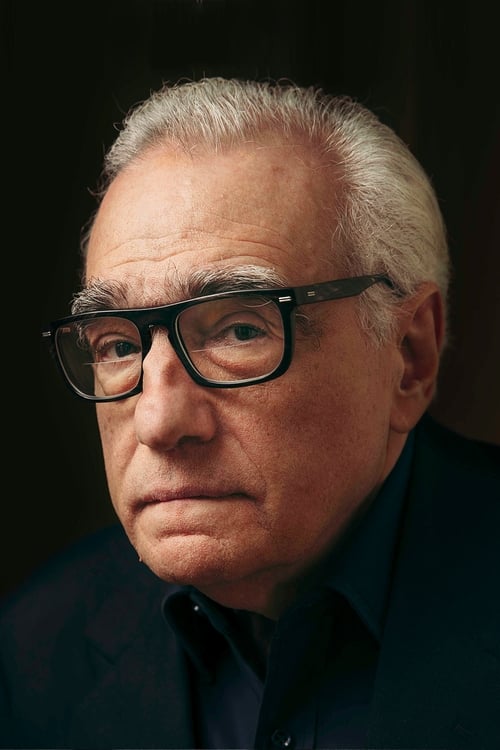
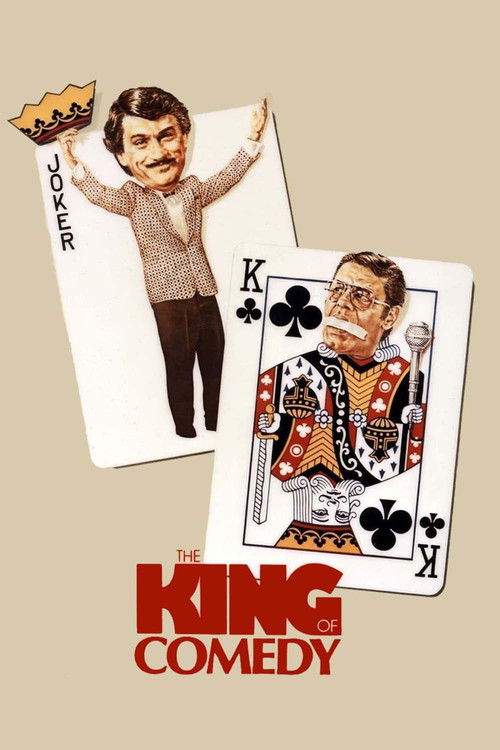
It’s not hard to deduce what classic films Phillips and long-time cinematographer Lawrence Sher borrowed for inspiration: The urban alienation of Taxi Driver and The King Of Comedy are clear thematic and visual touchstones.
Joker does indeed borrow elements from Martin Scorsese pictures (specifically, The King of Comedy and Taxi Driver, sometimes paying homage to the cinematography of both alongside sharing a similar setting) including a prominent collaborator in Robert De Niro, except it never feels like thievery considering a major component of the narrative sees Arthur Fleck investigating his own upbringing.
Though thematic and aesthetic parallels can be drawn to producer Martin Scorsese’s Taxi Driver and The King of Comedy, Joker is also inspired by the films of Sydney Lumet and Stanley Kubrick as well as the works of Ken Kesey and even Kurt Vonnegut.
He’s going for a gritty Martin Scorsese vibe — The King of Comedy specifically (most of the plot is borrowed from it), with a splash of Taxi Driver .
Todd Phillips’ direction is slick and effective, with numerous visual references and homages to the early works of Scorcese, in particular Taxi Driver (1976) and The King of Comedy (1982), the latter of which is further reinforced by the casting of Robert De Niro as talk show host Murray Franklin.
The 70s/80s setting is an homage to Phillips’ favorite gritty crime dramas such as Taxi Driver , The King of Comedy, which style/tone he heavily borrowed.
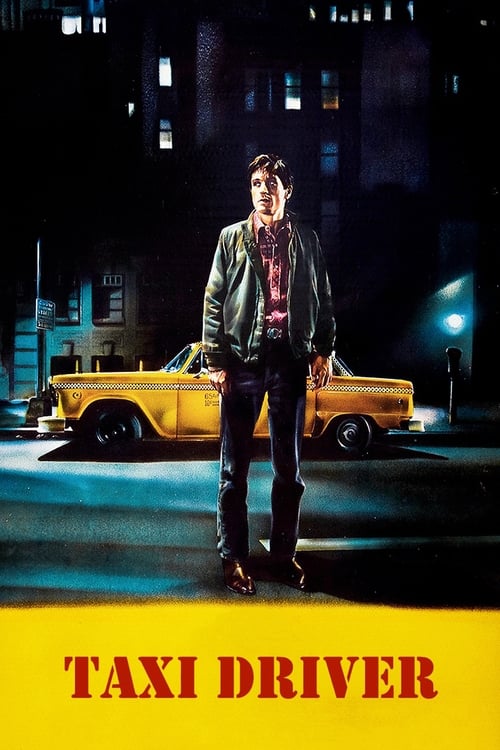
It’s not hard to deduce what classic films Phillips and long-time cinematographer Lawrence Sher borrowed for inspiration: The urban alienation of Taxi Driver and The King Of Comedy are clear thematic and visual touchstones.
If any deference is paid, it’s to Martin Scorsese, whose Taxi Driver inspires the gritty look of Gotham City circa 1981 (deep bows to the brute-force camerawork of Lawrence Sher) and whose lead character in that film, Travis Bickle (Robert De Niro), lives in the same bloody torment as our clown-face antihero.
Joker does indeed borrow elements from Martin Scorsese pictures (specifically, The King of Comedy and Taxi Driver, sometimes paying homage to the cinematography of both alongside sharing a similar setting) including a prominent collaborator in Robert De Niro, except it never feels like thievery considering a major component of the narrative sees Arthur Fleck investigating his own upbringing.
Though thematic and aesthetic parallels can be drawn to producer Martin Scorsese’s Taxi Driver and The King of Comedy, Joker is also inspired by the films of Sydney Lumet and Stanley Kubrick as well as the works of Ken Kesey and even Kurt Vonnegut.
He’s going for a gritty Martin Scorsese vibe — The King of Comedy specifically (most of the plot is borrowed from it), with a splash of Taxi Driver .
Todd Phillips’ direction is slick and effective, with numerous visual references and homages to the early works of Scorcese, in particular Taxi Driver (1976) and The King of Comedy (1982), the latter of which is further reinforced by the casting of Robert De Niro as talk show host Murray Franklin.
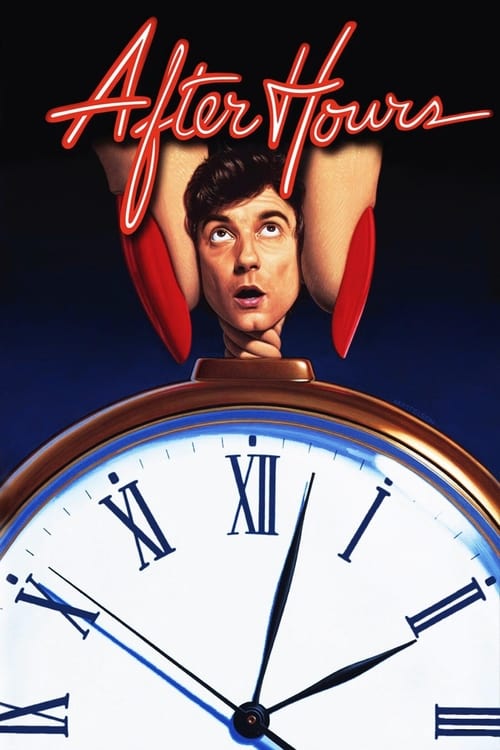
But while Phillips goes out of his way to channel the visual aesthetics of works like Dog Day Afternoon , Network , Taxi Driver , After Hours and The King of Comedy , his ends up being only a surface level dissection of these types of characters and this sort milieu.
The early 1980s setting evokes the darkened underbelly of Reagan’s America, the same rot that gives After Hours its underlying sense of doom.
The Scorsese influence doesn’t end there, however; Phillips’ Gotham is clearly modeled on the crime-ridden New York of the late ‘70s and ‘80s, which made Travis Bickle’s gradual undoing in Taxi Driver (1976) and the paranoia of Paul Hackett in After Hours (1985) both believable and resonant.
La dirección y la edición son perfectas para colocar al espectador tanto en la aceptación progresiva de la locura por parte de Arthur como en el clima de tensión social que caracteriza a Gotham, una ciudad de principios de la década de 1980 enmarcado por la lente de Lawrence Sher ( Godzilla: King of the Monsters , 2019), tan similar a la decadencia de Nueva York representada magistralmente por Martin Scorsese en algunas de sus obras maestras como Taxi Driver , The King of Comedy (1982) y After Hours (1985).
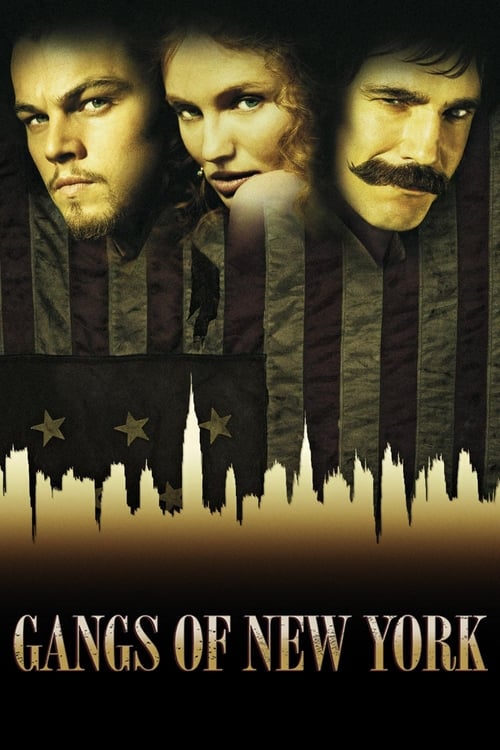
The only criticism one might make of his anchoring performance is that it is too showy, which would be akin to carping that Daniel Day-Lewis’s Bill the Butcher from Gangs of New York was just a little much.
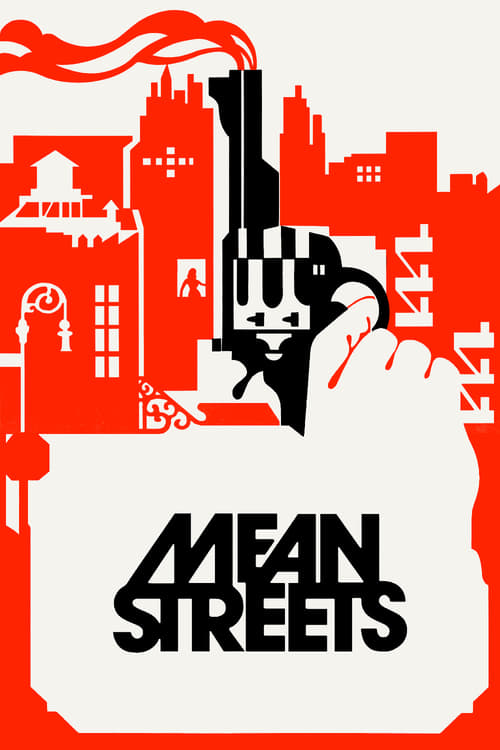
Phoenix channels the early work of Robert De Niro, the lanky violence of Mean Streets , the tortured vigilantism of Taxi Driver , the delusional hopelessness of The King of Comedy .
Phillips, who co-wrote the script, sets the story on the “Mean Streets” of New York in 1981 during a garbage strike.
Todd Phillips’ feature has been argued to be a lot like Taxi Driver, but is truly a lot more similar to Mean Streets .
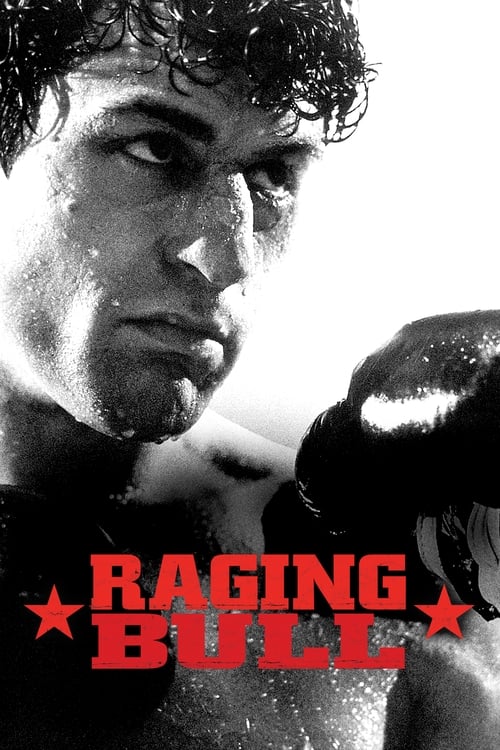
Cinematographer Lawrence Sher’s tracking shots and zoom-ins pay homage to other Scorsese hits like Raging Bull and Goodfellas.
Joaquin Phoenix, the exceptionally talented actor, three-time Oscar nominee (“The Master,” “Walk the Line,” “Gladiator”) stars in the dark, depressing origin role of 1940s comic book character the Joker, alongside Oscar winner Robert De Niro (“Raging Bull,” “The Godfather: Part II”).
He has an active imagination and daydreams about his pretty neighbor, Sophie (Zazie Beetz; Deadpool 2), being his girlfriend and about being on the Murray Franklin (Robert DeNiro; Raging Bull) Show.
In a sickly ironic twist that could be out of a Scorsese movie itself, this news broke while the director and star were attending that year’s Academy Awards ceremony — delayed a day due to the shooting — where De Niro accepted the Best Actor Oscar for their masterful “Raging Bull.”
For the part of clown turned Gotham icon and sociopathic perp, Phoenix lost a ton of weight, something done with equal austerity by Christian Bale (who took up the bat cowl for Nolan) in Brad Anderson’s “The Machinist” (2004) or, inversely, when Robert De Niro added 50 pounds as Jake LaMotta in “Raging Bull” – and if as on cue (send in the clowns), the Martin Scorsese-forged actor shows up in “Joker” as beloved late night TV show host Murray Franklin, whom Arthur Fleck (the Joker’s birth name) and his not-quite-all-there mother (Frances Conroy, excellent in the small complicated part) watch religiously.
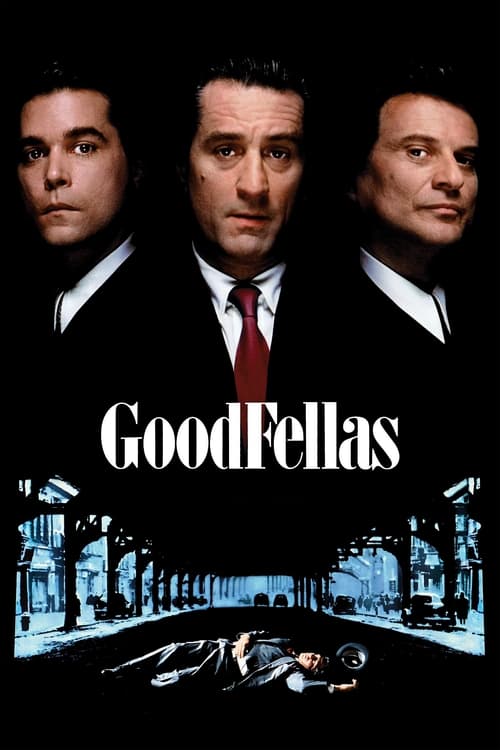
Cinematographer Lawrence Sher’s tracking shots and zoom-ins pay homage to other Scorsese hits like Raging Bull and Goodfellas.
Overall, the wildest swing Phillips takes with Joker is that instead of ripping off Goodfellas and Casino like so many other filmmakers, he's instead built an entire film out of plot elements of two other Martin Scorsese films, Taxi Driver and The King of Comedy.

Joker is like James McTeigue’s V For Vendetta (2005), only with an unstable manchild rather than a literate revolutionary as the inspiration for civil unrest.
There are also elements lifted from “Death Wish,” “Network,” “V for Vendetta,” “The Empire Strikes Back,” “The Shining” and “The Purge.”
Joker doesn’t understand its representation of violence because it doesn’t know what to do with its politics, opting instead for a confused aestheticization of anarchy à la V for Vendetta, all incendiary chants and masked malcontents thronging the streets.
When wealthy Thomas Wayne (Brett Cullen) calls Gotham’s impoverished masses “clowns”, his words echo around endless TV screens, providing a V for Vendetta -style mask to rioting protesters carrying “Kill the Rich” placards.
Envision a misguided remix of Taxi Driver (1976), V for Vendetta (comic), and Batman (1989).
There shouldn’t be a need to take on this maniacal character yet again, but Phillips’ film is exceedingly unique in its interpretation and cements its place alongside movies like 2006’s “V For Vendetta” and 2017’s “Logan” as auteur comic book cinema.
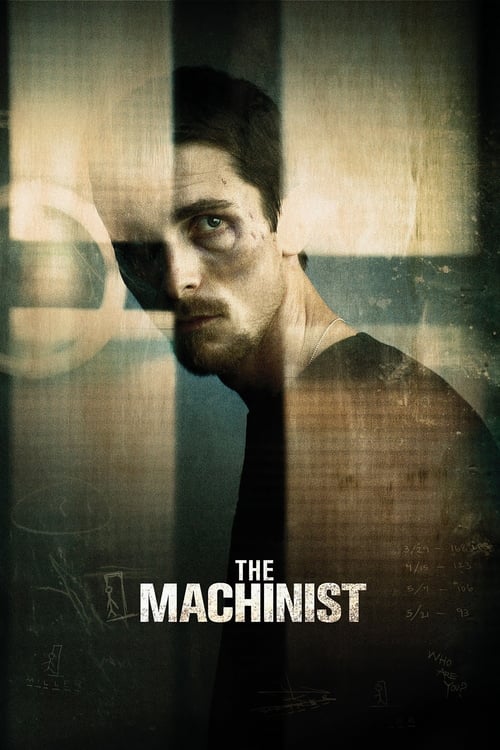
The framing allows us to see Arthur from odd angles to emphasize his impoverished nature, reminding me of former Batman Christian Bale in The Machinist.
With a physical transformation to match that of Christian Bale in The Machinist, Phoenix has remodeled his looks.
Still, Phoenix commands every frame whether he’s laughing maniacally, grappling with alienation or contorting his body into shapes we haven’t seen since Christian Bale lost all that weight to star in The Machinist .
Reduced to a skeletal state (think Christian Bale in The Machinist , but worse) by a diet of nicotine and pain, Phoenix’s Arthur Fleck is a tragicomic nightmare, a beleaguered, sign-twirling clown who suffers from a medical condition that turns his internal screams into cackling laughter.
Fleck (Joaquin Phoenix) dons a soft smile and breathes a tender, impressionable, good-spirited soul, as malleable as his beaten body, which conjures memory of the lack of person that was Christian Bale in The Machinist .
As Arthur, Phoenix is as gaunt as Christian Bale in The Machinist, as awkward as Michael Scott in The Office, and as self-loathing as… well, Michael Scott on The Office.
Advertisement


As much as the idea of Arthur Fleck seems tiring and demands pity from the audience, something in him (specifically Phoenix’s perfectly toxic performance) reminds me of Edward Norton in Fight Club.
Were Phillips to observe mental illness as more than a caricature of a journaling madman, or an obvious late-film twist that cops Fight Club vibes to just make everyone (audience included) feel shittier, we might find a character to care about.
Todd Phillips’ Joker is the most radical film released by a major studio since Fight Club in 1999.
It’s more like the 1976 Scorsese film Taxi Driver (starring Robert DeNiro, Jody Foster, and Cybil Shepard) or the 1999 film Fight Club (starring Edward Norton and Brad Pitt).
A look at David Fincher’s Fight Club might be instructive here.
As in Fight Club, the point here is likely not that the audience should join them, but in a world where a racist Twitter account can be elected president, one can be forgiven for worrying that some might take it at face value.
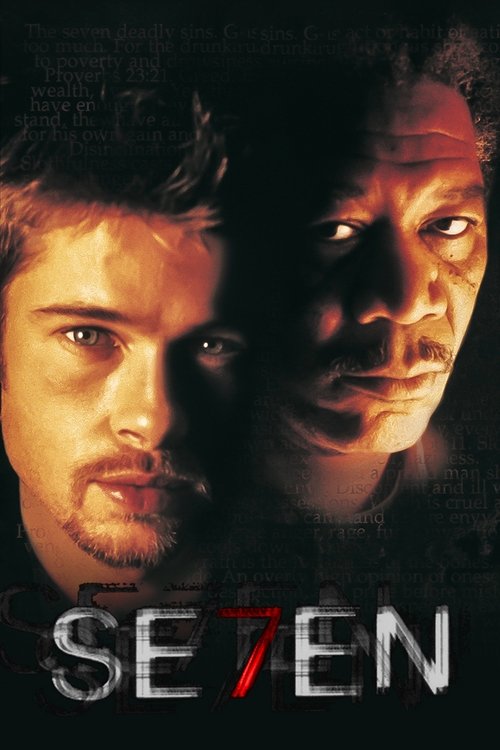
This it does spectacularly well, thanks to the aforementioned design team, who also seem to be drawing some inspiration from the distorted urban hellscapes depicted in 1990s thrillers like Jacob’s Ladder (1990), Flatliners (1990), Se7en (1995), and 8MM (1999).
But I was also reminded of Se7en for the way in which it surrounds its viewers in unremitting bleakness, only finding light (via its character’s own epiphany) in its darkest hour.
Despite the Se7en-esque color grading, Phillilps has a feel for architecture which suggests aspiration, decrepitude, and millions of hidden lives, and harmonizes with Arthur’s grand delusions.
Taxi Driver and Se7en ), and therefore extremely polarizing.
He can stir the goop with visual tricks from Se7en and Fight Club , but that doesn’t make him Fincher, either.
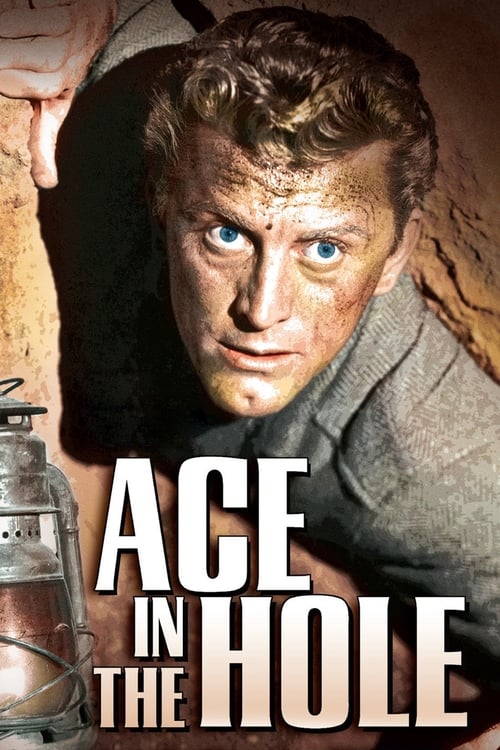
In one sly moment, Phillips has a background reference to Billy Wilder’s Ace in the Hole , only this time it’s presented as a porn film and not the caustic destruction of the media that the original film is.
The look of Mark Friedberg's production design is very much pre-Giuliani New York, with porn theater marquees advertising titles like Strip Search and Ace in the Hole (not the Billy Wilder film), and the blend of authentic NYC locations with sets is seamless.