
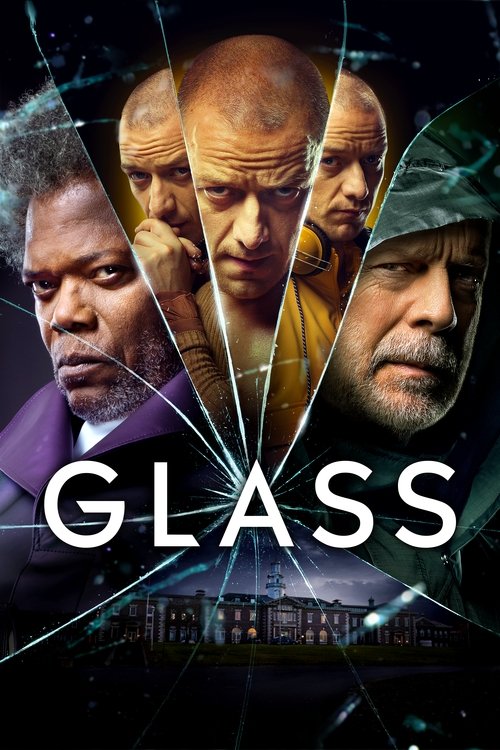
Glass (2019)
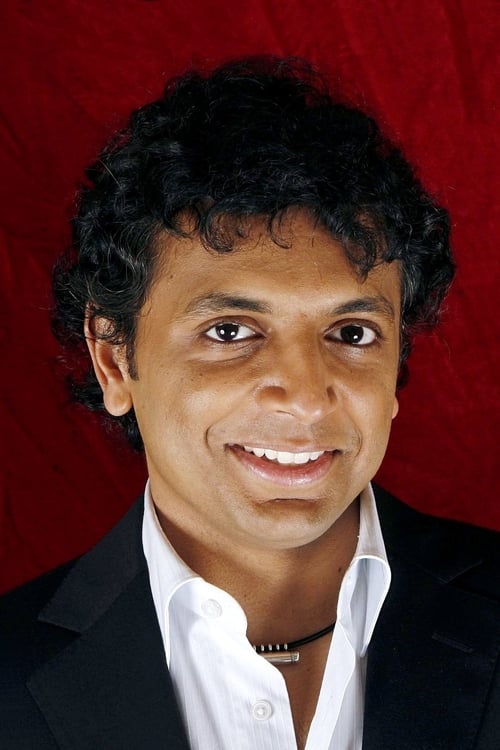
Directed by M. Night Shyamalan
In a series of escalating encounters, former security guard David Dunn uses his supernatural abilities to track Kevin Wendell Crumb, a disturbed man who has twenty-four personalities. Meanwhile, the shadowy presence of Elijah Price emerges as an orchestrator who holds secrets critical to both men.
33 connections found
View:
33 films that influenced Glass
What critics say influenced Glass


Long after “Unbreakable” (2000) came “Split” (2016).
The scene comes around the midpoint of M. Night Shyamalan’s Glass, the concluding part of what’s been referred to as his “Eastrail 177 trilogy,” named after the deadly train derailment that sets the plot of his beguiling modern fairy tale Unbreakable (2000) into motion and provides the backstory for his bugnuts low-budget hit Split (2016).
Harking all the way back to Shyamalan's 2000 film Unbreakable, Glass is the film designed to bring together the stories of McAvoy's unhinged killer, Bruce Willis's reluctant hero and Samuel L Jackson's evil genius.
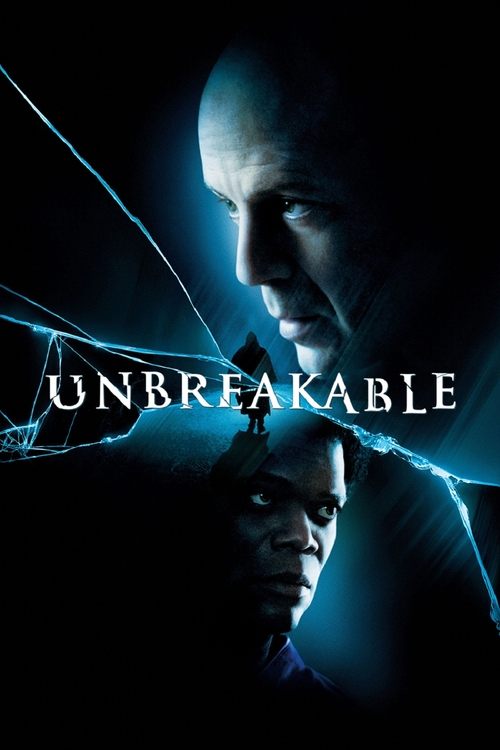
Unbreakable was a film a little too ahead of its time, deconstructing the mythos of superheroes several years before the genre found solid footing in the modern cinema landscape.
19 years ago director M. Night Shyamalan made “Unbreakable,” a unique take on the very idea of comic book personas.
This is what happens to the storyline in M. Night Shyamalan’s crushingly disappointing “Glass” — the final piece in the jigsaw puzzle of a trilogy that kicked off with the brilliantly constructed classic “Unbreakable” in 2000 and took us by surprise with the jagged and twisted (in more ways than one) horrors of “Split” in 2016.
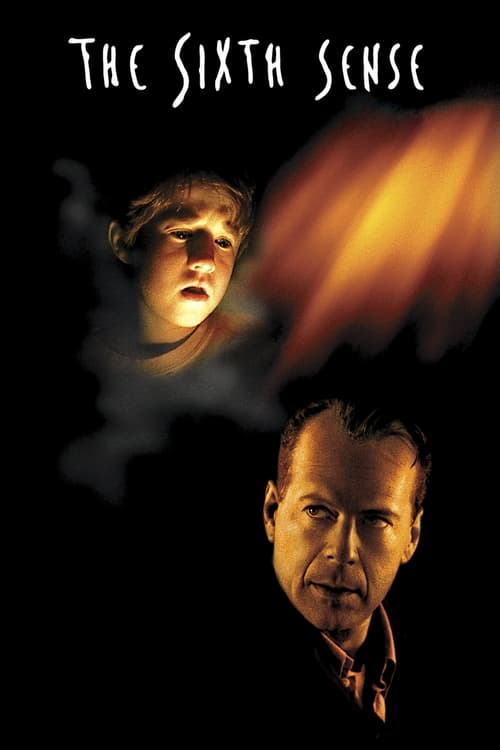
It’s hard to overstate what a big deal Shyamalan was in the years that followed the success of The Sixth Sense (1999), or how hard his reputation tanked after The Lady in the Water (2006) and the misunderstood drive-in homage The Happening (2008).
Willis’s Malcolm Crowe in The Sixth Sense missed a doozy.)
In the fictionalized version of this story, his new film, “Glass,” would complete the return to pop-culture grace from which the director fell in the years after “The Sixth Sense” in 1999, years in which movies like “The Village,” “The Happening,” “The Last Airbender,” and “After Earth” were rightly or wrongly mocked into oblivion.
In 1999's The Sixth Sense, still the director's most accomplished film, it was his care in exploring the psyche of little Cole Sear, not the dramatic twist ending, that established him as a major talent to watch (even if the twist got all the credit).
Long ago, the director displayed a knack for teasing out tension, and it worked just enough times (The Sixth Sense, Signs, The Village if we’re being generous) that producers kept hoping for more.
Followers of his work were misguided to ever anoint him the next Spielberg, which many did after The Sixth Sense, but he’s also more talented than the punch line he became in the mid-aughts.
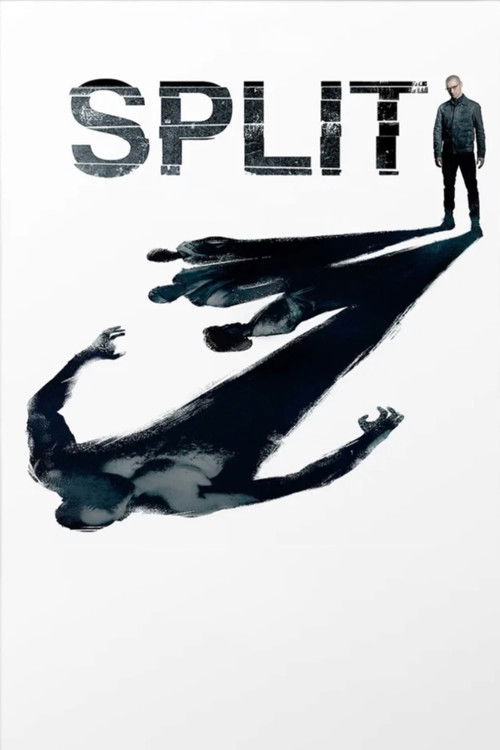
Long after “Unbreakable” (2000) came “Split” (2016).
The scene comes around the midpoint of M. Night Shyamalan’s Glass, the concluding part of what’s been referred to as his “Eastrail 177 trilogy,” named after the deadly train derailment that sets the plot of his beguiling modern fairy tale Unbreakable (2000) into motion and provides the backstory for his bugnuts low-budget hit Split (2016).
Glass, by director M. Night Shyamalan, concludes a trilogy nobody knew was a trilogy until the final moments of his previous film, Split.
Then suddenly, Split came out and not only revitalised Shyamalan’s reputation as a filmmaker, but was the surprise sequel to Unbreakable all along!
Shyamalan returned to the world of this story with 2017’s “Split,” which introduced a new villain into the mix, a multi-personality lunatic played by James McAvoy .
This is what happens to the storyline in M. Night Shyamalan’s crushingly disappointing “Glass” — the final piece in the jigsaw puzzle of a trilogy that kicked off with the brilliantly constructed classic “Unbreakable” in 2000 and took us by surprise with the jagged and twisted (in more ways than one) horrors of “Split” in 2016.

The alien-invasion-as-home-invasion movie Signs (2002) is probably the movie that best exemplifies this.
Long ago, the director displayed a knack for teasing out tension, and it worked just enough times (The Sixth Sense, Signs, The Village if we’re being generous) that producers kept hoping for more.
He burst onto the scene with “The Sixth Sense” in 1999, and by the time “Signs” came out three years later he had already been branded as “The Next Spielberg.”
Written and Directed by M. Night Shyamalan ("Split," "The Last Airbender," "The Village," "Signs," "Unbreakable," "The Sixth Sense").
But I don't know, I think that this actually is a return to form: sharp-looking movies with with an elegantly classical visual sensibility that falters against clumsy dialogue that overarticulates themes, meandering pacing, dopey climaxes, and a generally square earnestness that somehow makes all of the above kind of charming in addition to kind of bad, feels pretty much exactly like we should expect of the filmmaker behind 2000's Unbreakable and 2002's Signs.
Post- Signs , Shyamalan’s output has been notoriously shaky.
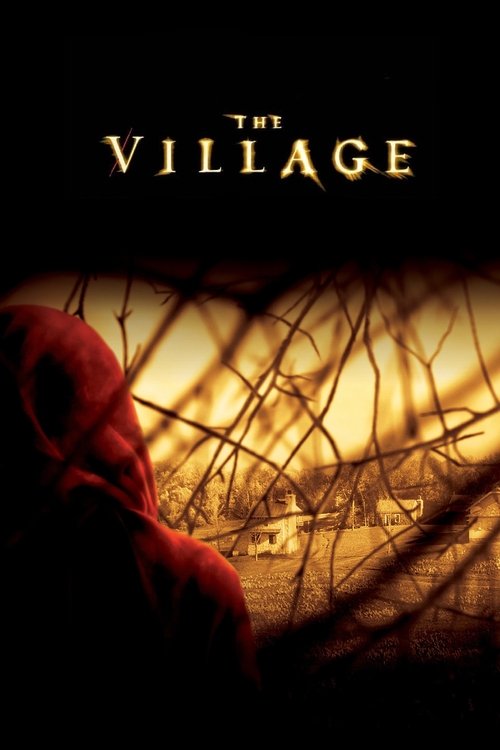
Y el efecto fue un desgarro en mi consideración de M. Night quien sí, creo que en sus inicio hizo obras de arte espectaculares (soy de los pocos que defienden The Village y Lady in the Water), luego tuvo una caída de la que parecía que no se iba a recuperar.
In the fictionalized version of this story, his new film, “Glass,” would complete the return to pop-culture grace from which the director fell in the years after “The Sixth Sense” in 1999, years in which movies like “The Village,” “The Happening,” “The Last Airbender,” and “After Earth” were rightly or wrongly mocked into oblivion.
Shyamalan is up to his old tricks again, the kind of loopy, half-assed filmmaking that made the world scratch its collective head with The Happening, The Village, The Last Airbender, After Earth and Lady in the Water—all wretched stink bombs.
Long ago, the director displayed a knack for teasing out tension, and it worked just enough times (The Sixth Sense, Signs, The Village if we’re being generous) that producers kept hoping for more.
Shyamalan has always thrived on the power of the unseen, and his best films are so enduringly tense because of how they exploit inference and off-screen space; think of the pantry scene in “Signs,” and the general pall of fear that settles over “The Village.”
Written and Directed by M. Night Shyamalan ("Split," "The Last Airbender," "The Village," "Signs," "Unbreakable," "The Sixth Sense").
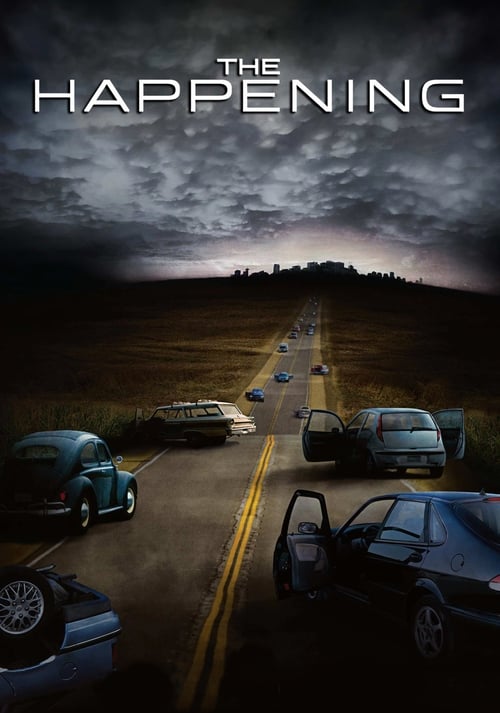
It’s hard to overstate what a big deal Shyamalan was in the years that followed the success of The Sixth Sense (1999), or how hard his reputation tanked after The Lady in the Water (2006) and the misunderstood drive-in homage The Happening (2008).
In the fictionalized version of this story, his new film, “Glass,” would complete the return to pop-culture grace from which the director fell in the years after “The Sixth Sense” in 1999, years in which movies like “The Village,” “The Happening,” “The Last Airbender,” and “After Earth” were rightly or wrongly mocked into oblivion.
Shyamalan is up to his old tricks again, the kind of loopy, half-assed filmmaking that made the world scratch its collective head with The Happening, The Village, The Last Airbender, After Earth and Lady in the Water—all wretched stink bombs.
These days, he's met with constant skepticism if not outright derision; after disasters like The Happening (2008), The Last Airbender (2010) and After Earth (2013), the mega-stardom that followed his early works dissolved almost entirely.
Why has the industry constantly given him passes, when he’s done everything – Lady in the Water, The Happening, The Last Airbender, After Earth – he can to prove his detractors right?
That led to the horror of killer plants in “The Happening,” and then to less personal blunders like “After Earth” and “The Last Airbender.”
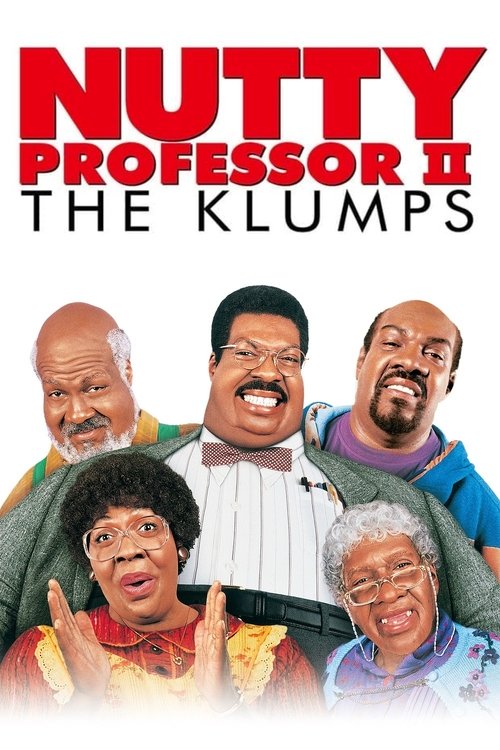
Stripped of the surrounding darkness of that magnitude, McAvoy’s emoting this time around feels more hammy, more akin to watching Eddie Murphy don the disguises in such low-rent efforts as Norbit and Nutty Professor II: The Klumps .
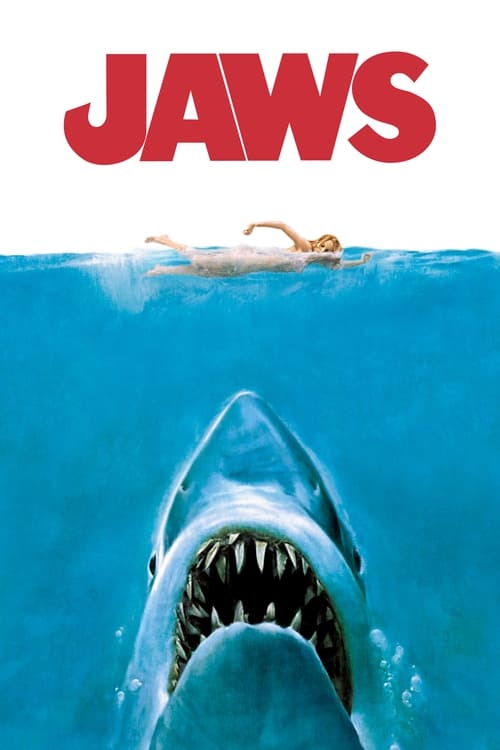
Sleight-of-hand camerawork, not unlike what Spielberg did with the shark in Jaws, gives The Beast much of his unsettling power.
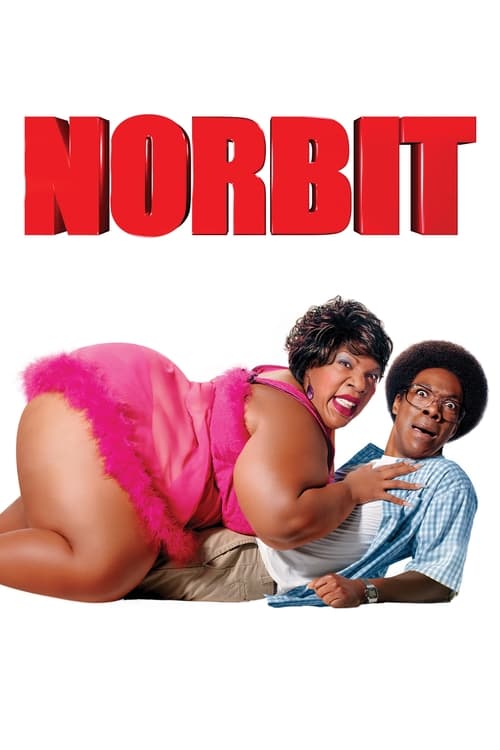
Stripped of the surrounding darkness of that magnitude, McAvoy’s emoting this time around feels more hammy, more akin to watching Eddie Murphy don the disguises in such low-rent efforts as Norbit and Nutty Professor II: The Klumps .
Advertisement
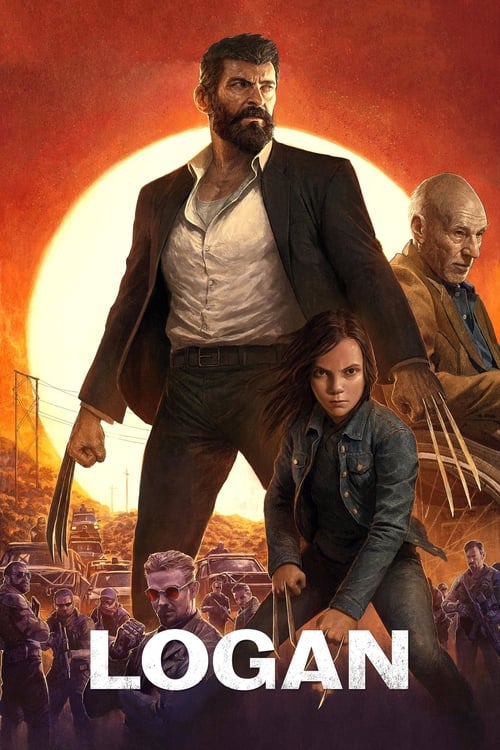
Bruce Willis plays Dunn as tired, worn-out, and world-weary – a facet that borrows a little John McClane and combines it with Hugh Jackman from Logan.
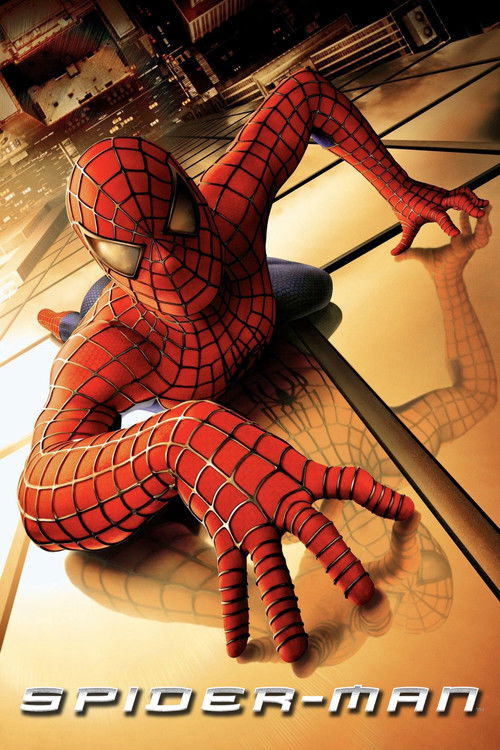
The early scenes of “Glass” charmingly resemble a bargain-basement “Spider-Man,” as Willis’ David — or the Overseer, to go by his vigilante-hero moniker — dons a hooded poncho and patrols the streets of Philadelphia, using his telepathic powers to sniff out criminal activity.
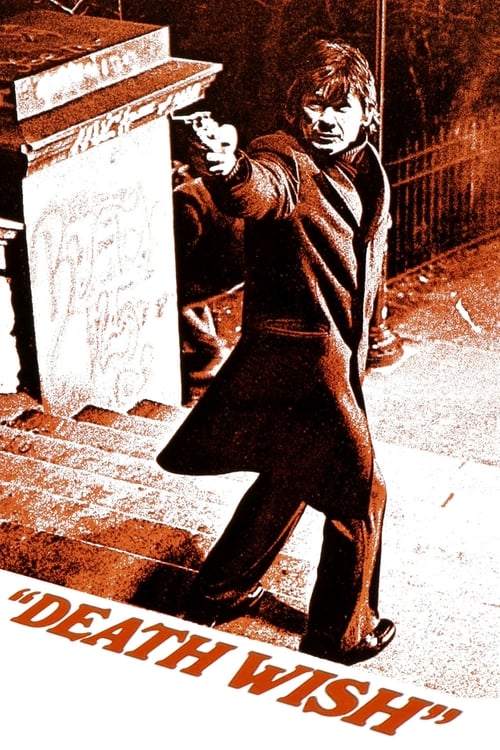
For years, David Dunn (Bruce Willis, “Death Wish”) has been using his security system company as a base of operations from which to continue using his powers to fight crime.
Just as he did last year in that unfortunate Death Wish remake, Willis plays a vigilante and sleepwalks through the part.
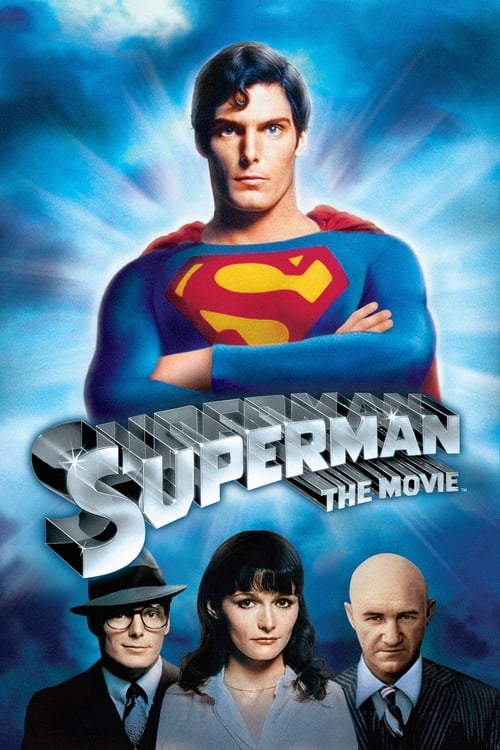
In when Unbreakable released in 2000 , the only mainstream superhero films at that point where the Superman films, Batman films and X-Men.
Advertisement
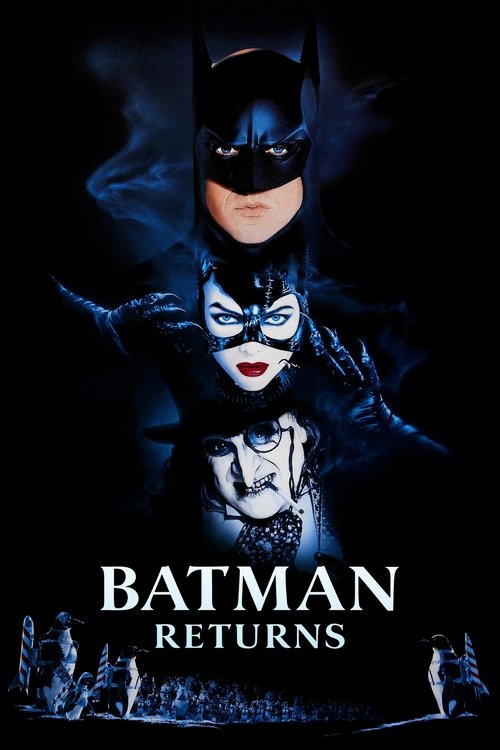
One of the greatest superhero movies of all time is Tim Burton’s Batman Returns, a bleak fantasia about three comic-book characters (Batman, Catwoman, and the Penguin) whose identities were forged in trauma, and whose costumed alter egos are exaggerated responses to that pain.

When M. Night Shyamalan dropped Unbreakable on an unsuspecting world back in 2000, the new Spielberg on the block was told that superhero movies were still a post-Burton/Batman novelty.
The Marvel films never happened, Batman never progressed past the 60s TV show, and comic books are still an obscure subculture (though an offhand line from Paulson slamming comic-cons proves that even in the fictional world of the film, this isn’t true).
Indeed, it feels like Shyamalan hasn’t read a comic book since the days when he was directing Rosie O’Donnell in comedies for kids, especially based on the comics that he has had produced for the film itself (one wonders why, given that this is a Disney co-production, they wouldn’t outright let him us a Hulk comic when discussing The Horde’s issues instead of the hackneyed writing that fills up the on-screen pages), much less seen any superhero film since Joel Schumacher had creative control over the Batman franchise.
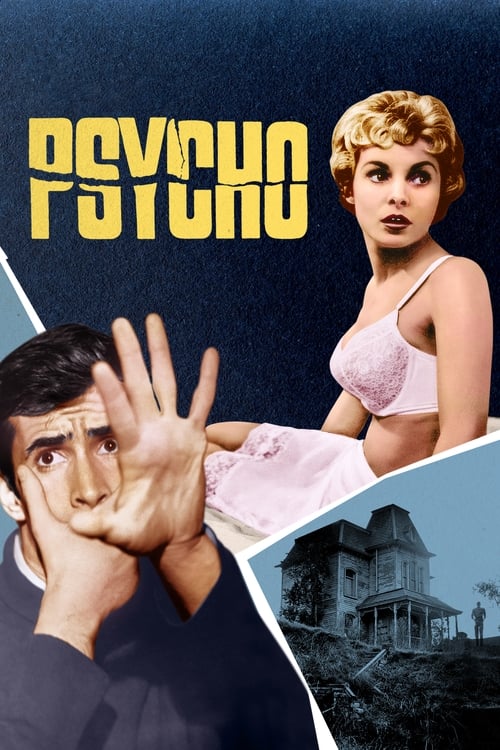
In that way, Glass is like an entire movie made up of that scene at the end of Psycho when the shrink explains what really happened to Norman Bates.