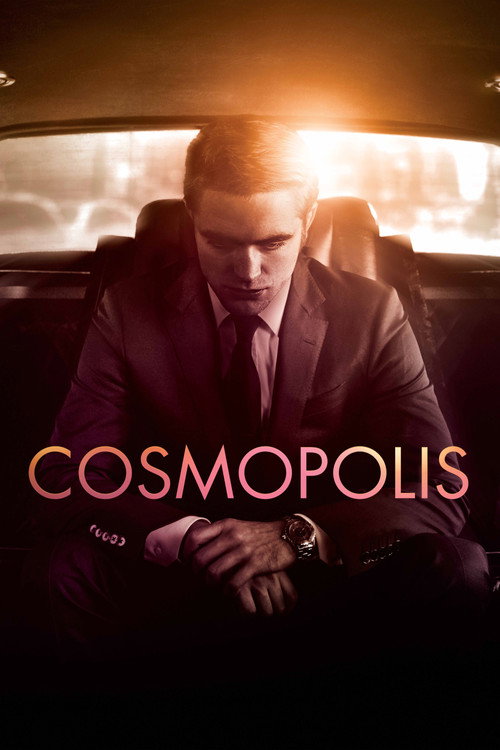
Cosmopolis (2012)
Directed by David Cronenberg
Riding across Manhattan in a stretch limo during a riot in order to get a haircut, a self-made 28-year-old billionaire asset manager's life begins to crumble.
9 connections found
View:
9 connections, in both directions
What critics compared Cosmopolis to



There’s no story to speak of, just a series of financial and philosophical conversations delivered at rapid-fire speed; at times I was reminded of Shane Carruth’s brilliant low-budget sci-fi mindbender Primer, in which it’s not important that you understand what’s being said so much as recognize how a particular mode of communication can both reflect and influence the way people think.
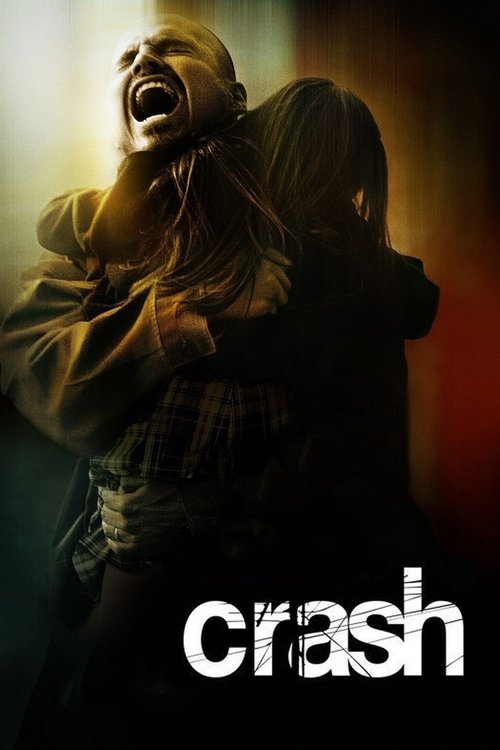
It’s his weirdest film since “Crash” — not the Oscar winning Paul Haggis tale, but Cronenberg’s riff on J.G. Ballard’s novel of twisted people who get their sexual jollies in car accidents.
Writer/director David Cronenberg ("A Dangerous Method") gets back to the surreal literary days of "Crash" and "Naked Lunch" with his adaptation of the weirdly prescient 2003 Don DeLillo novel.
A trio of classy dramas, hard-hitting at times but nothing you couldn’t take your mum to (A History of Violence [2005], Eastern Promises [2007] and this year’s A Dangerous Method ) bore little of the audacity of the circuit breakers that defined his oeuvre as proprietor of the ‘ New Flesh ‘: the wild mutations of body and psyche in films such as Shivers (1975), Scanners (1981), The Fly (1986), Crash (1996), and eXistenZ (1999).
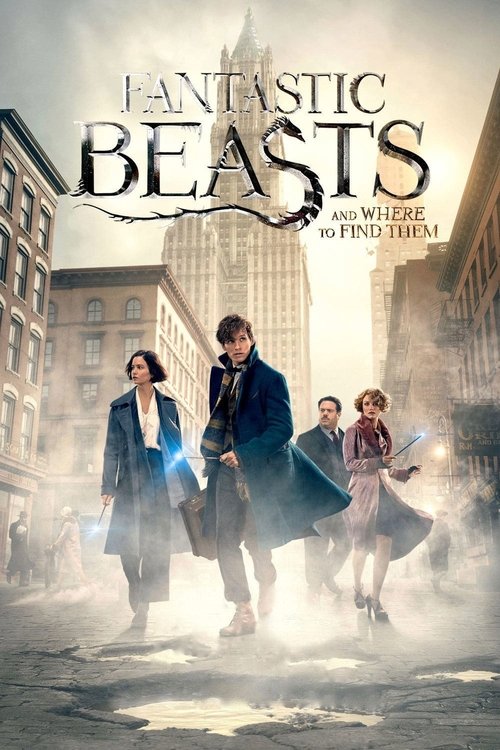
More memorable is Samantha Morton (2012's " Cosmopolis "), cutting a calmly imposing figure as Mary Lou Barebone, the leader of an anti-Maj extremist group calling themselves the New Salem Philanthropic Society.Reminding often of 1995's "Jumanji" (minus the board game), "Fantastic Beasts and Where to Find Them" hedges its bets on the rampaging computer-generated beasts of the title and their silliness/adorability factor.
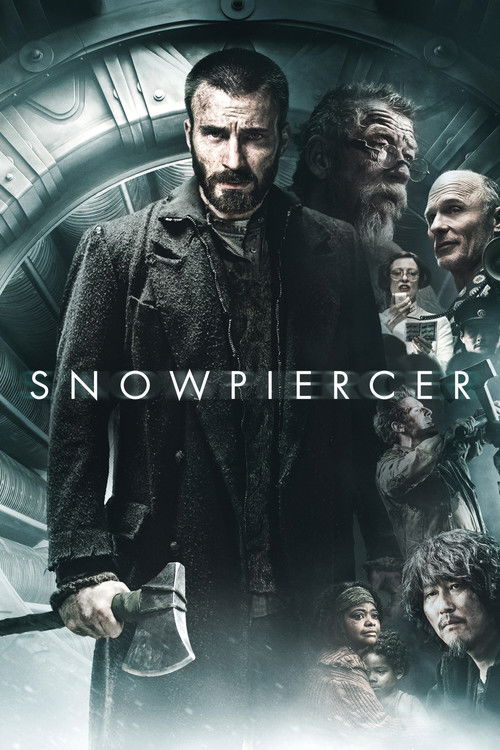
The claustrophobic, forcibly focused tunnel vision suggests the situation of the doomed sewer-trapped partisans in Polish director Andrzej Wajda’s Kanal (1956), a film about the Warsaw uprising; the continuous trajectory is reminiscent of David Cronenberg’s Cosmopolis (2012), set almost entirely in a limo crawling through midtown Manhattan traffic.
Advertisement
It doesn’t help that in an era of grand set designs, the glimmers of the outer-scape feel cheap, plastic and uninspired – not in the cheesy, good way that “Logan’s Run” made so indelible, but more like the stagy street riots in David Cronenberg’s “Cosmopolis” (2012) or the Orwellian future-scape in “Equilibrium” from 2002, if you even remember that one.
It has a lot in common with Don DeLillo’s novel Cosmopolis, made into a 2013 movie by Cronenberg, but in a less arch, more audience-friendly form.
For all his motivational Gordon Gekko speeches and beamingly boisterous bonhomie, Belfort remains as impenetrably alienating as the human impersonator at the heart of Cronenberg's ice-cold Cosmopolis , a studiedly austere arthouse endeavour that was at least intentionally boring – sort of.

Like Pattinson’s collaborations with revered indie directors Claire Denis ( High Life ), the Zellner brothers ( Damsel ), David Cronenberg ( Cosmopolis ; Maps to the Stars ), and David Michôd ( The Rover ), the former Twilight star opts for a poorly-written part, suggesting he’s blinded by the chance to work with skilled filmmakers and escape his sparkly vampire past.
Pattinson, who has mainly excelled as a recessive type (as in David Cronenberg’s Cosmopolis ), simmers with withheld fury.
But Pattinson, who is at his best when smooth and withdrawn, in films like “Cosmopolis” (2012), is encouraged here to stretch his wings, becoming a thing of rage, and his character starts to disgorge a load of backstory.
Advertisement

Comparisons to David Cronenberg's Cosmopolis are inevitable: Locke, like Robert Pattinson's Eric Packer, loses everything over the course of a real-time drive.
It has a lot in common with Don DeLillo’s novel Cosmopolis, made into a 2013 movie by Cronenberg, but in a less arch, more audience-friendly form.
Has even that been taken from us? "Locke" belongs to a mini-trend of movies set in enclosed spaces (see "Phone Booth" with Colin Farrell and the coffin-set "Buried" with Ryan Reynolds), but more tellingly it continues the idea, seen in Cronenberg's " Cosmopolis ," that the car is no longer a refuge but an extension of the home and office, a mobile space that through wireless technology remains connected to the pressures of work and family.