
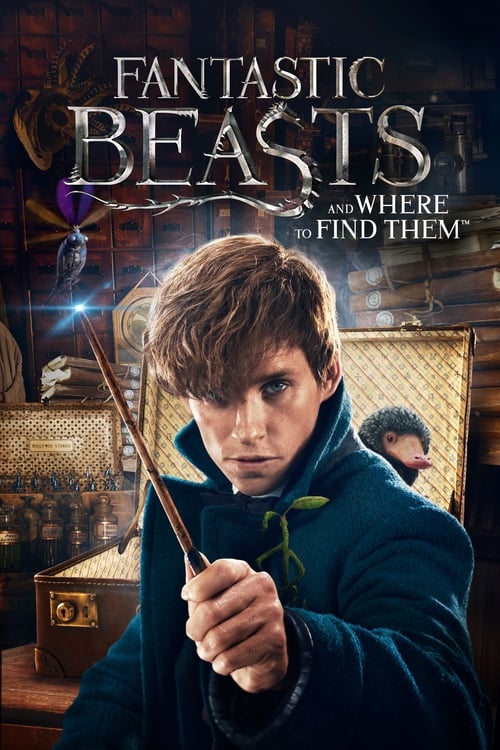
Fantastic Beasts and Where to Find Them (2016)
Directed by David Yates
In 1926, Newt Scamander arrives at the Magical Congress of the United States of America with a magically expanded briefcase, which houses a number of dangerous creatures and their habitats. When the creatures escape from the briefcase, it sends the American wizarding authorities after Newt, and threatens to strain even further the state of magical and non-magical relations.
27 connections found
View:
27 films that influenced this film
What critics say influenced Fantastic Beasts and Where to Find Them


The wizarding community has been forced underground due to intolerance that channels "X-Men."
It’s the same logical flaw that operates in both the “Avengers” and “X-Men” franchises, and Rowling doesn’t have much to add to the “Potter” franchise … yet.
In the wake of several violent attacks on New York, causing all manner of social, political and architectural upheaval, the movie makes the compelling argument that the willful repression of one’s supernatural abilities can lead only to destruction and chaos — a point that harks back to Bryan Singer ’s “X-Men” movies, with their resonant subtext equating mutant powers with homosexuality.
That hatred toward those who possess unique powers (something highlighted in the film's opening that features related newspaper headlines that, as in the "Potter" films, come along with animated panels) and the need for those to lead secret lives also gives the flick something of an "X-Men" vibe, particularly when Farrell's character shows displeasure toward regular folk getting more regard than wizards.
As with mutants in the X-Men movies , there’s a Civil Rights-era difference of opinion between leaders in the minority community with peaceful visions, like Professor X and Martin Luther King Jr., and those with more violent visions, like Magneto and Malcolm X.
There are scenes, typically the most destructive ones, that could be plopped into any old "X-Men" movie.
That sort of gives the flick a "Jumanji" feel (at least in terms of critters running amok), but Rowling has other plot workings and themes in mind.
But Yates and his collaborators seem enamored of their “Jumanji”-on-acid zoo exhibit in a way that is easier to admire than to share.
Reminding often of 1995's "Jumanji" (minus the board game), "Fantastic Beasts and Where to Find Them" hedges its bets on the rampaging computer-generated beasts of the title and their silliness/adorability factor.
The film fares better when it charges into magical Jumanji mode, characters chasing beasts rather than running away.
He’s part earnest conservationist in the David Attenborough mould, part hapless innocent in the vein of Henry Fonda in The Lady Eve, and Newt has barely arrived in America before he finds himself in trouble with the Magical Congress (Macusa) .
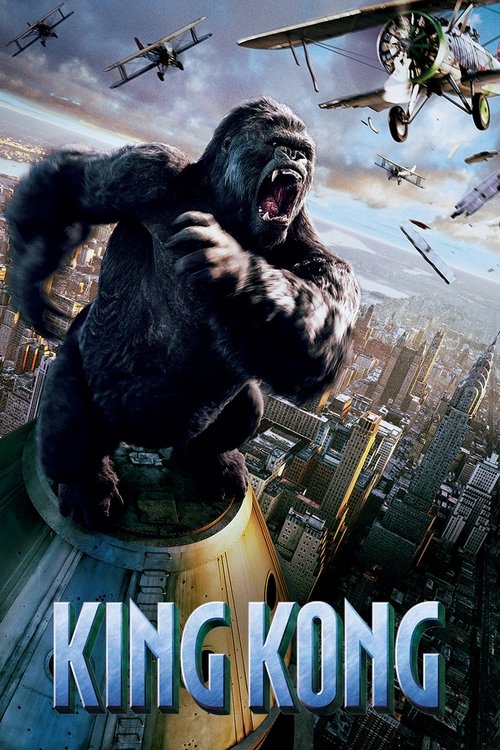
Haciendo contrapeso al usual barroquismo digital de los efectos CGI, Yates crea un meticulosamente fino Nueva York post-Gran Depresión así como un mundo de burocracia mágica que remite a una serie de hitos culturales: Kafka, el Art Decó y Ciudadano Kane (1941) hasta el King Kong de Peter Jackson, suavemente coloreado por la lente del cinefotógrafo francés Philippe Rousselot.
(One of those next bits is lifted directly from Peter Jackson’s King Kong, which is just inexcusable.)
Imagine if Peter Jackson had done his King Kong reboot in Brussels.
Advertisement
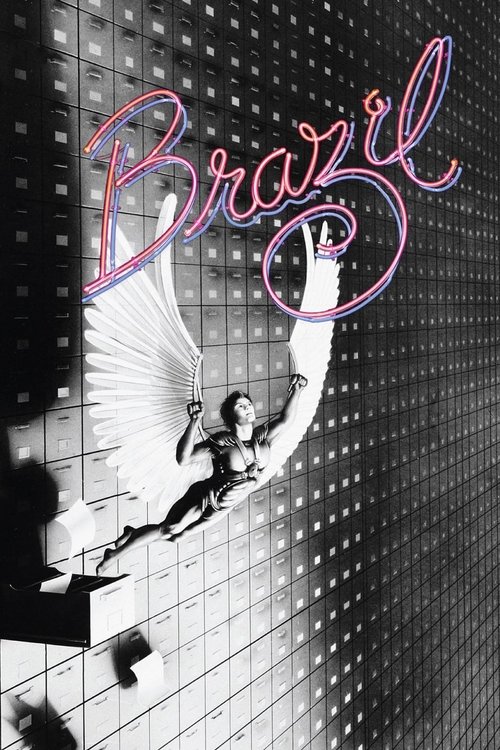
Yet dark, too — the downtown Wizard headquarters of MACUSA, overseen by Madam President (Carmen Ejogo), may remind you of nothing so much as the Kafkaesque office building in Terry Gilliam’s “Brazil.”
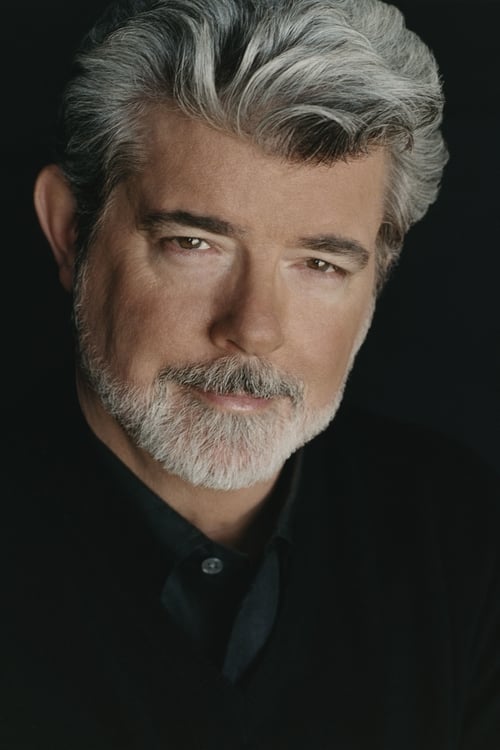
Director
George Lucas
Critics compare Fantastic Beasts and Where to Find Them to 2 of Lucas’s films.
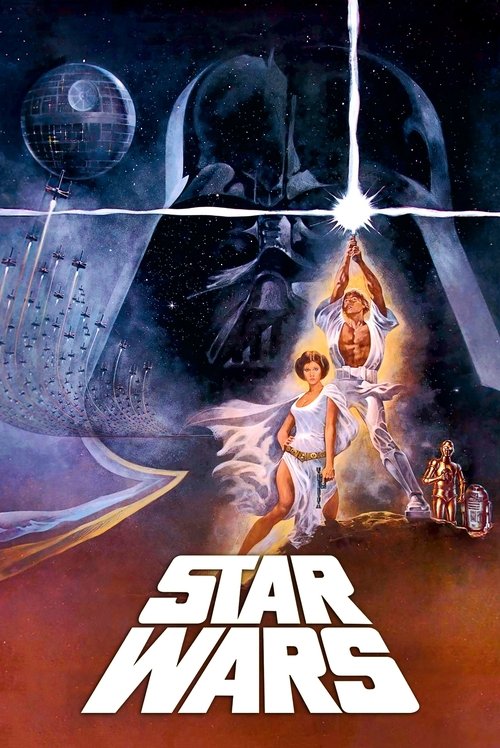
The fact is, moving from the Harry Potter films to Fantastic Beasts feels a bit like moving from the original Star Wars trilogy to the Star Wars prequels .
With the richest fictional world this side of “Star Wars,” the “Harry Potter” universe is one the great achievements in modern popular culture.
David: Renowned author J. K. Rowling --- the creator of all things Harry Potter, in case you've been living under a rock --- has written her first screenplay, and in the process has unleashed the wildest collection of creatures since the original "Star Wars" in 1977.
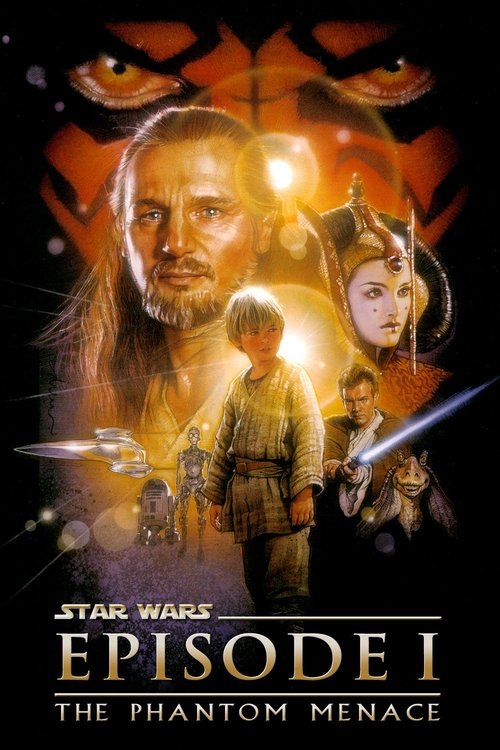
As with The Phantom Menace in particular, mythology and world-building has swollen to the point of obscuring the bones of the drama to the point that it’s hard to say who the protagonist is.
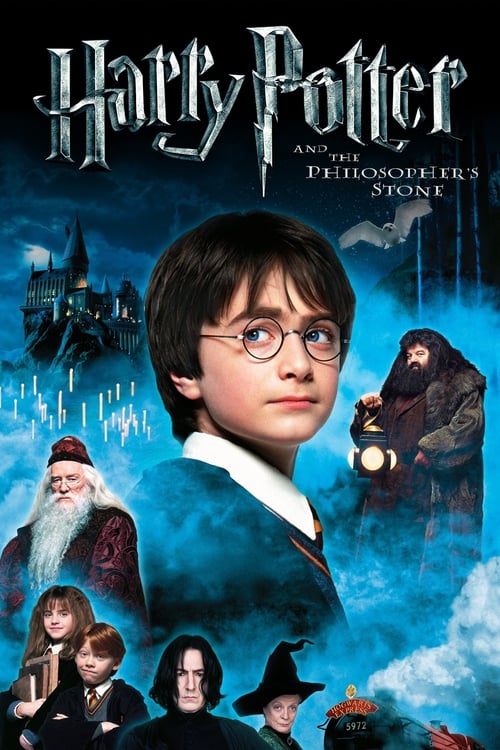
Although written directly for the screen, “Fantastic Beasts and Where to Find Them” shares its title with a zoology textbook, written by one Newt Scamander, that popped up as assigned Hogwarts reading in “Harry Potter and the Sorcerer’s Stone.”
Based on a 2001 J.K. Rowling compendium spun off from her original Harry Potter And The Sorcerer’s Stone novel, “Fantastic Beasts And Where To Find Them” returns filmmaker David Yates, director of the last four Potter films.
Fantastic Beasts is based on a textbook of the same name that was mentioned once as part of Harry’s curriculum in Rowling’s first novel, Harry Potter and the Sorcerer’s Stone.
The day Fantastic Beasts and Where to Find Them was released, five years and three days had passed since the last Harry Potter film was theatrically released while Harry Potter and the Sorcerer's Stone debuted over 15 years ago in theaters.
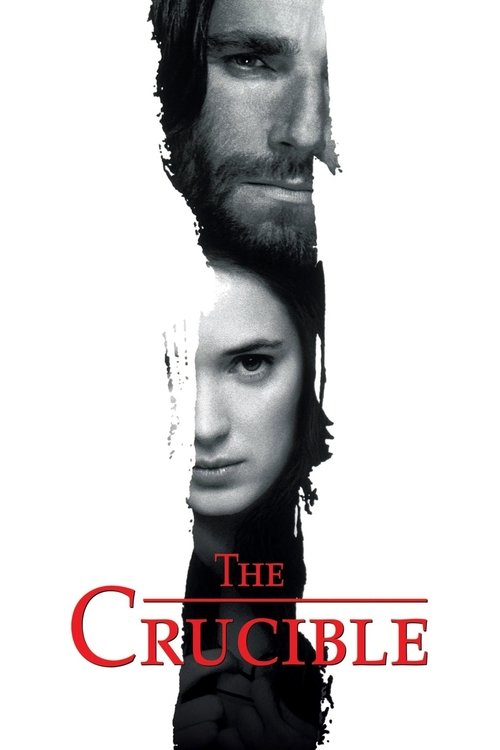
At the other end of the spectrum is Mary Lou (Samantha Morton), the severe leader of an anti-magic group known as the Second Salemers, who resemble refugees from a future touring production of “The Crucible.”
Samantha Morton's puritanical zealot Mary Lou (appearing as if she just came out of auditions for "The Crucible") not only persecutes magic folk, she takes her hatred out on her severely abused, adopted maj son Credence (Ezra Miller).
Outfitted like a character out of “The Crucible,” Barebone steals/adopts children from the magic families she exposes, but doesn’t keep nearly a close enough eye on her own kids, leaving room for her deeply troubled “son” Credence (Ezra Miller) to hold private meetings with a powerful — and power-hungry — auror, Percival Graves (Colin Farrell).
Advertisement
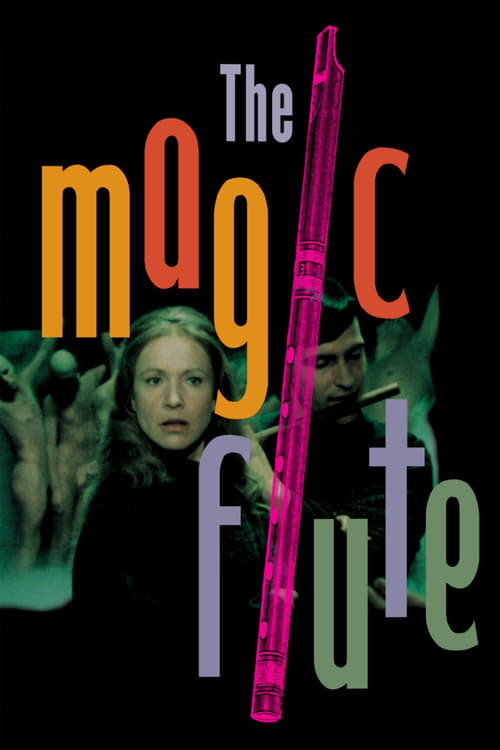
Jacob and Queenie fall in love, and their scenes have a sweetness that reminded me of the clueless lovebirds Papageno and Papagena in Mozart’s “The Magic Flute.”
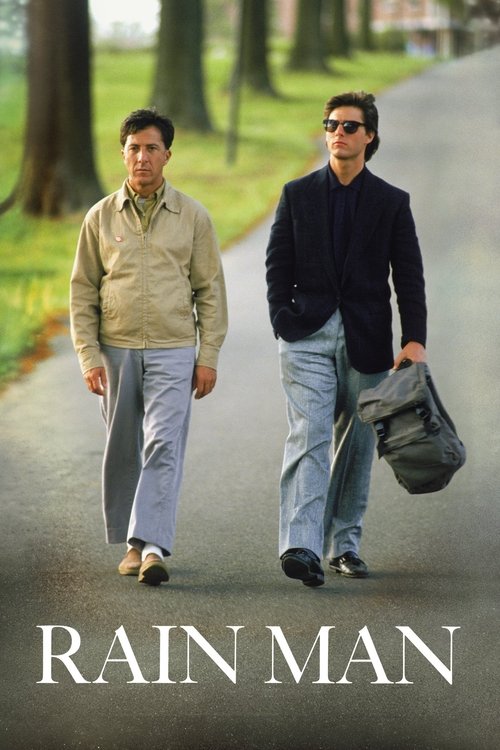
He seems stuck between Dustin Hoffman in Rain Man and Michael Crawford in Some Mothers Do ’Ave ’Em .