

Primer (2004)
Directed by Shane Carruth
A group of fledgling inventors discover a complex method to manipulate reality. At first, they successfully game the stock market with it, but the consequences of the invention start to catch up with them.
12 connections found
View:
12 films that influenced Primer
What critics say influenced Primer

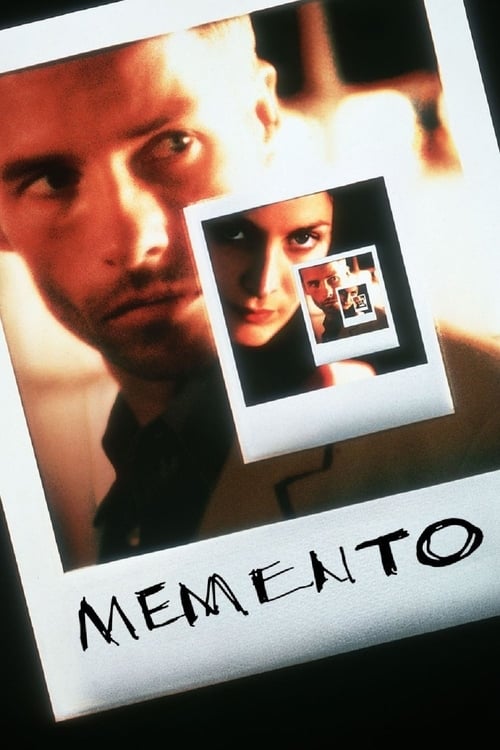


Carruth, to his credit, is more interested in the moral ramifications of time travel, in making something more reminiscent of "Memento" than of "Back to the Future."
Written in a style that resembles David Mamet (if Mamet were a particularly testy computer repairman) and edited with a sense of obfuscation that seems deliberately, almost perversely, designed to thwart pleasure (or easy analysis), "Primer" has been compared to films like "Memento" and "Pi" -- far better, smarter and more stylish puzzlers that at least paid dividends for the viewer's investment of time and mental exertion.
The story is elliptical -- the last 45 minutes are especially abstract -- but fans of "Memento" will enjoy teasing out its meaning.
It's imperfect like the device at the center of the film, but it's the most demanding movie experience since "Memento."
In this way, Primer is weaker than Memento.
With a style reminiscent of Christopher Nolan's first films (Following and Memento), he assembles his story with jarring but engrossing crosscutting, masking the small budget with assured camerawork, evocative music and extremely subtle performances.
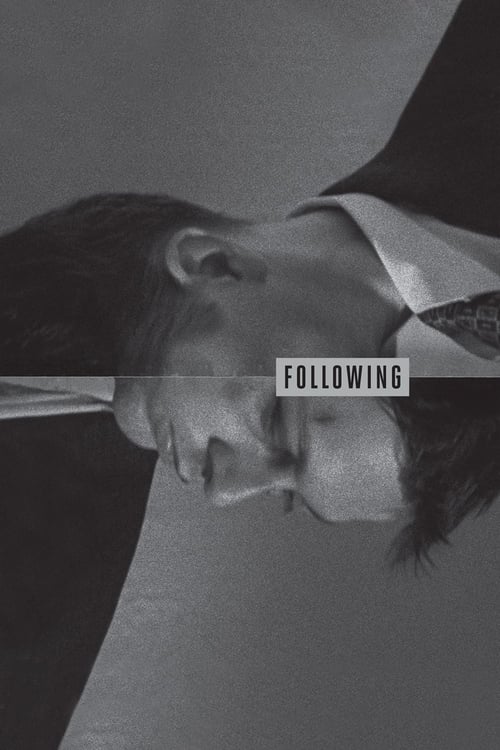
With a style reminiscent of Christopher Nolan's first films (Following and Memento), he assembles his story with jarring but engrossing crosscutting, masking the small budget with assured camerawork, evocative music and extremely subtle performances.
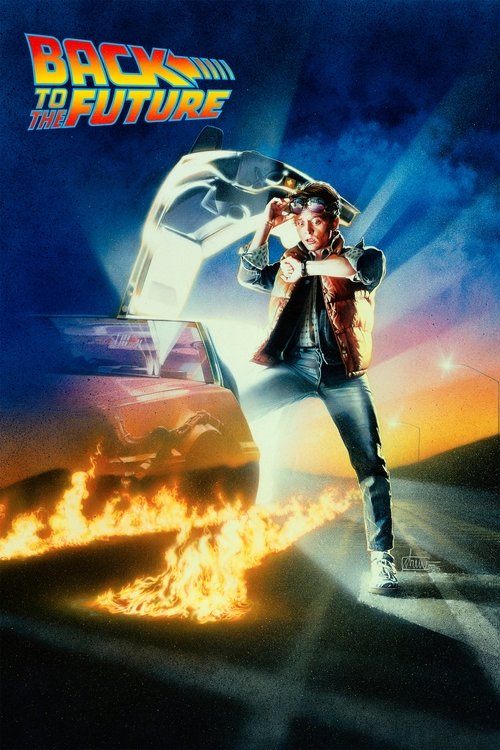
Carruth, to his credit, is more interested in the moral ramifications of time travel, in making something more reminiscent of "Memento" than of "Back to the Future."
A Back to the Future without special effects or a Donnie Darko without innocence, Primer is the minimalist 2001 for the post�Bill Gates generation.
Substituting the giddy fantasy of Back to the Future for grave technological authenticity, the film (written and directed by star Carruth) has its one-dimensional characters spout endless streams of high-tech gibberish as a means of convincing us that the fantastic device was born not of make-believe magic, but rather from practical scientific ingenuity.
Or perhaps there's a generation of filmgoers who haven't seen Back to the Future, specifically the scene in which Michael J. Fox returns to the past just in time to glimpse an earlier version of himself re-enacting a scene from earlier in the film.
You’ve seen Back to the Future, and so has Carruth: doubles of characters soon start appearing, continuums get knocked out of whack, much technobabble is spouted—all that’s missing is the doctor with the shock-white hair screaming about flux capacitors.
Primer runs on the same sort of time-travel trippyness that drove 1985’s Back to the Future , but its inexplicability goes far beyond the pseudo science at its center.
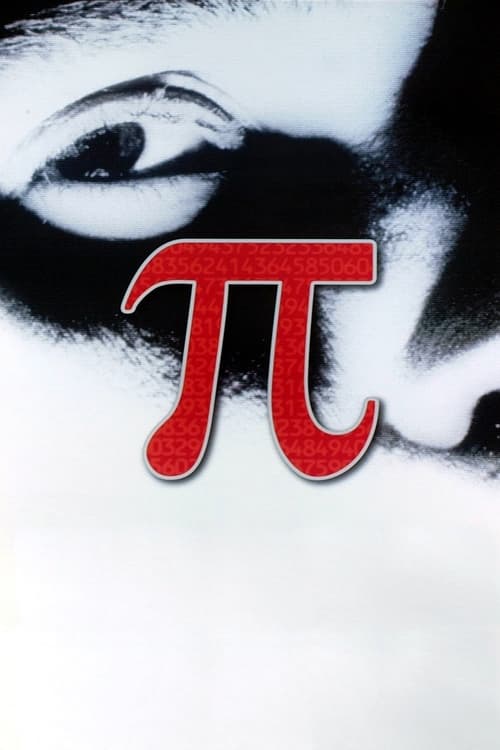
Written in a style that resembles David Mamet (if Mamet were a particularly testy computer repairman) and edited with a sense of obfuscation that seems deliberately, almost perversely, designed to thwart pleasure (or easy analysis), "Primer" has been compared to films like "Memento" and "Pi" -- far better, smarter and more stylish puzzlers that at least paid dividends for the viewer's investment of time and mental exertion.
Oft compared to Darren Aronofsky's Pi, the film bears a closer resemblance to Robert Connolly's similarly-minded techno-get-rich-scheme/quantum-mechanics thriller The Bank.
Conceptually, Primer evokes similarly minimalist science-fiction efforts such as La Jetée and Pi, but it also channels super-independent films becoming of the past decade: most notably, In the Company of Men, with which it shares a diminutive production budget and anonymous corporate setting.
Winner of the grand prize at last year’s Sundance Film Festival, Primer mixes the straight, middle-American white male angst of Neil Labute’s In the Company of Men with the sci-fi trappings of Darren Aronofsky’s Pi.
The closest recent precedent to Primer is Pi, which put an even more grimy aesthetic to use in its yarn about the discovery of a mathematical system for predicting stock-market activity.
Similarities between Primer and Pi can be drawn, but Primer succeeds where Pi didn't because it deals with something that all humans are curious about...time travel.
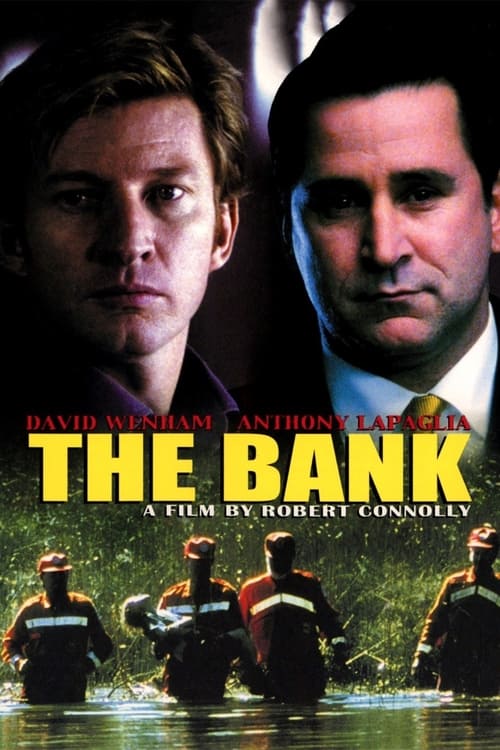
Oft compared to Darren Aronofsky's Pi, the film bears a closer resemblance to Robert Connolly's similarly-minded techno-get-rich-scheme/quantum-mechanics thriller The Bank.
Advertisement
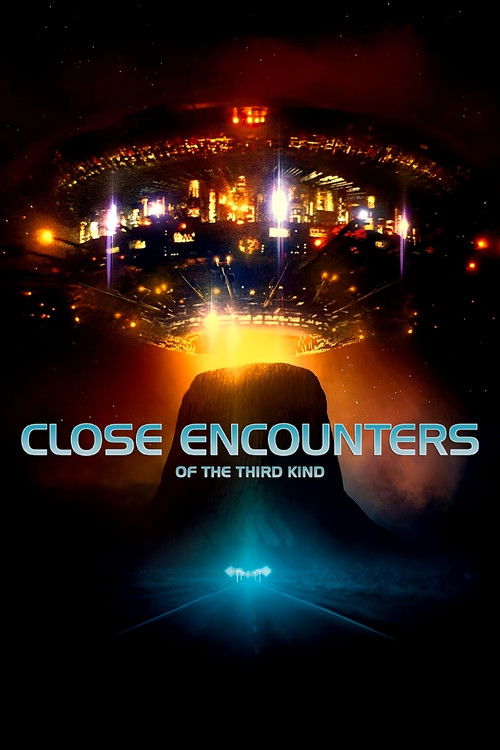
(The light streaming from the garage-door windows recalls nothing less than Close Encounters of the Third Kind , surely a touchstone).

For the same bankroll, director/writer/cameraman/editor/coproducer Robert Rodriguez El Mariachi had a plot and entertained, whereas Primer is non-linear and non-sense, light-years from being arguably the best American sci-fi flick of the last 20 years.…
Carruth, who wrote, directed and scored the film, has created something that shows remarkable promise - just like Robert Rodriguez did with $7,000 in "El Mariachi" (1992).
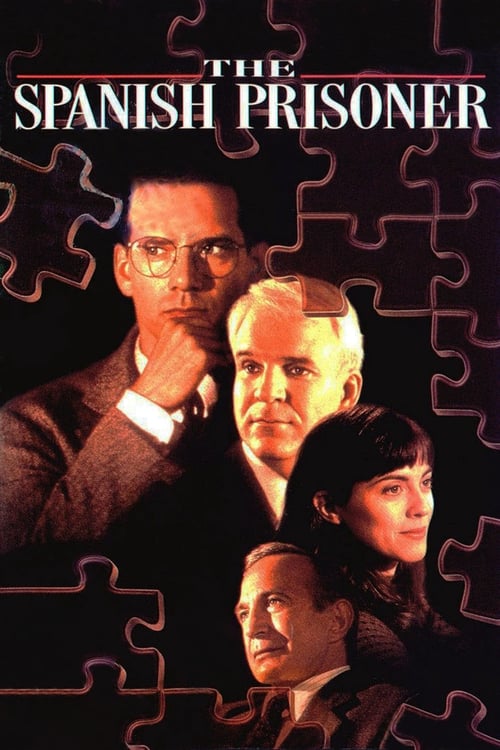
Like the never-explained "process" in David Mamet's "The Spanish Prisoner," it almost doesn't matter what the guys have created.
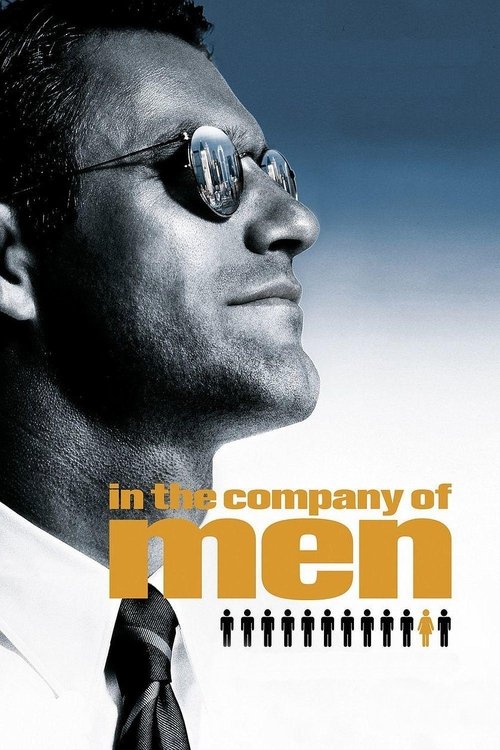
Conceptually, Primer evokes similarly minimalist science-fiction efforts such as La Jetée and Pi, but it also channels super-independent films becoming of the past decade: most notably, In the Company of Men, with which it shares a diminutive production budget and anonymous corporate setting.
Winner of the grand prize at last year’s Sundance Film Festival, Primer mixes the straight, middle-American white male angst of Neil Labute’s In the Company of Men with the sci-fi trappings of Darren Aronofsky’s Pi.
Advertisement
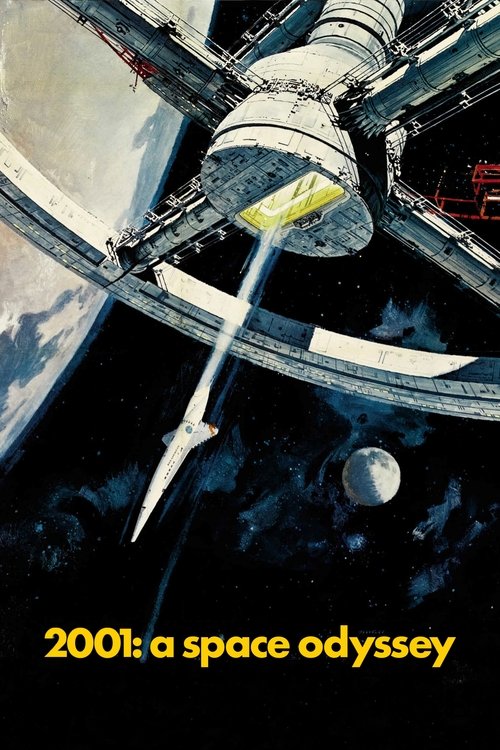
In the process, though, Carruth creates a “2001: A Space Odyssey” for the modern age, a confusing elaborate allegorical journey of man and machine, and the evolution of technology and its potential implications.

There’s nothing wrong with a sci-fi film attempting subtlety and ambiguity; look at Donnie Darko , a fascinating and entertaining movie that is nonetheless nigh-impossible to understand without annotated supplements (or a lot of far-fetched theorizing).
A Back to the Future without special effects or a Donnie Darko without innocence, Primer is the minimalist 2001 for the post�Bill Gates generation.