
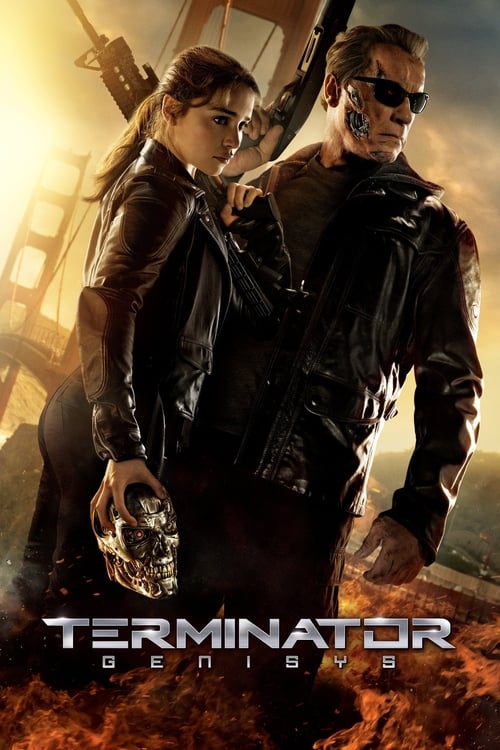
Terminator Genisys (2015)
Directed by Alan Taylor
The year is 2029. John Connor, leader of the resistance continues the war against the machines. At the Los Angeles offensive, John's fears of the unknown future begin to emerge when TECOM spies reveal a new plot by SkyNet that will attack him from both fronts; past and future, and will ultimately change warfare forever.
39 connections found
View:
39 films that influenced Terminator Genisys
What critics say influenced Terminator Genisys
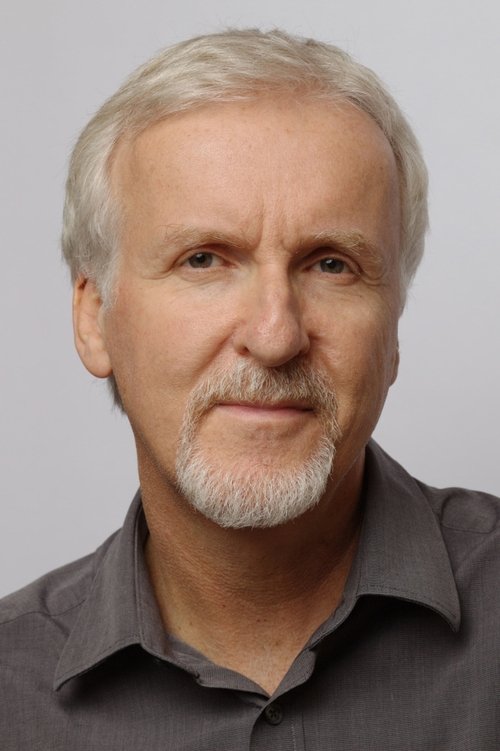
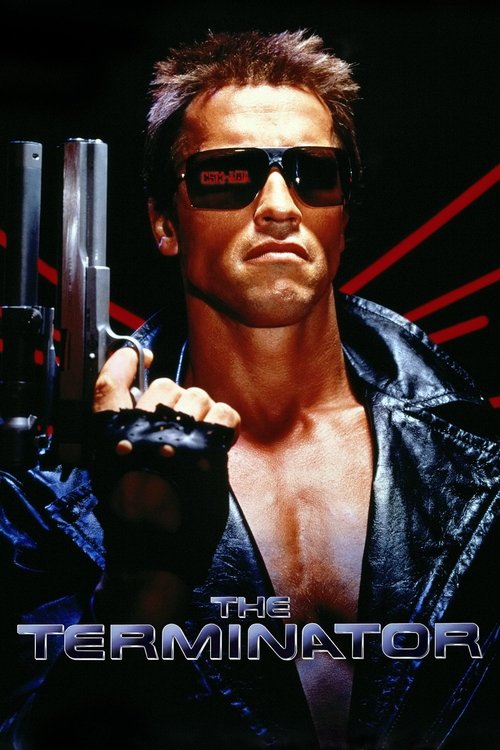


Exploiting the narrative possibilities of time travel on a more vigorous and elaborate scale than its relatively self-enclosed predecessors, “Genisys” effectively returns us to the events of James Cameron’s “The Terminator” (1984), stirs in the buddy-Arnold dynamics of “Terminator 2: Judgment Day” (1991), borrows the man-machine-hybrid plot device from McG’s “Terminator Salvation,” and more or less pretends that Jonathan Mostow’s “Terminator 3: Rise of the Machines” (2004) never happened (“never happened” being an admittedly unstable concept in this particular universe).
Its screenplay is one of those rare disasters generally reserved for a Syfy Channel Original, and indeed, the whole thing plays like the fourth sequel to Sharknado rather than the fourth sequel to James Cameron's The Terminator, which for some reason it replicates shot-for-shot in a series of 1984-set sequences.
He means Arnold Schwarzenegger as the T-800 model robot, a relentless killer from the future in The Terminator that gets reprogrammed as a noble automaton starting with Terminator 2: Judgment Day.
With “T2,” Cameron and co-writer William Wisher Jr. took the ideas and concepts they introduced in “The Terminator” and thrilled millions with a memorable, dare I say, classic, science fiction action epic.
For better but mostly for worse, it fits right into the modern blockbuster: Like a Marvel film, it’s a hodgepodge of stuff, mixing in brainless plotting (involving heady scientific concepts), passing thrills and nostalgia for a happier time of less sloppy blockbusters, including 1984, the year of “The Terminator,” and 1991, the year of “Terminator 2: Judgment Day.”
Become a fan on Facebook Follow on Twitter Review by Mark Dujsik | June 30, 2015 The Terminator series is a prime example of the concept of theme and variation.
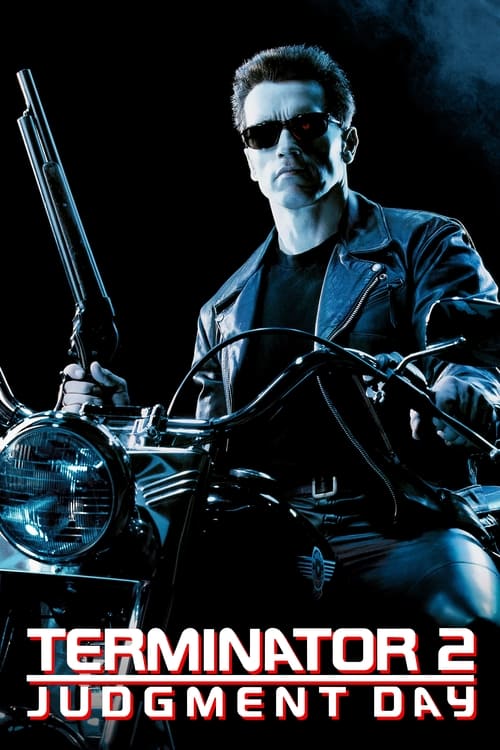
Exploiting the narrative possibilities of time travel on a more vigorous and elaborate scale than its relatively self-enclosed predecessors, “Genisys” effectively returns us to the events of James Cameron’s “The Terminator” (1984), stirs in the buddy-Arnold dynamics of “Terminator 2: Judgment Day” (1991), borrows the man-machine-hybrid plot device from McG’s “Terminator Salvation,” and more or less pretends that Jonathan Mostow’s “Terminator 3: Rise of the Machines” (2004) never happened (“never happened” being an admittedly unstable concept in this particular universe).
Hollywood’s latest effort to reinvigorate a cash cow ransacks James Cameron’s lean landmark actioners Terminator and its sequel Terminator 2: Judgment Day, lifting all the obvious touchstones from the franchise (yes, even Terminator Salvation) while rewriting Terminator history and fundamentally altering not only key characters, but the rules of the world.
He means Arnold Schwarzenegger as the T-800 model robot, a relentless killer from the future in The Terminator that gets reprogrammed as a noble automaton starting with Terminator 2: Judgment Day.
The second movie, Terminator 2: Judgment Day, is an action spectacular — with truly groundbreaking special effects — that followed a lot of the same themes of the first film, only with the switch of Arnold Schwarzenegger’s Terminator from a villain to the hero.
In her place is a resourceful, determined warrior, more akin to the Sarah from Terminator 2 .
For better but mostly for worse, it fits right into the modern blockbuster: Like a Marvel film, it’s a hodgepodge of stuff, mixing in brainless plotting (involving heady scientific concepts), passing thrills and nostalgia for a happier time of less sloppy blockbusters, including 1984, the year of “The Terminator,” and 1991, the year of “Terminator 2: Judgment Day.”
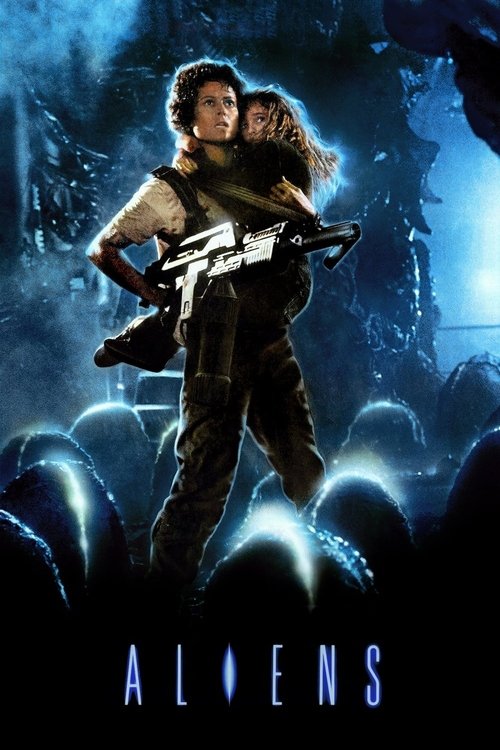
And that was when James Cameron was running things, having scored with the original in 1984, but who proved himself with “Aliens” two years later.
I came of age in the 1980s, which means I was weaned on classic science-fiction films like Aliens, Blade Runner, and, most especially, James Cameron's The Terminator.
The actor who played the original Kyle Reese, future savior of the past, and thus the future, was James Cameron’s go-to badass in three of the director’s most action and emotion-laden pre-CGI spectaculars: the stone-cold classic The Terminator, 1986’s relentlessly dark Aliens, and 1989’s unfairly overlooked The Abyss, in which Biehn played a Navy SEAL suffering from high-pressure nervous syndrome (read: bugfuck crazy) determined to set off an underwater nuke and kickstart World War III.
Besides, in the first half, the action sequences are a great deal of fun, however openly indebted to T2; the villain of the first third of the movie, for no reason other than "because it's cool", is a metallic shapeshifting T-1000 (Lee Byung-hun), and all of the tensest moments and most exciting action sequences pivot around that character - there is one sequence that brings us almost into Aliens territory (since once you've started copying James Cameron, you can't stop, like potato chips), in the form of a trap for the T-1000 that melts it into a scarred collection of jagged fingers of metal, and it is a lovely throwback to the traces of metallic body horror that were part of what made the first two Terminators so viscerally memorable, on top of being the only place where the 2015 CGI bringing the creature to life looks every bit as good as the 1991 CGI.
Pero bueno, seamos honestos, son las dos primeras películas, las del Cameron apasionado por la ciencia ficción y los showdowns épicos que sólo él sabía hacer (recordemos que entre esas dos películas está la pelea de Ripley con la reina madre en Aliens), las que permanecen en nuestra memoria.
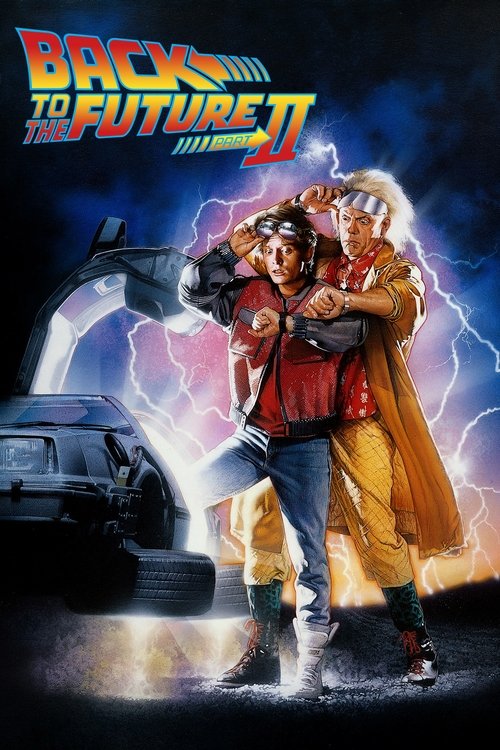
The inspiration for all this alternate timeline madness is, we’ve learned, Robert Zemeckis’s Back to the Future Part II.
Genisys, whose misspelled subtitle refers to the advanced operating system that will eventually become Skynet, takes a Back To The Future Part II approach, sending characters careening from 2029 to 1984 to 2017.
From “Back To The Future Part II” to “Harry Potter And The Prisoner Of Azkaban” to “Insidious: Chapter 2” – not to mention countless prequels and re-imaginings – this sort of temporal rejiggering has become commonplace.
I’ve seen some comparisons of Terminator: Genisys to Back to the Future Part II.
Delivered in wee truckloads of exposition by Laeta Kalogridis and Patrick Lussier, "Terminator Genisys" is like "Back to the Future Part II" times 20, or the more recent "Looper" with a hundred extra loops.
The similarly twisty but far smarter and more respectful "Back to the Future Part II," this is not.
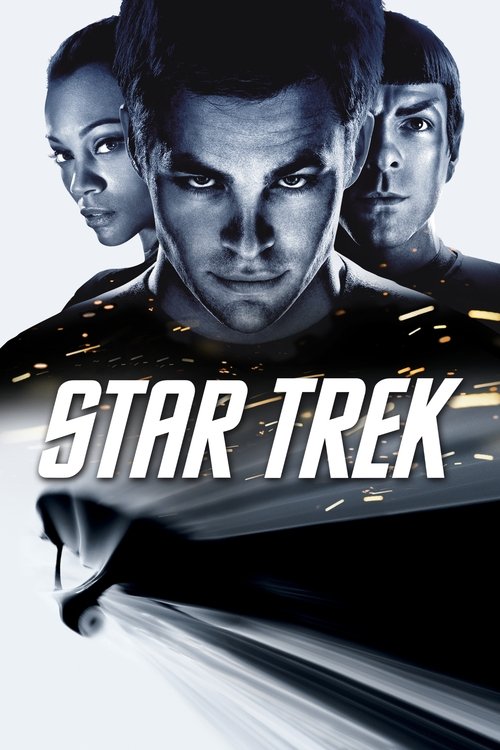
We’ve seen time travel and alternate dimensions successfully used to kickstart a franchise with the exceptionally well received 2009 Star Trek reboot.
Influenced both by Back to the Future 2 and J.J. Abrams' Star Trek reboot, the movie plays with time lines and alternate universes to establish its storyline.
I do not agree with these comparisons (I think Genisys is much more like J.J. Abrams’ first Star Trek movie), but the tone of how the characters react to these ludicrous time traveling situations is similar.
With inconsistencies and alterations to “Terminator” history explained by the characters’ contact with “a nexus point in the time flow,” the strategy is similar to that employed by J.J. Abrams in the new “Star Trek” movies, with the result being both sequel and reboot.
The Terminator series ostensibly lends itself to the sort of time-travelling reboot so well demonstrated by J.J. Abrams' Star Trek in 2009.
With Terminator: Genisys, Paramount has taken a page from their new Star Trek franchise and attempted to reboot a series of movies while pretending it's a sequel instead.
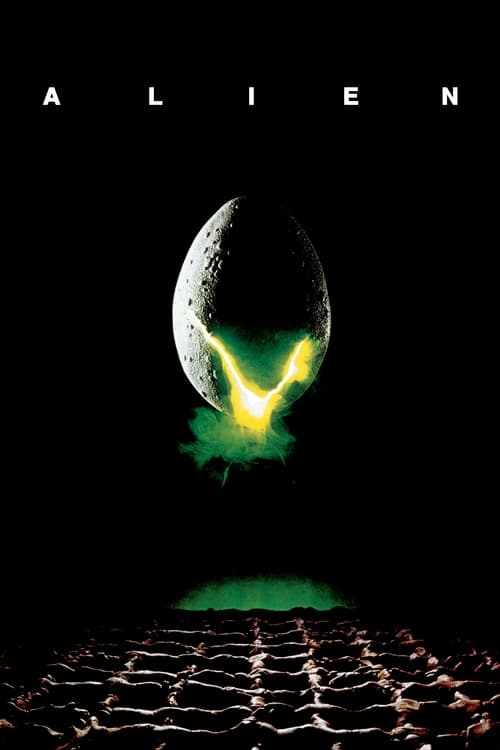
Five years after the release of Ridley Scott’s Alien (1979) and consequently Ellen Ripley, the Terminator franchise continued the mark of having females spearhead action films, a contrast to the Ronald Reagan inspired films of Chuck Norris and Sylvester Stallone.
As with the Alien films, Terminator and its first sequel turned out to be a surprisingly compelling and fascinating look at our society’s future destination.
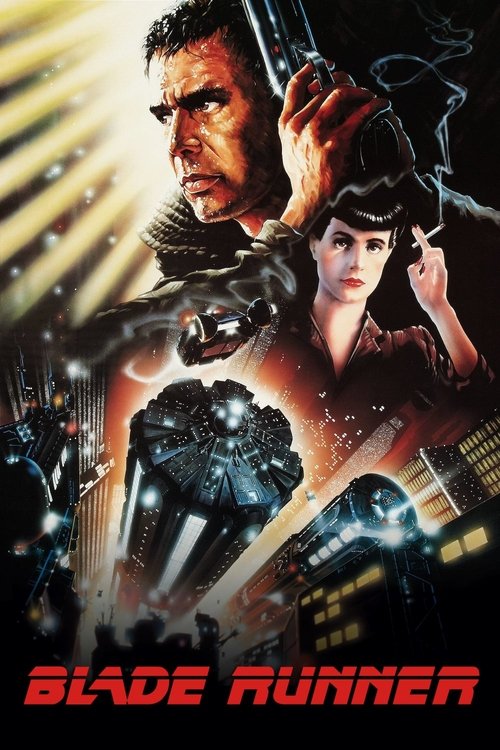
I came of age in the 1980s, which means I was weaned on classic science-fiction films like Aliens, Blade Runner, and, most especially, James Cameron's The Terminator.
El filme está lejos de alcanzar la importancia cultural que tuvo la película original, cuando, en la década de los ochenta, Terminator junto con Blade Runner (1982) y Robocop (1987) recurrieron al género de la ciencia ficción para reflexionar en torno a una de las problemáticas fundamentales de la posmodernidad, estudiada a fondo por el filósofo francés, Jean Baudrillard: el impacto de la tecnología moderna en el cuerpo humano, así como los sentimientos ambivalentes que podemos sentir hacia el avance tecnológico y las ansiedades sobre nuestra propia naturaleza en un mundo así.
Advertisement
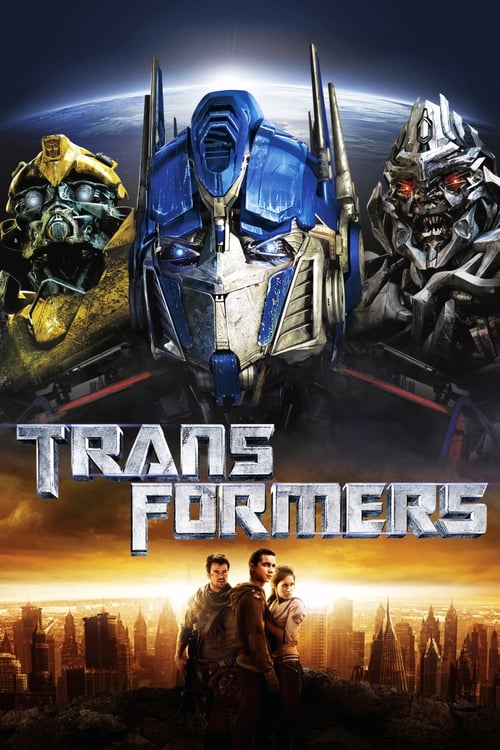
Instead, the constant barrage of overlong battle sequences, twisted metal and widespread devastation recalls Michael Bay's Transformers movies.
If you want pure mayhem, “San Andreas” and “Godzilla” and “Dawn of the Planet of the Apes” and even the crack overdose of Bay’s next-to-last “Transformers” movie are better choices.
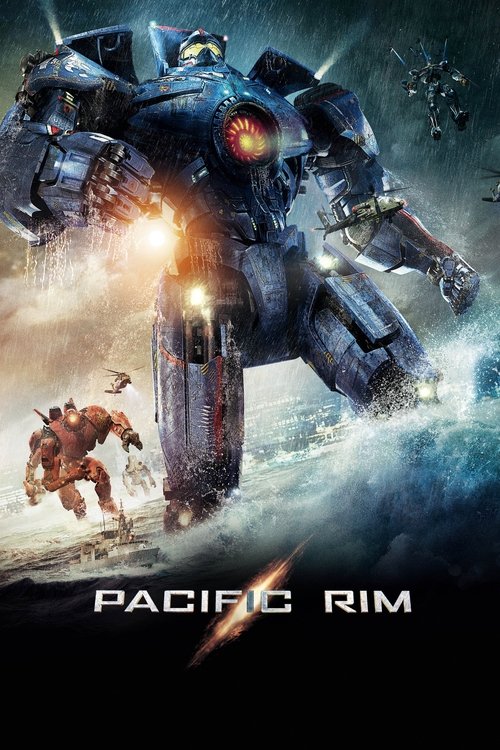
Se incluyen referencias necesarias a los dos primeros filmes de Cameron y se niegan e ignoran los otros dos filmes y, como si se tratara de un requisito en Hollywood, se recurre nuevamente a la ciudad de San Francisco y a la destrucción del imponente puente Golden Gate, tal como ya lo mostró Pacific Rim (2013), Godzilla (2014), Rise of the Planet of the Apes (2014) y San Andreas (2015).
And let's not forget Pacific Rim, Star Trek Into Darkness, Godzilla and Rise of the Planet of the Apes before that.
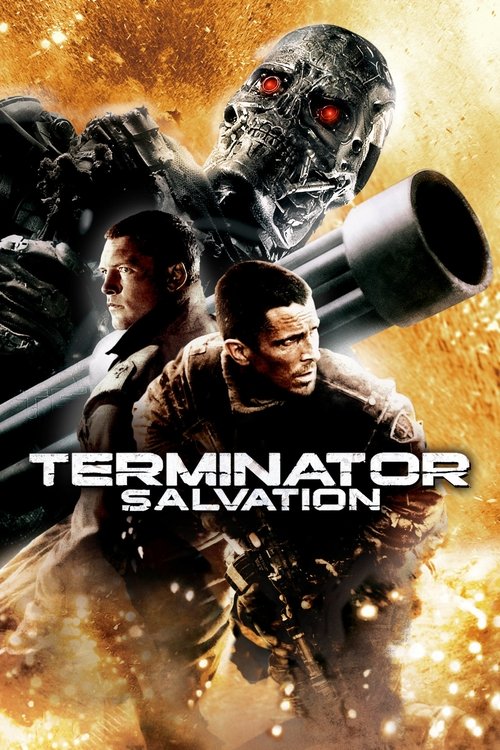
Hollywood’s latest effort to reinvigorate a cash cow ransacks James Cameron’s lean landmark actioners Terminator and its sequel Terminator 2: Judgment Day, lifting all the obvious touchstones from the franchise (yes, even Terminator Salvation) while rewriting Terminator history and fundamentally altering not only key characters, but the rules of the world.
You’d think Terminator Salvation would have followed suit, but for whatever reason it held onto that sub-par entry if only through the character of Kate Brewster, otherwise known as Mr. Savior of Humanity John Connor’s wife.
Arnold Schwarzenegger has returned, however, after skipping 2009's Terminator Salvation since he was busy running California (some say into the ground).
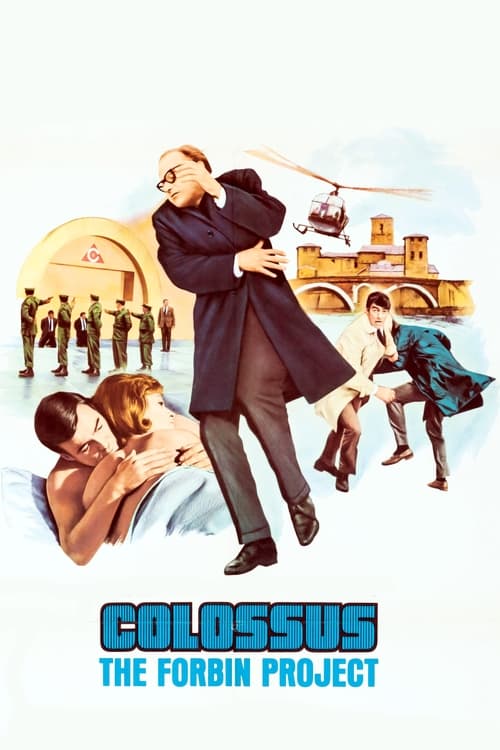
(Compared to Ava from “Ex Machina,” Skynet looks as outdated and old-school as anything in 1970’s “Colossus: The Forbin Project.”)
Advertisement

The action continues at full-force as things progress, but director Alan Taylor eventually runs out of visual “Terminator” references to ape and begins blatantly ripping off everything from The Lost World: Jurassic Park and The Matrix (which itself was influenced by Cameron’s movies).
Like Skynet, and now Jurassic Park , the series has become terminally self-aware, as only a brand this old can.
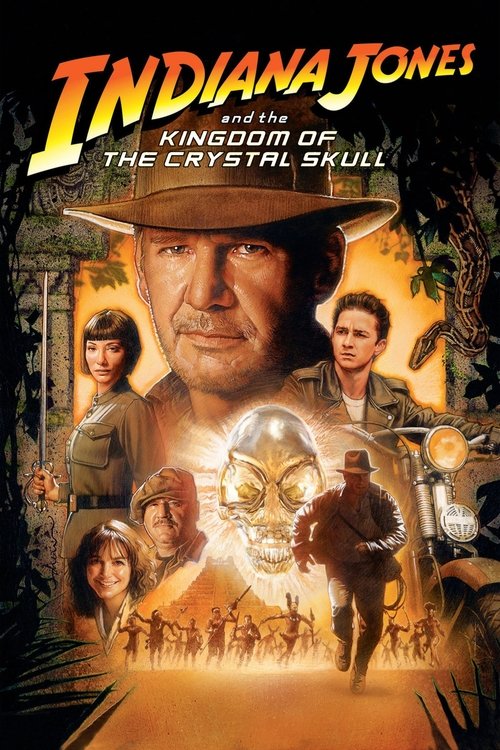
Rebooting a long-dormant franchise often requires tricky maneuvering, whether the tack taken involves embracing prior adventures (as with Indiana Jones and the Kingdom of the Crystal Skull), casually ignoring that which came before (Mad Max: Fury Road), or creating alternate-reality explanations for why characters aren’t behaving as they did in the past (Star Trek).

Something else that doesn't make sense, T5 also has a call-out to Chris Marker's La Jetée.