
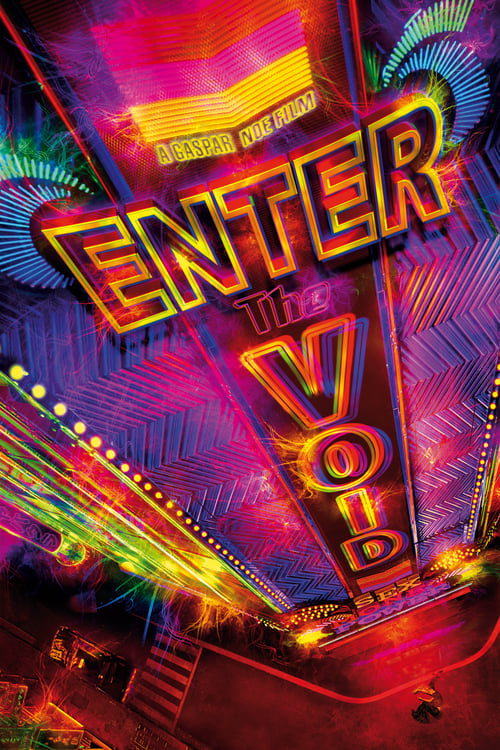
Enter the Void (2010)
Directed by Gaspar Noé
This psychedelic tour of life after death is seen entirely from the point of view of Oscar, a young American drug dealer and addict living in Tokyo with his prostitute sister, Linda. When Oscar is killed by police during a bust gone bad, his spirit journeys from the past -- where he sees his parents before their deaths -- to the present -- where he witnesses his own autopsy -- and then to the future, where he looks out for his sister from beyond the grave.
27 connections found
View:
27 films that influenced Enter the Void
What critics say influenced Enter the Void
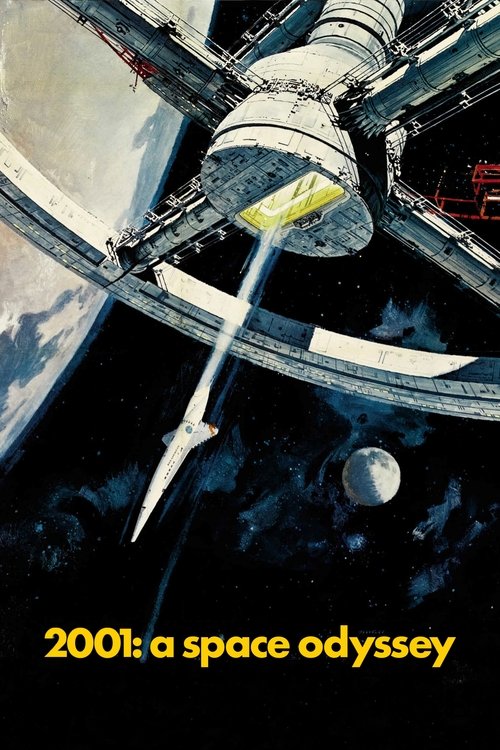


Using 1947's The Lady in the Lake as his central inspiration (with a heavy dose of the stargate sequence of 2001: A Space Odyssey, Noe aims for the ultimate mind-trip movie - a picture that never once leaves the protagonist's head.
Gaspar Noe's latest attempt to make the 2001: A Space Odyssey of nihilistic art-porn observes the seedy side of Tokyo nightlife quite literally through the eyes of a dead man.
It is also one of the most visually audacious and narrative-halting moments in cinema since Stanley Kubrick’s light corridor sequence in 2001: A Space Odyssey (1968).
The hallucinogenic swirls of Kubrick’s 2001: A Space Odyssey find bold expression in Noé’s depiction of the drug-induced fantasies of junkie protagonist Oscar (Nathaniel Brown), whose afterlife experiences literally float across the screen.
In the end, Noé's peppering his script with references to The Tibetan Book of the Dead feels less like a jumping-off point for a thoughtful consideration of reincarnation as either rebirth or learning experience and more like an excuse to rationalize the story's plot-dumping—and indulge his obvious obsession with 2001: A Space Odyssey .
This is Noé's 2001: A Space Odyssey, a wildly ambitious jump into uncharted territory.
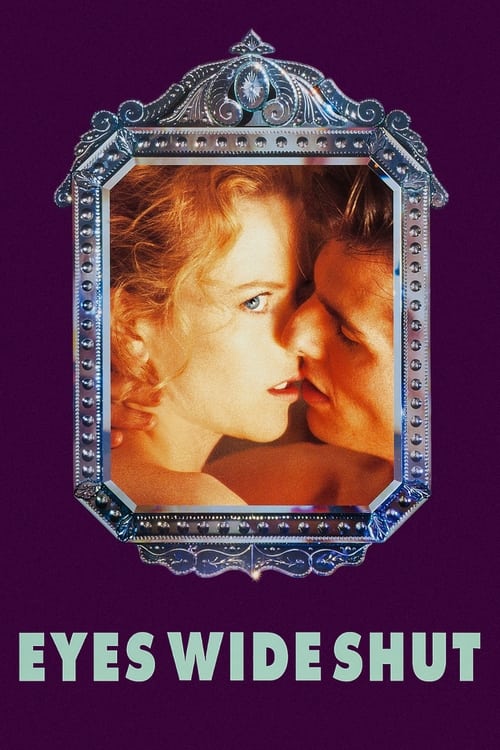
A better Kubrick comparison for the actual story, however, might be Eyes Wide Shut.
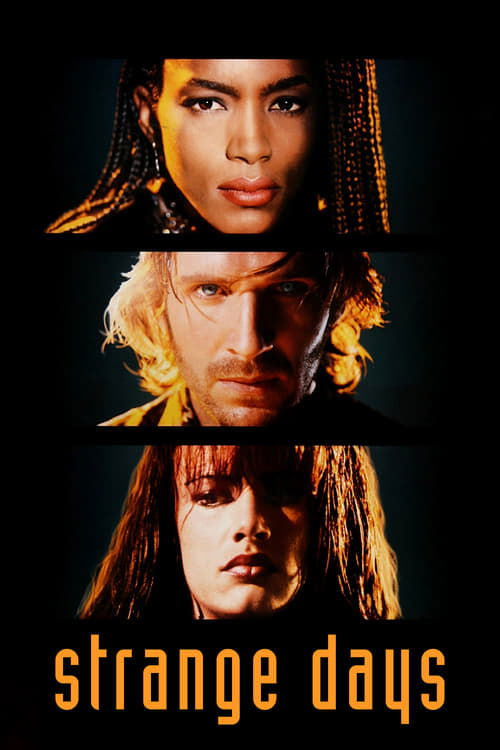
Noé had a vision, reportedly sparked by watching Robert Montgomery's Lady in the Lake and Kathryn Bigelow's Strange Days on drugs.
The entire film is shot from Oscar’s point-of-view evoking Hollywood classics such as Robert Montgomery’s Lady in the Lake (1947) and the first third of Delmer Daves’s Dark Passage (1947) as well as first person computer games, the opening of Kathryn Bigelow’s Strange Days (1995) and Jonas Åkerlund’s music video for The Prodigy’s single “Smack My Bitch Up” (1997).
Director Kathryn Bigelow and writer James Cameron took the same idea a decade later and cyberpunked it up as Strange Days (1995), which opened with a truly extraordinary POV action sequence and later cooked up a frightening first-person rape scene.
Pompous with pregnant implications, mean in story, and exhausting rather than exhilarating in technique, the interior and afterlife journey is not a patch on Fantastic Voyage, Yellow Submarine, 2001: A Space Odyssey, Performance , Altered States, Tron, Strange Days and a long et cetera.
The concept of shooting the entire film from the protagonist's point of view is not completely unheard of; in an interview with the Montreal Mirror, Noé has cited the "virtual-reality snuff films" sequences in Kathryn Bigelow's "Strange Days" and Jonas Ã
kerlund's music video for The Prodigy's Smack My Bitch Up as possible influences, to which I'd add Julian Schnabel's "Le Scaphandre et le papillon", about half of which was shown through the main character's POV.
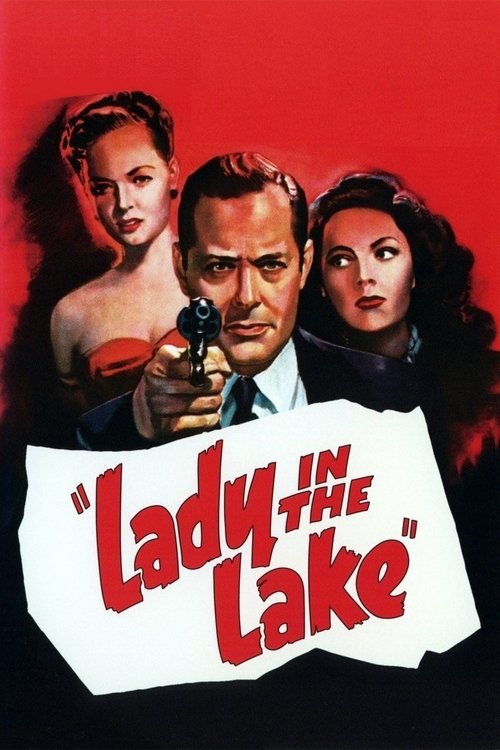
I say ‘we’ because the whole film is shot from Oscar’s point of view (Enter the Void is probably the first full-length film to attempt this schtick since the Marlowe misfire Lady in the Lake in 1947).
Noé had a vision, reportedly sparked by watching Robert Montgomery's Lady in the Lake and Kathryn Bigelow's Strange Days on drugs.
The entire film is shot from Oscar’s point-of-view evoking Hollywood classics such as Robert Montgomery’s Lady in the Lake (1947) and the first third of Delmer Daves’s Dark Passage (1947) as well as first person computer games, the opening of Kathryn Bigelow’s Strange Days (1995) and Jonas Åkerlund’s music video for The Prodigy’s single “Smack My Bitch Up” (1997).
The filmmaker conceived of Enter the Void while tripping out to a screening of Robert Montgomery's 1947 noir Lady in the Lake, in which the entirety of the story is told through the point of view of Montgomery's Phillip Marlowe.
But 1947's The Lady in the Lake, a feature-length film noir shot entirely with a subjective camera, is an oft-discussed but somewhat goofy curio that is seldom actually dragged out into the light of day.

In his role as his sister's guardian angel (à la Wings of Desire and Les Enfants Terribles), Oscar revisits scenes from their childhood — it's complicated and troubled — as well as from her stressful adult life.
Advertisement
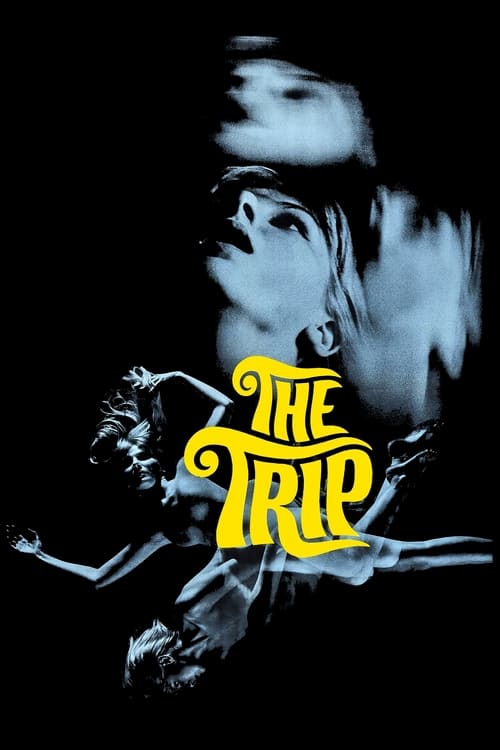
Closer to Corman�s The Trip than to Kubrick's 2001, though I have to admire any filmmaker cracked enough to cap a vision of cosmic transcendence with a vagina�s view of an incoming penis-missile.
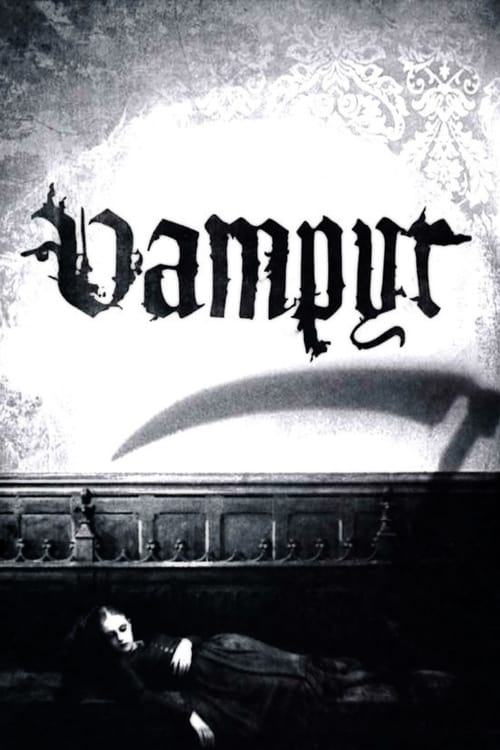
For instance, there's a memorable sequence in Carl-Theodor Dreyer's Vampyr (1932) in which the camera seems to be placed inside a coffin and then carried through the streets.
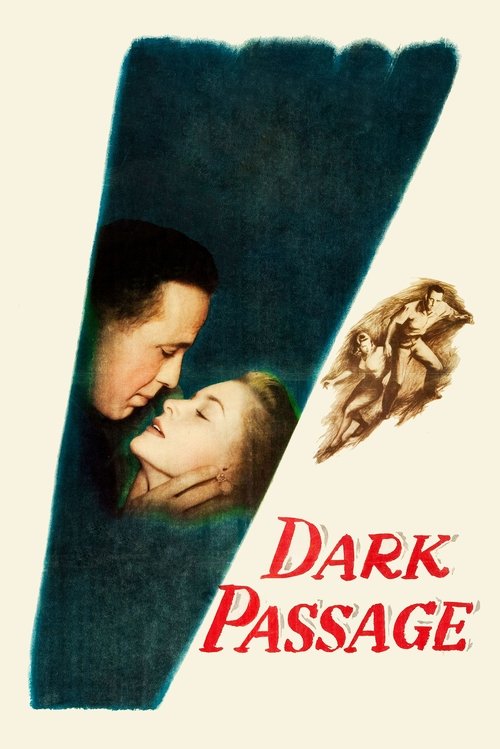
The entire film is shot from Oscar’s point-of-view evoking Hollywood classics such as Robert Montgomery’s Lady in the Lake (1947) and the first third of Delmer Daves’s Dark Passage (1947) as well as first person computer games, the opening of Kathryn Bigelow’s Strange Days (1995) and Jonas Åkerlund’s music video for The Prodigy’s single “Smack My Bitch Up” (1997).
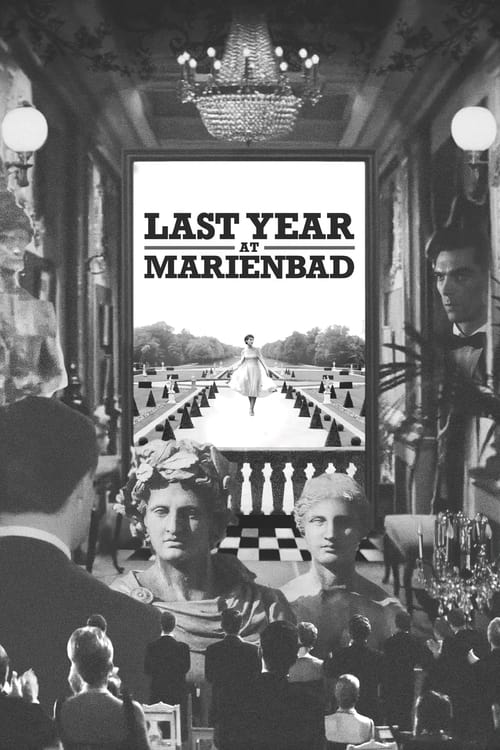
From Alain Resnais’s Last Year at Marienbad (1961) to David Lynch’s Eraserhead (1976) to E. Elias Merhige’s Begotten (1990), such films create a bewildering cinematic experience so that even if they are despised, as they often are, they are not easily forgotten.
Advertisement
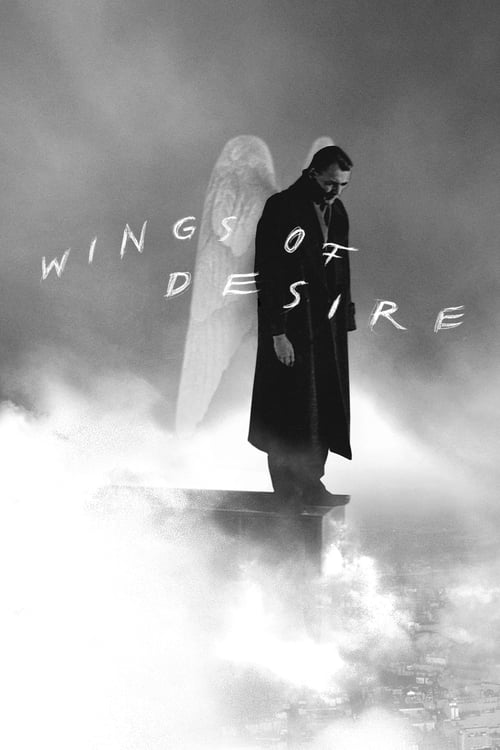
In his role as his sister's guardian angel (à la Wings of Desire and Les Enfants Terribles), Oscar revisits scenes from their childhood — it's complicated and troubled — as well as from her stressful adult life.
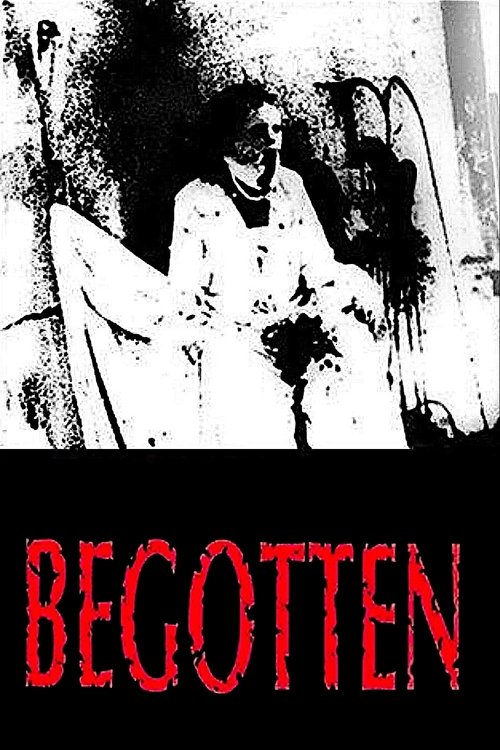
From Alain Resnais’s Last Year at Marienbad (1961) to David Lynch’s Eraserhead (1976) to E. Elias Merhige’s Begotten (1990), such films create a bewildering cinematic experience so that even if they are despised, as they often are, they are not easily forgotten.