
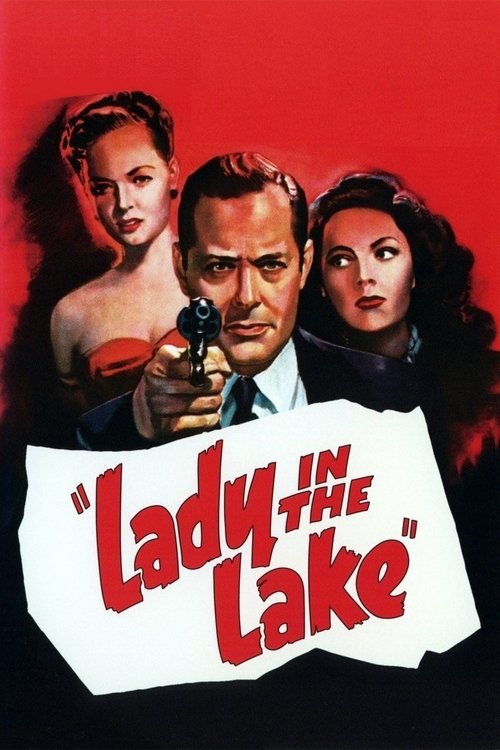
Lady in the Lake (1946)
Directed by Robert Montgomery
Private eye Phillip Marlowe wants to get out of the detective racket and into crime writing. But when he's called to the office of editor Adrienne Fromsett, it's not to talk about his story ideas — she wants him to locate the missing wife of her boss, Mr. Kingsby. The assignment quickly becomes complicated when bodies start turning up.
6 connections found
View:
6 connections, in both directions
What critics compared Lady in the Lake to
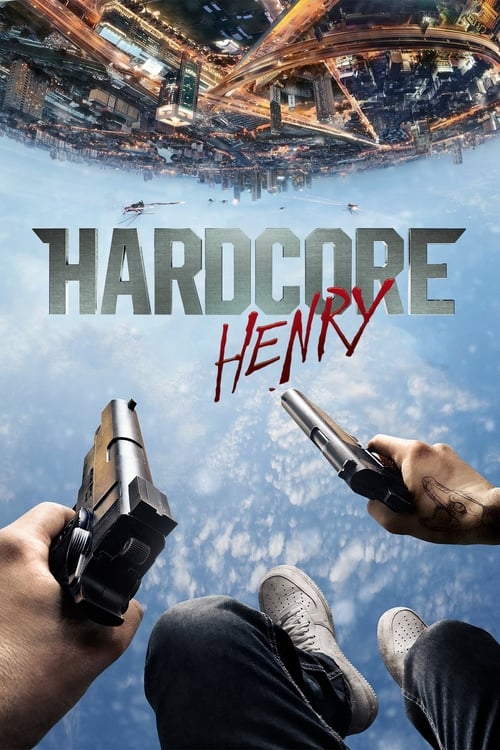


One such picture, “Lady in the Lake,” a 1947 detective picture (adapted from a Raymond Chandler novel) directed by and starring a largely unseen (save for mirror shots) Robert Montgomery, gets a nod of recognition in the much more frenetic and fantastical “ Hardcore Henry .”
(Blink and you’ll miss a reference to that film, 1947’s Lady in the Lake.)
There's even a blink-and-you'll-miss-it nod to the gimmick's history in a poster, spotted on a bystander's wall, for Robert Montgomery's groundbreaking 1947 camera-as-protagonist noir "Lady in the Lake."
That cycle accompanied one of Hollywood’s most famous first-person flops, Robert Montgomery’s 1947 Philip Marlowe mystery Lady in the Lake, and it will almost certainly repeat itself with Hardcore Henry, a frenetic yet joyless Russian action film that takes its inspiration from videogames rather than Raymond Chandler novels.
One scene even references Robert Montgomery's Lady in the Lake, which used the first-person perspective technique all the way back in 1947.
Back in 1947, actor Robert Montgomery directed an adaptation of Raymond Chandler's Lady in the Lake, and in essaying the role of detective Philip Marlowe, he had the whole picture shot through his character's POV.

I say ‘we’ because the whole film is shot from Oscar’s point of view (Enter the Void is probably the first full-length film to attempt this schtick since the Marlowe misfire Lady in the Lake in 1947).
Noé had a vision, reportedly sparked by watching Robert Montgomery's Lady in the Lake and Kathryn Bigelow's Strange Days on drugs.
The entire film is shot from Oscar’s point-of-view evoking Hollywood classics such as Robert Montgomery’s Lady in the Lake (1947) and the first third of Delmer Daves’s Dark Passage (1947) as well as first person computer games, the opening of Kathryn Bigelow’s Strange Days (1995) and Jonas Åkerlund’s music video for The Prodigy’s single “Smack My Bitch Up” (1997).
The filmmaker conceived of Enter the Void while tripping out to a screening of Robert Montgomery's 1947 noir Lady in the Lake, in which the entirety of the story is told through the point of view of Montgomery's Phillip Marlowe.
But 1947's The Lady in the Lake, a feature-length film noir shot entirely with a subjective camera, is an oft-discussed but somewhat goofy curio that is seldom actually dragged out into the light of day.
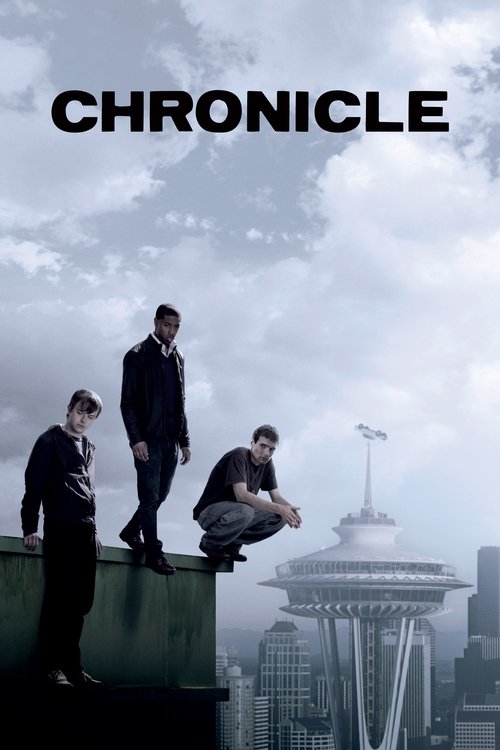
That goes back ages too; Robert Montgomery used it as the star and director of the 1947 Lady in the Lake, with a subjective camera that saw only what detective Philip Marlowe saw — including himself, occasionally, in a mirror.
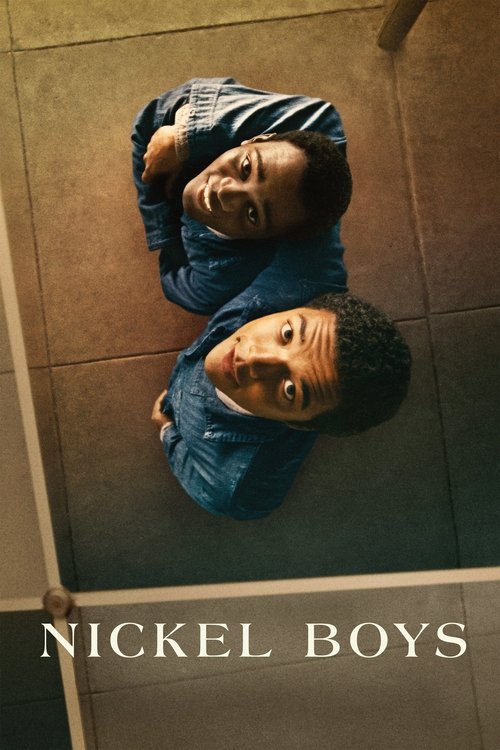
"Nickel Boys" isn't the first movie to take this approach. The silly "Hardcore Henry" used it to show its action hero laying waste to everyone in his path like a video game character, and Robert Montgomery's Raymond Chandler movie "Lady in the Lake," from 1947, also employed a first-person POV approach to get us inside the head of main character Phillip Marlowe. Steven Soderbergh's ghost story "Presence," due out next year, also takes a similar approach.
Even worse are the movies that attempt sustained first-person POV for reasons other than unreliability. The noirs Lady in the Lake (1946) and Dark Passage (1947) both use first-person for much or all of the movie, the former to replicate Raymond Chandler’s propulsive prose, and the latter to hide the protagonist’s face until he can remove bandages after his extensive surgery and reveal that he looks like Humphrey Bogart.
It’s a technique intermittently tried in crime and horror films such as the Chandler adaptation Lady in the Lake (1947), which fades in importance once the boys interact.
Advertisement

Its chief difference — and a brilliant angle — is that Raymond Chandler’s private eye Philip Marlowe isn’t a tough, quick-witted and verbose gumshoe like Humphrey Bogart in The Big Sleep or Robert Montgomery in Lady in the Lake but rather a shuffling, mumbling slob played by Elliott Gould.
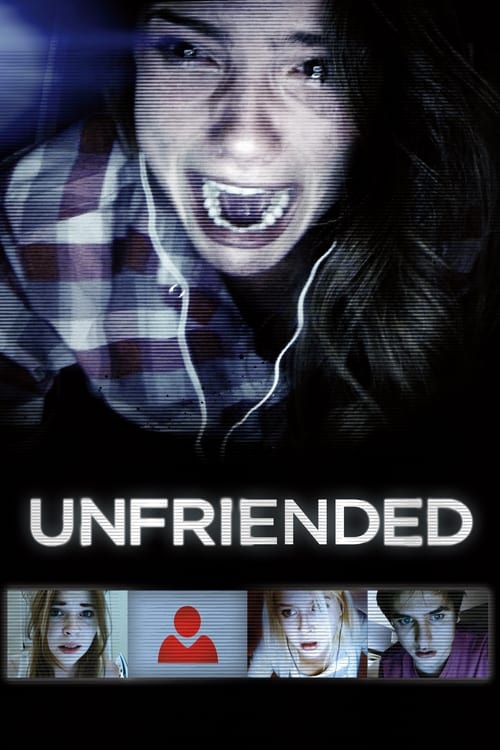
“ Unfriended ,” a horror thriller from the Russian producer-director team of Timur Bekmambetov and Levan Gabriadze, is part of a long, proud tradition of visual gimmickry pressed into service on behalf of genre, from the seemingly unbroken single take of Alfred Hitchcock’s “ Rope ” and Robert Montgomery’s subjective camera in “ Lady in the Lake ” to the poly-format “ Project X .”