
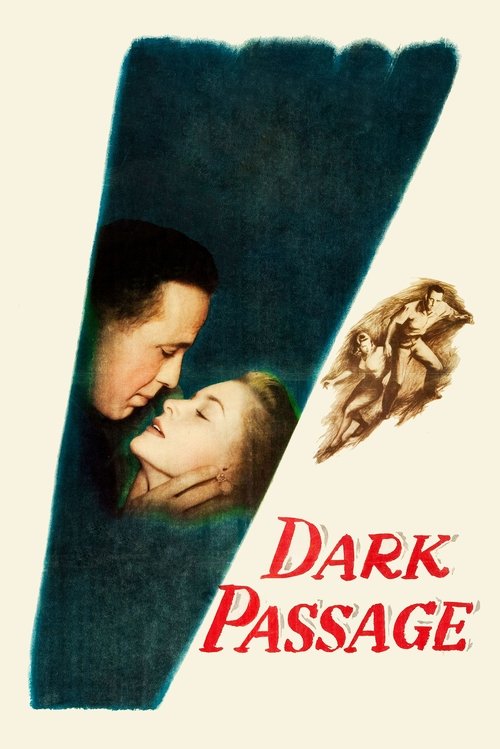
Dark Passage (1947)
Directed by Delmer Daves
A man convicted of murdering his wife escapes from prison and works with a woman to try and prove his innocence.
5 connections found
View:
5 connections, in both directions
What critics compared Dark Passage to
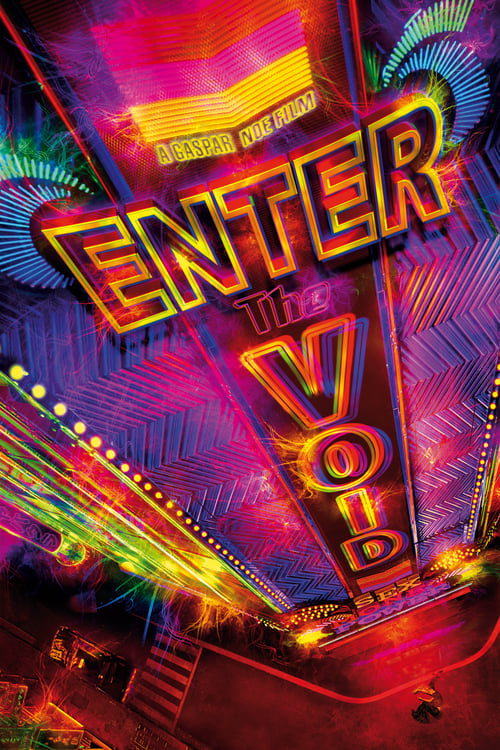


The entire film is shot from Oscar’s point-of-view evoking Hollywood classics such as Robert Montgomery’s Lady in the Lake (1947) and the first third of Delmer Daves’s Dark Passage (1947) as well as first person computer games, the opening of Kathryn Bigelow’s Strange Days (1995) and Jonas Åkerlund’s music video for The Prodigy’s single “Smack My Bitch Up” (1997).

Moreover, the first-person device, which isn’t even new — way back in 1947, the Humphrey Bogart movie “Dark Passage” tried it; it didn’t catch on — is ineffective.
This trick has been tried before, notably in noir films such as Dark Passage and Lady in the Lake (both 1947) and sections of Strange Days (1995).
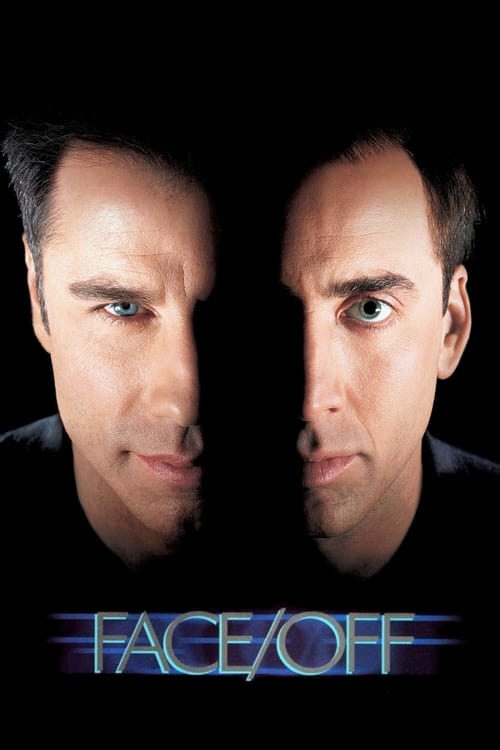
The hallucinatory force of "Face/Off's" central idea recalls the peak film noir stories of the '40s (films like "Dark Passage," "The Dark Mirror" or "Kiss of Death").

Even worse are the movies that attempt sustained first-person POV for reasons other than unreliability. The noirs Lady in the Lake (1946) and Dark Passage (1947) both use first-person for much or all of the movie, the former to replicate Raymond Chandler’s propulsive prose, and the latter to hide the protagonist’s face until he can remove bandages after his extensive surgery and reveal that he looks like Humphrey Bogart.
Advertisement
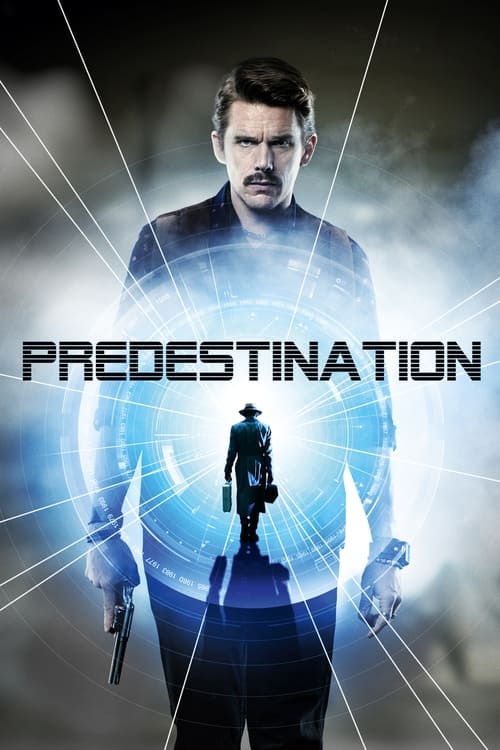
There’s a boom, a mess of melting flesh and, shortly thereafter, the temporal agent is in bed with his face wrapped in bandages, much like Humphrey Bogart’s in the 1947 noir “Dark Passage.”