
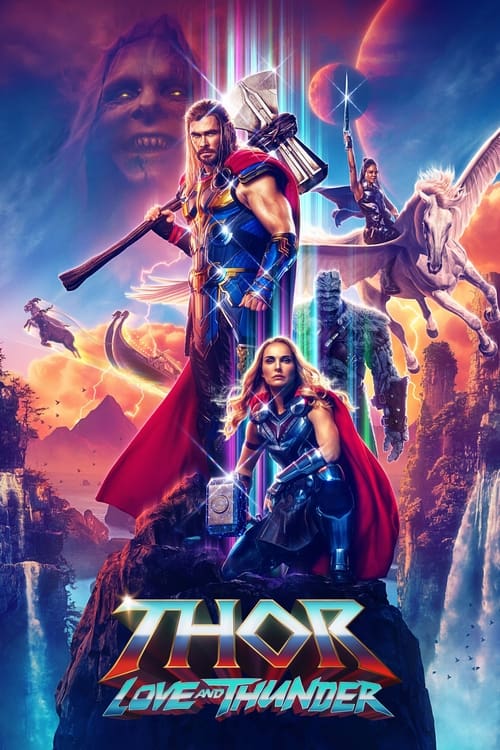
Thor: Love and Thunder (2022)
Directed by Taika Waititi
After his retirement is interrupted by Gorr the God Butcher, a galactic killer who seeks the extinction of the gods, Thor Odinson enlists the help of King Valkyrie, Korg, and ex-girlfriend Jane Foster, who now wields Mjolnir as the Mighty Thor. Together they embark upon a harrowing cosmic adventure to uncover the mystery of the God Butcher’s vengeance and stop him before it’s too late.
10 connections found
View:
10 films that influenced Thor: Love and Thunder
What critics say influenced Thor: Love and Thunder
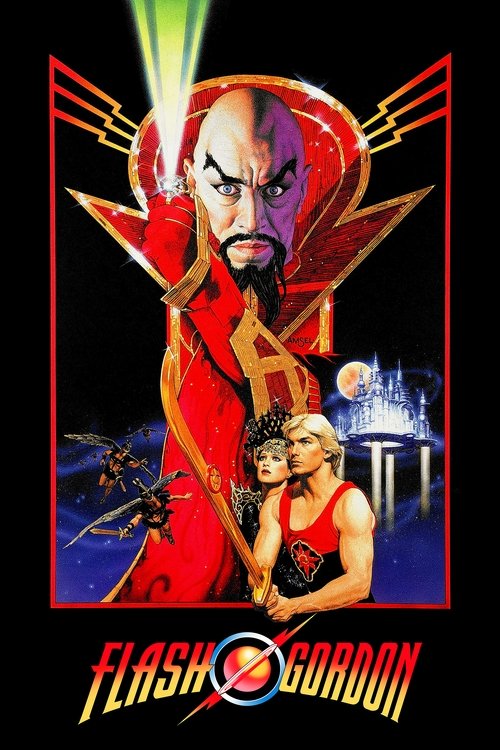


It somehow worked, thanks to Waititi’s gleeful B-movie energy that reminded me of the 1980s era of Flash Gordon.
Like Ragnarok before it, the film captures the cosmic essence of “Thor” creators Stan Lee, Larry Lieber, and Jack Kirby to the point that I feel fairly confident that a structure in an early scene is an homage to Flash Gordon (1980) (or vice versa).
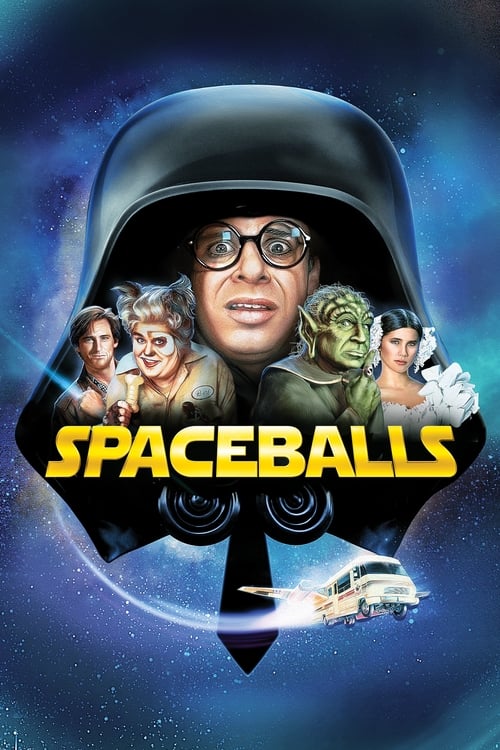
As for Thor’s homeland being reimagined as a hokey seaside tourist attraction offering merch and rides on Viking boats, the concept brings to mind the Brooks classic Spaceballs .
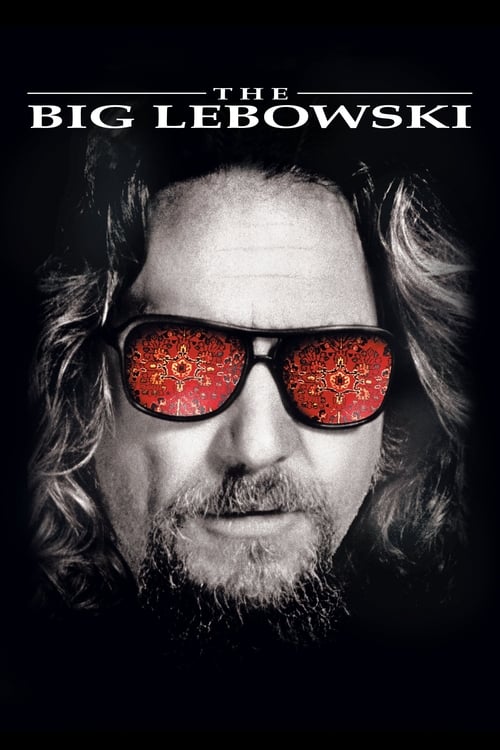
Sure, Iron Man's got quips and the Guardians of the Galaxy are their own kind of jukebox heroes, but Thor is the only one of the bunch to have at one point given up his chiseled physique and transformed himself into a big bellied version of Jeff Bridges' the Dude from "The Big Lebowski."
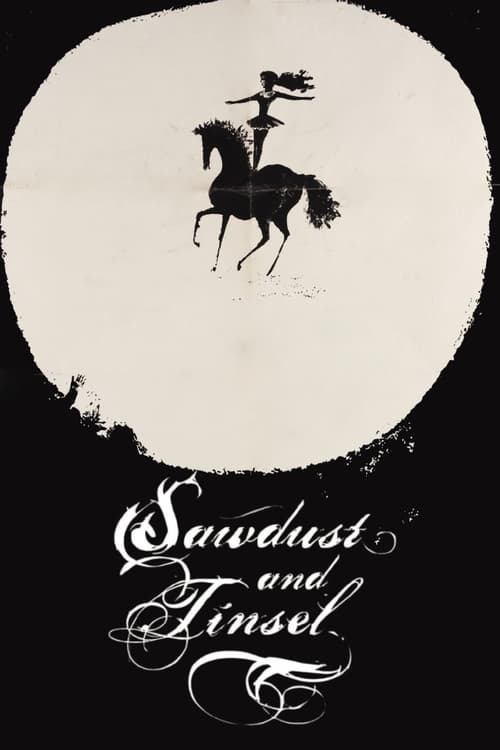
Christian Bale, looking like a cadaverous goblin crossed with the clown from Bergman’s “Sawdust and Tinsel,” glowers with charismatic hellbent cunning, though I can’t say that he brings the character of Gorr any revelatory new flavor of malevolence.
Advertisement
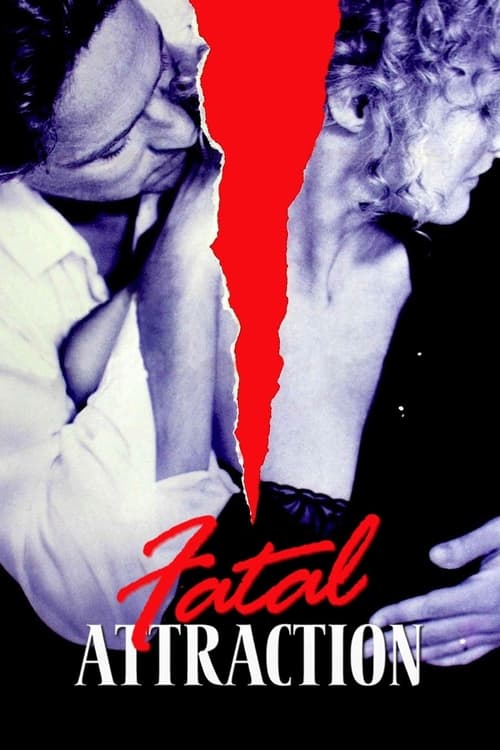
Not only does Thor feel like a spurned lover when Mjölnir chooses Jane, his new magic ax is always hovering right out of frame and ready to go all “Fatal Attraction” on him whenever he ogles his old hammer.
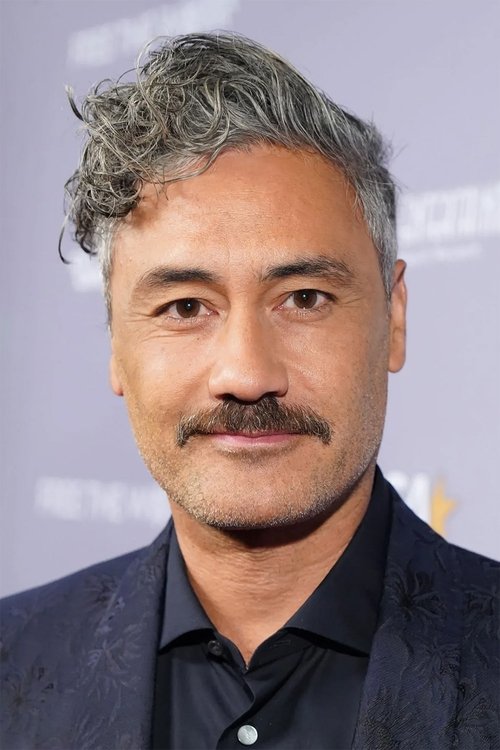
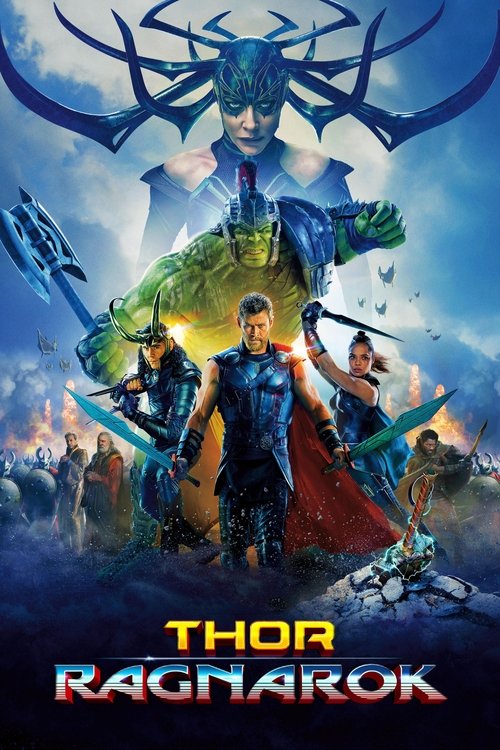
Taika Waititi revitalized the MCU’s Thor Odinson strand in 2017 with Thor: Ragnarok by leaning into the irreverent comedy, mirroring the pop-cultural playfulness that had worked for the Guardians of the Galaxy films.
While decidedly smaller-scale compared to some of the MCU's more recent cinematic entries, Love and Thunder has had a unique set of expectations surrounding it, both as the first "fourquel" within the overall franchise, and the long-awaited follow-up to Taika Waititi's inventive and surprising work on 2017's Thor: Ragnarok .
The title that Taika Waititi chose for “Thor: Love and Thunder” is a good one; not only does it reflect the movie’s hard rock flavor (which is as much of a tribute to Guns N’ Roses as “Thor: Ragnarok” was to Led Zeppelin), it also speaks to the latest Marvel spectacle’s almost perfectly even split between raw emotionality and empty noise.
Thor: Love and Thunder has a definite Thor: Ragnarok vibe and then some.
That probably has a lot to do with who’s behind the camera here – one Taika Waititi, who, since 2017’s Thor: Ragnarok , has become the shining exemplar of how to navigate the mainstream without losing your soul in the process.
Thor: Love and Thunder, unlike Taika Waititi‘s previous entry, Thor: Ragnarok, suffers from familiarity.

Where Ragnarok sometimes teetered towards a tone of self-satisfaction, Taika Waititi is at his best when being truly vulnerable — offsetting the barrage of winking gags with explorations of loss, loneliness and inadequacy (see: Hunt For The Wilderpeople and Boy ).
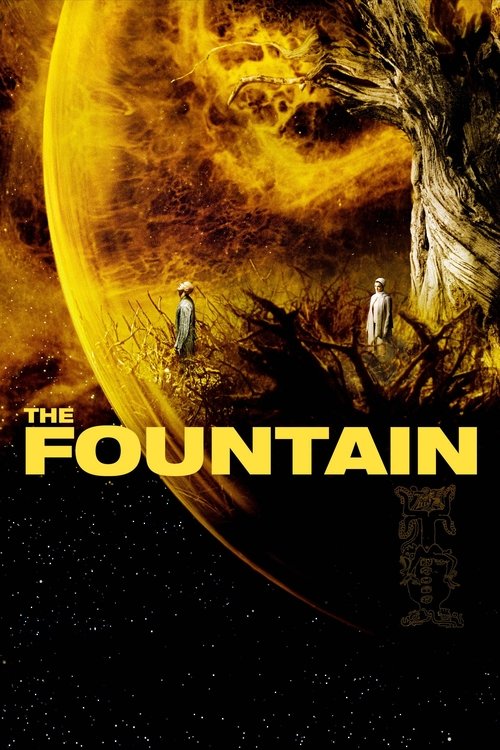
Waititi’s film opens with the vengeance-obsessed villain (Christian Bale) clutching the body of his dead young daughter, diagnoses a major character with stage four cancer not long after that, and then sends Thor and his friends on a mystical journey to the center of the cosmos, the most poignant moments of which have more in common with “The Fountain” than anything in the MCU franchise.
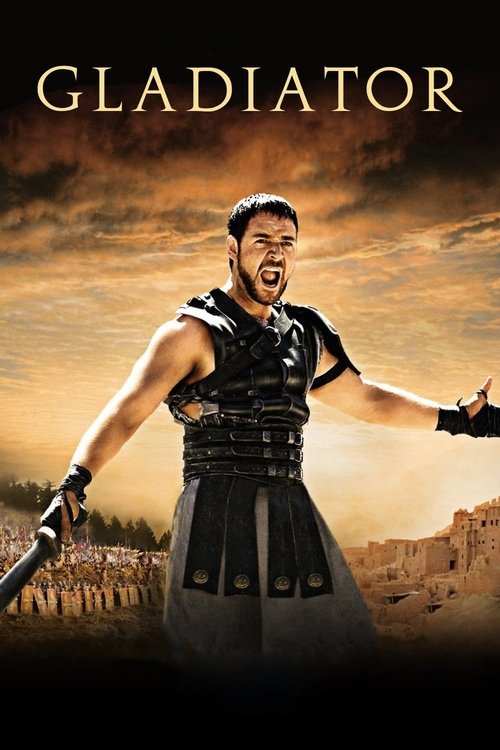
Russell Crowe later dons gold-plated armor and a skirt — not to reprise his “Gladiator” role but to instead portray Zeus, the God of Lightning who holds court in Omnipotence City among a crowd of ever-diminishing gods.
Their first stop, Omnipotence City, where they hope to convince Zeus (Russell Crowe, looking like Burt Lahr's Cowardly Lion wearing a tutu beneath a “Gladiator” style breastplate) to supply them with an army, is the film’s shining highlight, Crowe, speaking with an affected Greek accent, sending himself up with unconstrained glee.
Advertisement
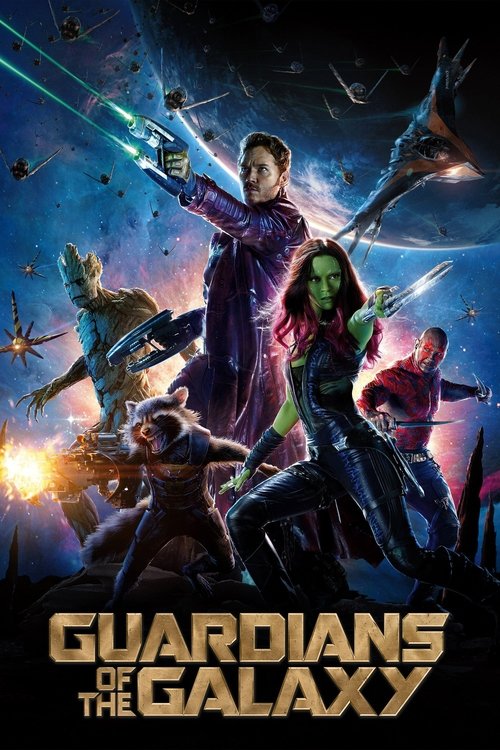
Taika Waititi revitalized the MCU’s Thor Odinson strand in 2017 with Thor: Ragnarok by leaning into the irreverent comedy, mirroring the pop-cultural playfulness that had worked for the Guardians of the Galaxy films.
Friends like Heimdall and the Warriors Three and even Asgard itself have been replaced by Tessa Thompson’s Valkyrie, the Guardians of the Galaxy, and a quaint Scandinavian village that has turned into a bustling theme park destination for all to adore its heroic founder and champion.
The plot begins where Avengers: Endgame left off, with an overweight Thor getting himself back in shape while accompanying the Guardians of the Galaxy on a few missions.