
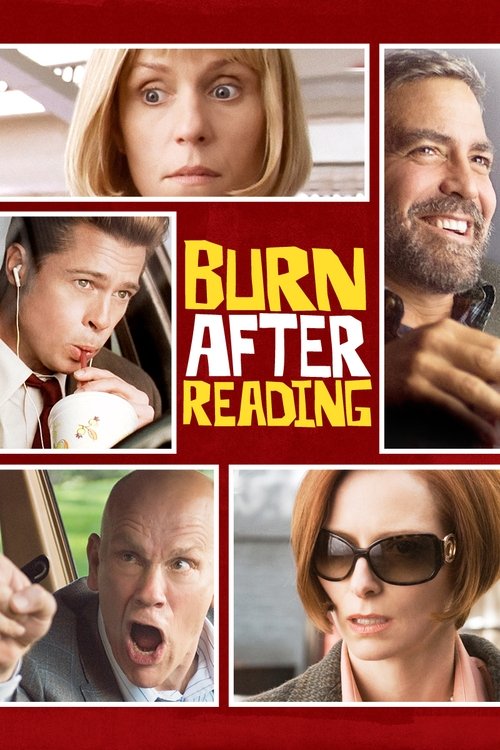
Burn After Reading (2008)
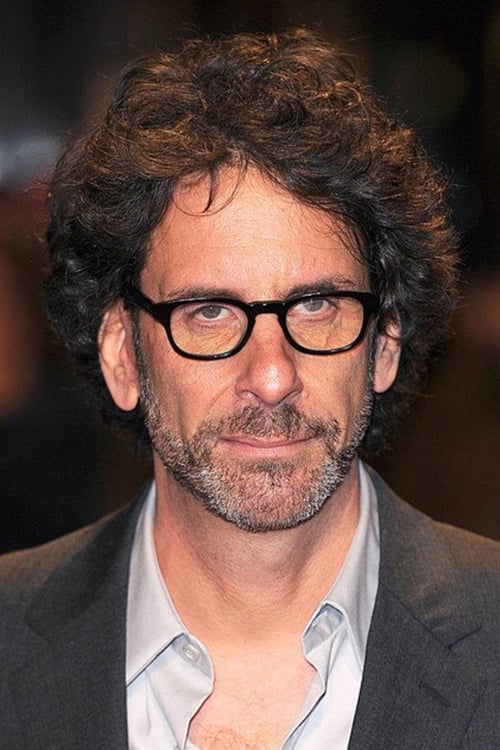
Directed by Ethan Coen
When a disc containing memoirs of a former CIA analyst falls into the hands of gym employees, Linda and Chad, they see a chance to make enough money for Linda to have life-changing cosmetic surgery. Predictably, events whirl out of control for the duo, and those in their orbit.
12 connections found
View:
12 films that influenced Burn After Reading
What critics say influenced Burn After Reading
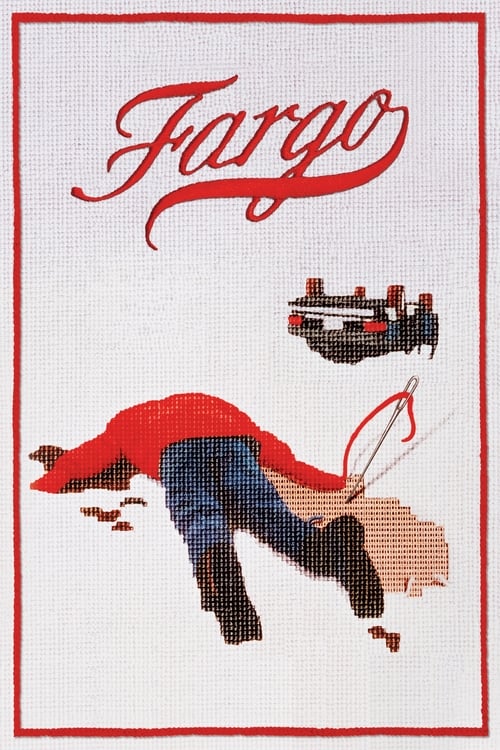


With a few notable exceptions—Marge in "Fargo," the Dude in "The Big Lebowski," Tommy Lee Jones's mournful sheriff in "No Country for Old Men," Billy Bob Thornton in "The Man Who Wasn't There"—most of their characters have the bold outlines of cartoon figures that might have been devised by a combination of Tex Avery and George Grosz.
Sour candy...redeemed by its humor and its clever construction, harkening back to the relatively optimistic crime comedy Fargo.
McDormand's character has a few moments reminiscent of her "Fargo" sheriff, but finally she's just desperate and pathetic, while Swinton is exquisitely stonyhearted.
Perhaps in an homage to Fargo, there is graphic senseless unexpected violence.
As with the much-laureled "No Country for Old Men," the Coens seem to be Mixmastering themes and elements of their earlier films; there are traces of "Fargo," "The Big Lebowski" and "Blood Simple" in the DNA of "Burn After Reading."
Here she channels a little of the go-getter determination of her state trooper in " Fargo ."
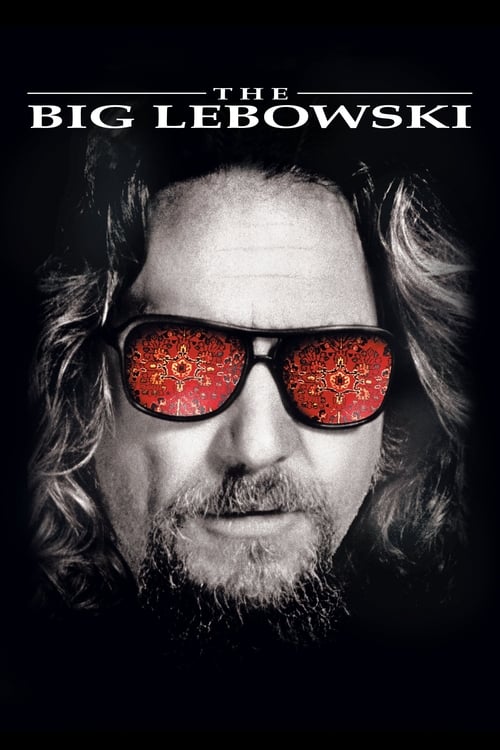
With a few notable exceptions—Marge in "Fargo," the Dude in "The Big Lebowski," Tommy Lee Jones's mournful sheriff in "No Country for Old Men," Billy Bob Thornton in "The Man Who Wasn't There"—most of their characters have the bold outlines of cartoon figures that might have been devised by a combination of Tex Avery and George Grosz.
As with the much-laureled "No Country for Old Men," the Coens seem to be Mixmastering themes and elements of their earlier films; there are traces of "Fargo," "The Big Lebowski" and "Blood Simple" in the DNA of "Burn After Reading."
Its madcap tone recalls Coen projects like The Big Lebowski and O Brother, Where Art Thou? , although it doesn’t reach the heights of sublime absurdity that those movies (especially Lebowski ) achieved.
A tangy palate-cleanser after the Academy Award-winning “No Country for Old Men,” Ethan and Joel Coen’s “Burn After Reading” is a throwback to such Coen-sian comic gems as “Raising Arizona,” “The Big Lebowski” and “Fargo.”
So instead, let me just stick to the easy praise: Burn After Reading is easily the funniest film by Joel and Ethan Coen since The Big Lebowski ten years ago, and generally speaking feels more like their old stuff than anything else they've done in that decade.
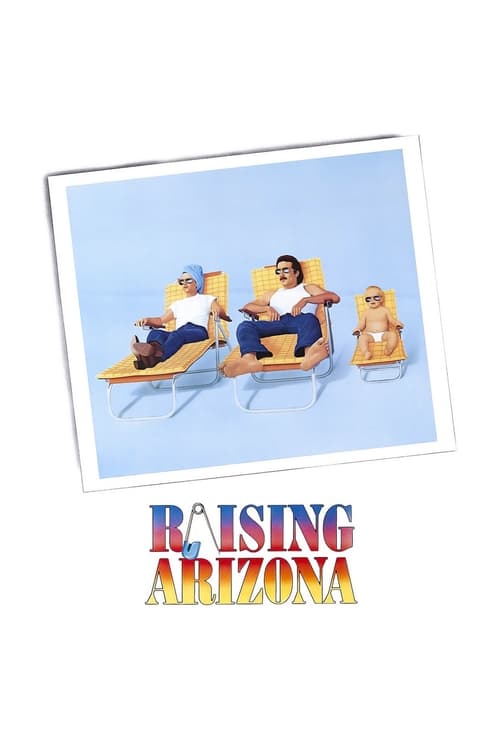
A tangy palate-cleanser after the Academy Award-winning “No Country for Old Men,” Ethan and Joel Coen’s “Burn After Reading” is a throwback to such Coen-sian comic gems as “Raising Arizona,” “The Big Lebowski” and “Fargo.”
Funnymen maverick filmmaker brothers Joel Coen and Ethan Coen ("Raising Arizona"/"Fargo"/"The Big Lebowski") follow their Academy Award-winning No Country For Old Men with this goofy fluff spy comedy that revolves around a missing CIA memoir.
There are elements of several decent Coen Brothers movies in the new Coen Brothers movie "Burn After Reading" (or "Br>>lure Après Lecture" to Coen a phase), what with Frances McDormand's ditzy Linda Litzke (memoirs of pregnant Police Chief Marge Gunderson in "Fargo") and her relationship with her Hardbodies Fitness Center co-worker Chad Feldheimer (reminiscent of that between H.I. and Ed McDunnough in "Raising Arizona") not to mention a few lackluster ones--bureaucratic boardroom bunglings at the Federal level mirror their "'Hudsucker'" shenanigans rubbing corporeal shoulders with George Clooney's ever-present trademark smirk (shades of "O Brother, Where Art Thou?" and "'Cruelty" of the intolerable kind).
She’s as obsessed with redemption through surgery as Holly Hunter was obsessed with redemption through a baby—anybody’s baby—in the Coen brothers’ “Raising Arizona.”
Such types would have fit in easily among the broad caricatures and grotesques that populated such Coens comedies as Raising Arizona and The Big Lebowski (to say nothing of weaker efforts such as Intolerable Cruelty and their atrocious remake of The Ladykillers ).
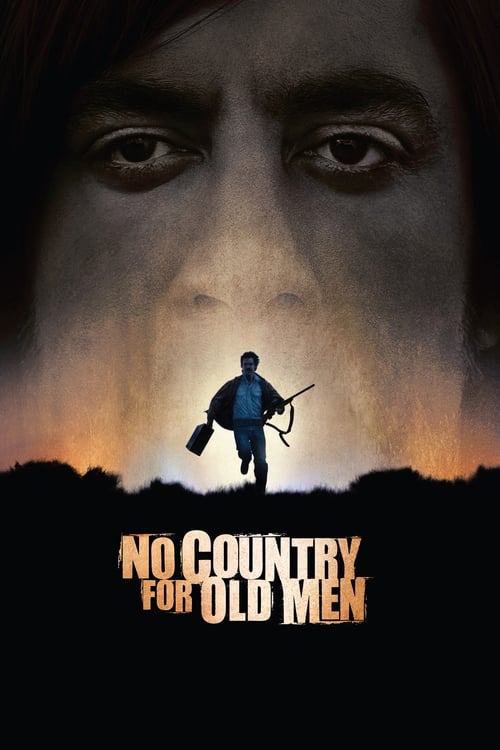
With a few notable exceptions—Marge in "Fargo," the Dude in "The Big Lebowski," Tommy Lee Jones's mournful sheriff in "No Country for Old Men," Billy Bob Thornton in "The Man Who Wasn't There"—most of their characters have the bold outlines of cartoon figures that might have been devised by a combination of Tex Avery and George Grosz.
You can tell that this movie was a side project written at the same time as NO COUNTRY FOR OLD MEN.It shares the themes of isolation, loneliness and its complete lack of faith in humanity.
Believe it or not, the gleefully nonsensical spy caper Burn After Reading is a mirror reflection of the Coen Brothers’ Oscar winner last year, No Country for Old Men .
As with the much-laureled "No Country for Old Men," the Coens seem to be Mixmastering themes and elements of their earlier films; there are traces of "Fargo," "The Big Lebowski" and "Blood Simple" in the DNA of "Burn After Reading."
True to form, filmmakers Joel and Ethan Coen have followed up 2007's Oscar-winning " No Country for Old Men " with a picture very different in tone and setting.
In general, the Coens dispose of the characters with the same careless speed that they used to dispose of Josh Brolin near the end of “No Country for Old Men.”
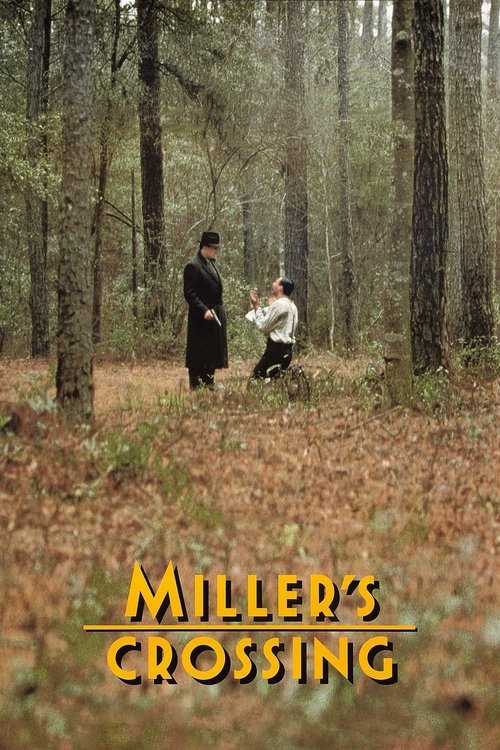
The Coens have often worked out their private sense of amusement and disdain onscreen: in the baffling gangster jargon and reversals of loyalty in “Miller’s Crossing”; in the bizarrely punitive disasters that beset the left-wing-prig screenwriter in “Barton Fink”; in the openmouthed idiocies of the three escaped cons in “O Brother, Where Art Thou?”
As in their best films--No Country for Old Men, Miller’s Crossing, Fargo--Burn After Reading asks what happens when the social contract breaks down (in this case, expectations of marital fidelity, stable employment, the return of lost property), and answers, as before, that chaos and violence follow.
The story, a Coen original, has some of the twistiness of a Fargo or Miller’s Crossing, but this time the criminals don’t even realize they’re initiating a crime until it’s too late.
With the exception of the unnamed city in Miller's Crossing, all of them are set in a specific time and place which have direct influence on the proceedings.
The ultimate question, from this admirer of virtually all the brothers' work, from the early Blood Simple and Miller's Crossing to their previous Clooney collaborations O Brother, Where Art Thou? and Intolerable Cruelty, is a plaintive "What the heck kind of film is this?"
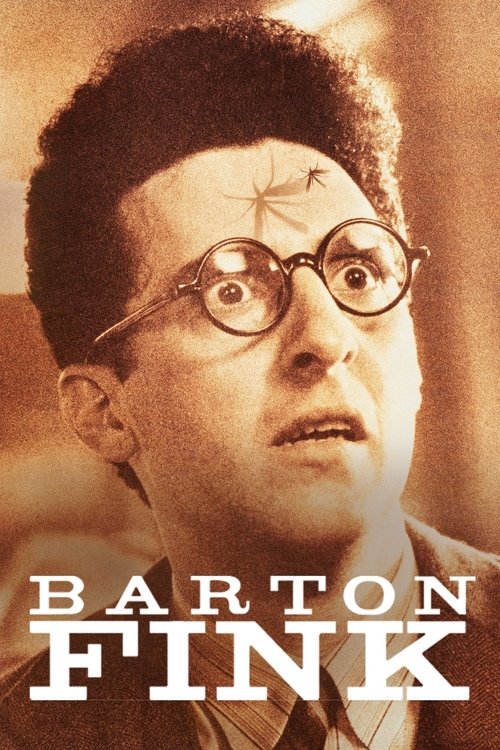
Murder—the more cold-blooded, the better—is usually a laugh line; anti-Semitic stereotypes were played for yocks in Barton Fink; lynching was a gag in O Brother, Where Art Thou?
The Coens have often worked out their private sense of amusement and disdain onscreen: in the baffling gangster jargon and reversals of loyalty in “Miller’s Crossing”; in the bizarrely punitive disasters that beset the left-wing-prig screenwriter in “Barton Fink”; in the openmouthed idiocies of the three escaped cons in “O Brother, Where Art Thou?”
Their best movies, "No Country for Old Men" (2007), "Fargo" (1996), "Raising Arizona" (1987), and "Barton Fink" (1991) all have a strong sense of place and people.
Their characters pop off the screen with rapacious, doomed vitality, unforgettable suckers on a comic treadmill that's usually heading straight downhill, if not, in the case of "Barton Fink," to hell itself.
They followed their Cannes darling Barton Fink with the zany The Hudsucker Proxy, the Oscar recognition for Fargo yielded the stoner classic The Big Lebowski, and the willfully difficult, demanding The Man Who Wasn't There was quickly followed by the lightweight Intolerable Cruelty and a flimsy remake of The Ladykillers.
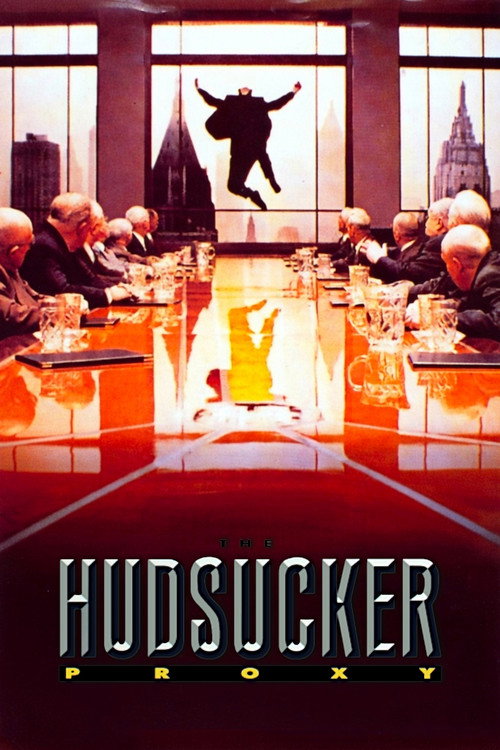
Burn After Reading fits into the Coens' filmography on the Raising Arizona-The Hudsucker Proxy-O Brother, Where Art Thou? side of the aisle, where the brothers' built-in handicaps as screenwriters are most apparent.
Of course, the Coens also wrote and directed “The Hudsucker Proxy,” so they’re aren’t incapable of producing the occasional misfire.
They followed their Cannes darling Barton Fink with the zany The Hudsucker Proxy, the Oscar recognition for Fargo yielded the stoner classic The Big Lebowski, and the willfully difficult, demanding The Man Who Wasn't There was quickly followed by the lightweight Intolerable Cruelty and a flimsy remake of The Ladykillers.
From Raising Arizona to The Hudsucker Proxy to Fargo to The Big Lebowski to O Brother, Where Art Thou, the Coens regularly assemble their stories to satirize if not outright ridicule the best laid plans of men with the brains of mice.
And quite a swell comedy it is, too; not as many laughs-per-minute as in Lebowski, certainly, nor even in The Hudsucker Proxy , but thanks to the supremely talented cast working at the peak of their abilities, it never wants for gut-busting dry comedy ("gut-busting dry comedy", now that I think of it, is another hallmark of the Coen style).
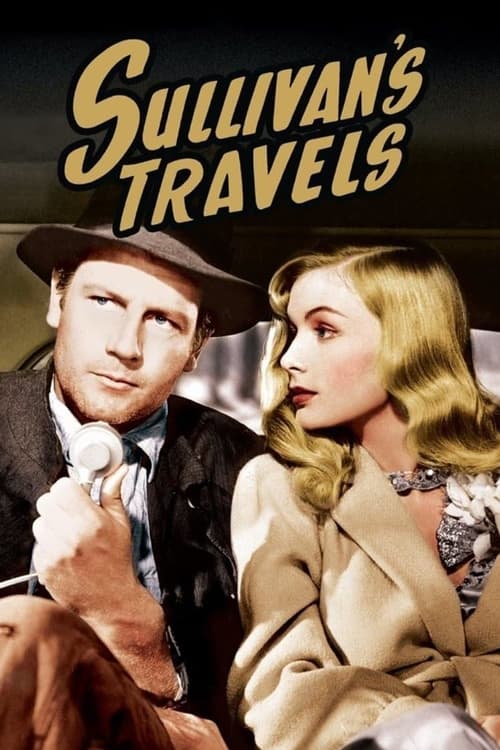
Her and Harry’s laughter isn’t sweet, though, but off-puttingly exaggerated — just like Joel McCrea’s in the Sullivan’s Travels sequence it nods to.
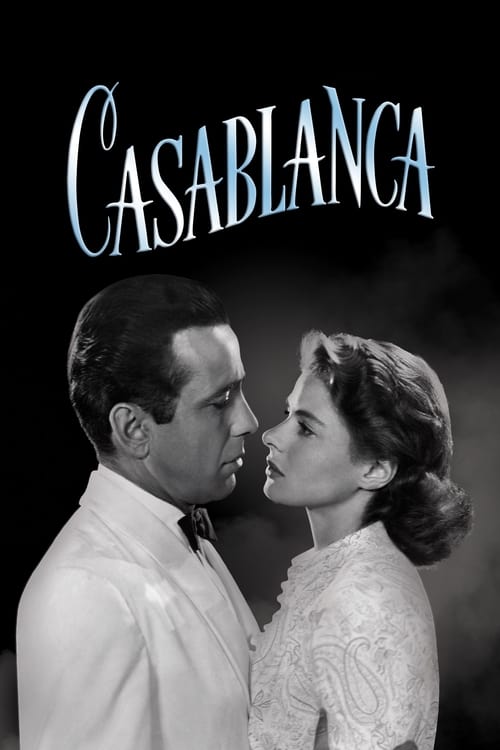
Humphrey Bogart famously said in “Casablanca” that “it doesn’t take much to see that the problems of three little people don’t amount to a hill of beans in this crazy world.”
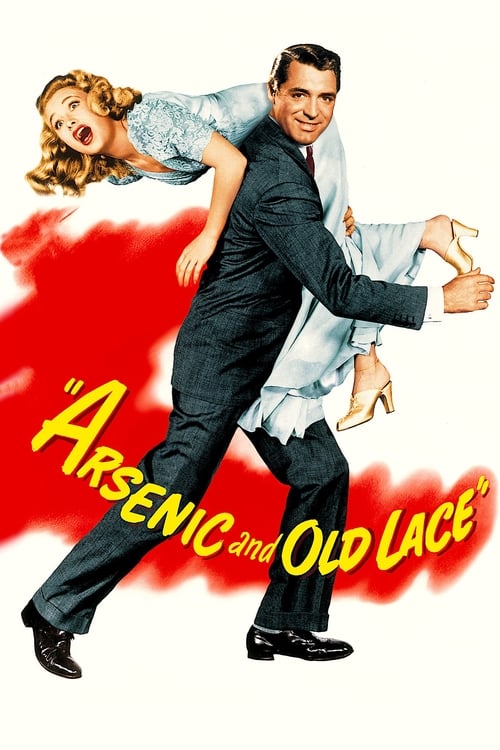
Not since Arsenic and Old Lace has there been a movie that brushes so flippantly over the worst kind of human behavior and disposes of its characters with such antic indifference.
Advertisement
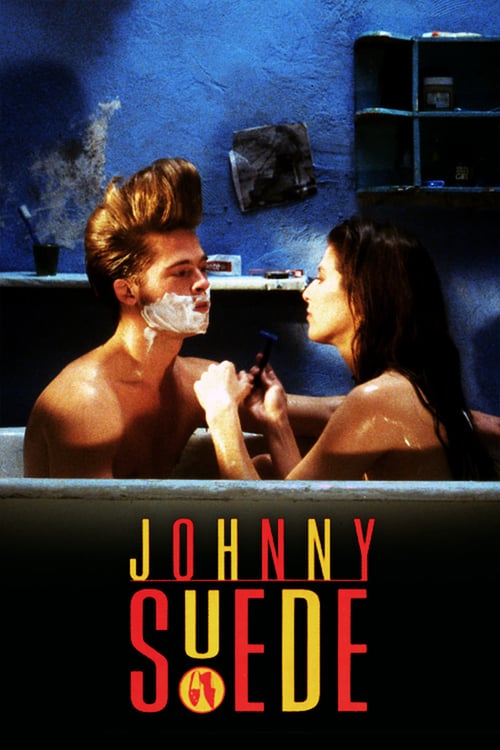
In a comedy of errors explained (sort of) later on, a CD copy of Ozzie's autobiographical jabberwocky winds up in the possession of two dingbat employees of a gym called Hardbodies: Linda (Frances McDormand, married to Joel Coen), a Ms. Lonelyhearts frustrated in her quest for love and plastic surgery; and Chad (the previously stated Pitt), a dumb twit with vertiginous hair that's still only a third of the height of Pitt's über-pompadour in Johnny Suede .
Brad Pitt as McDormand's dense partner in extortion lets his frosted pompadour (recycled from the early '90s -- Johnny Suede to be exact) do most of the acting for him, though he's pretty funny when his character tries to suggest menace by cluelessly narrowing his eyes.
But though the narrative isn’t all that clever, it’s enough on which to hang a steady succession of amusing touches, from Malkovich’s rant on learning of his demotion through Clooney’s peculiar anniversary present for Sandy, McDormand’s conversation with an amazed cosmetics surgeon (Jeffrey DeMunn), Jenkin’s sad-eyed worship of Linda, and Pitt’s happy return to his “Johnny Suede” look and his engagingly flippant, goofily conspiratorial attitude.
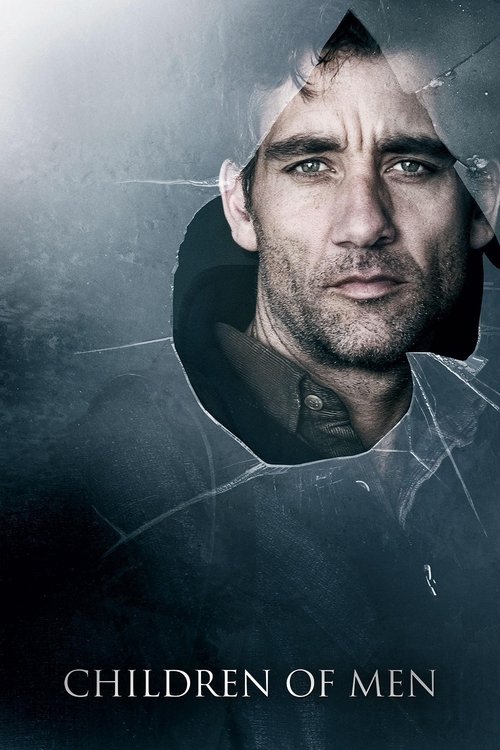
Slickly shot on location in Washington, D.C., and making great use of the district's landmarks, cinematography by the wonderfully resourceful Emmanuel Lubezki (2006's " Children of Men ") is ace.