
Ethan Coen
103 connections found
View:
Connections, in both directions
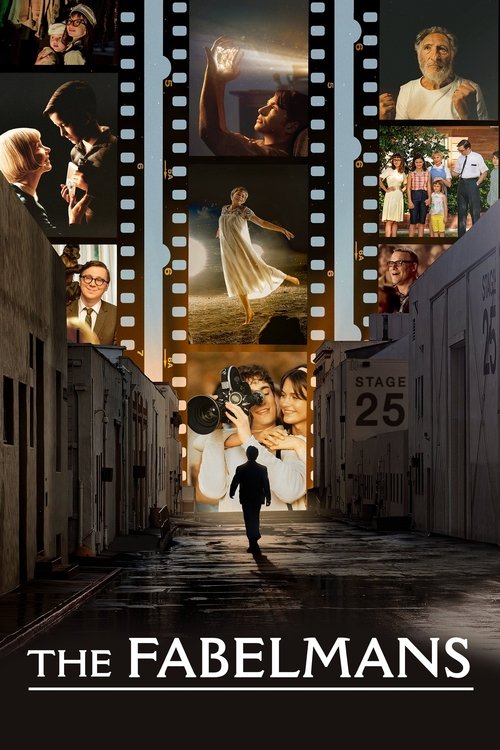


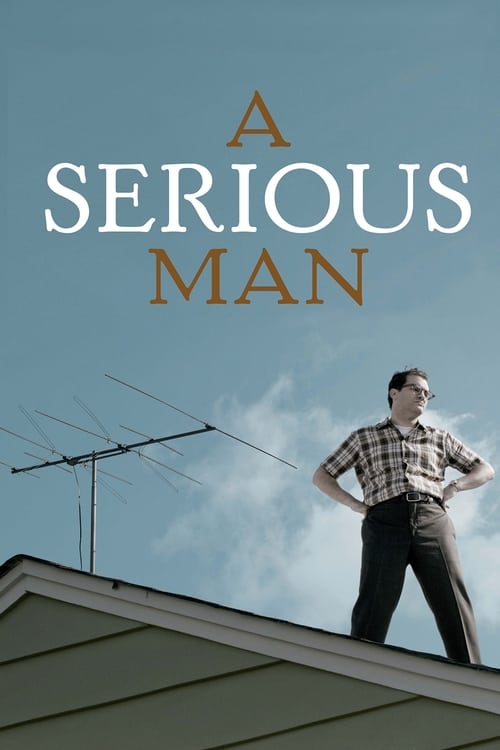
She gathers her children in the family car and drives toward chaos—a tornado swirling in the distance, recalling the final scene from the Coen brothers’ A Serious Man (2009)—and leaves Burt behind with their new baby.
On one level, it’s a direct allusion to similar scenes of chaos on the New Jersey streets in War of the Worlds (the key difference being that Tom Cruise is driving away from the danger rather than towards it), but on another, it also recalls the Coen Brothers’ A Serious Man, which ends on a tornado being a kind of expression of God’s continual heaping of misery onto the characters.
The last big-ticket American movie to put these cultural concerns so front and center was the Coen brothers’ A Serious Man , which Spielberg evokes—perhaps accidentally—in an early scene involving a tornado that hints at the Fabelmans’ stormy fortunes.
They might have taken inspiration by watching the prologue to A Serious Man by the Coen Bros.
Instead, check out the 1937 Yiddish film The Dybbuk or re-watch the Coens’ A Serious Man.
For those who've never seen the Coen Brothers' " A Serious Man ," a dybbuk is a Jewish demon of sorts and they've been being exorcised in rites for centuries (check out YouTube for some 'real' 'live' ones).
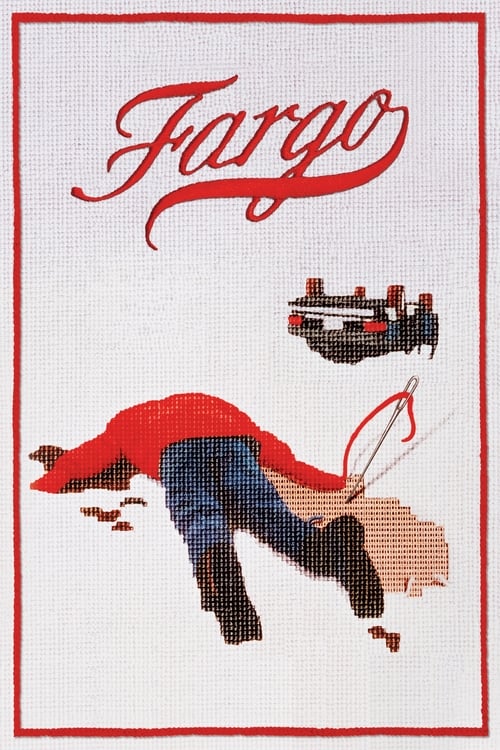
Fargo (1996)
Directed by Joel Coen
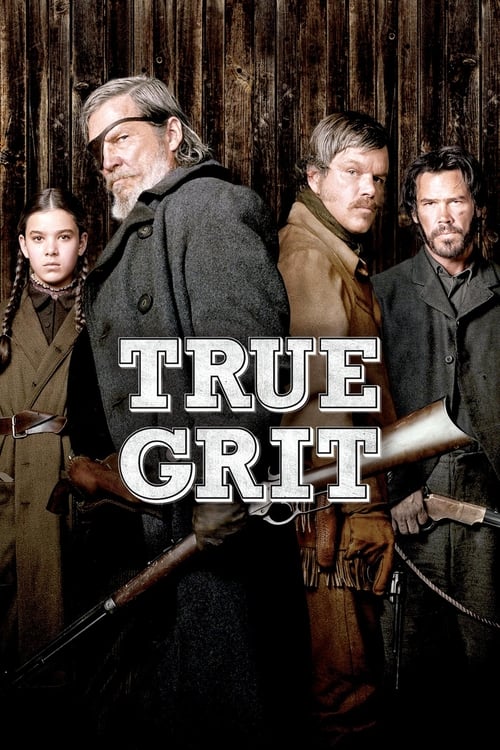
influenced Burn After Reading (2008), A Serious Man (2009), True Grit (2010)
Themes Characters Plot
With a few notable exceptions—Marge in "Fargo," the Dude in "The Big Lebowski," Tommy Lee Jones's mournful sheriff in "No Country for Old Men," Billy Bob Thornton in "The Man Who Wasn't There"—most of their characters have the bold outlines of cartoon figures that might have been devised by a combination of Tex Avery and George Grosz.
Sour candy...redeemed by its humor and its clever construction, harkening back to the relatively optimistic crime comedy Fargo.
McDormand's character has a few moments reminiscent of her "Fargo" sheriff, but finally she's just desperate and pathetic, while Swinton is exquisitely stonyhearted.
Perhaps in an homage to Fargo, there is graphic senseless unexpected violence.
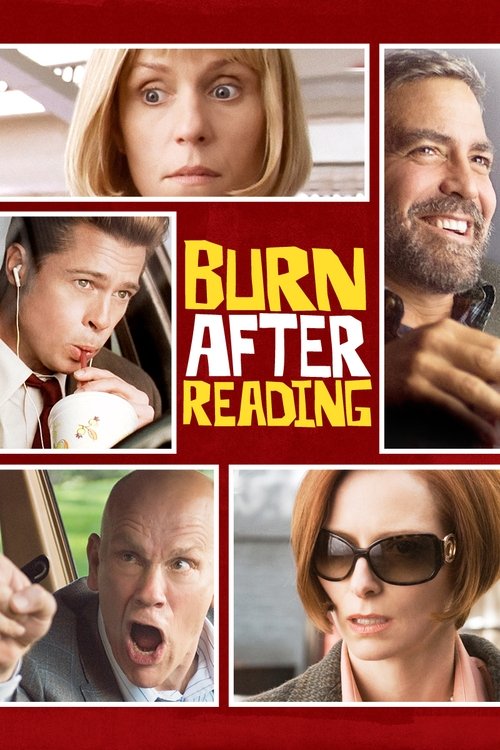
As with the much-laureled "No Country for Old Men," the Coens seem to be Mixmastering themes and elements of their earlier films; there are traces of "Fargo," "The Big Lebowski" and "Blood Simple" in the DNA of "Burn After Reading."
Here she channels a little of the go-getter determination of her state trooper in " Fargo ."
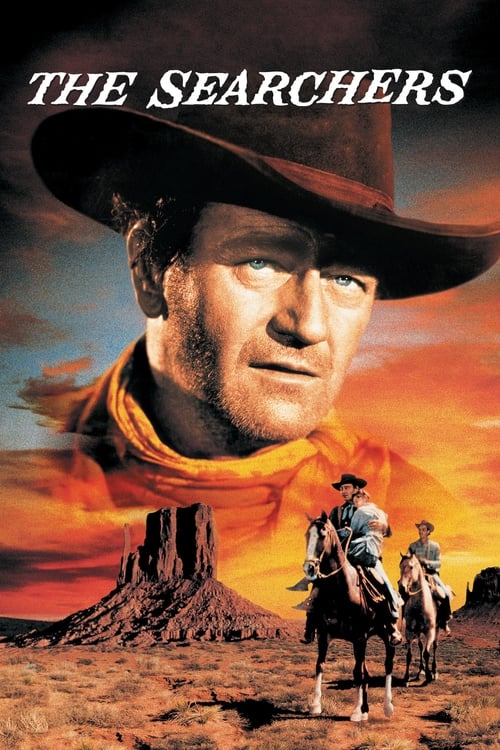
That is, until they realize that the Wayne movies Joel and Ethan Coen's adaptation of Charles Portis's perfect little novel most evoke are John Ford's The Searchers (1956) and The Man Who Shot Liberty Valance (1962).
Now, forty-one years after the original was made, my distaste for “True Grit” runs deeper, mostly as a function of studying the history of the Southwest over the past year or so in conjunction with a research project about the Comanche Indians, who were the “bad guys” in many a classic Western, including Wayne’s “The Searchers”.
She is a genuine, Old Testament heroine, as dogged in her mission to find the killer of a family member as Wayne's Ethan Edwards was in a similar fable of revenge, John Ford's more magnificent, troubling and haunting The Searchers.
The Duke’s G-rated “True Grit” — which won its star an Oscar even as the X-rated “Midnight Cowboy” was crowned Best Picture — was the last shotgun blast of the old Hollywood as it expired with a defiant roar at the hippies, the druggies and the ironists.
Describe This Movie Using One True Grit Quote:
ROOSTER COGBURN: I never shot nobody I didn’t have to.
But it’s clear from the opening moments that it’s actually taking its cue from both versions of True Grit.
Some True Grit.
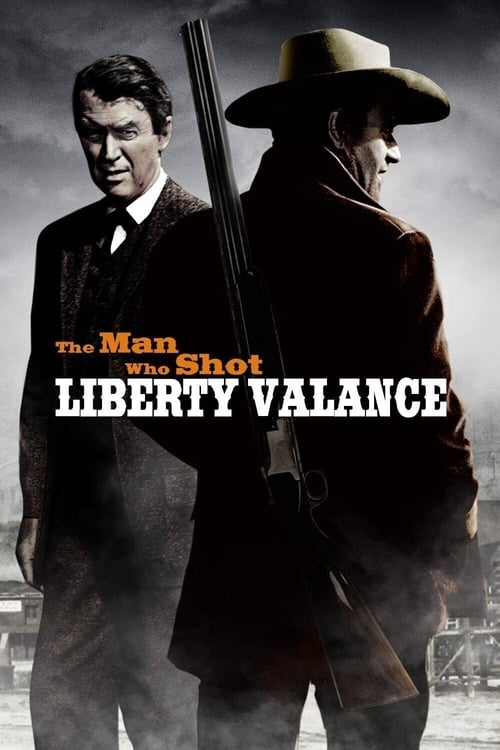
That is, until they realize that the Wayne movies Joel and Ethan Coen's adaptation of Charles Portis's perfect little novel most evoke are John Ford's The Searchers (1956) and The Man Who Shot Liberty Valance (1962).
Despite that award, it was not a great performance by Wayne who was a far better actor when under the direction of John Ford in classics such as Stagecoach, The Searchers and The Man Who Shot Liberty Valance.
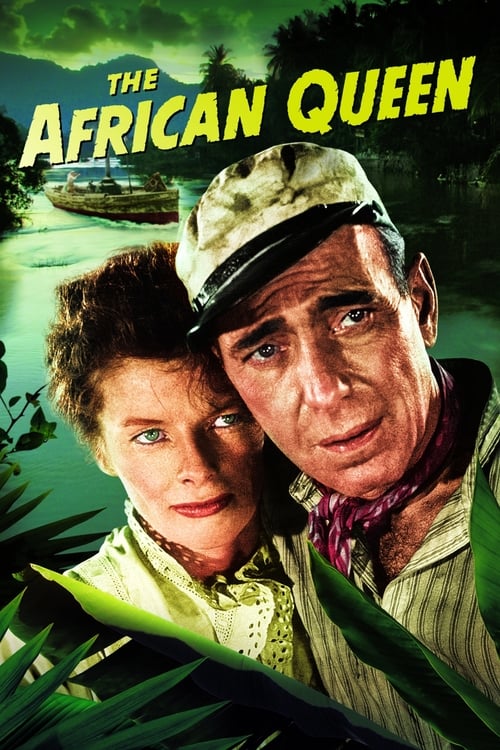
Is Bridges going to reprise Bogey's Oscar-winning role of Charlie Allnut in a Coen Brothers' version of The African Queen?
“Besides, he blighted his title after sequelizing the original for which this picture is so named in an unwarranted and unwise attempt to remake The African Queen with Katharine Hepburn amidst cowboys rather than slugs.
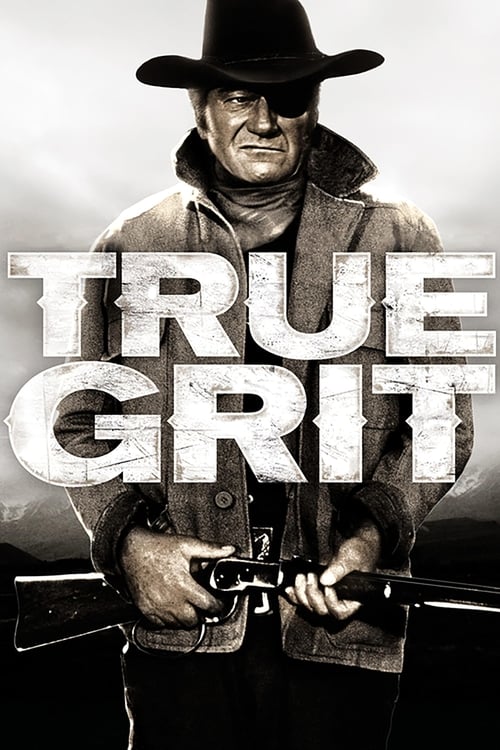
When it was announced that Joel and Ethan Coen were set to remake John Wayne’s greatest movie, “True Grit,” it heralded a culture clash of the titans, as if U2 were to hold a jam-off with Beethoven, or Annie Leibovitz were a finalist against Renoir in “Portraiture With the Stars.”
REVIEW | Western Competence: The Coens Play It Safe With "True Grit"…
Filmmakers Joel and Ethan Coen had never made a genuine Western before they made 2010's "True Grit."
It’s been well documented the the Coen Brothers’ take on True Grit isn’t a remake of the 1969 film that won John Wayne his only Academy Award but rather a more faithful adaptation of Charles Portis’ novel.
True Grit does, and some Coen brothers fans may think that makes it pandering or lightweight.
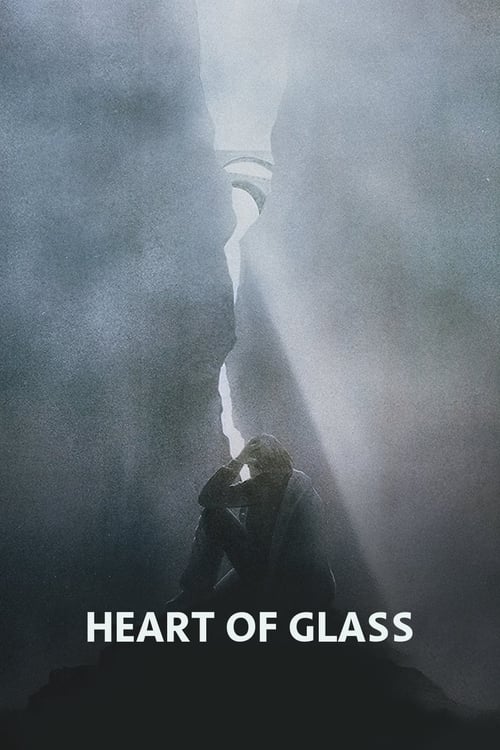
The Coens' direction of their actors reminded me of the time Werner Herzog reportedly hypnotized his cast for "Heart of Glass" - everyone but their lead, with the exception of Jessica McManus, is preternaturally calm (or stoned) and speaks in a quasi-reassuring monotone.
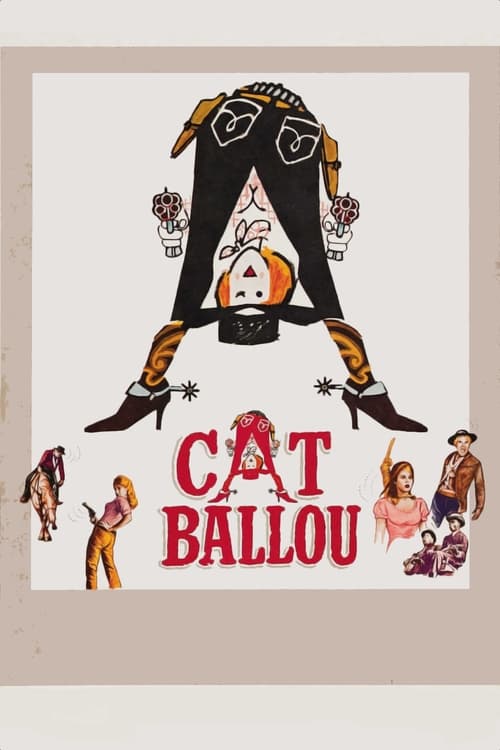
Oscar winner Bridges, whose Cogburn is the righteous version of the unstoppable killer in the Coens’ Oscar winner “No Country for Old Men,” puts his own stamp on Marshal Cogburn, and in one hilarious scene, channels not the iconic Wayne but the great Lee Marvin of “Cat Ballou” (1965).
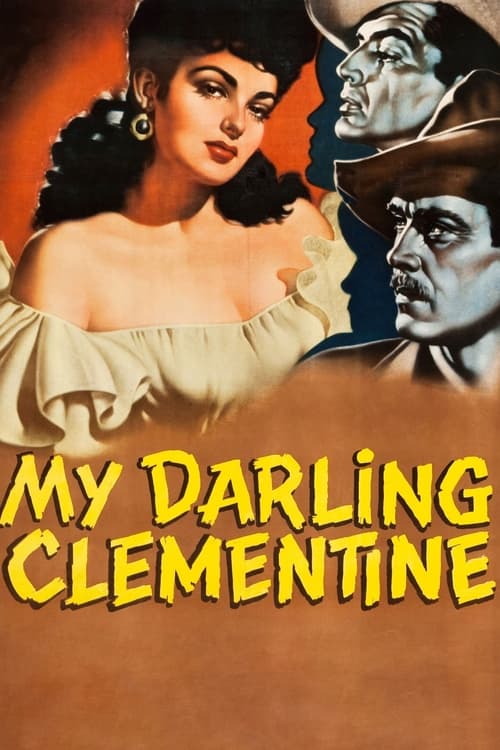
These represent major plusses for the new film, as screen newcomer Hailee Steinfeld makes an excellent Mattie and Matt Damon, from the moment of his laconic boots-on-a-porch rail entrance designed to recall Henry Fonda in “My Darling Clementine,” puts any thoughts of Glen Campbell immediately to rest.
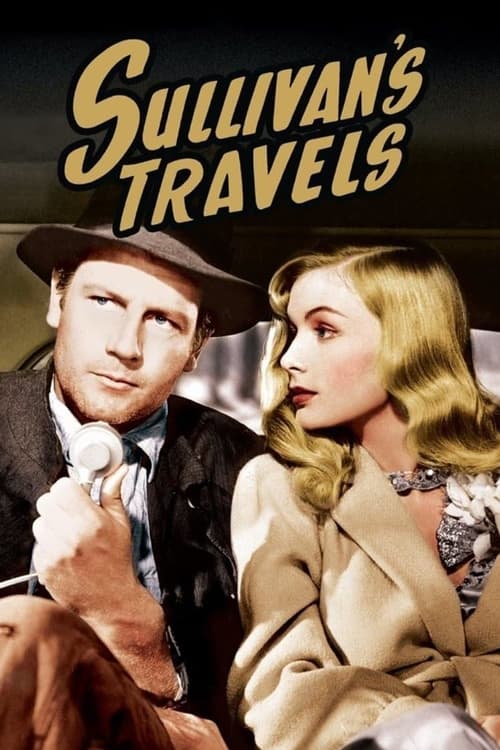
Her and Harry’s laughter isn’t sweet, though, but off-puttingly exaggerated — just like Joel McCrea’s in the Sullivan’s Travels sequence it nods to.

First, there's the earlier title song sung by Glen Campbell, which was singularly mundane and dated, and Elmer Bernstein's musical score, which worked harder to sound like Jerome Moross's theme for "The Big Country" than it did to evoke the spirit of the West.

But in many ways, Henry Hathaway's film was already old-fashioned by the standards of late-'60s Western storytelling (made all the more apparent when Sam Peckinpah's bloody "The Wild Bunch" opened one week later in June 1969), and is therefore ripe for retelling.
Sam Peckinpah's The Wild Bunch opened a few weeks before True Grit, sounding a bloody valediction for the western.
Despite, or perhaps because of, Wayne?s clownish performance, True Grit I was the comfortingly ?normal? middle-American Western of its season, opening at Radio City in time for July Fourth, a week after The Wild Bunch splattered screens with war-movie carnage and a few months before Butch Cassidy and the Sundance Kid insouciantly trashed the genre?s remaining moral pretensions.
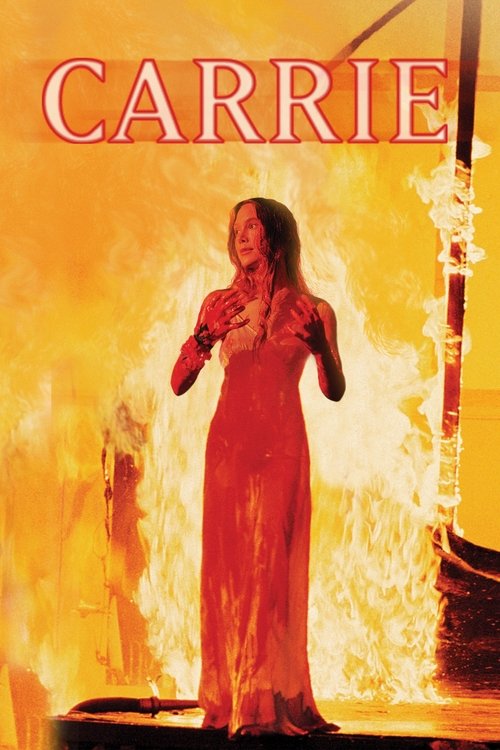
This piling-on, no-way-out-but-down narrative strategy has worked for brilliant thriller-makers like Brian De Palma in "Carrie" and "Blow-Out" or inspired provocateurs like Luis Bunuel.
On Coen, rather than any one film
…a Coen Brothers dark comedy thriller…
…as controlled as the cine-worlds of the Coens…
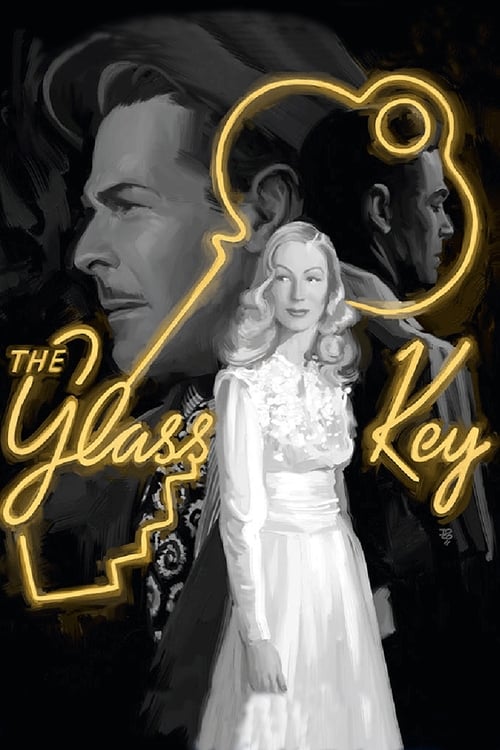
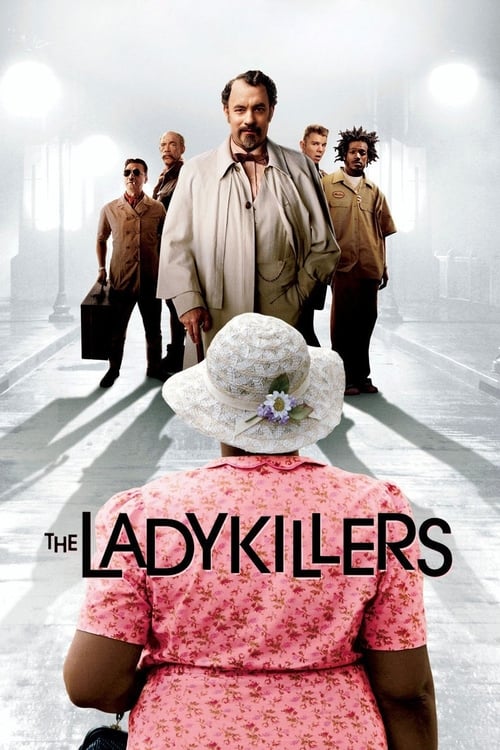
Yes, the Coens have engaged in remakes before (“The Ladykillers,” and, arguably, “Miller’s Crossing,” a version of Dashiell Hammett’s “The Glass Key”), and they’ve made a number of noirish films that feel like they could have been dressed as westerns without much alteration (including “Blood Simple,” “Raising Arizona,” “Fargo” and “No Country for Old Men”).
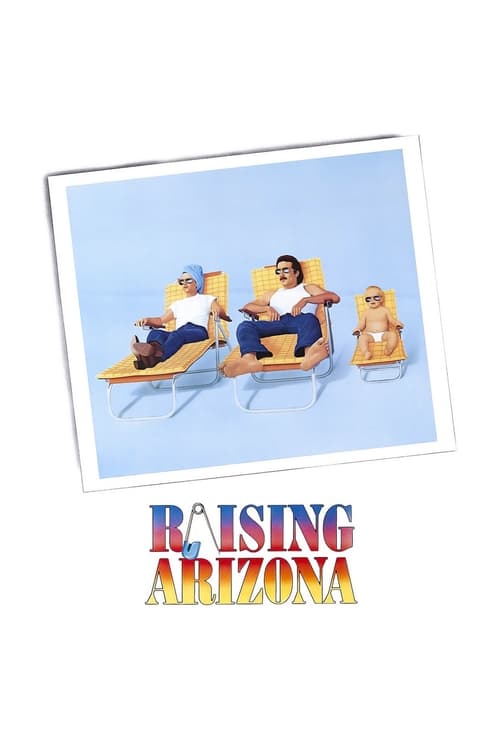
Raising Arizona (1987)
Directed by Joel Coen
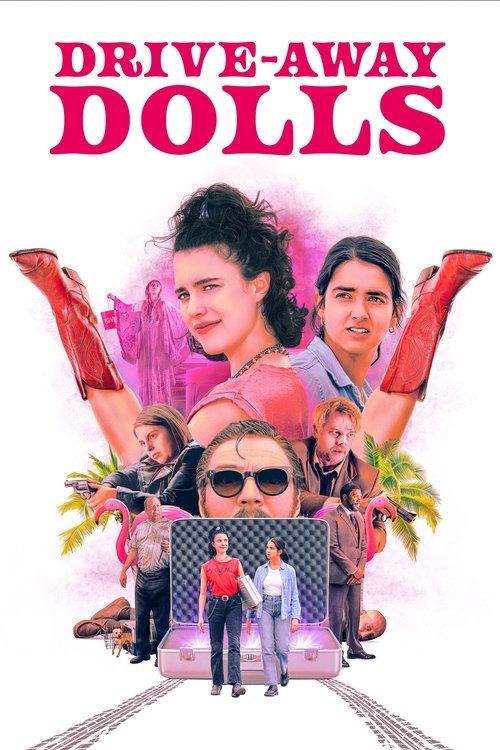
influenced Drive-Away Dolls (2024), Burn After Reading (2008), True Grit (2010), A Serious Man (2009)
Characters Themes Dialogue
And you could call Qualley’s Jamie a Coen archetype who goes all the way back to the Holly Hunter character in “Raising Arizona” — the Southern chatterbox, spewing her ironically literate folk wisdom. (“Raising Arizona” was the first of many movies in which the Coens built characters around the joke “Look! This drawling hick is actually smart!”)
While the film has echoes of past Coen Brothers films, especially Raising Arizona, O Brother, Where Art Thou?, and Burn After Reading, it also feels fresh.
Qualley’s performance — the syrup-thick hillbilly accent wrapped around Byzantine dialogue — can’t help but recall “Raising Arizona,” the Coen brothers’ brilliant 1987 film. This, as Jamie might say, ain’t that (though she would use a lot more words to say it).
Stitch the pair together, and you’d probably end up with the kind of farcical melancholy that’s become the Coen trademark, delivered in various doses across the likes of Raising Arizona, A Serious Man, and Burn After Reading.
…it works hard to serve up lashings of black humor, in the tradition of older Coen Brothers movies like Raising Arizona, but you can hear the wheels whirring behind every joke.
That gamut is growing into a serious catalog with “Burn After Reading,” 2007 best-picture Oscar winner “No Country for Old Men,” “The Ladykillers,” “O Brother, Where Art Thou?,” “The Big Lebowski,” “Fargo” and “Raising Arizona” now under their yamakas over the course of two decades.
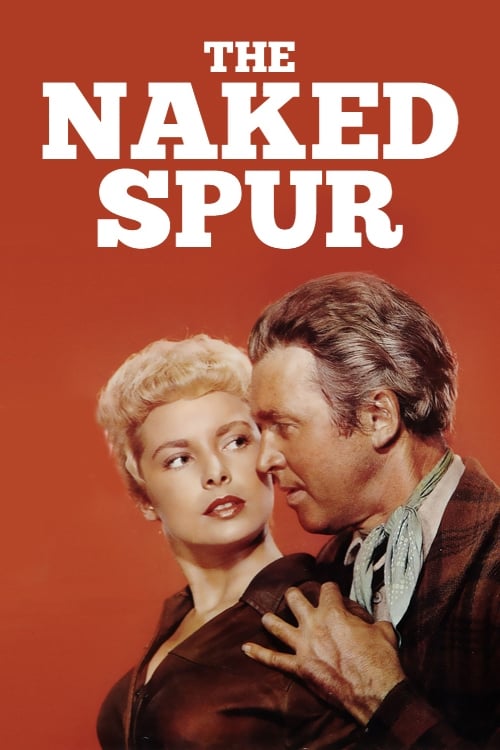
Brolin's Chaney doesn't turn up until 80 minutes in and, when he does, the actor reminds forcibly of Robert Ryan's memorable villain in Anthony Mann's great “The Naked Spur.”