

Pain & Gain (2013)
Directed by Michael Bay
Daniel Lugo, manager of the Sun Gym in 1990s Miami, decides that there is only one way to achieve his version of the American dream: extortion. To achieve his goal, he recruits musclemen Paul and Adrian as accomplices. After several failed attempts, they abduct rich businessman Victor Kershaw and convince him to sign over all his assets to them. But when Kershaw makes it out alive, authorities are reluctant to believe his story.
39 connections found
View:
39 films that influenced Pain & Gain
What critics say influenced Pain & Gain
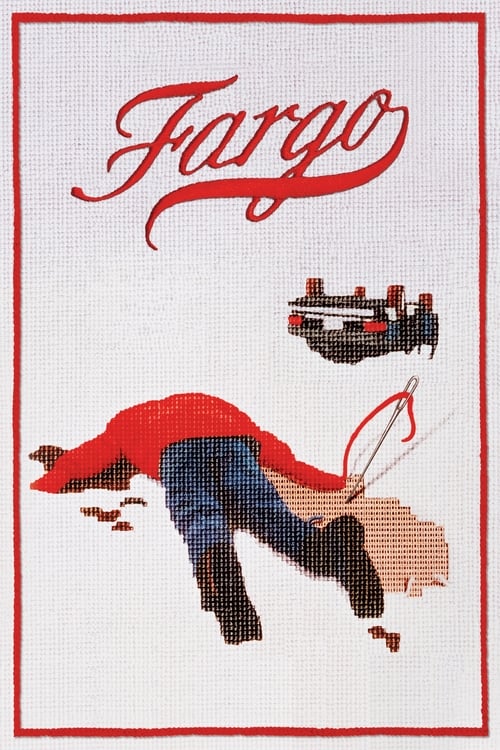


Set in the early ‘90s, “Pain & Gain” desperately wants to be a ‘90s classic in the vein of “Pulp Fiction” or the Coen Brothers’ “Fargo,” but Bay has clearly overestimated the fairly pedestrian and conventional script from Christopher Markus and Stephen McFeely ("Captain America: The First Avenger").
Some of this material recalls the warped sense of humor embraced by the Coens (think the woodchipper in Fargo) and Tarantino ("The Bonnie Situation" in Pulp Fiction), among others.
Where inspired violent comedies like “Seven Psychopaths” and “Fargo” deliver their jolts with deadpan, tongue-in-cheek precision, “Pain & Gain” hits its thumb with the hammer.
Without Frances McDormand’s Marge, Fargo probably wouldn't have landed an Oscar.
Bay, a frequent subject of conversation on Wahlberg’s long-running series “Entourage,” may have intended “Pain & Gain” to be the “Fargo” of Miami-Dade true crime stories.
On social media, in the days leading up to the release of Pain & Gain , this pitch-black serio-comedy was alternately described by those lucky enough to see it in advance as “Michael Bay’s Boogie Nights ” or “ Fargo for idiots.”
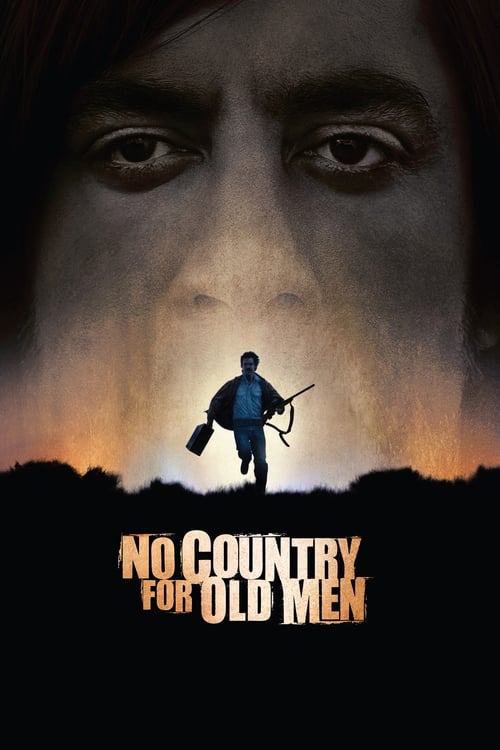
Bay's immature streak goes even deeper than homo and bitch jokes: Rather than the attentive yet dispassionate stance that shrewd filmmakers employ when they don't want to condemn their immoral characters outright (think the title character in Brian DePalma's Scarface or Anton Chigurh in the Coens' No Country for Old Men), there's a sense that he's actually cheering these thugs on, never more obviously than in a climactic monologue in which Wahlberg's character proudly speaks about taking his best shot.
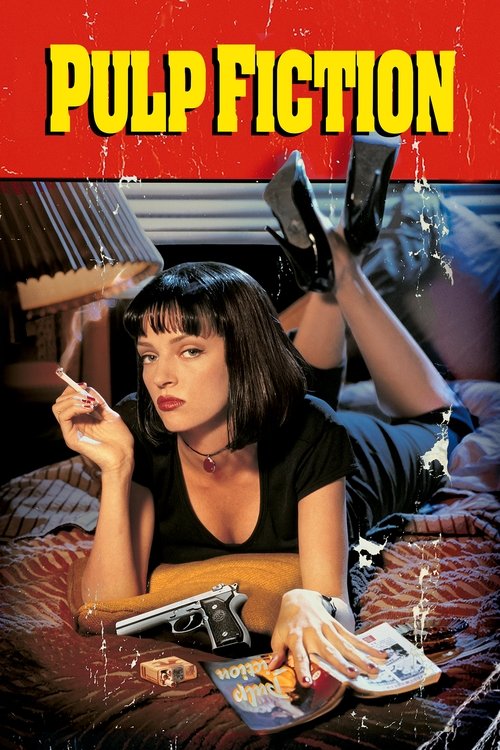
Set in the early ‘90s, “Pain & Gain” desperately wants to be a ‘90s classic in the vein of “Pulp Fiction” or the Coen Brothers’ “Fargo,” but Bay has clearly overestimated the fairly pedestrian and conventional script from Christopher Markus and Stephen McFeely ("Captain America: The First Avenger").
Some of this material recalls the warped sense of humor embraced by the Coens (think the woodchipper in Fargo) and Tarantino ("The Bonnie Situation" in Pulp Fiction), among others.
But soon the movie turns violent in a way that’s more akin to “Pulp Fiction” than the popcorn flicks that Bay made with mega-producer Jerry Bruckheimer.
(Think of the scene in Pulp Fiction where Vincent Vega accidentally shoots Marvin in the car.
Bay has said that when he read the screenplay he envisioned a cross between Fargo and Pulp Fiction; perhaps he didn’t consider the fact that those two fine films are so wildly different in tone and ambition that a mash-up wouldn’t be a good idea.
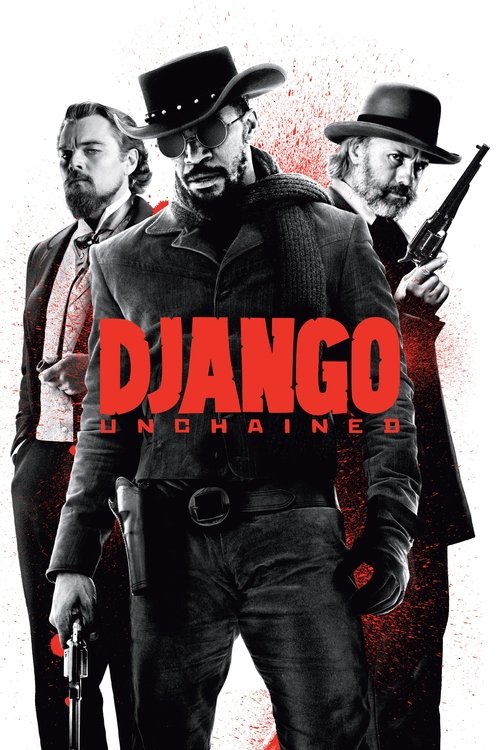
In many ways Bay’s approach to representing violence in Pain & Gain reflects Quentin Tarantino’s approach in Django Unchained (2012) where violence alternates between cathartic spectacle and confronting horror.
It's not that sordidness should be absent from a sordid tale, but Bay loves to wallow in it — contrast this with even someone like Quentin Tarantino (hardly our most modest filmmaker!), whose latest feature, Django Unchained, centered on the atrocities of slavery yet still was restrained enough to not actually show one man getting his head hammered open and another torn apart by dogs.

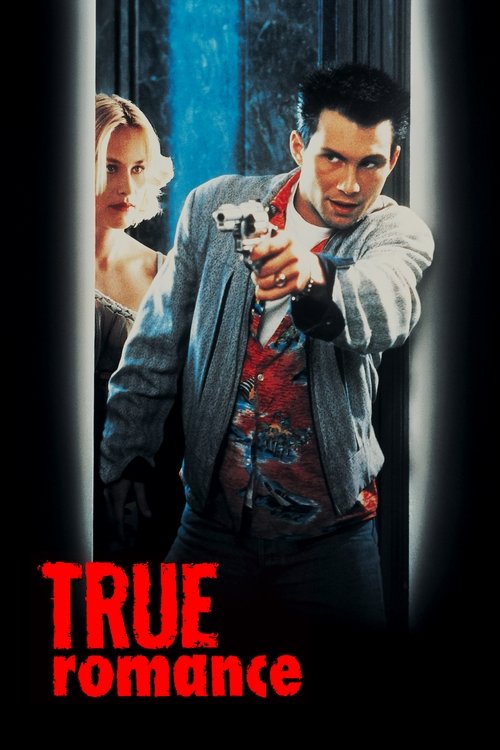
The blending of genres (the buddy movie and heist film are turned on their heads) and the obvious odes to Scarface , Boogie Nights and True Romance (everything starting out so right before going so wrong) feel inspired, and moments of comedy lurk beneath the lurid surface, particularly in the lead performances and co-star Rebel Wilson as Mackie's doctor-turned-wife.
True Romance is probably the best of this small, but distinct genre in post-1980 cinema.
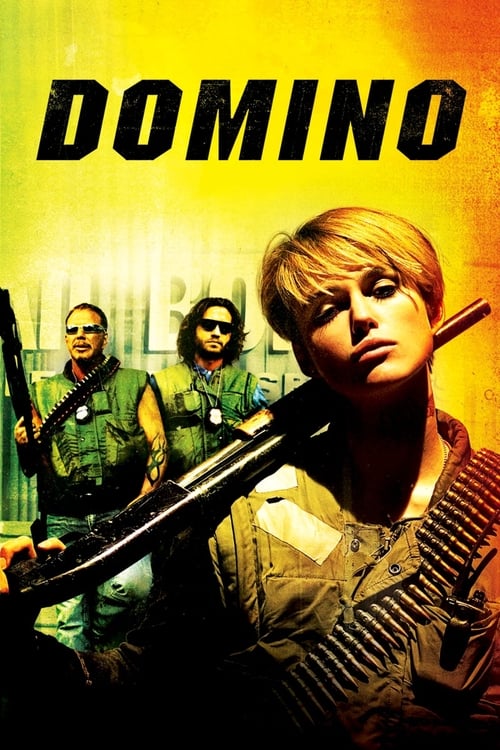
A convoluted soundscape of tracks and effects, shots that last for nano seconds, freeze frames, bursts of rainbow-coloured flushes and filters and sticker boxes flung onto the screen like McDonald’s pickles hurled at glass windows evoke the frantic feeling of latter era Tony Scott (ala Man on Fire, Domino, Enemy of the State) but cranked up a notch.
The comparison that was dead clear to me during the movie was the late, great Tony Scott’s Domino.
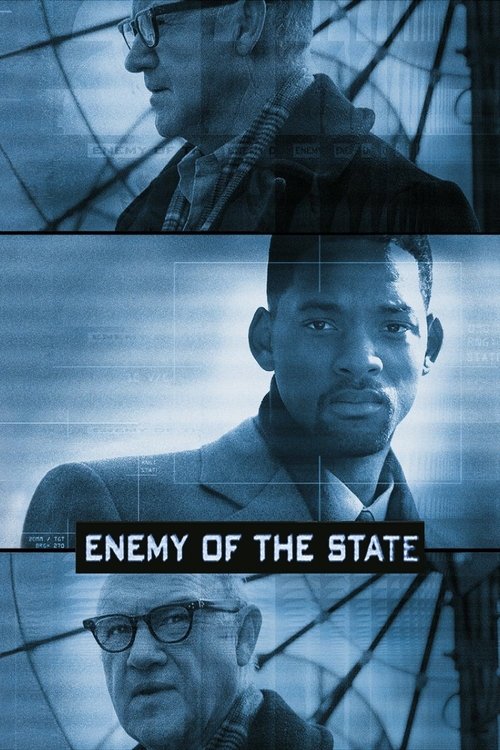
A convoluted soundscape of tracks and effects, shots that last for nano seconds, freeze frames, bursts of rainbow-coloured flushes and filters and sticker boxes flung onto the screen like McDonald’s pickles hurled at glass windows evoke the frantic feeling of latter era Tony Scott (ala Man on Fire, Domino, Enemy of the State) but cranked up a notch.
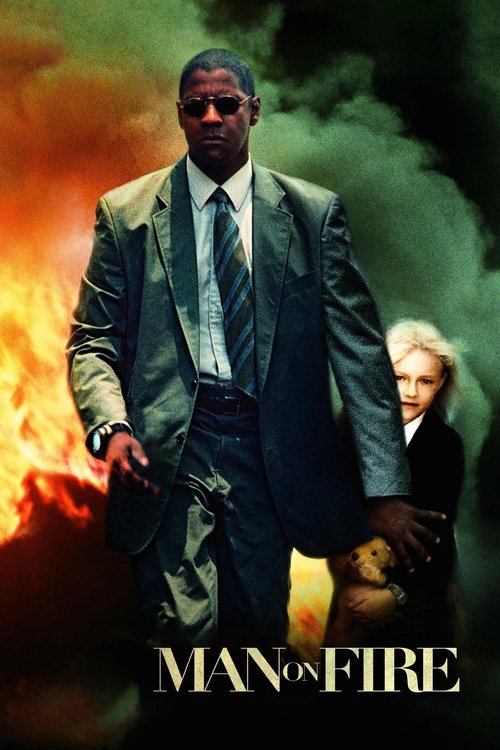
A convoluted soundscape of tracks and effects, shots that last for nano seconds, freeze frames, bursts of rainbow-coloured flushes and filters and sticker boxes flung onto the screen like McDonald’s pickles hurled at glass windows evoke the frantic feeling of latter era Tony Scott (ala Man on Fire, Domino, Enemy of the State) but cranked up a notch.

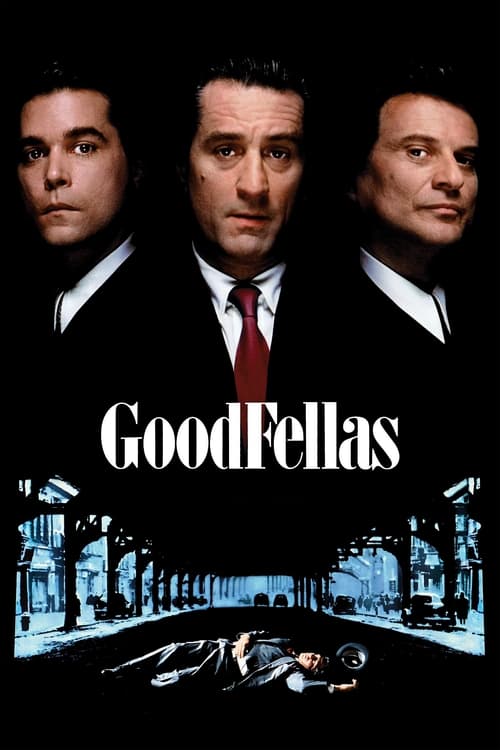
And Bay understands that this crime movie is really about American ambition — it's no mistake that one character quotes the De Palma "Scarface," or a few scenes recall a goofball "Goodfellas."
In many ways, this is Bay's version of Martin Scorsese's "Goodfellas" and is structured much like it.
This is Bay as we’ve not seen before, attempting a tour de force of style — montage plus narration in the tradition of Scorsese’s Goodfellas and such Danny Boyle hot-dog pictures as Trainspotting and the recent Trance.
It's still endlessly frenetic—the only time the camera isn't whipping around is when everything's moving in super slow-motion—but Pain & Gain does seem to be Bay's attempt at making an epic crime drama like a Goodfellas or Casino .
Nominally, this is Bay’s version of an indie film, a subculture study along the lines of Goodfellas or Boogie Nights, made at the relatively modest budget of $25-million (U.S.).
His multiple voiceover character introductions seem ripped from "Goodfellas" by way of Looney Tunes.
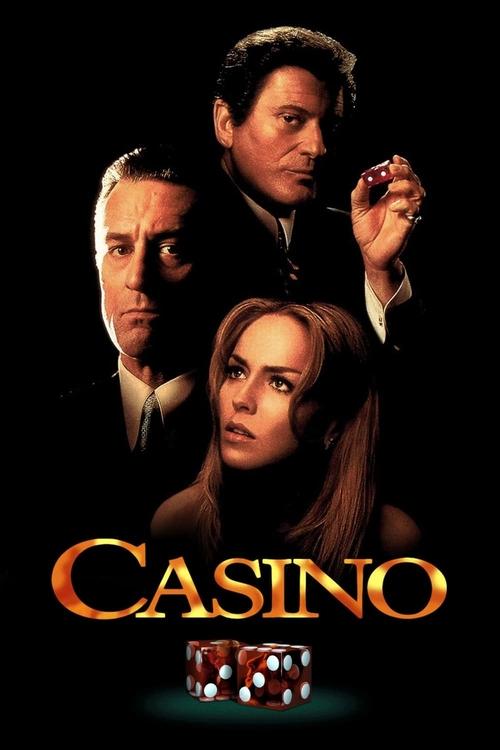
Markus and McFeely, maybe inspired by Casino, charge no less than six of their characters with narration, offering us insight into their individual motivations, as well as reminding us that these were real humans with real hopes and desires, and not merely unthinking monsters, or worse, empty screen characters simply moving a plot along.
Working from Pete Collins' true-crime book, Christopher Markus and Stephen McFeely's screenplay uses the multinarrator effect of films like Martin Scorsese's Casino to get inside the conspirators' empty heads while Bay's camera lays out their music-video dreams.
It's still endlessly frenetic—the only time the camera isn't whipping around is when everything's moving in super slow-motion—but Pain & Gain does seem to be Bay's attempt at making an epic crime drama like a Goodfellas or Casino .
The structure is undoubtedly familiar, with a rotating cast of narrators that couldn't steal from Casino more overtly if Bay had actually cast Joe Pesci instead of just forcing Shalhoub to do his level best Pesci impersonation (as a Colombian-Jew, no less!), and a liberal use of self-consciously ironic title cards that deflate the film's attachment to any kind of dramatic stakes and increase its broad sense of humor in roughly equal measure, but the energy is high as hell, even if the most showy directorial flourish in the whole movie, a digitally stitched-together pan that circles between two rooms four or fives times, is copied exactly from Bad Boys II .
Advertisement
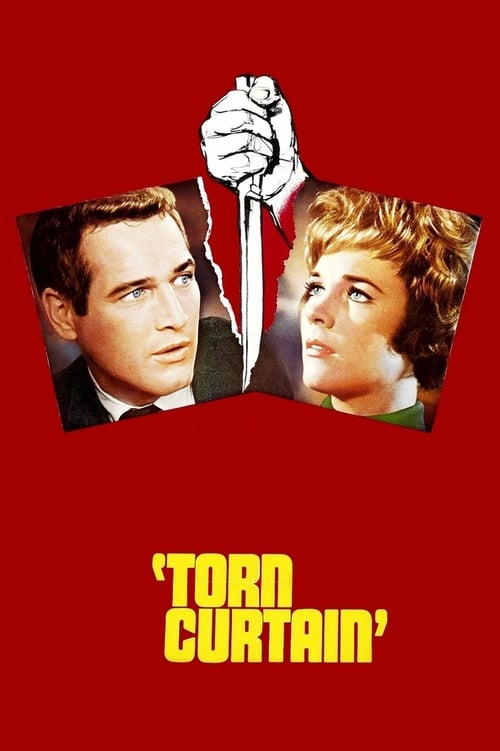
A long scene in which the ’roided-out gang tries to murder a hostage and fails repeatedly recalls a scene in Alfred Hitchcock’s Torn Curtain in which Paul Newman and Julie Andrews discover how hard it is to kill a man.
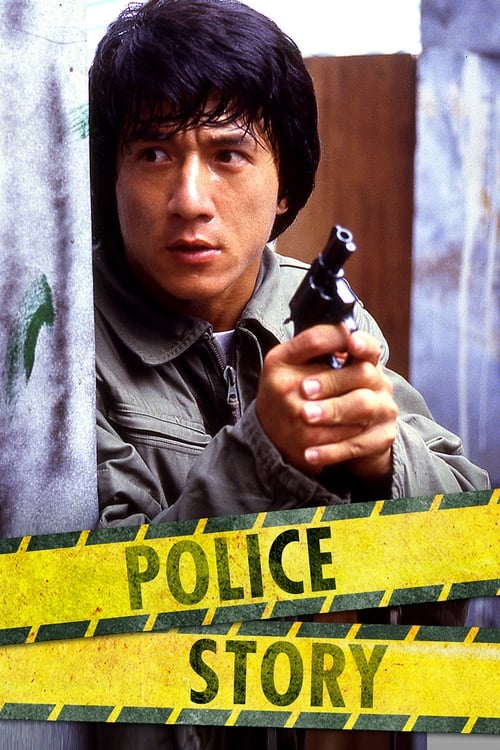
Even the action becomes tiresome after a while; that aforementioned car chase was certainly more than enough for one movie, but Bay throws in another long car chase (one that's far too reminiscent of a similar sequence within Jackie Chan's Police Story) which is admittedly well-executed but enough is enough.
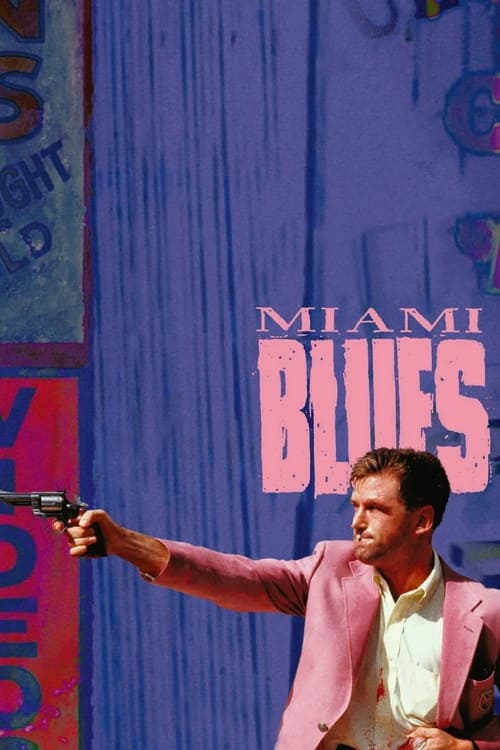
I’m not sure it would have ever been great, unless they brought in a guy like George Armitage, whose Miami Blues is, in many ways, the indie version of this film.
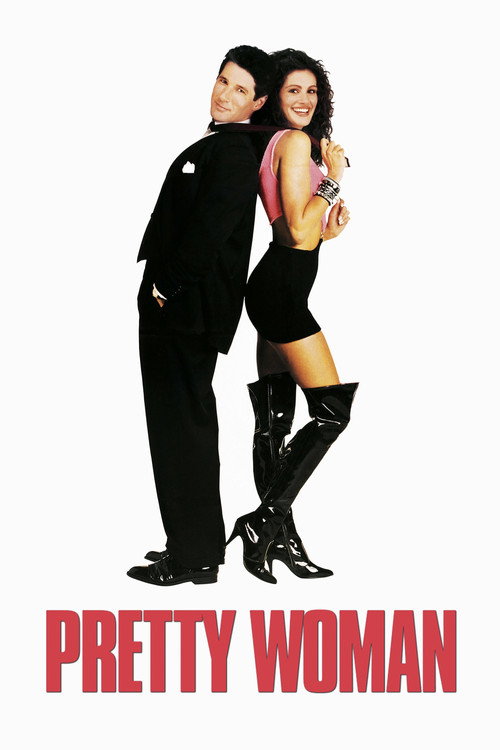
Stripper Sorina Luminita (Bar Paly) is an illegal immigrant who like Daniel is inspired by unobtainable Hollywood ideals; in her case the fantasy of a sex-worker being showered with riches as presented in Pretty Woman.
Even Sorina (Bar Paly), the stripper who plays a tangential part in the scheme, has come to the United States from Bucharest mainly because she saw Pretty Woman.
Advertisement

The best Scarface movie is the 1932 film by Howard Hawks and Richard Rosson.
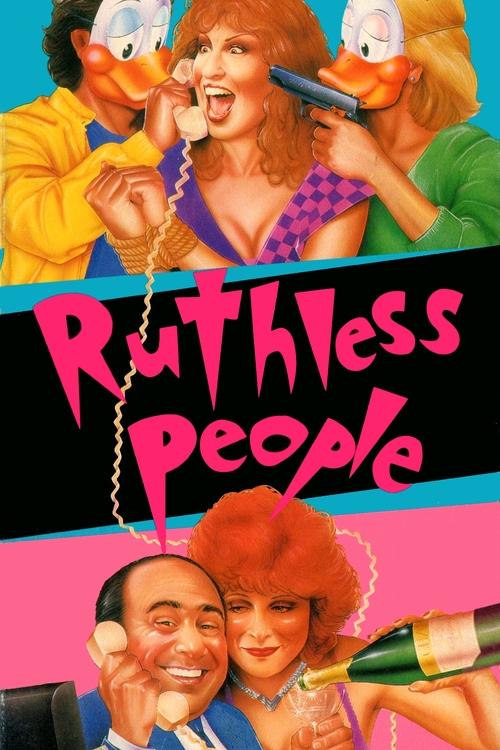
If anything, the film is trying to be something of an edgier version of the old 1986 comedy "Ruthless People" where a down-on-their-luck couple kidnap their ex-boss' wife to get revenge and extort money from him.