

Scarface (1932)
Directed by Howard Hawks
In 1920s Chicago, Italian immigrant and notorious thug, Antonio 'Tony' Camonte, aka Scarface, shoots his way to the top of the mobs while trying to protect his sister from the criminal life.
8 connections found
View:
8 connections, in both directions
What critics compared Scarface to
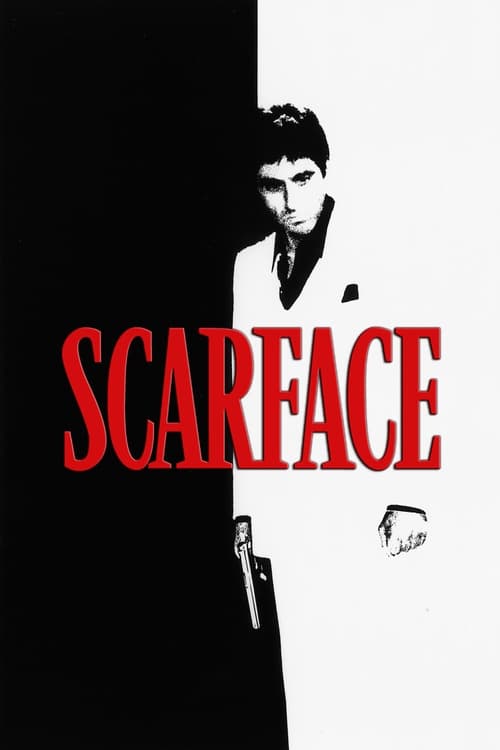


Still, despite his foul mouth, Montana is definitely cut from the same mold as the gangster hero in Howard Hawks’ “Scarface,” a juiced-up version of Al Capone’s life story, starring Paul Muni.
Leading up to its Christmas release, “The Wolf of Wall Street” — which follows the true-life tale of ’90s stockbroker crook Jordan Belfort and, rather awesomely, feels like Martin Scorsese’s “Animal House” — drew comparisons to “Scarface,” Brian De Palma’s 1983 remake of Howard Hawks’ 1932 film, which follows a fictionalized Cuban drug lord named Tony Montana over a very similar rise and fall.

The aforementioned scene, the use of the Rolling Stones' "Gimme Shelter" (significantly, from their Let It Bleed album), the reference to the Stones' Exile on Main Street, the evocation of Carol Reed's The Third Man (1949), the nod to the "X" imagery from Howard Hawks' Scarface (1932), etc. ?
Channeling James Cagney in White Heat and Paul Muni in Scarface, Nicholson leeches out the glamour to create a landmark portrait of evil.
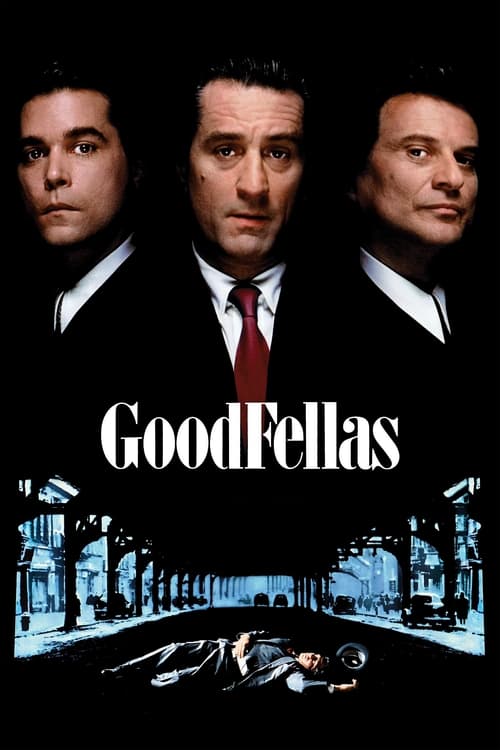
Movies like "Little Caesar" (1930), "The Public Enemy" (1931), and "Scarface" (1932) elevated the hoodlum to near-iconic status, creating antiheroes of lowlifes.
The 1920s and 30s saw the first Golden-Age of gangster flicks, offering such classics as The Public Enemy (1931), and Scarface (1932).
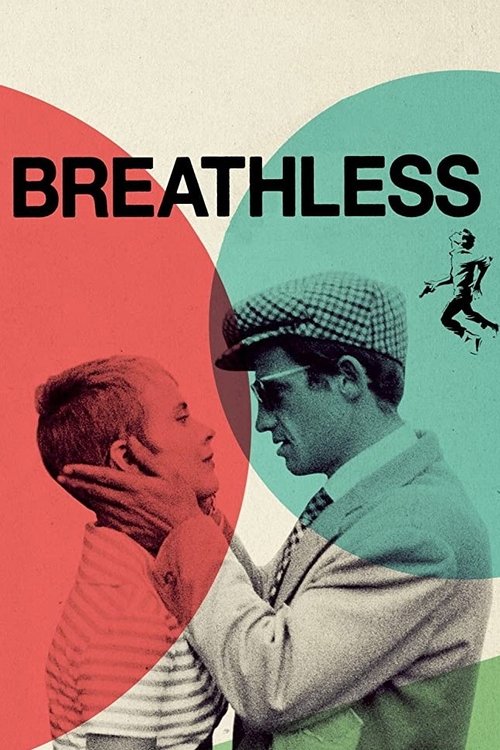
Though the plot mechanics of Breathless are as old as Scarface--one of the many touchstone films mentioned in Godard's irreverent trailer for the movie, and George Raft's quarter-flipping is likely the inspiration for Belmondo's tic-like ritual of rubbing his lips--but the upstart director busts all of the boundaries off the genre and flaunts the rules of moviemaking to boot.
He would later joke that he thought he was making "Scarface" (meaning the 1932 Howard Hawks film) and only found out later that he was making "Alice in Wonderland."
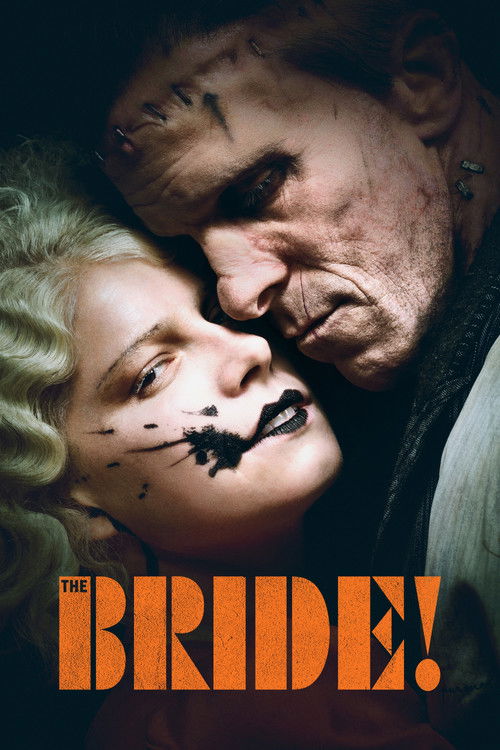
In the same chilly breath it invokes Howard Hawks’s “Scarface,” Mel Brooks’s “Young Frankenstein” and Tim Burton’s “Beetlejuice.”
…complete with Tommy guns, smoky backroom deals, and corrupt power structures that would not be out of place in Scarface or The Public Enemy.
Advertisement

The best Scarface movie is the 1932 film by Howard Hawks and Richard Rosson.
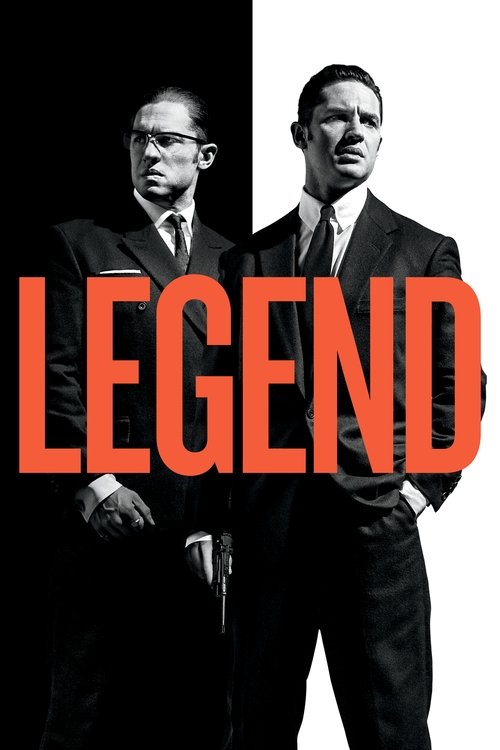
Helgeland, whose most recent film was the Jackie Robinson biopic 42 (2013), wrote the script based on John Pearson’s 1995 book The Profession of Violence: The Rise and Fall of the Kray Twins, and as the book’s title suggests, the film falls very neatly into the time-honored narrative arc associated with the gangster film since The Public Enemy (1931) and Scarface (1932).
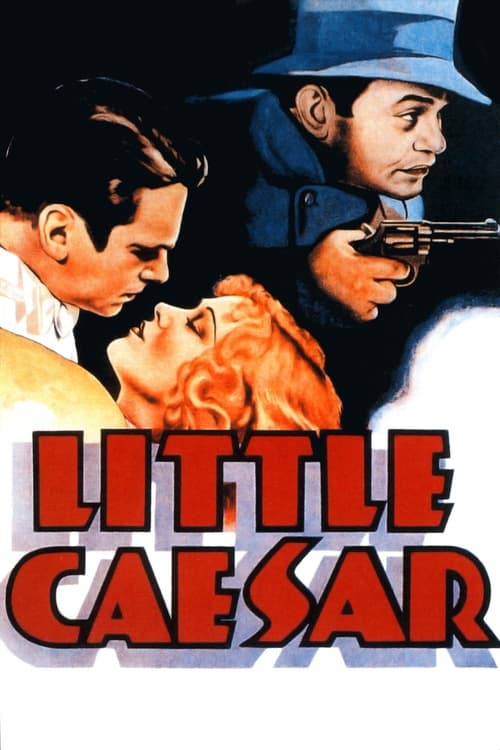
It's the most extreme and outre of the triumvirate of famous early gangster films; it's "Freaks" to the "Dracula" of "Little Caesar" and the "Frankenstein" of "The Public Enemy."
Played by a twitchy Paul Muni, he had both Edward G. Robinson's Rico Bandello ("Little Caesar," 1931) and James Cagney's swaggering upstart in "Public Enemy" (also 1931) beat on the obsessive/compulsive scale.