
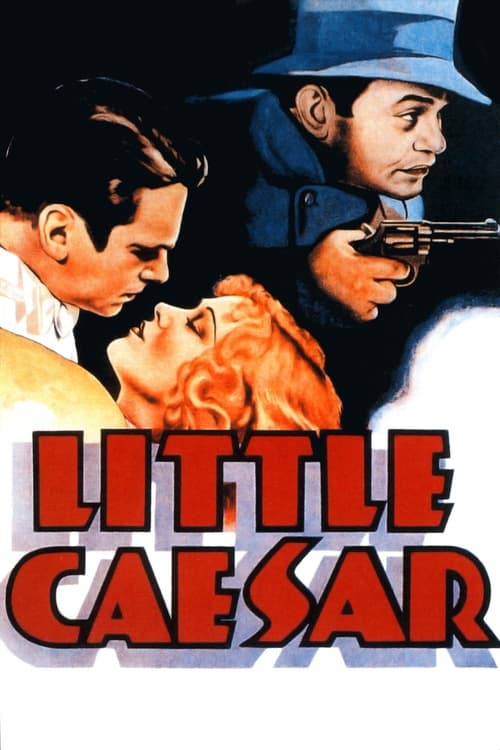
Little Caesar (1931)
Directed by Mervyn LeRoy
A small-time hood shoots his way to the top, but how long can he stay there?
6 connections found
View:
6 connections, in both directions
What critics compared Little Caesar to
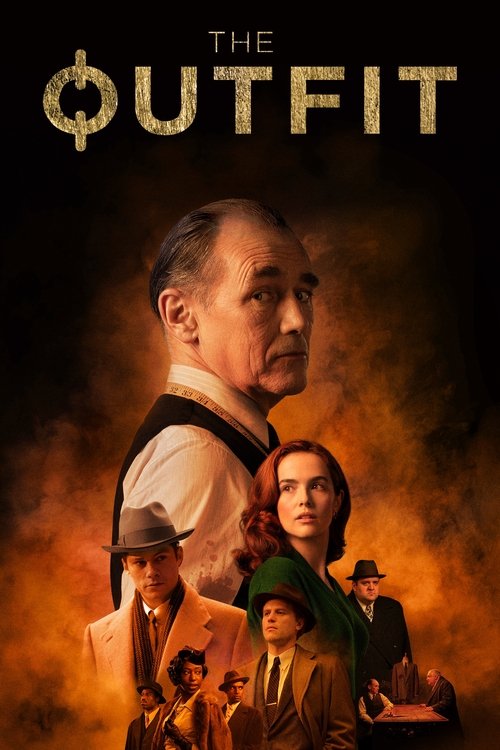


While there were some notable exceptions, the first 40 years of Hollywood movies about organized crime rarely strayed from the blueprint established by Warner Bros. studios beginning in the 1930s with the classics “Little Caesar” and “The Public Enemy.”
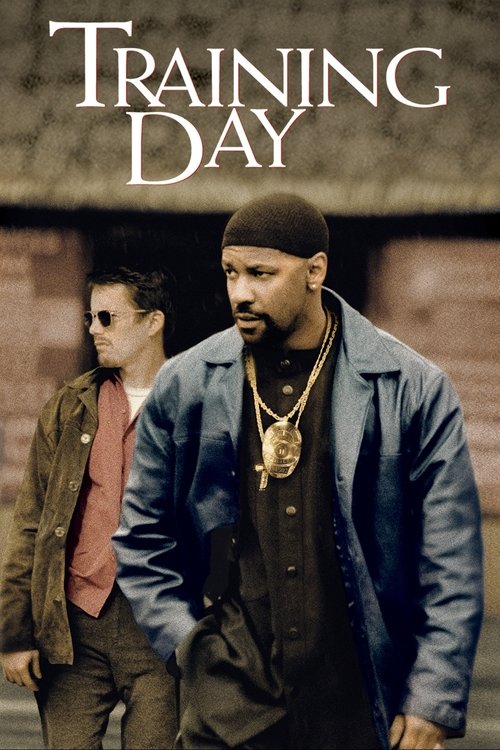
Like all great movie monsters, from Kong to Godzilla to Edward G. Robinson in "Little Caesar" and Al Pacino in "Scarface," Harris is bigger than life, a morally ambiguous titan, a source of both wisdom and terror.

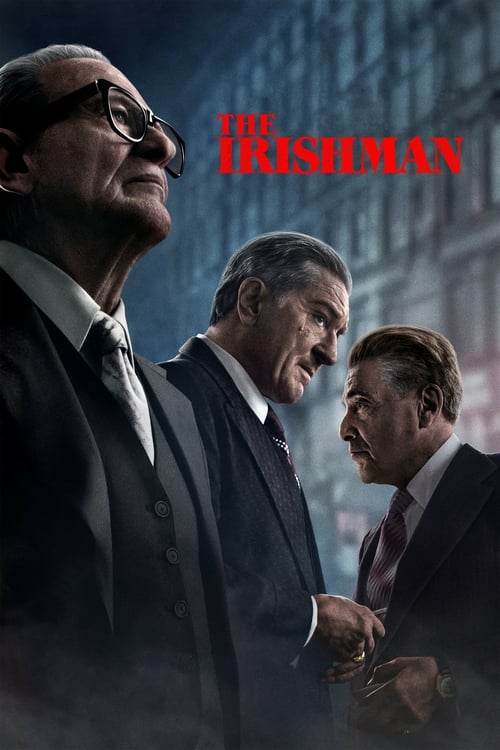
The fact of the matter is, Scorsese makes crime films as well as or better than anyone has since the idiom first came to life with movies like Scarface, Little Caesar and The Public Enemy in the early 1930s.
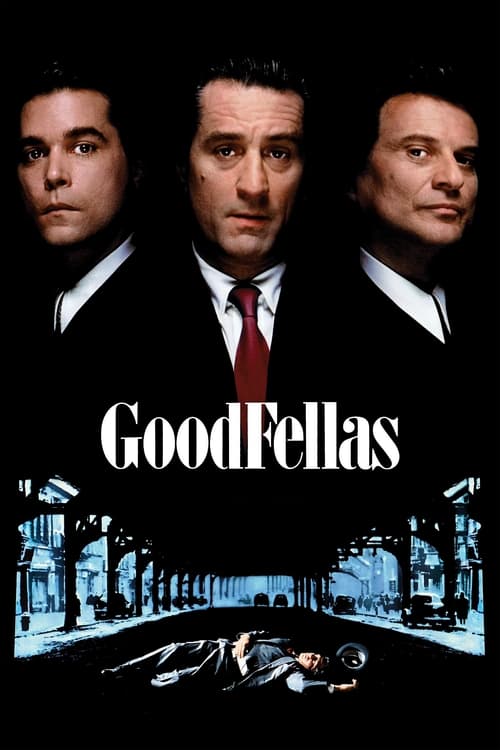
Movies like "Little Caesar" (1930), "The Public Enemy" (1931), and "Scarface" (1932) elevated the hoodlum to near-iconic status, creating antiheroes of lowlifes.
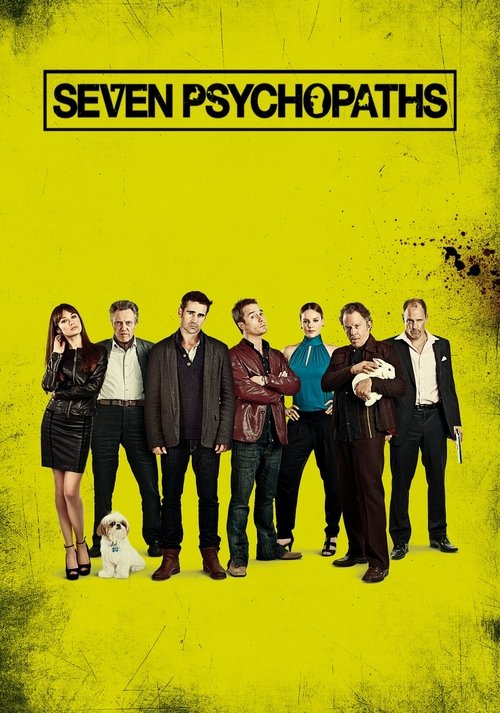
The pulpy Quentin Tarantino-style dialogue mixes Little Caesar with Grand Guignol to no effect, the camerawork is garish, the pacing ludicrously twisted, the bloodshed gratuitous.
Advertisement

It's the most extreme and outre of the triumvirate of famous early gangster films; it's "Freaks" to the "Dracula" of "Little Caesar" and the "Frankenstein" of "The Public Enemy."
Played by a twitchy Paul Muni, he had both Edward G. Robinson's Rico Bandello ("Little Caesar," 1931) and James Cagney's swaggering upstart in "Public Enemy" (also 1931) beat on the obsessive/compulsive scale.