
Rodney Ascher
11 connections found
Filmography
View:
Connections, in both directions
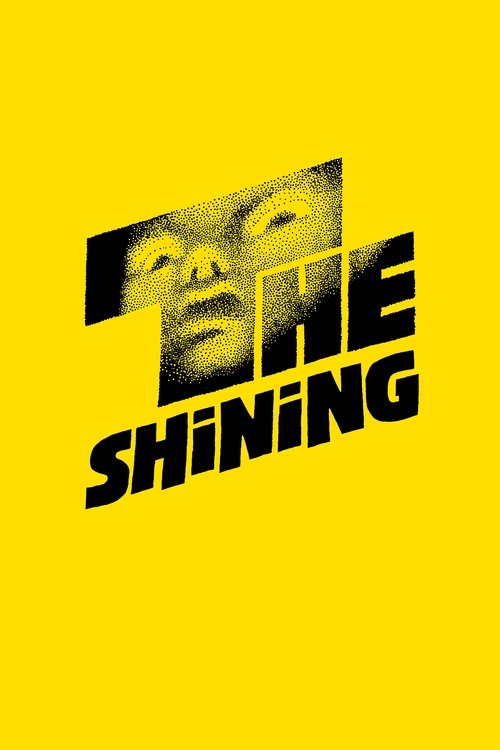


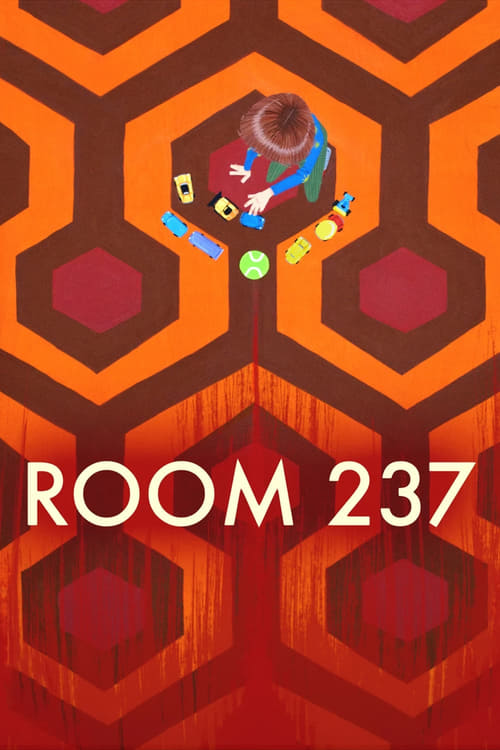
There was even a 2012 documentary, Room 237 , given over to several fan theories about just what the almighty fuck was going on, springing from the theory that as fussy and controlling a director as Kubrick must have peppered the film's structure and mise en scène with clues to the "solution".
"The Shining" has earned a feverish following over the years, the kind that has elicited so many theories and personal readings into Stanley Kubrick's underlying themes and subliminal messaging that it has spawned its own movie, a boundlessly fascinating 2012 documentary from director Rodney Ascher called "Room 237."
Some see The Shining as a damning critique of western US expansion and the subsequent extermination of Native Americans, while some regard it as a Holocaust allegory.
On the surface, Rodney Ascher 's documentary exhibits the theories a few obsessive fans have put forward to reveal what they think Stanley Kubrick 's " The Shining " is really about.
A third unseen theorist, filmmaker and conspiracy guru Jay Weidner, takes off in an opposite direction, arguing that various details in "The Shining" indicate, slyly, Kubrick's involvement in faking the alleged news footage of the Apollo moon landings.
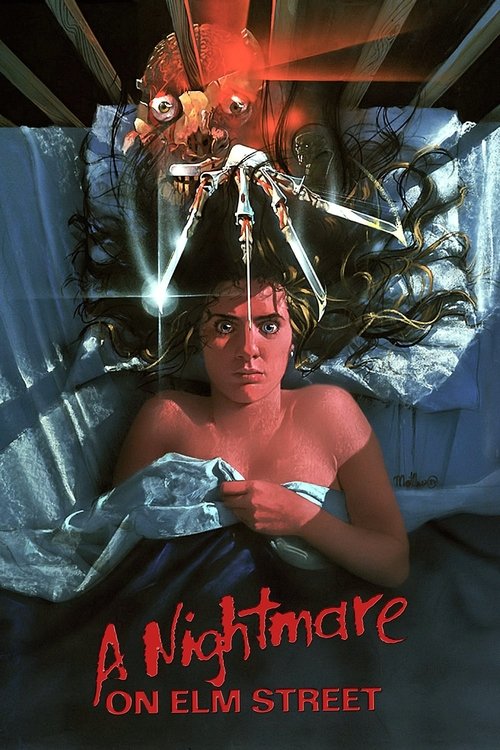
Ascher is particularly fascinated by the hold that movies maintain on the popular imagination in this regard: Excerpted films here include “A Nightmare on Elm Street,” “Jacob’s Ladder,” “Natural Born Killers” and the largely forgotten 1989 Christopher Walken alien thriller “Communion” — all of which deal in imagery similar to what his subjects have seen in their visions.
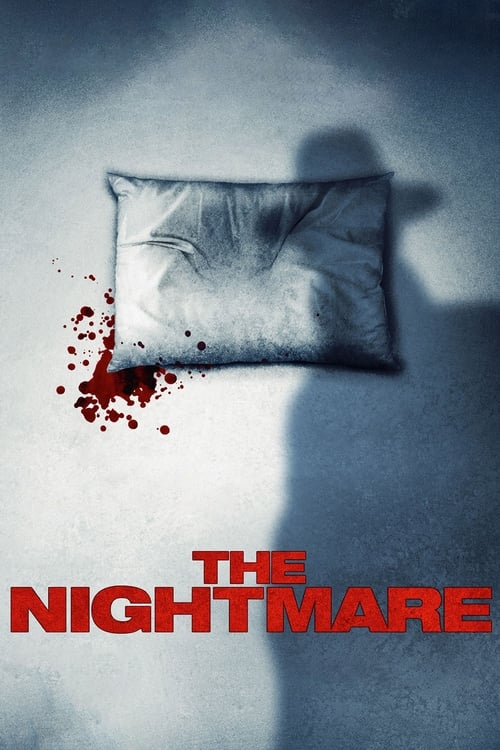
It's fascinating material, linking A Nightmare on Elm Street and Insidious , among many others ( It Follows would be another), together as visions derived from this weird mass nightmare, which is globally common and wide-ranging enough as to potentially serve as a gateway to revealing more about subterranean human fear.
Ascher also works in the links between sleep paralysis and fictional horror stories throughout time, including movies such as A Nightmare on Elm Street and Insidious, that are clearly inspired by the condition, how they in turn perpetuate certain imagery in a cycle of subconscious association and influence.
The result is that the film is rather nebulous about what it’s trying to say: are these people all experiencing a quantifiable medical condition, or are they all living in their own personal versions of A Nightmare on Elm Street?
Their nightmares are duly dramatized by Ascher, whose canted angles and shadowy silhouettes create a consistent sense of unease, and a cinematic dimension emerges as some of the witnesses invoke A Nightmare on Elm Street as a pop-culture expression of what they experience in the night.
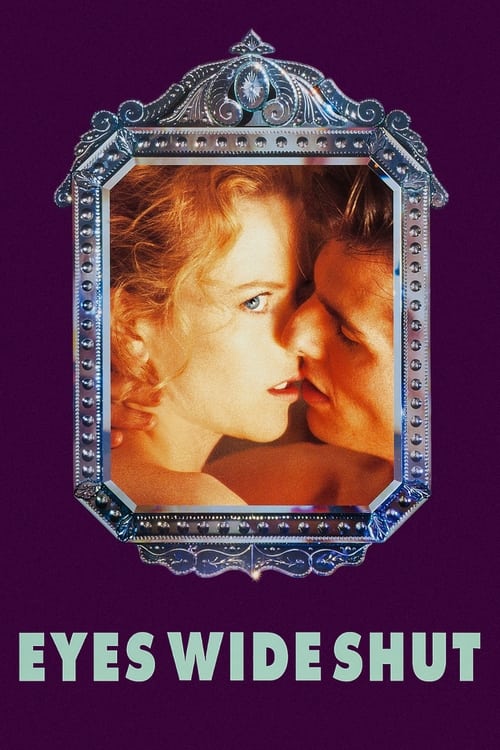
It starts off with a visual trick: In a digitally modified clip from Kubrick's final film, " Eyes Wide Shut " (1999), Dr. Bill Harford ( Tom Cruise ) stands outside the Sonata Cafe in Greenwich Village, which is actually a set at Pinewood Studios near London (which is the source of a little in-joke: The location is identified as "EUROPE").
Ascher, who also edited the film, keeps it consistently lively and engaging, mixing extended clips from The Shining with the humorous deployment of imagery from other Kubrick films (particularly Eyes Wide Shut) to illustrate various points.
Stanley Kubrick didn’t like to explain his movies, which isn’t to say he didn’t leave plenty of room for interpretation in 2001, Eyes Wide Shut, and The Shining, that eternal terrorizer.
Generously illustrated with clips from The Shining and other Kubrick movies (including, most hilariously, Eyes Wide Shut), this is sure to amuse you if you get a bang out of the claims that Paul McCartney died in 1966 and Dark Side of the Moon was intended as a soundtrack for The Wizard of Oz.
Room 237 is, in the grand tradition of Histoire(s) du cinéma but with nothing resembling its intellectual rigor, a film made up almost in its entirety of clips from movies, and if The Shining is the most obviously justified of them, Ascher included footage from every single Kubrick film ( Eyes Wide Shut being far and away the most prominent), and from movies that have nothing to do with Kubrick whatsoever, and whose presence raises questions that Ascher either doesn't find interesting or doesn't realise he's asked (Murnau's 1926 Faust is a particularly glaring example of a movie included, seemingly, just because).

What’s considerably less successful, however, is Ascher’s use of other movie footage – from All the President’s Men to Faust to Demons 2 – to literalize whatever is being discussed, wherein talk of a boy’s education is paired with a visual of a father reading to his son from Kubrick’s Barry Lyndon, and discussion of dream subconscious is illustrated with snippets from Hitchcock’s Spellbound.
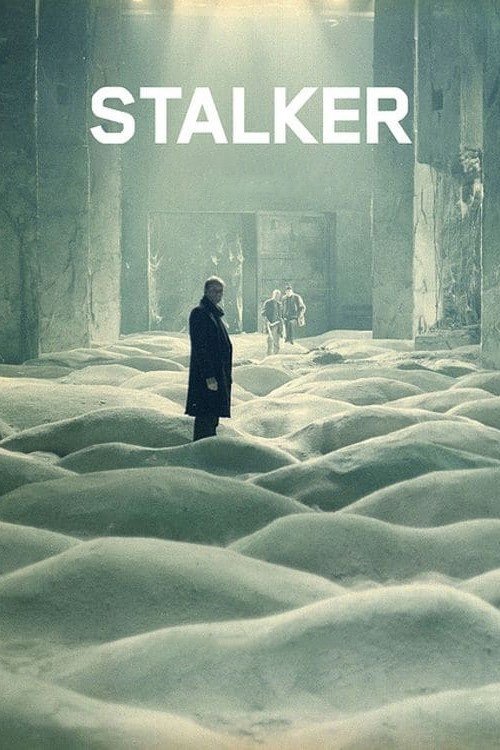
My happy spin (there’s another) on Room 237 is that it’s a love story about movies and their meanings, a more mainstream, cinematic version of Geoff Dyer’s Zona, a book about Andrei Tarkovsky’s movie Stalker, which is really about that movie’s place in his life.
On the other side of the ledger, while one could certainly devote much of one’s life to an archaeological dig below the surface of Andrei Tarkovsky’s “Stalker” – an ambiguous science-fiction masterpiece that reached American viewers the same year as “The Shining” – the universe of people who have seen that film, or even heard of it, is microscopic by comparison.

Terrific illustrative clips from 1980s and ‘90s flicks such as Nightmare On Elm Street, Jacob’s Ladder, the Christopher Walken film Communion, and even a single frame from Natural Born Killers offer evidence of the pervasive nature of sleep paralysis’s iconography.
Ascher is particularly fascinated by the hold that movies maintain on the popular imagination in this regard: Excerpted films here include “A Nightmare on Elm Street,” “Jacob’s Ladder,” “Natural Born Killers” and the largely forgotten 1989 Christopher Walken alien thriller “Communion” — all of which deal in imagery similar to what his subjects have seen in their visions.
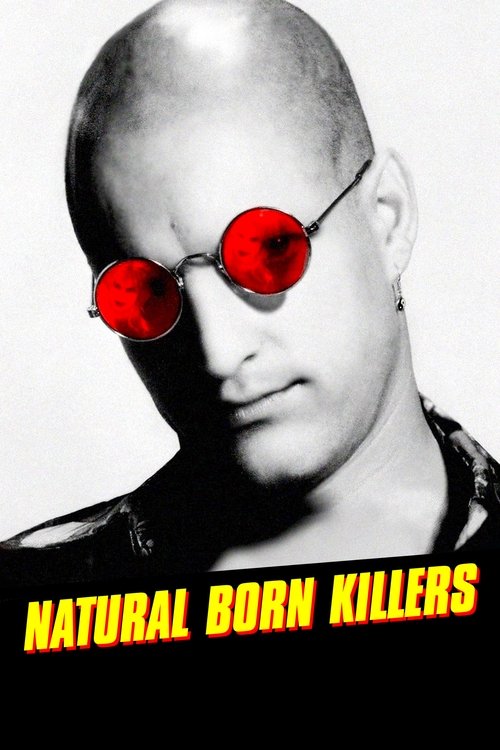
Like he did in Room 237, which concentrated on the wild theories some rabid fans of Kubrick’s The Shining had about the film, Ascher introduces the effects of popular movies on his subjects (among those referenced are Insidious, Natural Born Killers and Communion, in which Christopher Walken played a man who claimed to be visited by aliens in his bedroom at night).
Terrific illustrative clips from 1980s and ‘90s flicks such as Nightmare On Elm Street, Jacob’s Ladder, the Christopher Walken film Communion, and even a single frame from Natural Born Killers offer evidence of the pervasive nature of sleep paralysis’s iconography.
Ascher is particularly fascinated by the hold that movies maintain on the popular imagination in this regard: Excerpted films here include “A Nightmare on Elm Street,” “Jacob’s Ladder,” “Natural Born Killers” and the largely forgotten 1989 Christopher Walken alien thriller “Communion” — all of which deal in imagery similar to what his subjects have seen in their visions.

Note the visual nods to wallpaper from The Shining (1980) and the white void from 2001: A Space Odyssey (1968), then watch Room 237 (2012).

And thanks to Edgerton for pointing out, in a Q&A following the press screening, his directorial prank of paying homage to Rodney Ascher's cult documentary Room 237 (a geek-o-rama examination of Kubrick's The Shining) by putting that number on every office door in the movie.

In Rodney Ascher ’s documentary “ Room 237 ,” four theorists attempt to explain the hidden messages in Stanley Kubrick ’s movie “ The Shining .”
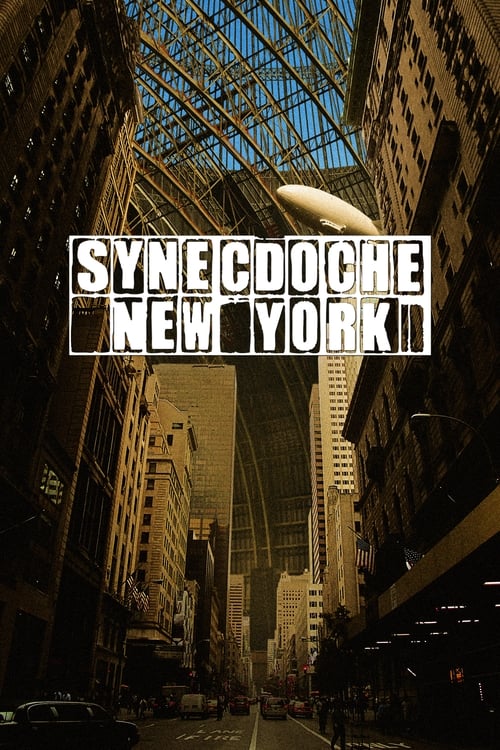
But anybody who’s ever lost days trying to crack the nut of Mulholland Drive or Synecdoche, New York, or Tarkovsky’s Solaris knows that, in that blurred space between textual analysis and conspiracy theory, the questions themselves can be more rewarding than the answers.