
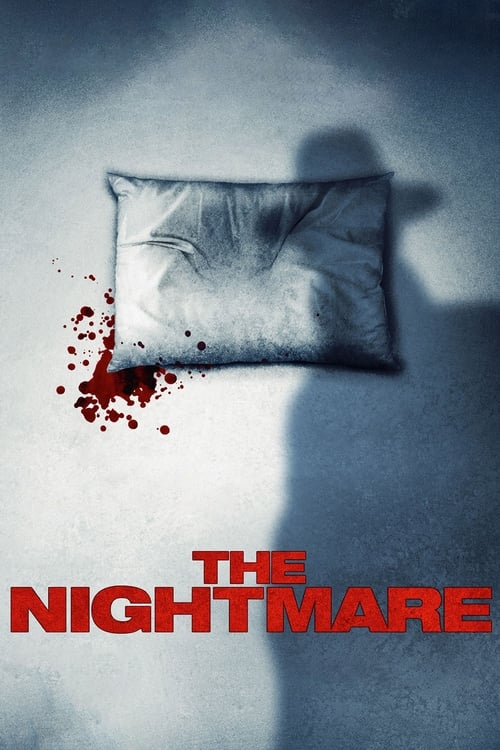
The Nightmare (2015)
Directed by Rodney Ascher
Eight people experience sleep paralysis, a condition which leaves them unable to move, speak or react.
3 connections found
View:
3 films that influenced The Nightmare
What critics say influenced The Nightmare
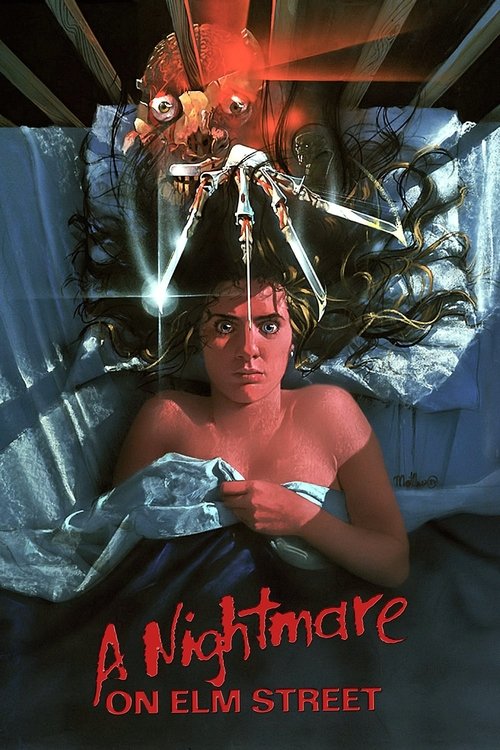


Ascher is particularly fascinated by the hold that movies maintain on the popular imagination in this regard: Excerpted films here include “A Nightmare on Elm Street,” “Jacob’s Ladder,” “Natural Born Killers” and the largely forgotten 1989 Christopher Walken alien thriller “Communion” — all of which deal in imagery similar to what his subjects have seen in their visions.
It's fascinating material, linking A Nightmare on Elm Street and Insidious , among many others ( It Follows would be another), together as visions derived from this weird mass nightmare, which is globally common and wide-ranging enough as to potentially serve as a gateway to revealing more about subterranean human fear.
Ascher also works in the links between sleep paralysis and fictional horror stories throughout time, including movies such as A Nightmare on Elm Street and Insidious, that are clearly inspired by the condition, how they in turn perpetuate certain imagery in a cycle of subconscious association and influence.
The result is that the film is rather nebulous about what it’s trying to say: are these people all experiencing a quantifiable medical condition, or are they all living in their own personal versions of A Nightmare on Elm Street?
Their nightmares are duly dramatized by Ascher, whose canted angles and shadowy silhouettes create a consistent sense of unease, and a cinematic dimension emerges as some of the witnesses invoke A Nightmare on Elm Street as a pop-culture expression of what they experience in the night.

Terrific illustrative clips from 1980s and ‘90s flicks such as Nightmare On Elm Street, Jacob’s Ladder, the Christopher Walken film Communion, and even a single frame from Natural Born Killers offer evidence of the pervasive nature of sleep paralysis’s iconography.
Ascher is particularly fascinated by the hold that movies maintain on the popular imagination in this regard: Excerpted films here include “A Nightmare on Elm Street,” “Jacob’s Ladder,” “Natural Born Killers” and the largely forgotten 1989 Christopher Walken alien thriller “Communion” — all of which deal in imagery similar to what his subjects have seen in their visions.
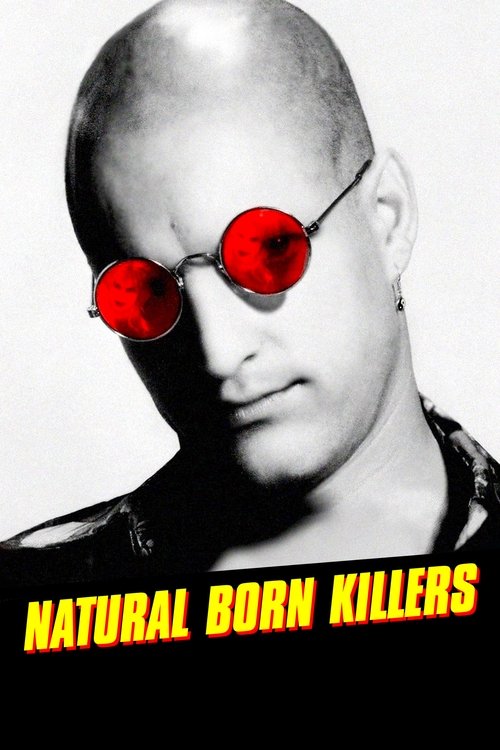
Like he did in Room 237, which concentrated on the wild theories some rabid fans of Kubrick’s The Shining had about the film, Ascher introduces the effects of popular movies on his subjects (among those referenced are Insidious, Natural Born Killers and Communion, in which Christopher Walken played a man who claimed to be visited by aliens in his bedroom at night).
Terrific illustrative clips from 1980s and ‘90s flicks such as Nightmare On Elm Street, Jacob’s Ladder, the Christopher Walken film Communion, and even a single frame from Natural Born Killers offer evidence of the pervasive nature of sleep paralysis’s iconography.
Ascher is particularly fascinated by the hold that movies maintain on the popular imagination in this regard: Excerpted films here include “A Nightmare on Elm Street,” “Jacob’s Ladder,” “Natural Born Killers” and the largely forgotten 1989 Christopher Walken alien thriller “Communion” — all of which deal in imagery similar to what his subjects have seen in their visions.