
Fritz Lang
106 connections found
Filmography
 M 1931
  Metropolis 1927
  Woman in the Moon 1929
 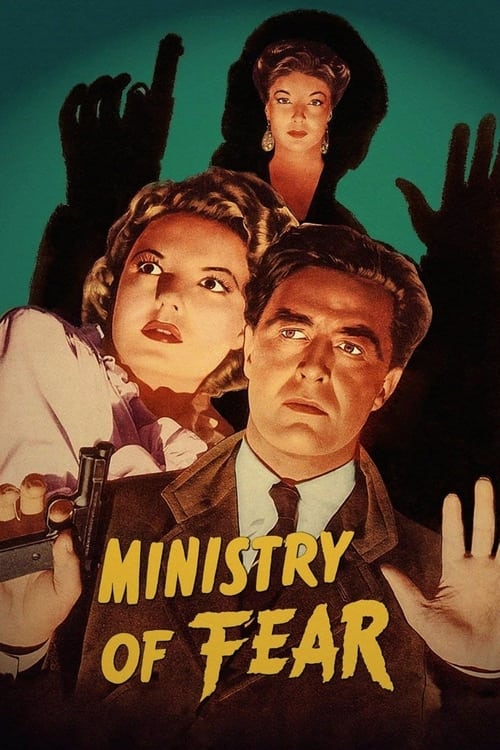 Ministry of Fear 1944
  The Big Heat 1953
 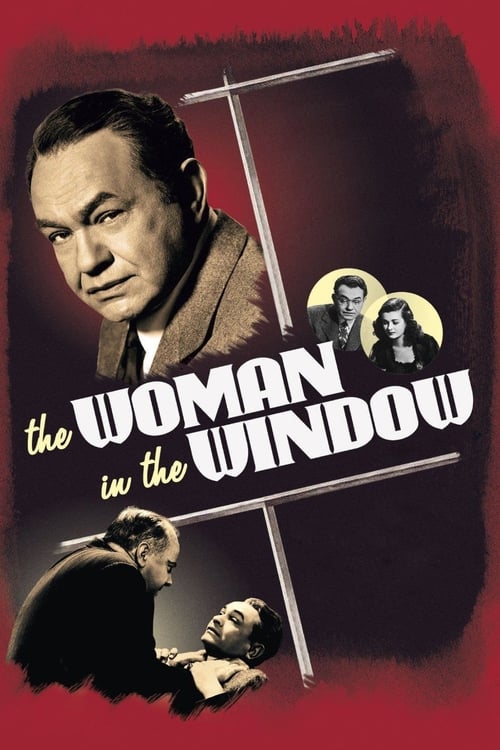 The Woman in the Window 1944
 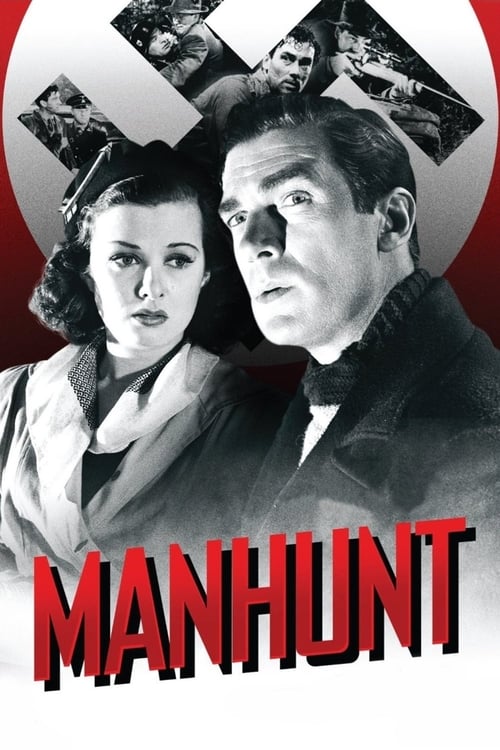 Man Hunt 1941
 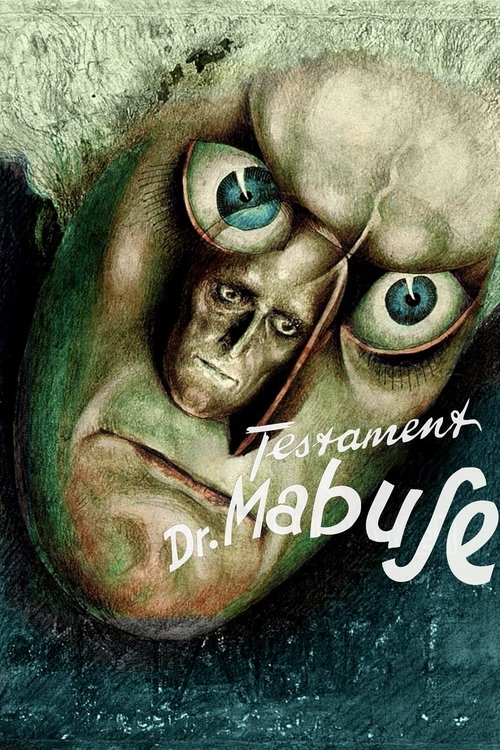 The Testament of Dr. Mabuse 1933
 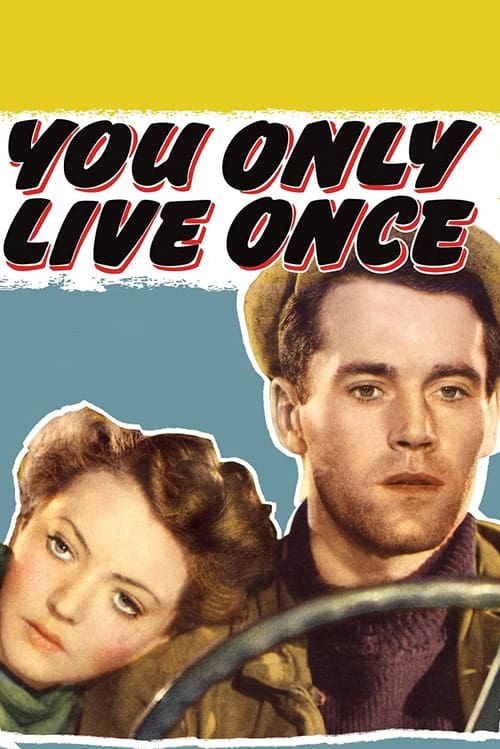 You Only Live Once 1937
 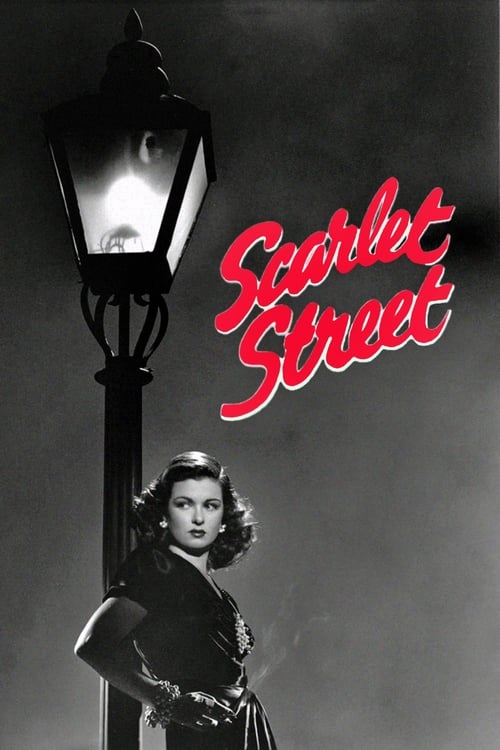 Scarlet Street 1945
 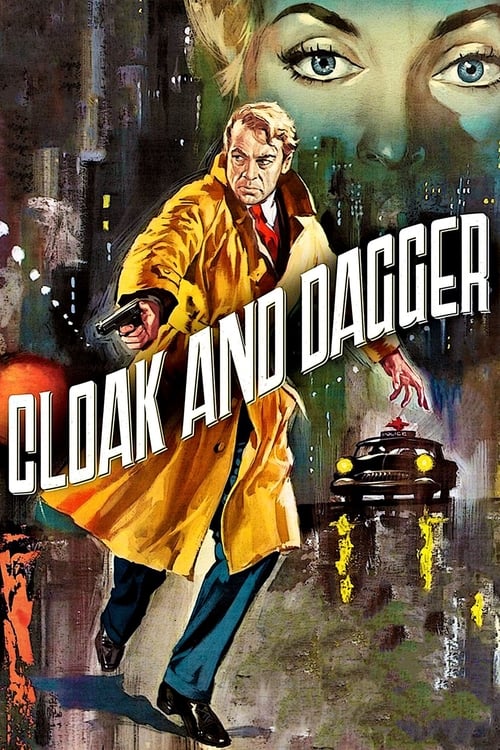 Cloak and Dagger 1946
 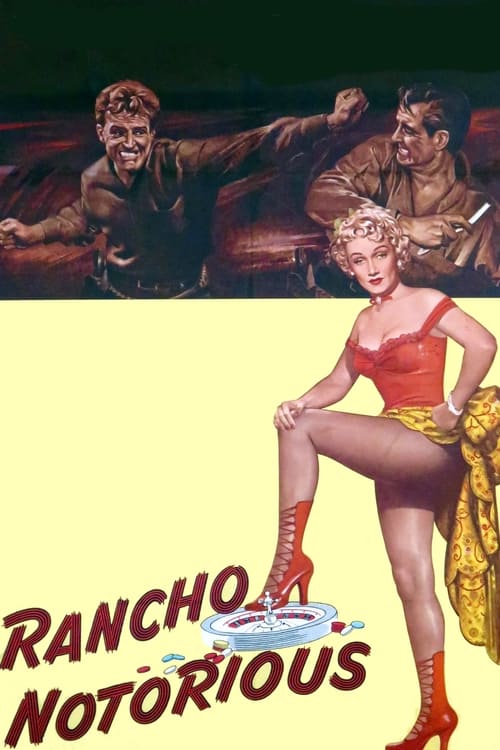 Rancho Notorious 1952
 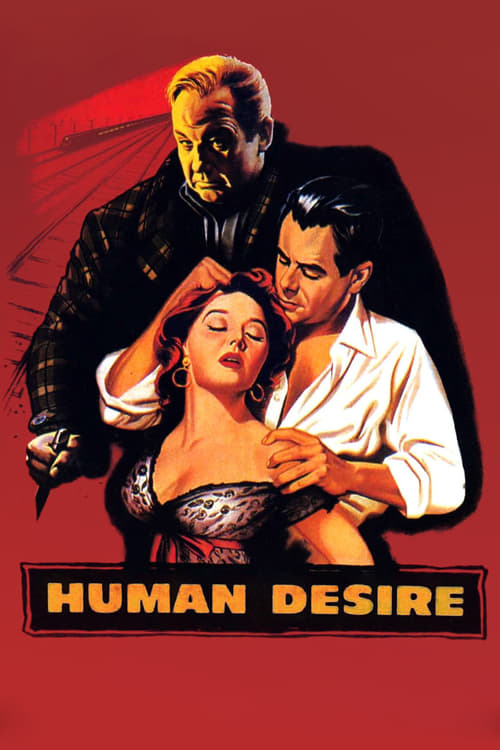 Human Desire 1954
 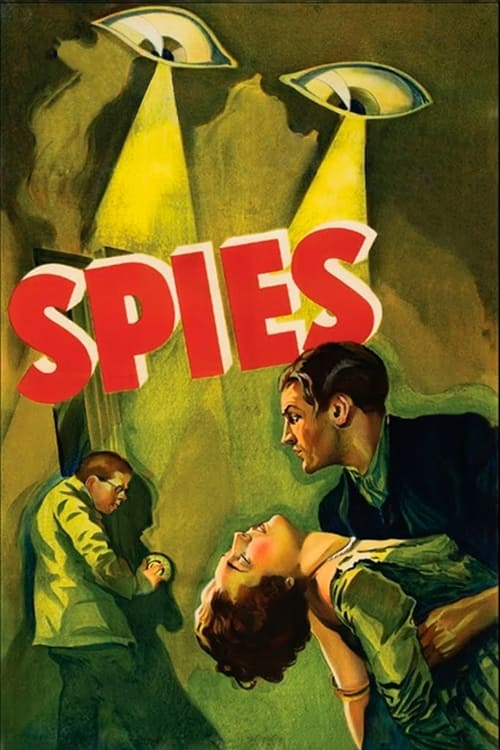 Spies 1928
 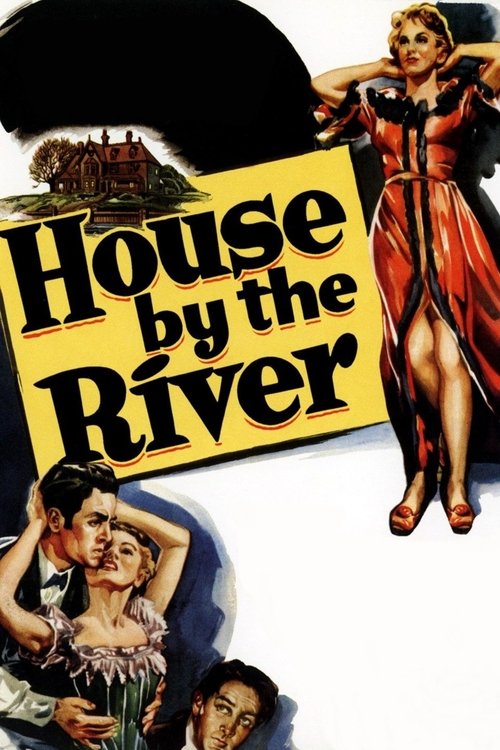 House by the River 1950
 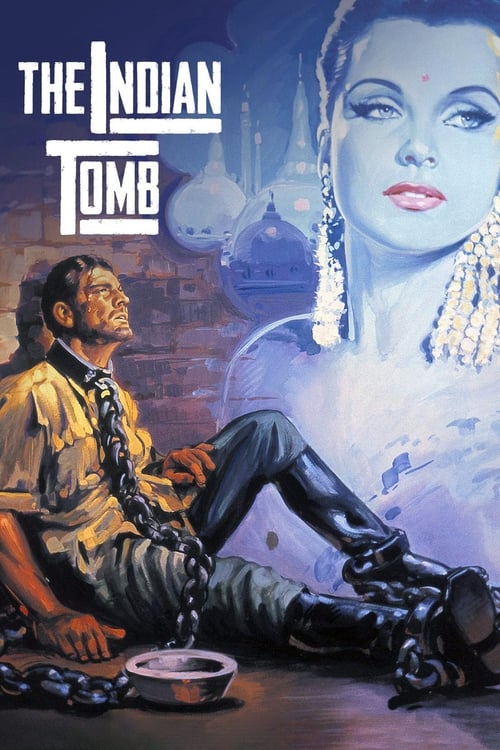 The Indian Tomb 1959
  Liliom 1934
 View:
Connections, in both directions
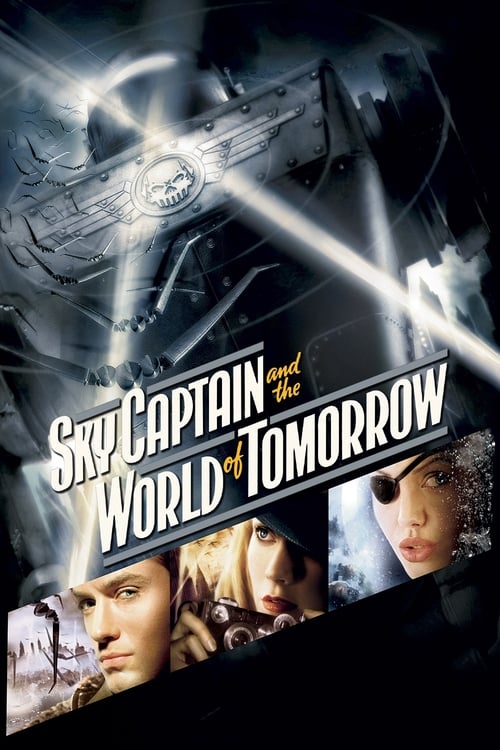
Sky Captain and the World of Tomorrow (2004)
Directed by Kerry Conran
influenced by Metropolis (1927)
Visuals Themes


Drawing from a well of pulp fiction, film noir and comic book imagery--not to mention influences from "The Wizard of Oz" to Fritz Lang's "Metropolis"--Conran and crew evoke a highly stylized 1939.
"Wizard of Oz" parallels are obvious, as are connections to Fritz Lang's "Metropolis" (no relation to Superman's hometown) and various others.
But black-and-white classics rich with light and shadow, such as Fritz Lang's "Metropolis" (1927) and Leni Riefenstahl's "Triumph of the Will" (1935), are also obviously major touchstones for Conran's sense of visual style, and there are also more recent influences such as the Indiana Jones series, the "Jurassic Park" series, and even "Who Framed Roger Rabbit?" (1988).
There are also plenty of film geeks who know and love the pulp fantasies of the early twentieth century, from Metropolis to the serialized swashbucklers of Buck Rogers and Flash Gordon.
Take a cultural grab-bag of such elements as art deco, RKO radio towers, sepia tones, dutch angles, expressionism, Max Fleischer cartoons, Superman and Flash Gordon serials, "Metropolis," zeppelins mooring to the Empire State Building, Manhattan of the '30s, P-40s with their Burma-battles Fei Hu nose art, and German secret-project scientists; add a dashing fighter pilot (Jude Law) shearling-sheathed in AAF garb and an equally mercenary and hard-boiled femme reporter (Gwyneth Paltrow) done in vintage Vogue duds—then attack the lot with huge airborne robots and batwing fighters letting loose with laser weaponry and you have "Sky Captain and the World of Tomorrow."
The result looks like nothing you've ever seen before, compiled very knowingly from many things you probably have: film noir, sci-fi pulp adventures from the '30s with garishly exhilarating covers, old Flash Gordon and Buck Rogers serials, and last, but not least, German Expressionist masterpieces like "Metropolis."

Unlike the New York City-inspired utopia of Fritz Lang's 1927 masterpiece “Metropolis,” Furst's Big Apple is visibly corrupt and full of worms.
Only in the climax, in a cathedral belfry showdown reminiscent of the climax of Metropolis , does Nicholson seem finally to grow into the character — just in time for him to be killed off.
In the case of Batman, the far more appropriate adjective is "Expressionist", as in "German Expressionist", as in, "This film isn't merely influenced by Metropolis , it's an out-and-out copy".

In the land's 12 remaining and miserably neglected districts, life among the starving 99-percenters is harsh enough to make"Metropolis" look like a staycation.
It's a social structure with echoes of "The Time Machine," "Metropolis," and John Boorman 's whacked-out "Zardoz."
One thinks of not just the Occupy movement but the division between the working and wealthy classes that inspired such past science-fiction classics as Fritz Lang's "Metropolis" and H.G. Wells' "The Time Machine."

Gyllenhaal has cited Fritz Lang's Metropolis as an inspiration as well.
Frayed posters allude to Fritz Lang’s Metropolis.
…la reanimación de Ida por ejemplo es un homenaje a Metropolis de Fritz Lang…
The hair, makeup, and costumes also make this version of the Bride distinct from previous iterations, with her appearance resembling an homage to Brigitte Helm in Fritz Lang’s Metropolis (1927).
…son evidentes las referencias al ‘Metropolis’ de Fritz Lang (1927)…
Its jumble of movie references, witting or otherwise, include Pennies from Heaven, Metropolis, and Dick Tracy, as well as the James Whale classics Frankenstein and Bride of Frankenstein…
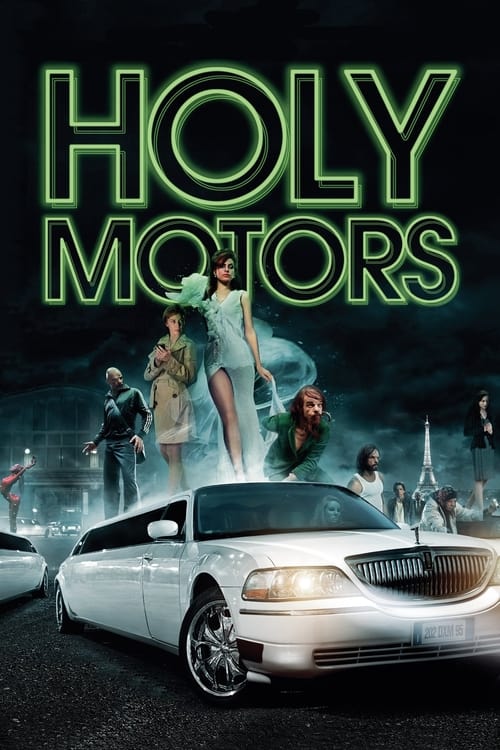
“Holy Motors” looks forward and backward, combining science fiction with an upended, funhouse mirror history riffing on Cocteau, Bunuel, “Beauty and the Beast,” and Fritz Lang’s “Metropolis” and “M,” among many influences.
“Holy Motors” looks forward and backward, combining science fiction with an upended, funhouse mirror history riffing on Cocteau, Bunuel, “Beauty and the Beast,” and Fritz Lang’s “Metropolis” and “M,” among many influences.
Merde’s fellow sewer dwellers walk in formation like the dehumanized workers of Fritz Lang’s 1927 dystopian vision Metropolis.
Swept up in the excitement, some of the first reviewers made it sound like a visionary cross between Metropolis and Mulholland Drive.

From Fritz Lang's classic "Metropolis" to last year's "Total Recall," the premise of a society drastically divided by class has been a model for many dystopian science-fiction stories.
Simmering or open class warfare has been a rich trope for sci-fi futurecasting as far back as Fritz Lang ’s 1927 “Metropolis” and as recently as “In Time,” “ Total Recall ” and Michael Winterbottom’s fine, underseen “Code 46.” Lang’s influence is particularly evident in “Elysium’s” army of industrious worker bees slaving away on the factory floor of the Armadyne corporation, whose slithery CEO, Carlyle ( William Fichtner ), developed Elysium and all the technology that makes it run.
Mix in an exoskeleton turning Max into super-strong robo-drone makes “Elysium’s” connection to Fritz Lang’s “Metropolis” even clearer.
Max and his fellow wage slaves are thematic kin to the subterranean workers in Fritz Lang's " Metropolis " (1927), another science-fiction tale that literalized the notion of an upper and lower class.
By design, her performance is only slightly less robotic than the Maschinenmensch robot woman, Maria, in Fritz Lang's "Metropolis," a major influence on Blomkamp's movie.
Whereas most science fiction today is all sleekness and impressive spaceships, metaphor comes first for Blomkamp, who sees "Elysium" in the tradition of Fritz Lang's similarly allegorical "Metropolis."
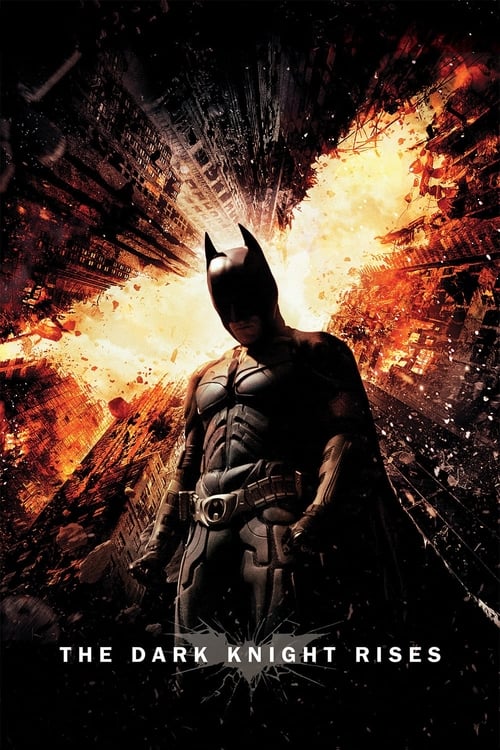
The Dark Knight Rises (2012)
Directed by Christopher Nolan
influenced by Metropolis (1927)
Visuals Plot Themes
Nolan is something of a purist, evinced in his shooting and editing entirely on film and resisting the cash-grab allure of 3-D in favor of a nostalgic harkening back to the cinematic past (he has cited both Fritz Lang’s Metropolis and David Lean’s Dr. Zhivago as major influences here).
Inspired by Fritz Lang's "Metropolis" (also a tale of a resentful underclass incited to violence by a sort of monster) and Dickens' "A Tale of Two Cities" (Cillian Murphy's Scarecrow leads a French Revolution-style kangaroo court), the movie — operatic, imposing, built to awe rather than seduce — barrels over its plot holes with the massive tread of one of Lucius Fox's Bat-vehicles; thank goodness for the light-footed and light-fingered Catwoman (Anne Hathaway), who steals scenes as well as pearls.
But it’s visually enthralling, especially the scenes of urban chaos that call to mind Fritz Lang’s Metropolis.
Nolan, the most daring and imaginative studio filmmaker working right now, modeled "Dark Knight Rises" after both the silent classic "Metropolis" and "Bladerunner," using London as the hub of a metropolitan hell hole where Bane rules like Satan in the Underworld.
The screenplay by Nolan and his brother Jonathan takes inspiration from A Tale of Two Cities and Metropolis (not Clark Kent’s, Fritz Lang’s) in depicting the levels of society: the 99% versus the 1%, the skyscrapers down to the sewers.
Metropolis (1926), The Time Machine (1960), A Clockwork Orange (1971), Soylent Green (1973), Blade Runner (1982) and Dark City (1998) all were forerunners of The Hunger Games , Divergent , and even the Transformer series.
The movie projects as outlandishly blunt a social metaphor as any movie since Fritz Lang’s 1927 Metropolis envisioned a futuristic New York wherein the workers lived and labored in a realm below the subway while their rulers cavorted in rooftop gardens higher than the Empire State Building.
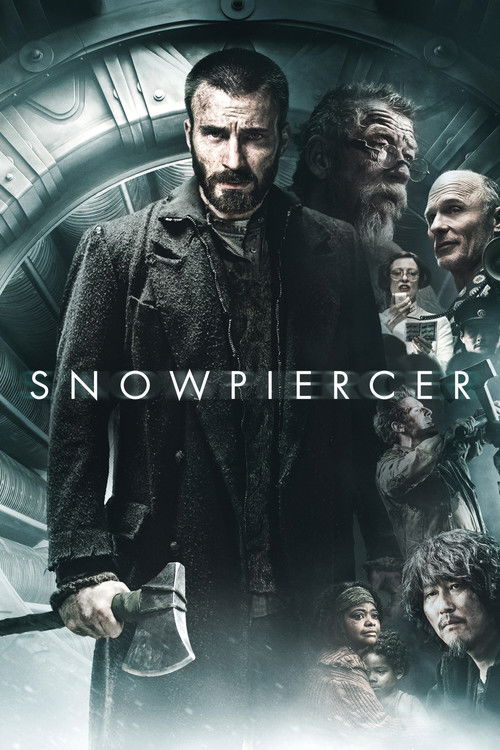
If Bong movies like Memories of Murder and Barking Dogs Don’t Bite established a fondness for the edge of 1970’s American cinema, and The Host adopted the paranoid wonder of young Spielberg, Snowpiercer forages for sustenance in the work of cinematic sci-fi pioneers like Fritz Lang’s Metropolis and Ridley Scott’s Blade Runner, showing a particular fondness for Terry Gilliam’s Brazil.
This is something of a trend, as Bong’s movie joins with such recent works as “Elysium” and “The Hunger Games” series to be among the most class-conscious science-fiction epics since Fritz Lang’s “Metropolis,” which was released in 1927, as if in anticipation of the imminent worldwide economic depression.
El posapocalipsis ferroviario parece surgir artísticamente de la conjunción o confluencia imaginativa de tres poetas visionarios tan genialmente irreductibles como Dante (su poema La Divina Comedia), Fritz Lang (su ambiguo filme anticipatorio Metrópolis 27) y Ernst Jünger (su premonitoria novela crítica velada pero toleradamente antihitleriana El trabajador 32), al primero se le debe la excelsitud mantuana de esa invención de círculos infernales que son vagones que son secciones del tren (sección de cola, sección de cuarentena, sección de prisión, sección de agua, sección de frente), pero también la añoranza del bistec, del rostro materno, de la tierra olvidada o jamás vista, del póstumo cigarrillo y el postrer cerillo, o de las balas hace años extintas; a Lang y a su paradigmática parábola distópica se le debe sin duda esa atroz segregación plástica de los irremediables trabajadores esclavizados en geométricos grupos compactos para recibir sentados el indoctrinamiento nuestro de cada…
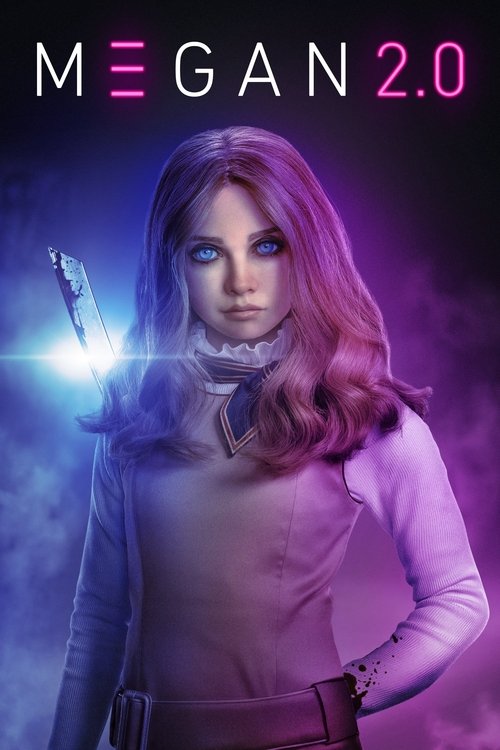
…whereas AMELIA is a grown woman with visual references to “Metropolis” (1927) and “Ex Machina” (2014).
A well-placed Metropolis (dir. Fritz Lang, 1927) homage in her character design serves as a subtle reminder that the themes the film is exploring are nothing new.
…her look modeled on "Metropolis's" Maria in her natural state…
…like one action beat that’s essentially a dream match between Maria from Fritz Lang’s Metropolis and Battle Angel Alita’s titular cyborg.
…fun nods to Metropolis, THX-1138, and the Terminator films…
Can Johnstone slip in a “Metropolis” reference for Amelia without getting caught?
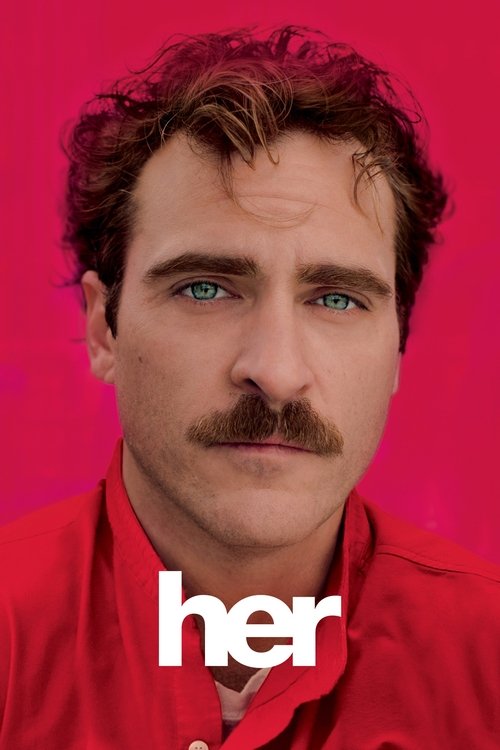
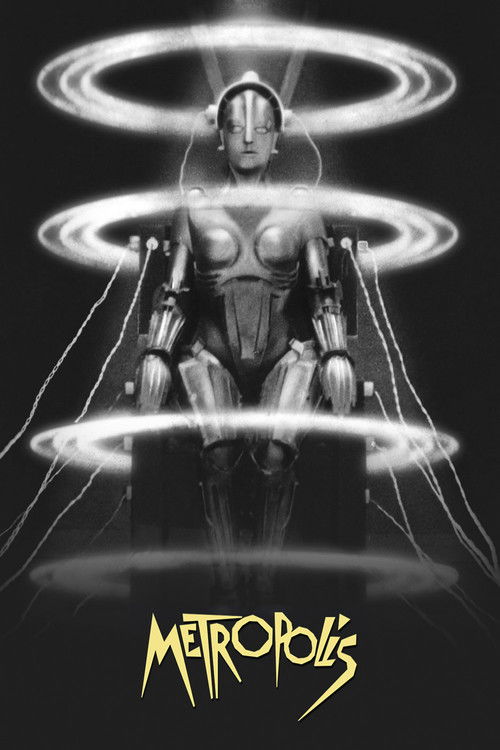
This is hardly a new concept for film, going back at least as far as the sexually suggestive and oddly alluring female robot of Metropolis, Fritz Lang’s 1927 silent classic.
In science fiction, we’ve seen similar themes in movies like “Metropolis” (1927) and “Electric Dreams” (1984).
There have been movies before about emotional relationships between humans and artificial beings, from Fritz Lang's "Metropolis" to Ridley Scott's "Blade Runner."
Watching Her I thought a little of Fritz Lang’s Metropolis and Andrew Stanton’s Wall-E and the idea of love and machines.

Dark City (1998)
Directed by Alex Proyas
influenced by Metropolis (1927), The Big Heat (1953)
Visuals Themes
Before the film is half over he manages to evoke memories of "Blade Runner," the Gotham of Tim Burton's "Batman," Fritz Lang's "Metropolis," and assorted images from David Cronenberg and Terry Gilliam.
There are chases and confrontations, as well as gorgeous and elaborate set design, including a subterranean fortress that looks inspired (like so many movies) by Fritz Lang's Metropolis , but the movie isn't a patchwork thriller.
When it first came out in 1998, I thought it was a little too derivative of the aforementioned "Blade Runner" as well as its biggest inspiration, Fritz Lang's classic "Metropolis."
Stirred by the visionary power of " Dark City ," I revisited Fritz Lang 's "Metropolis" and once again fell under its eerie spell.
Such results have proved repetitive in the cinema, especially for pictures that have followed "Metropolis"s way of thinking (most recently with Alex Proyas' "Dark City").
This bizarre un-reality -- an amalgam of Gothic architecture, '50s costumes, "Metropolis"-inspired art direction and film noir technique -- is the creation of writer-director Alex Proyas ("The Crow"), who successfully draws his audience into this uncomfortable world.

Allen's one-liners are smoothly folded into a clever adventure tale that also incorporates allusions to Fritz Lang's "Metropolis," various Biblical stories and the class-conscious "screwball comedies" of the 1930s.
On a larger scale, "Antz" features unprecedented crowd scenes and multi-dimensional "sets" (a majestic, organic "Metropolis" ant hill interior, an ant's-eye-view of a picnic) that also raise the bar on this emerging art form.
Something of a combination of "Metropolis" and "Logan's Run" with elements of the 1950's nuclear paranoia film, "Them!" thrown in, "Antz" is a visual delight with the potential to appeal to generations of moviegoers.
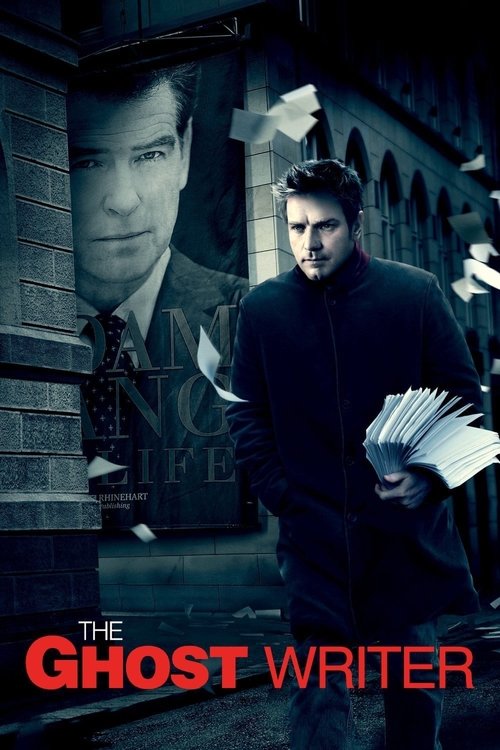
The Ghost Writer (2010)
Directed by Roman Polanski
influenced by The Testament of Dr. Mabuse (1933)
Visuals
The Ghost Writer starts with an ominous scene on a ferry at night—one that recalls the moment in Fritz Lang’s The Testament of Dr. Mabuse (1932) where cars in traffic have to go around a car that is at a stand-still because its driver has been murdered.

Star Wars: The Rise of Skywalker (2019)
Directed by J.J. Abrams
influenced by Metropolis (1927)
Visuals
That said, the depiction of Palpatine ends up feeling like an old school movie monster, the closest Abrams gets to venturing towards referencing other films, thanks to horror movie makeup, and other concepts seemingly lifted from Fritz Lang’s Metropolis .

The bars will be a delight for film lovers and historians for whom the ratio inspires memories of cinema’s adolescence; memories of Movietone and M (1931), of an art form in spastic transition from silence to sound in the twenties and thirties.
Shot in the same aspect ratio as the likes of Fritz Lang’s M , The Lighthouse is a descent into the kind of delirium that might come from drinking too much sea water or staring too long into the shimmer of a beckoning lantern—searching in vain for something dry or warm.
I love imaginary cities in the movies, from "Metropolis" (1926) to " Dark City ," and here is one to set beside the great ones.
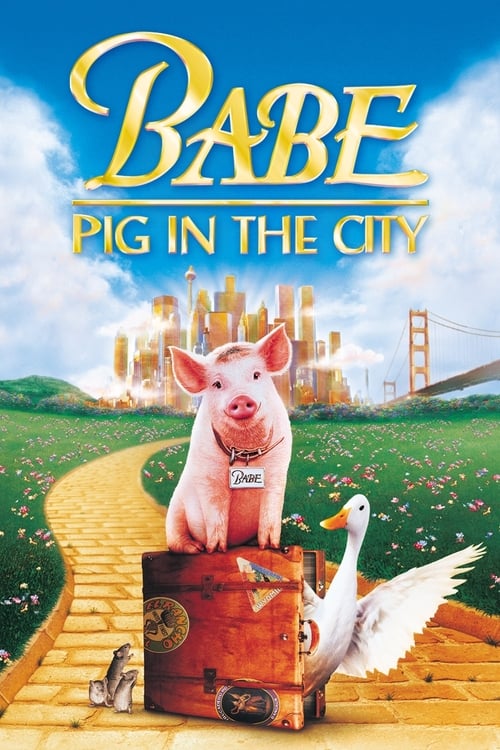
To be fair, Batman Returns was an acrid mess, while Babe: Pig in the City clearly accomplishes much of its own eccentric mission as the world's unlikeliest, most Metropolis-inspired commercial kid-flavored flick in years.

A hulking hunk of metal bent on human annihilation, he’s the latest in a long line of movie robots run amuck, one that stretches back all the way to Fritz Lang’s silent Metropolis and encompasses many of the all-time great science-fiction films, including 2001: A Space Odyssey, The Terminator and the criminally underrated masterpiece that is Bill and Ted’s Bogus Journey.
The creation of new forms of life, and the dangers that poses, has informed screen classics from Fritz Lang's Metropolis in 1927 to Ridley Scott's Blade Runner in 1982.
In 1927, Fritz Lang created a beautiful female robot for his futuristic Metropolis, a parable about the crushing power of modern industrial life.
This is more like trying to prove the humanity of the robot Maria (Brigitte Helm) in Metropolis (1927) — something probably not lost on Garland, since his Ava is the sexiest robot since Maria and is really something of a modernized take on her.
As they amp up the voltage on machinery that looks borrowed from Fritz Lang's "Metropolis," they command the prisoner to break his silence.

But at its best it also plays like an inspired mashup of movies like Fritz Lang's Metropolis and Fred Niblo's Ben-Hur— silent epics that captivate audiences with their imagination, power, and panache.
Miller's most vivid imagery is always shot through with organic touches, including a warlord whose breathing machine bares real teeth and a slave labor system with elaborate gears and a sheer scale out of Fritz Lang's Metropolis.
The opening scenes of Miller's world of red sand and redder blood in a place called "the Citadel" play out like a primitive version of Fritz Lang's 1927 futuristic "Metropolis" with white-powdered workers running like hamsters in a treadmill to power up a steam-punked system of pulleys and ropes for the benefit of Immortan Joe (Hugh Keays-Byrne, from the original "Mad Max"), a dictator resembling a mashup of Batman's Bane, Darth Vader and King Henry VIII.

This was Fritz Lang's theme for Germany's crime problems after WW1 when he made the classic "M." Taking a parent away from her child even if it's to get work just creates another problem, as this solution hailed by a majority of both Democrats and Republicans probably contributes more to crime in the streets than all the other reasons presented.