
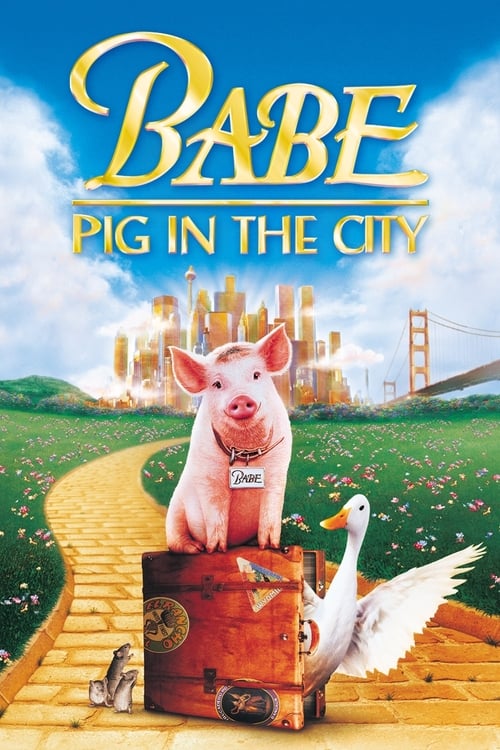
Babe: Pig in the City (1998)
Directed by George Miller
Babe, fresh from his victory in the sheepherding contest, returns to Farmer Hoggett's farm, but after Farmer Hoggett is injured and unable to work, Babe has to go to the big city to save the farm.
8 connections found
View:
8 connections, in both directions
What critics compared Babe: Pig in the City to
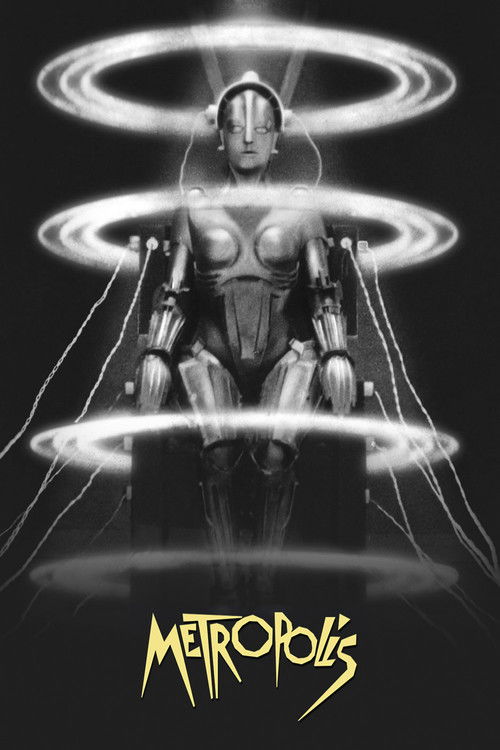


I love imaginary cities in the movies, from "Metropolis" (1926) to " Dark City ," and here is one to set beside the great ones.
To be fair, Batman Returns was an acrid mess, while Babe: Pig in the City clearly accomplishes much of its own eccentric mission as the world's unlikeliest, most Metropolis-inspired commercial kid-flavored flick in years.
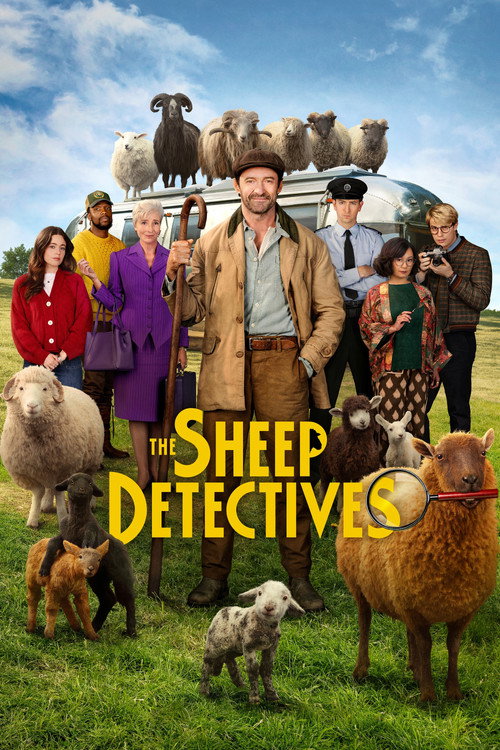
Murder, talking sheep and philosophy intertwine to create echoes of “Babe: A Pig in the City” and “Old Yeller.”
Balda’s film feels less like “Happy Feet” and more like “Babe: Pig in the City” in its crafting of a world and characters that feel lived in and inviting.
…as few did the dark and often weird Babe: Pig in the City (1998)…
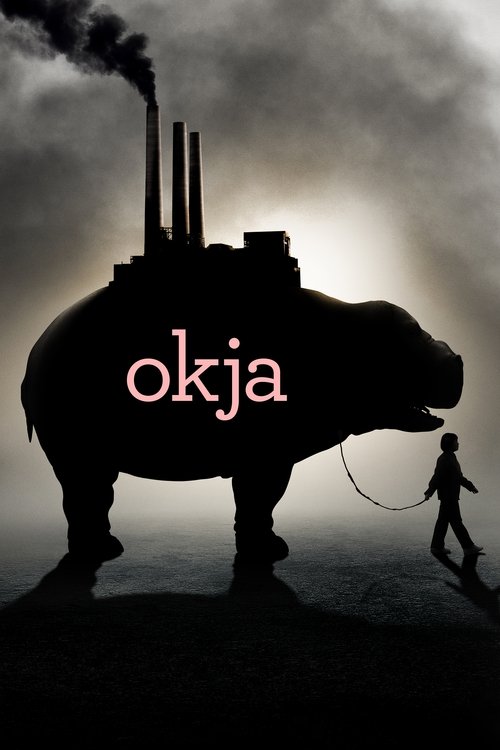
The gloomy concrete-and-ironwork facility where Okja's brothers and sisters are held suggests a concentration camp for animals; when key characters trek away from its main gates, Bong's compositions and texture palette evoke " Schindler's List " as well as George Miller's " Babe: Pig in the City ."
Okja the character is a digital creation, thanks to the work of visual effects supervisor Erik-Jan De Boer, whose previous work includes “Life of Pi” and “Babe: Pig in the City.”
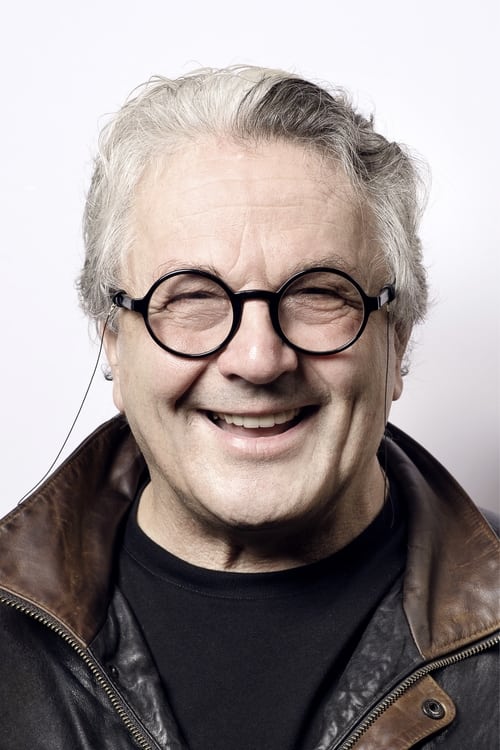

In the years since his previous “Max” outings, Miller has developed a peculiar filmography of mainstream works that smuggle mature themes into popular material that never demands it — most successfully with “Babe: Pig in the City” and the first “Happy Feet” — even if the sheer cinematic virtuosity of the “Mad Max” movies went latent.
What’s maybe being overstated by the film’s early admirers is the status of Miller’s trademark eccentricity, which is very much in place if not particularly inspired; frankly, the insane intensity of the leopard-seal chase in his animated-but-not-quite-for-kids Happy Feet was more shocking than anything in Fury Road, to say nothing of the alternately manic and melancholy ambience of Babe: Pig in the City, which still looks like some kind of avant-family-movie masterpiece nearly twenty years later.
Director George Miller, now 70, returns to the franchise he left behind 30 years ago — in the interim he's done such wildly different films as "The Witches of Eastwick," "Babe: Pig in the City" and "Happy Feet" — and proves he's lost none of the visual flair and imagination that drove those original films.
Directed by George Miller, who made his bones with the first Mad Max film (there were three altogether), and who later helmed Babe: Pig in the City and Happy Feet, Mad Max: Fury Road is a two-hour, manic moving target, never once slowing down to let the engines cool.
Noted Australian madman George Miller may have distracted himself (and amused us) with films like Babe: Pig in the City and the two Happy Feet toons, but now it's time to quit goofing around and get back to the dusty, post-apocalyptic wasteland that launched his career.
George Miller may have taken 30 years off from what he does best (no disrespect to Babe or Babe: Pig in the City , both of which I loved for wildly different reasons) — but he gets back behind the wheel of his monster-truck imagination as if he’s done little more than dream up how to do that Mad Max thing bigger and better.
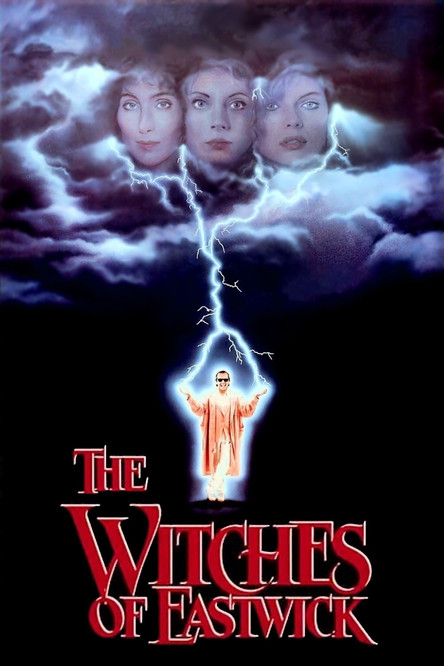
The director is George Miller, who is responsible for the Mad Max; trilogy, The Witches of Eastwick, and Lorenzo's Oil, all very good movies, but Babe: Pig in the City tops them all.
While the original was directed by Chris Noonan, the sequel has fallen into the hands of Australian director George Miller, a talented filmmaker responsible for films such as "The Witches of Eastwick" and the "Mad Max" (Mel Gibson) pictures, who also cowrote the original "Babe" film.
Advertisement

From Australian writer/director Jennifer Kent (“Babe: Pig in the City”), making a smashing directing debut, “The Babadook” is a horror film/fairy tale hybrid about a troubled child and his equally disturbed, widowed mother.
On the Side: Jennifer Kent starred in Babe: Pig In the City.
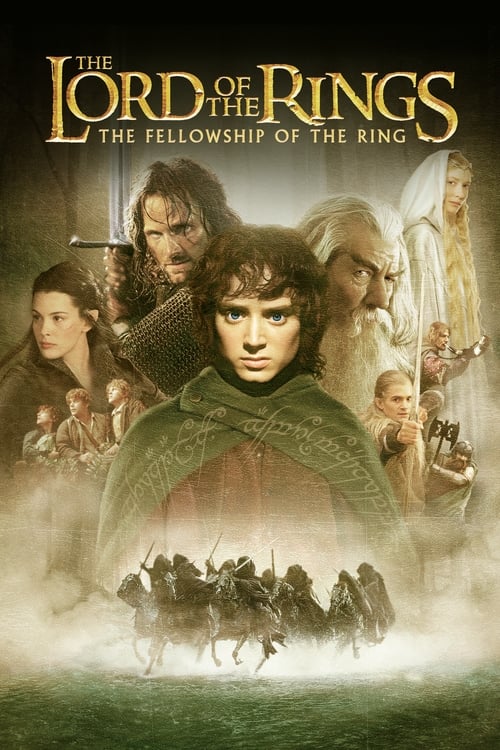
Cinematographer Andrew Lesnie (“Babe,” “Babe: Pig in the City”) shoots the billowing, grassy hills so that they sing out with love for that countryside — no matter that it wasn’t filmed there: Through Lesnie’s lens New Zealand is its spiritual twin.
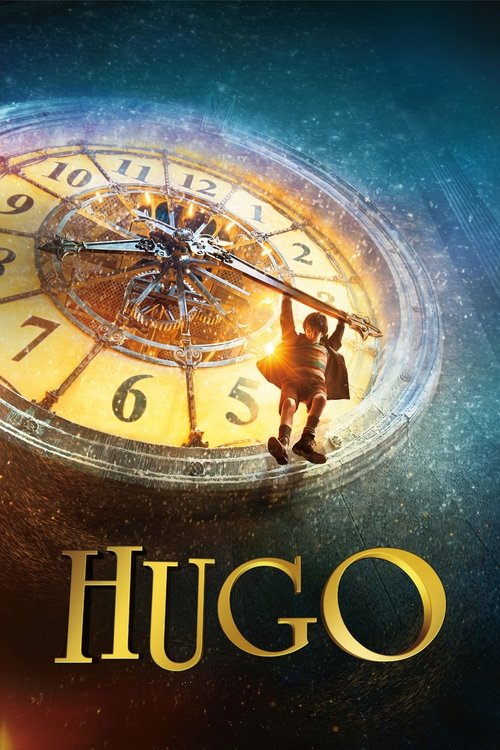
I am no box-office prognosticator so I cannot really offer any guesses towards its potential financial success except to note that even it does fail to make it in a crammed marketplace, that would only mean that it would join the company of such august companions as "The Wizard of Oz," "The 5000 Fingers of Dr. T," "Willy Wonka and the Chocolate Factory," "The Adventures of Baron Munchausen" and "Babe: Pig in the City" as family films that failed to make much of an impact during their initial release but would later go on to become beloved classics.