

Franck Khalfoun
6 connections found
Filmography
View:
Connections, in both directions



“Didn’t Funny Games teach you anything?”
In that sense, there are echoes of Michael Haneke's similarly postmodern Funny Games .

And while this concept is nothing new (Enter the Void recently did this), it’s a refreshing take on the slasher genre that makes the viewer literally become the killer (it’s a bit like the original Friday the 13th when Pamela Voorhees stalks in the shadows).
Franck Khalfoun uses some flashy filmic techniques — an electronic-buzzing musical score and light-pulsing camera pans — but nothing to rival Gaspar Noé’s mind-boggling subjective camera work on “Irreversible” or “Enter the Void” — two far better films that clearly informed “Maniac.”
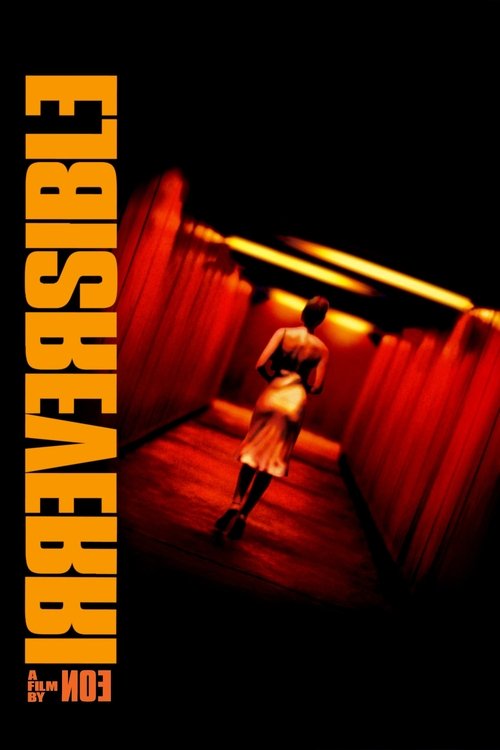
Franck Khalfoun uses some flashy filmic techniques — an electronic-buzzing musical score and light-pulsing camera pans — but nothing to rival Gaspar Noé’s mind-boggling subjective camera work on “Irreversible” or “Enter the Void” — two far better films that clearly informed “Maniac.”
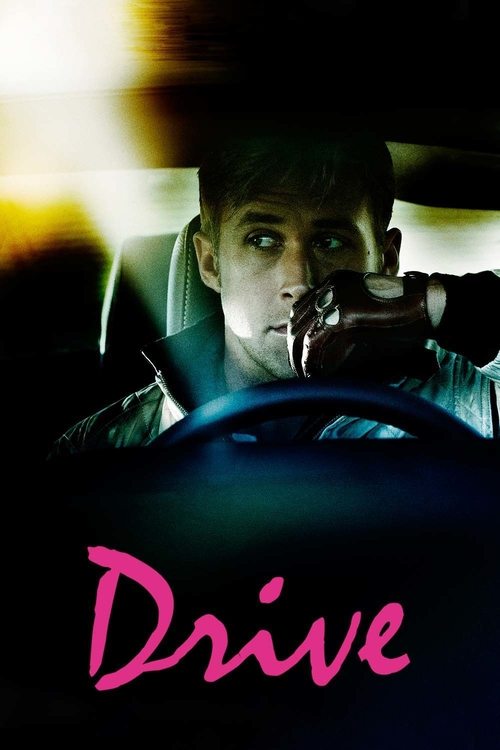
Together with mononymous composer Rob’s lost-in-time score -- an alternatively seductive and repulsive mix of grimy synths and bubblegum pop -- this Maniac feels at times like the slasher celluloid cousin of Nicolas Winding Refn’s Drive.
An aesthetic and synthy score reminiscent of Drive also help to sustain interest in the face of the horrific acts that are explicitly and unrelentingly portrayed.
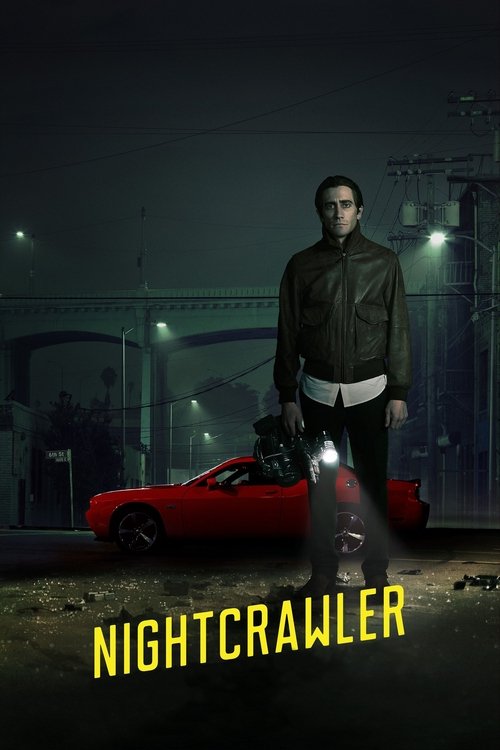
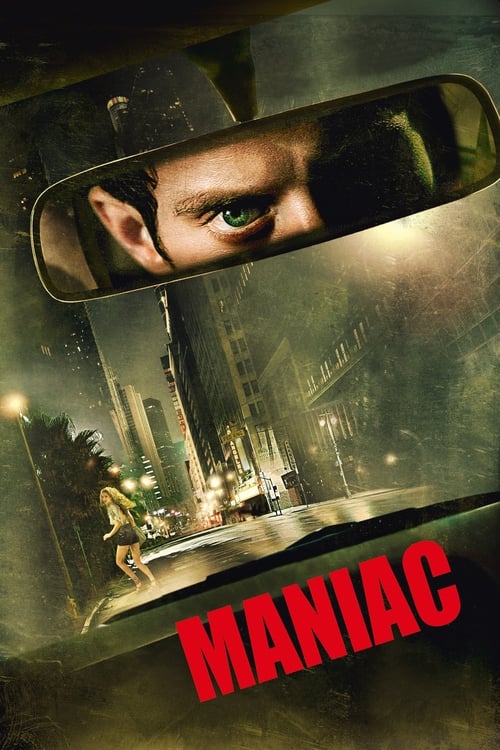
Not since Elijah Woods’ leading role in Maniac have I been so horrified by one deceptively stable man.

Better than the dismal Texas Chain Saw 3D but not as brutal and affecting as Franck Khalfoun’s Maniac , Fede Alvarez’s Evil Dead is the third remake of an influential American horror film from the 70s and 80s to be released so far this year.
When I saw Fede Alvarez’s Evil Dead “remake” earlier this year, I couldn’t believe I was actually watching a horror remake.