
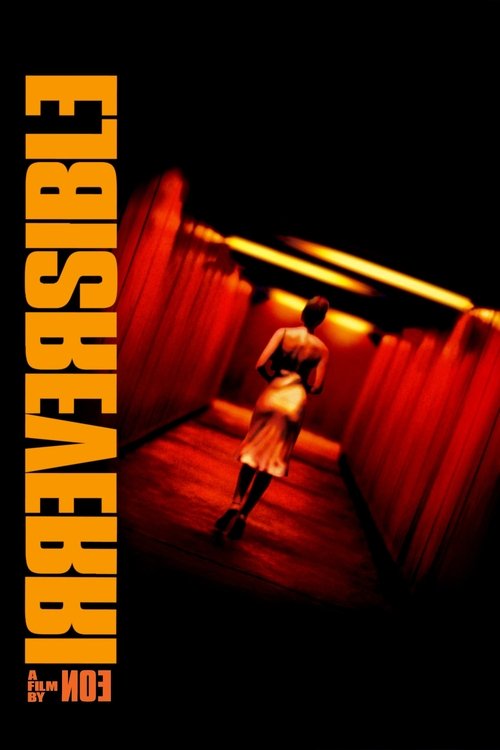
Irreversible (2002)
Directed by Gaspar Noé
A woman’s lover and her ex-boyfriend take justice into their own hands after she becomes the victim of a rapist. Because some acts can’t be undone. Because man is an animal. Because the desire for vengeance is a natural impulse. Because most crimes remain unpunished.
29 connections found
View:
29 films that influenced Irreversible
What critics say influenced Irreversible
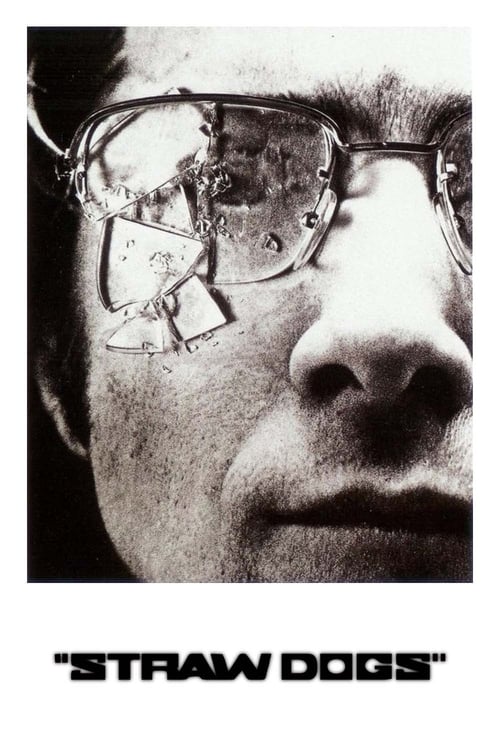


The murder entails stomach-churning sights and sounds rarely found outside exploitation movies, and the rape hews along the lines of male fantasies like that found in Sam Peckinpah's 1971 career low, "Straw Dogs."
The character sketches, which pit (in largely improvised dialogue) Bellucci's impotent old boyfriend up against Cassel's swaggering, mannish party boy, recall Peckinpah's famously off-putting Straw Dogs in their suggestion that even milquetoasts are capable of mixing love and lust for vengeance to devastating, life-destroying effect.
The couple agreed to make a film with Noe but rejected the proposed sex -- though it quickly became clear that they were willing to participate in simulated violence "even when Noe [affirmed] that he [wanted] to make a film more violent than Salo and Straw Dogs combined.
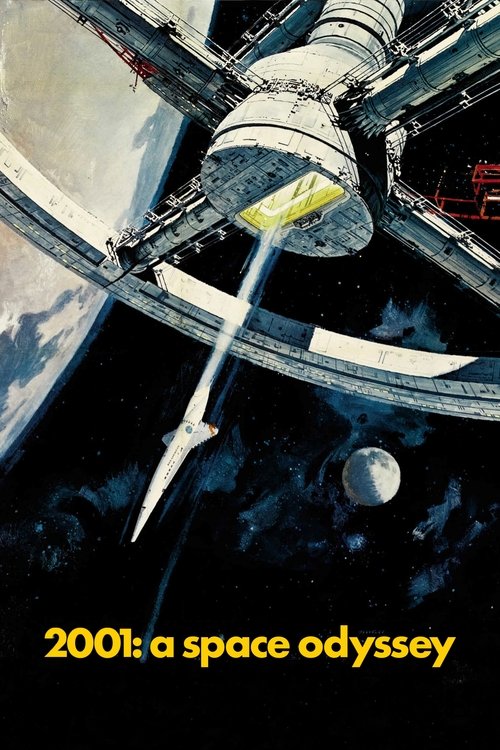
Noé twice begins a shot of Bellucci holding a home pregnancy test with the poster for 2001: A Space Odyssey--the one stamped "The Ultimate Trip" on an image of the foetal Starchild, which seems merely associative until it occurs that the final scene in Irr�versible pays homage to 2001's in its nebulous intent.
The poster of 2001: A Space Odyssey (Stanley Kubrick, 1968) that serves as a visual landmark in these scenes is the clue we need.
Noe utilizes a poster of 2001: A Space Odyssey for additional allusions.
Stanley Kubrick is his idol, and the final shot pans over a giant poster of 2001: A Space Odyssey .
From the closing-opening credits punctuated by monotonous tympani strokes to the gratuitous insertion of Beethoven’s sublime Seventh Symphony “Allegretto” (echoing the equally cheap steal in 9 Dead Gay Guys) to bring warm feelings of Alex’s (the stunning Monica Bellucci) ill-fated pregnancy and thus setting up the ode to Kubrick’s 2001: A Space Odyssey baby-to-white-light shot, writer/director Gaspar Noé has utterly failed to deliver his vision, subtext or artistry.
Every sequence begins as such, with the camera maniacally moving from side to side, recording objects from below: apartment complexes, ceiling fixtures, even a poster of Stanley Kubrick's 2001: A Space Odyssey (yawn).
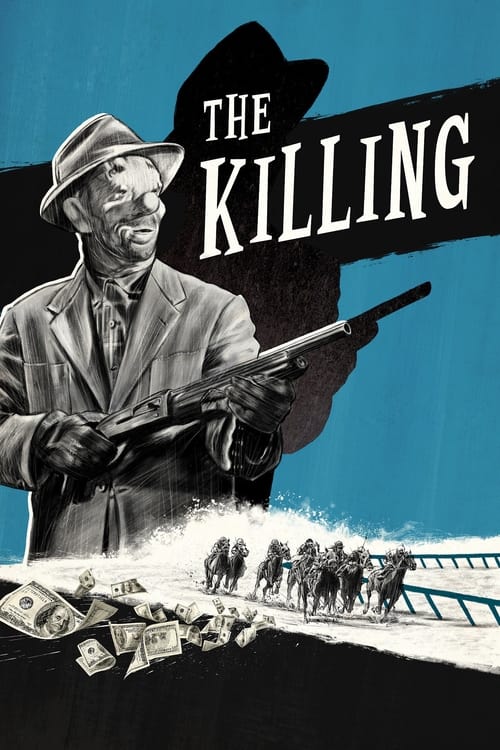
We see the lovers frolicking naked in their gorgeous, brightly lit apartment, in a scene reminiscent of "Eyes Wide Shut", the Kubrick influence confirmed by the "2001" and "The Killing" posters on the walls.
The "joyous" ending of the blissful heterosexual couple (Bellucci and Cassel) enjoying each other's company in the midst of strategically placed posters for Stanley Kubrick pictures (The Killing and 2001) and the heroine discovering that she's pregnant can either be taken as straight or as parodic.
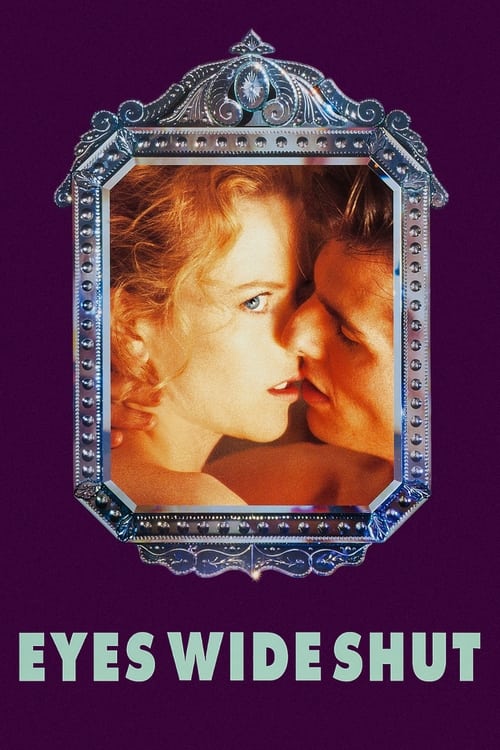
We see the lovers frolicking naked in their gorgeous, brightly lit apartment, in a scene reminiscent of "Eyes Wide Shut", the Kubrick influence confirmed by the "2001" and "The Killing" posters on the walls.
(Noé himself referred to Irreversible as his Eyes Wide Shut [Stanley Kubrick, 1999], likewise notorious for its scenes of orgiastic excess (2) .)
Noé wanted, Cassel has said, to make the film that "Tom and Nicole screwed up" -- in other words, to make a more explicit "Eyes Wide Shut."
For all its menace, for all its apparently scandalous cruelty, Noé's film (much like Eyes Wide Shut, his self-declared inspiration) is primarily an indictment of narrative conventions and belief systems.
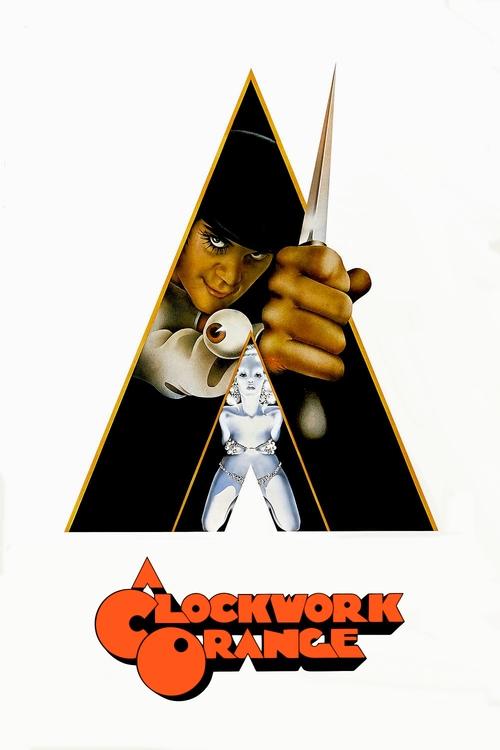
There is something to be said for violence that isn't stylized and made to seem "fun"—that actually makes you feel like Alex in A Clockwork Orange (1971) with your eyes pried open and no cathartic release.
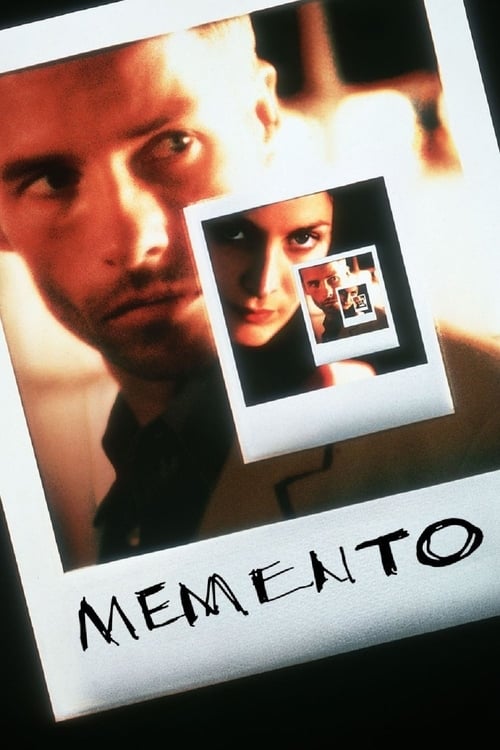
Writer/director Gaspar Noé has chosen to reverse his chronology nonetheless, with a narrative structure ripped off from Memento .
(Think Memento, only better.)
Working, like "Memento," with 10 ten minute scenes shown backwards (Noe even has fun with his audience by beginning his film with its end credits scrolling backwards) and like Hitchcock's "Rope," in uninterrupted takes cut together against dark backgrounds, Noe proposes that rather than advancing, humankind has regressed to a bestial state.
But like in "Memento", this gimmick serves a purpose.
Like "Memento" (2001), the other recent film told backwards, "Irreversible" features characters behaving tragically because they are unable to know, as we are, what is going to happen next.
Told backward, á la Memento, his story of the story of a vicious sexual assault (of Monica Bellucci's character) begins with her boyfriend's revenge.
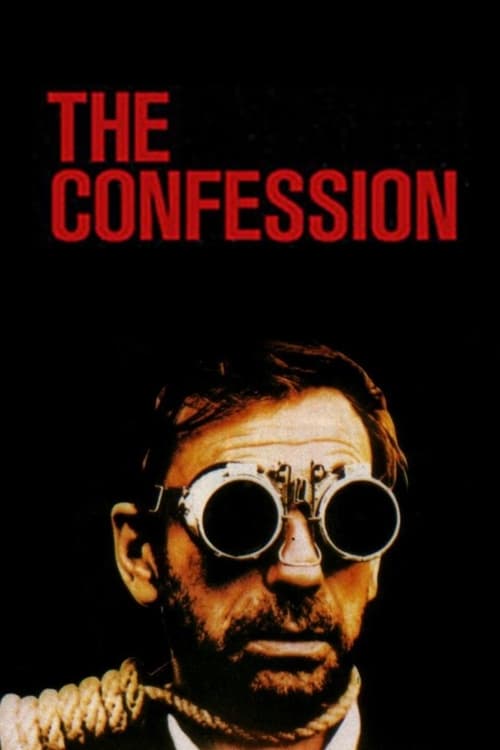
"It is not possible," wrote Jean-Louis Comolli in 1970, "in the name of theoretical purity or rigor, simply to dismiss as totally worthless the mass of films for which The Confession and Z might (and do) serve as models.
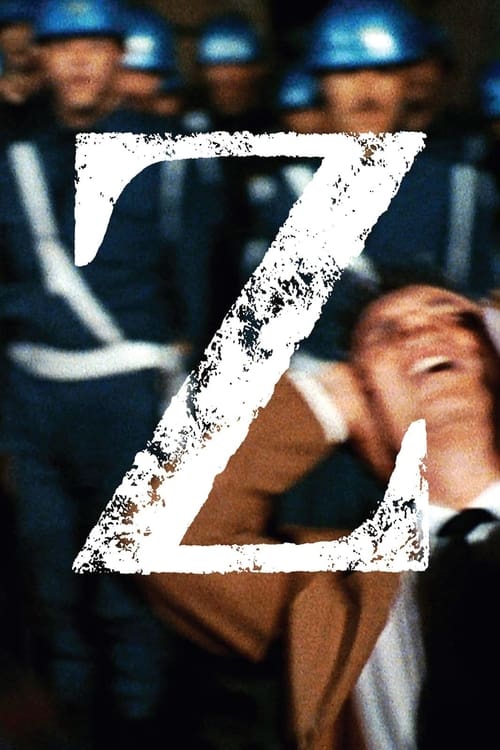
"It is not possible," wrote Jean-Louis Comolli in 1970, "in the name of theoretical purity or rigor, simply to dismiss as totally worthless the mass of films for which The Confession and Z might (and do) serve as models.
Advertisement
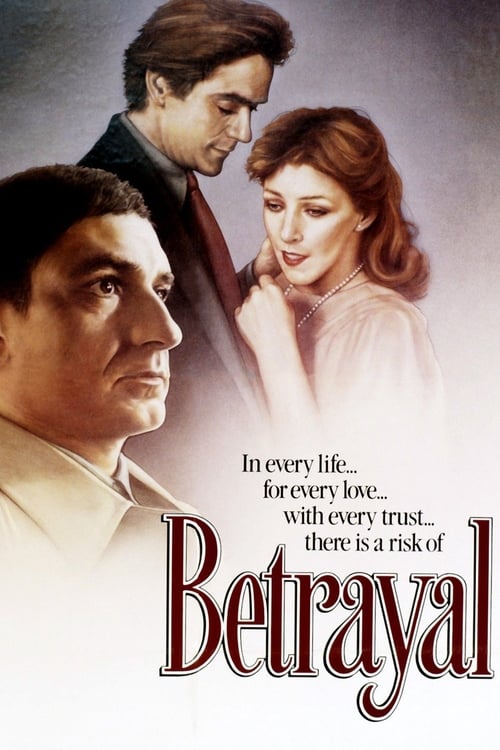
Two other films have famously used that chronology: Harold Pinter's " Betrayal ," the story of a love affair that ends (begins) in treachery, and Christopher Nolan's " Memento " (2000), which begins with the solution to a murder and tracks backward to its origin.
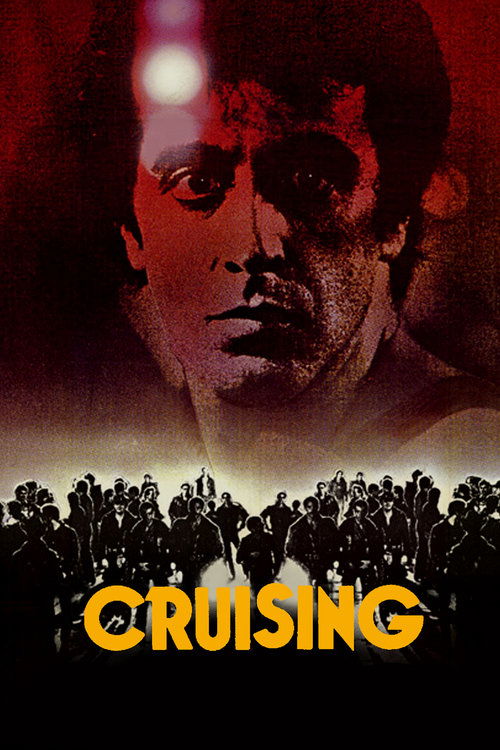
His portrait of gays and their lifestyle makes Cruising (1980) look like Philadelphia (1993).
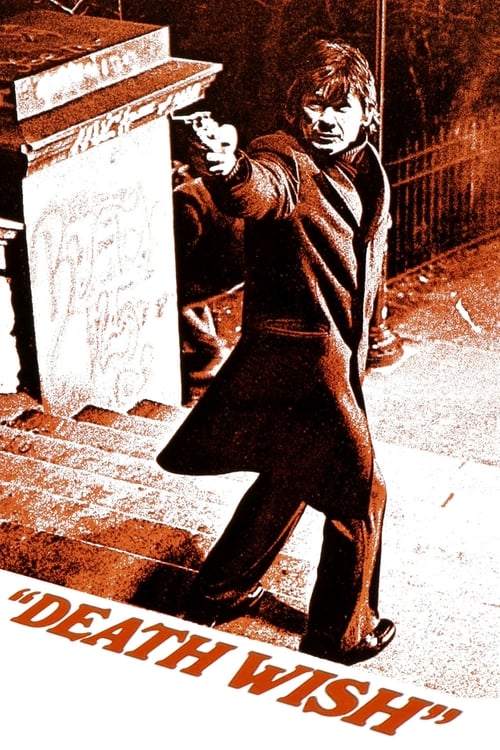
The sparse story is one that Charles Bronson's Death Wish character would be at home in.
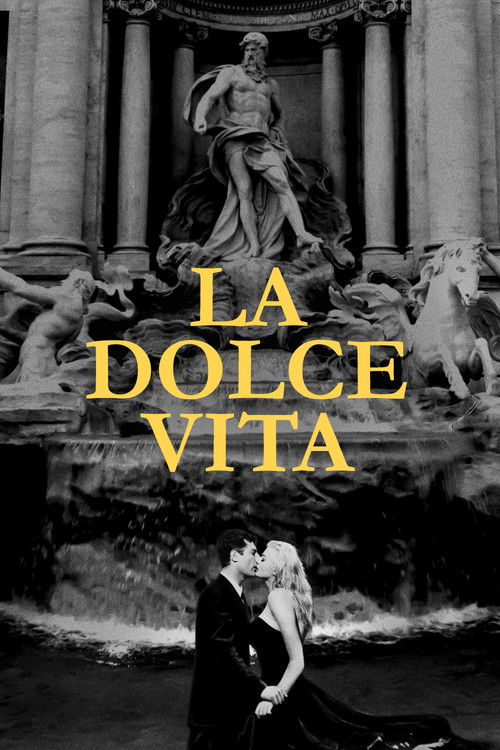
As for Alex, her struggles between contrasting models of sexuality become all the more evident during a party scene no less surreal in its way than its famous equivalents in Fellini's puritanical masterpiece, La Dolce Vita (1960).
Advertisement
In the terms propounded by Claude Lanzmann's Shoah (1985), it concerns ethics.
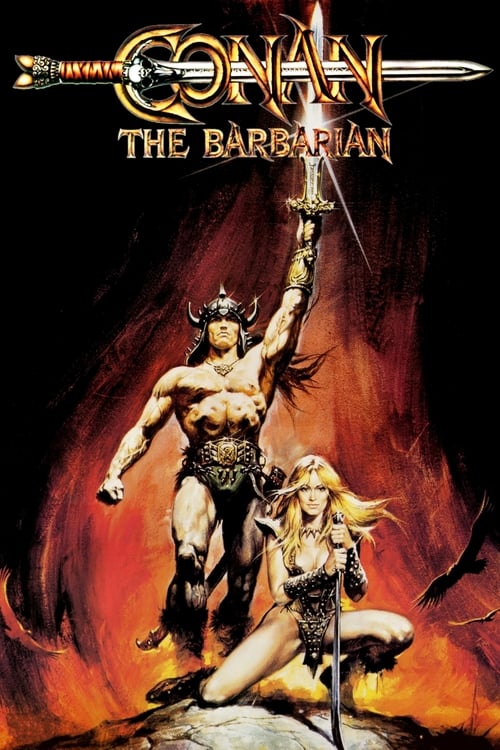
The director is given to masking his true (if perhaps unconscious) intentions with pretentious placards like "Time Destroys Everything" and Nietzsche's "That which does not kill us makes us stronger"—which he apparently picked up not from the original text but from the screenplay of Conan the Barbarian(1982).