
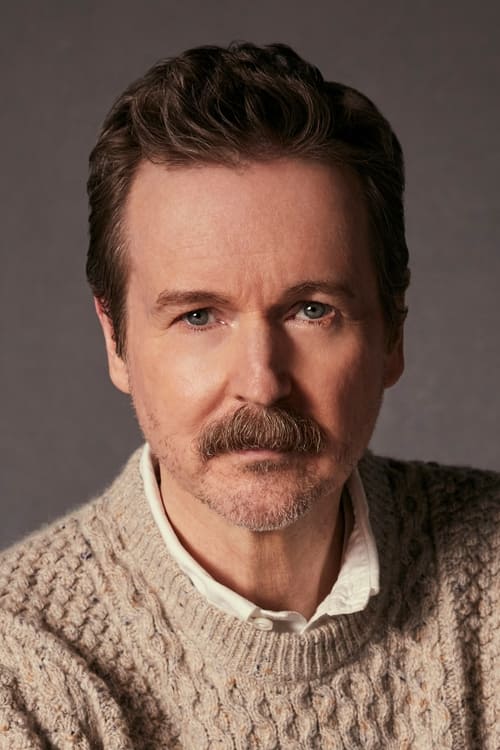
Matt Reeves
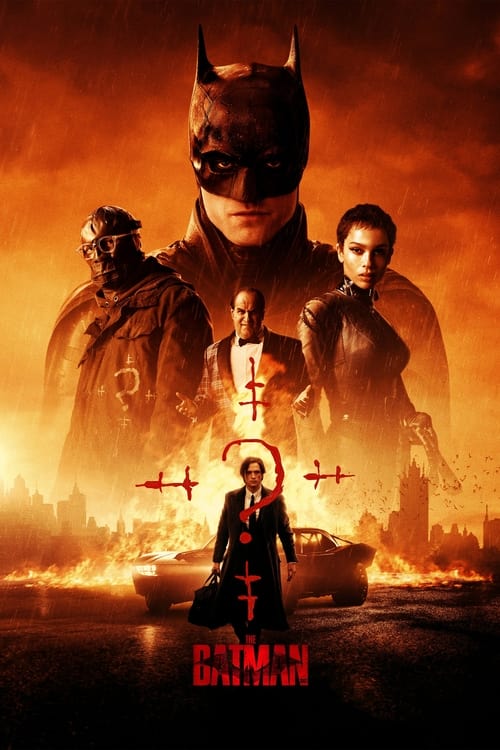
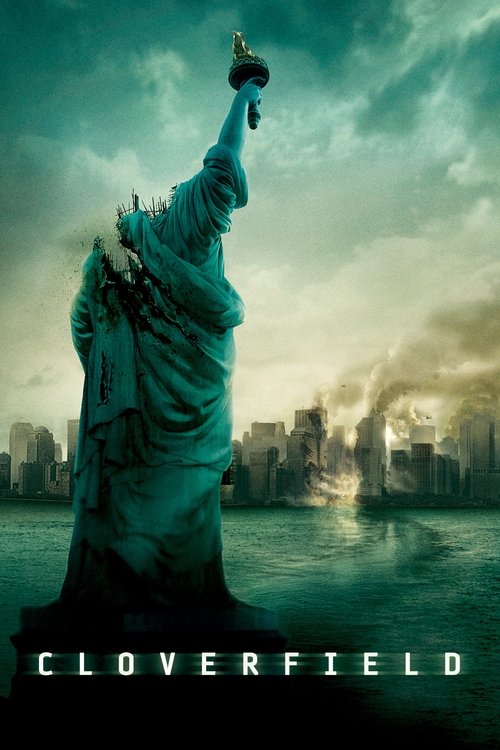
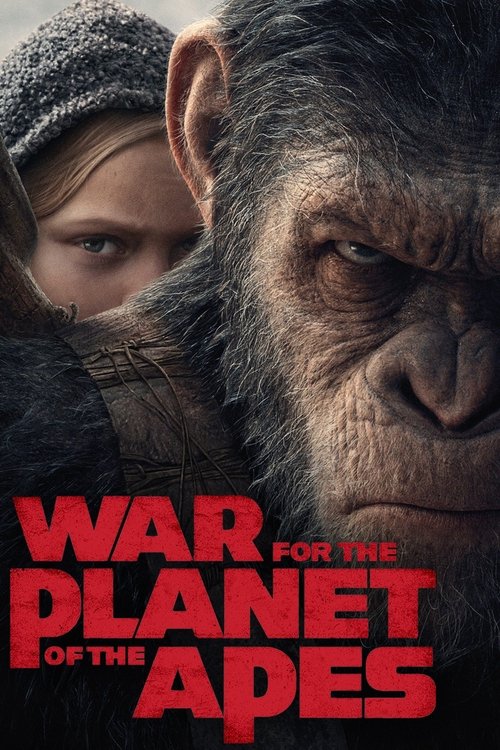
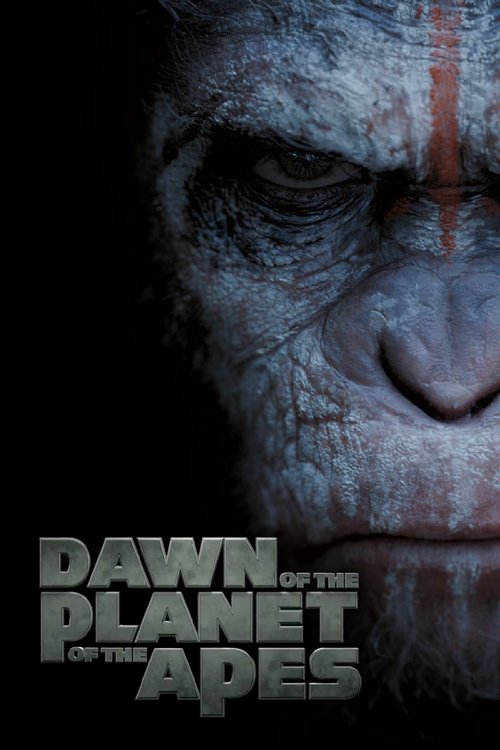
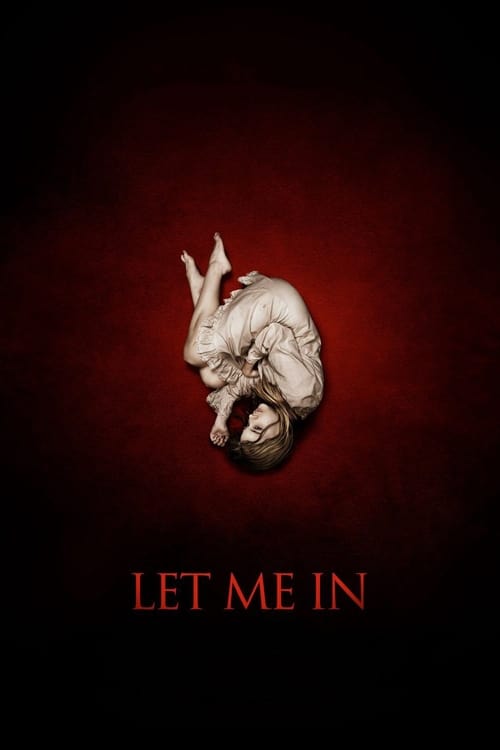

Connections, in both directions
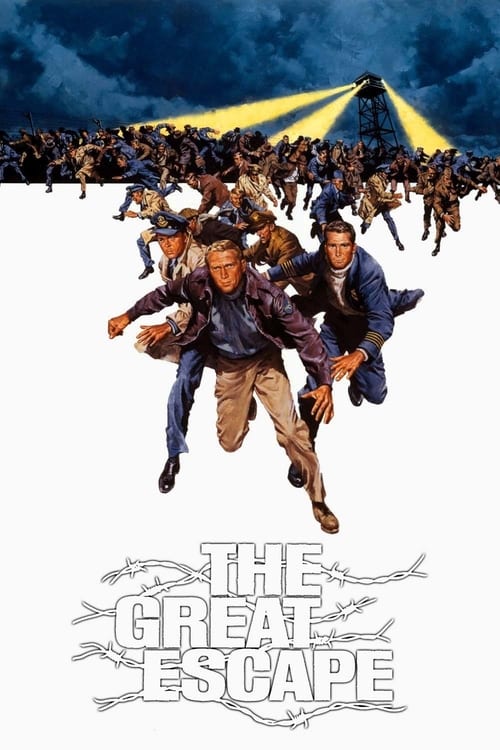
The Great Escape (1963)
Directed by John Sturges
influenced War for the Planet of the Apes (2017)


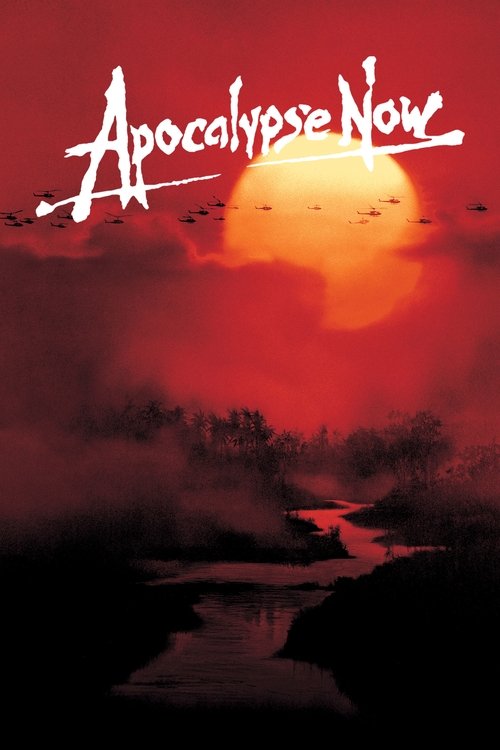
Apocalypse Now (1979)
Directed by Francis Ford Coppola
influenced War for the Planet of the Apes (2017)
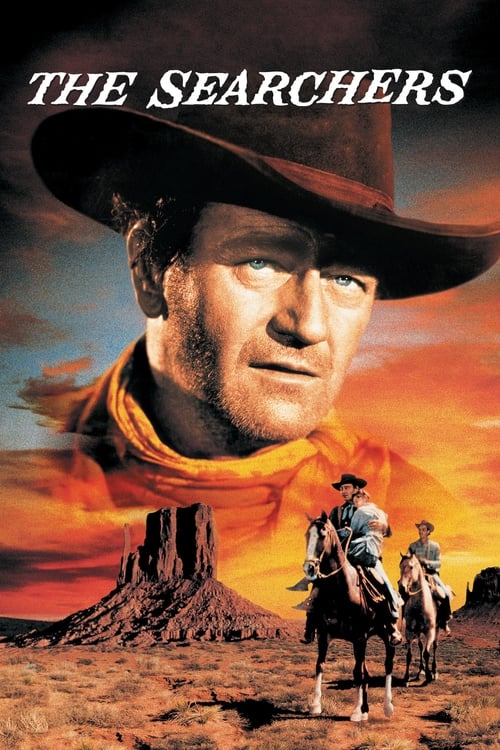
The Searchers (1956)
Directed by John Ford
influenced War for the Planet of the Apes (2017)
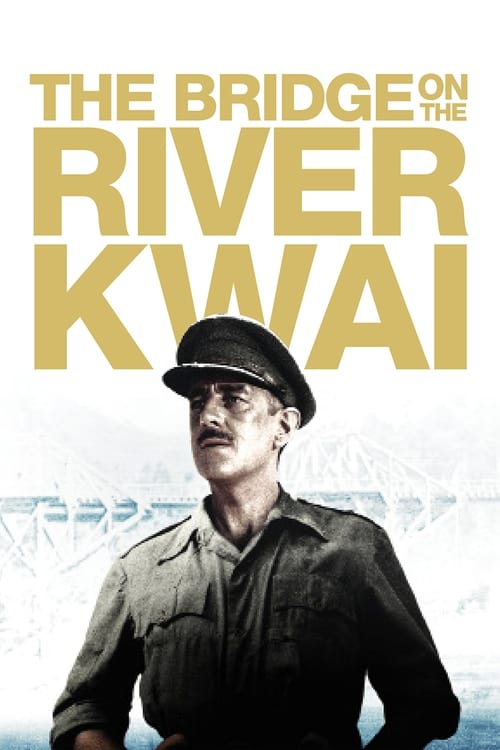
The Bridge on the River Kwai (1957)
Directed by David Lean
influenced War for the Planet of the Apes (2017)
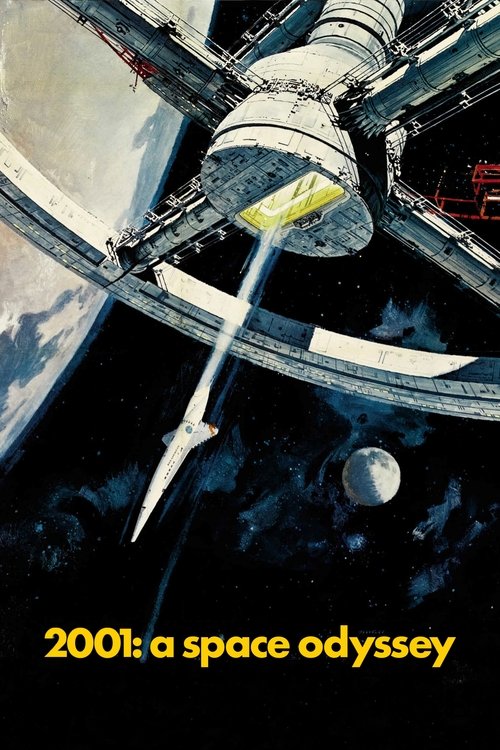
2001: A Space Odyssey (1968)
Directed by Stanley Kubrick
influenced Dawn of the Planet of the Apes (2014)
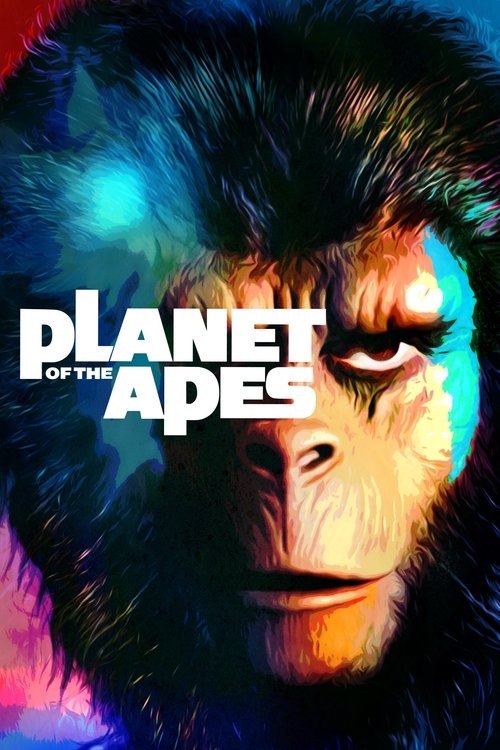
Planet of the Apes (1968)
Directed by Franklin J. Schaffner
influenced War for the Planet of the Apes (2017), Dawn of the Planet of the Apes (2014)
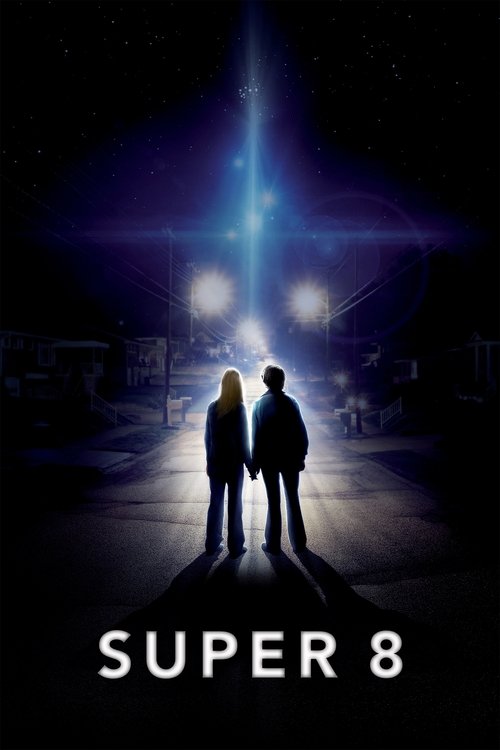
Super 8 (2011)
Directed by J.J. Abrams
influenced by Cloverfield (2008), Let Me In (2010)
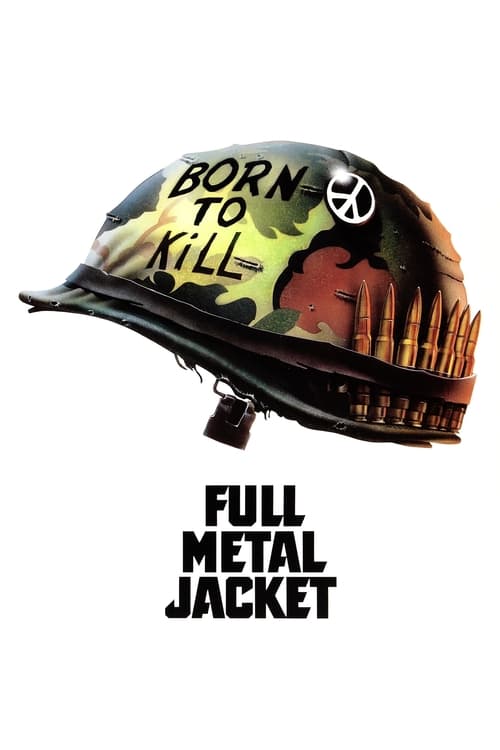
Full Metal Jacket (1987)
Directed by Stanley Kubrick
influenced War for the Planet of the Apes (2017)

Schindler's List (1993)
Directed by Steven Spielberg
influenced War for the Planet of the Apes (2017)
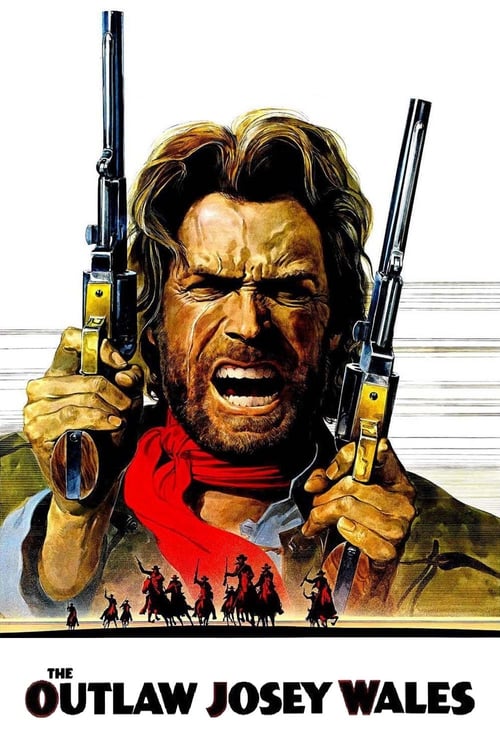
The Outlaw Josey Wales (1976)
Directed by Clint Eastwood
influenced War for the Planet of the Apes (2017)

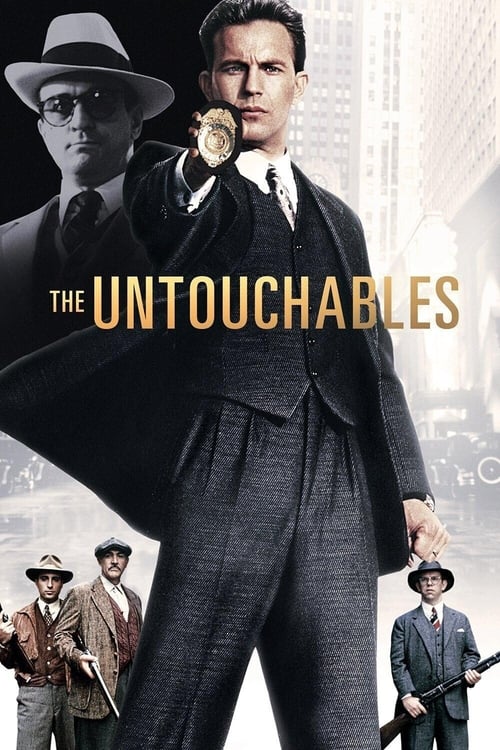
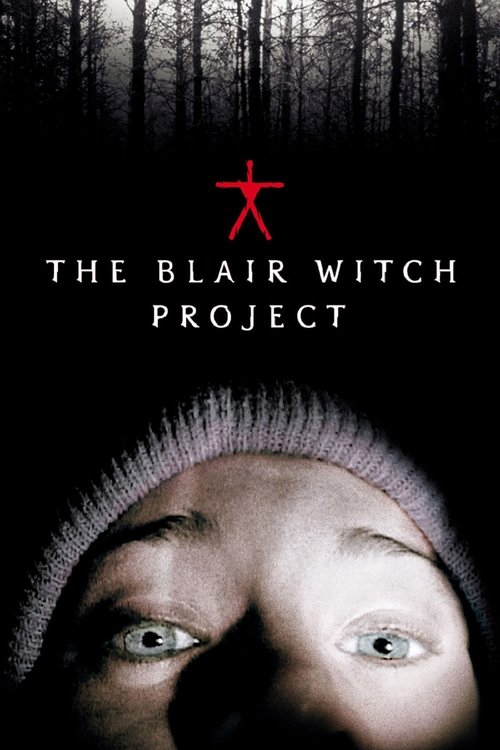
The Blair Witch Project (1999)
Directed by Daniel Myrick
influenced Cloverfield (2008)
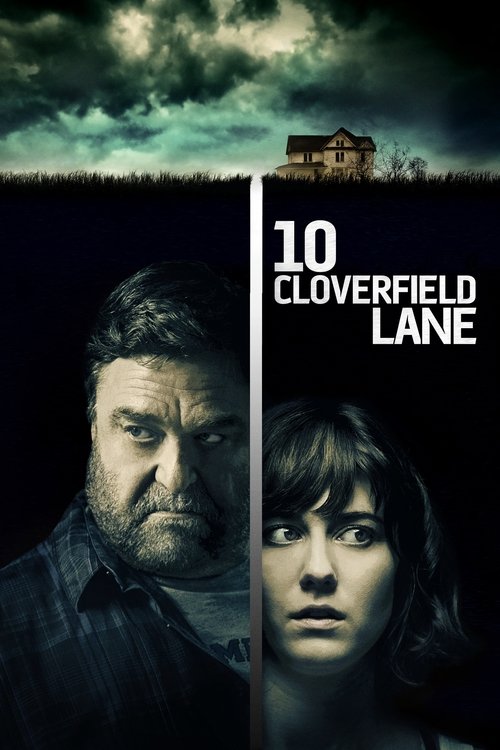
10 Cloverfield Lane (2016)
Directed by Dan Trachtenberg
influenced by Cloverfield (2008)
