
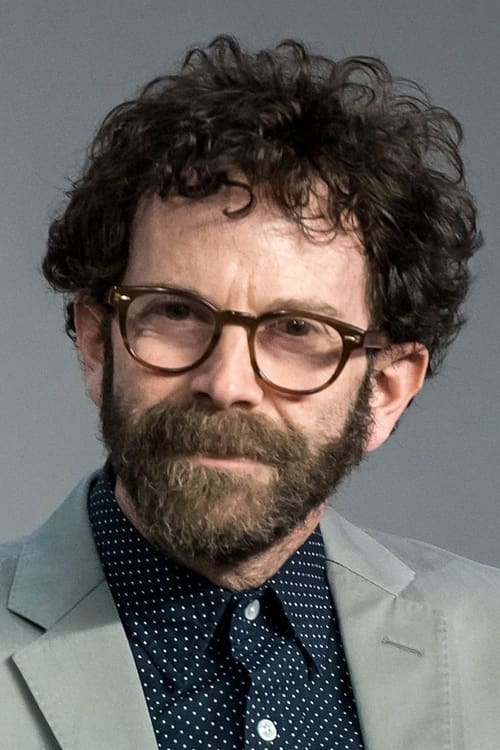
Charlie Kaufman
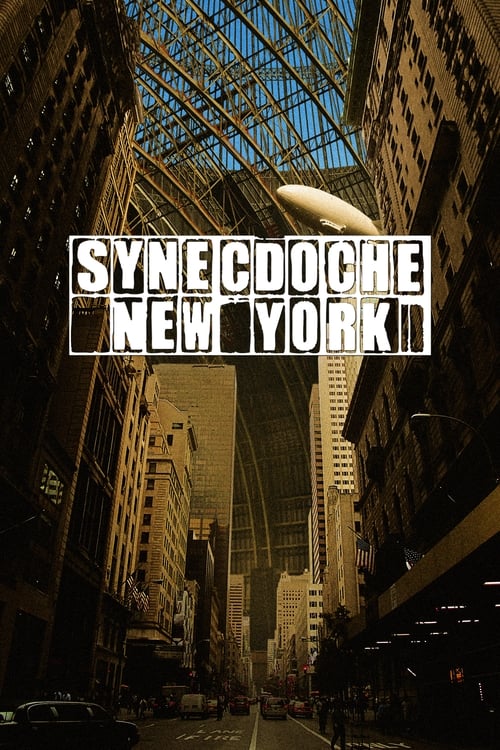
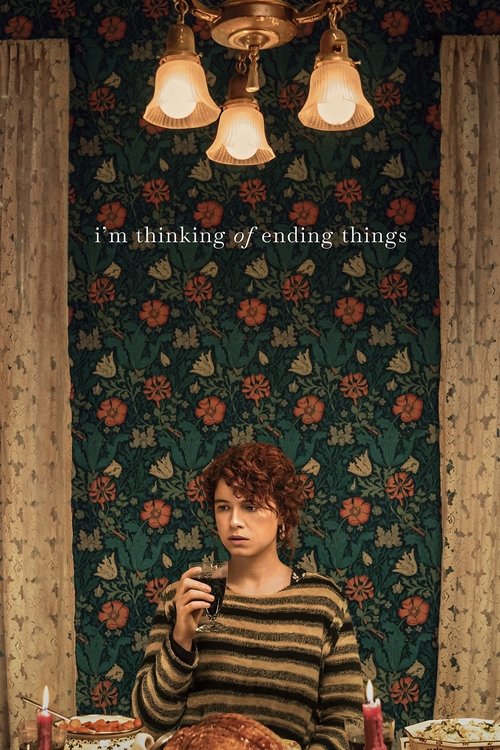
Connections, in both directions

A Woman Under the Influence (1974)
Directed by John Cassavetes
influenced I'm Thinking of Ending Things (2020)


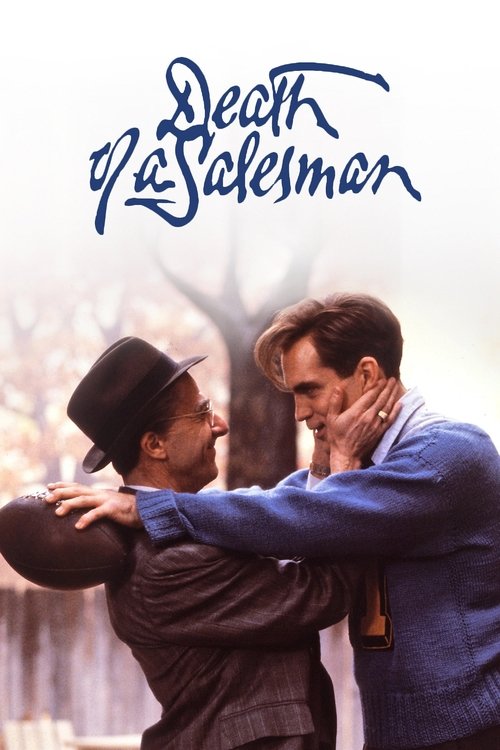
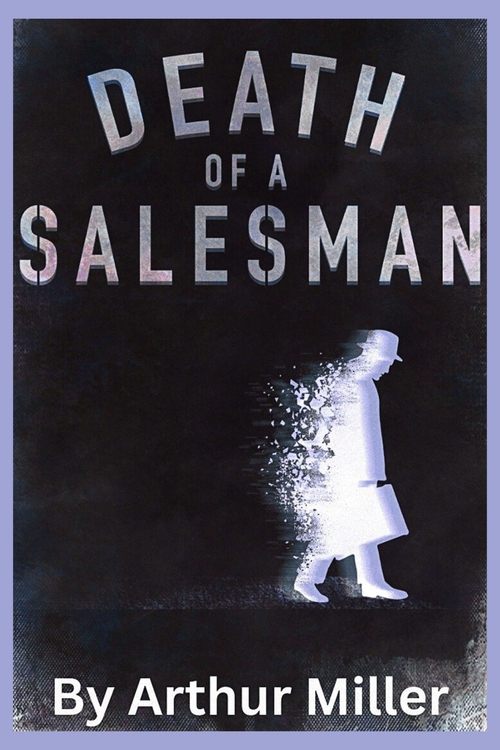
Death of a Salesman (1985)
Directed by Volker Schlöndorff
influenced Synecdoche, New York (2008)
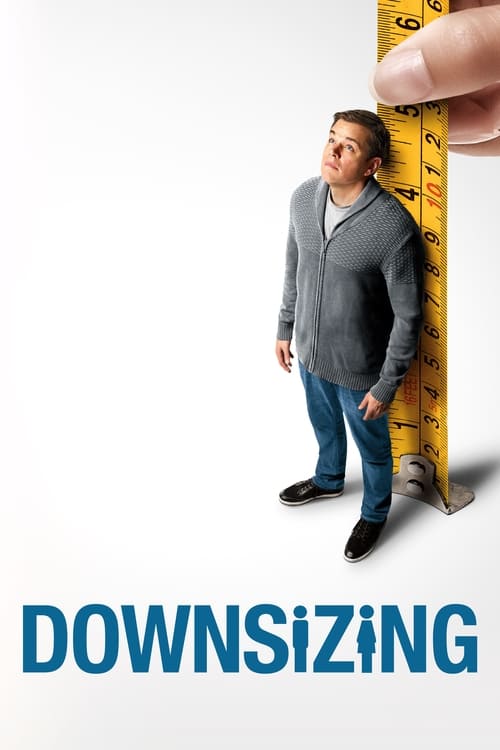
On Kaufman, rather than any one film
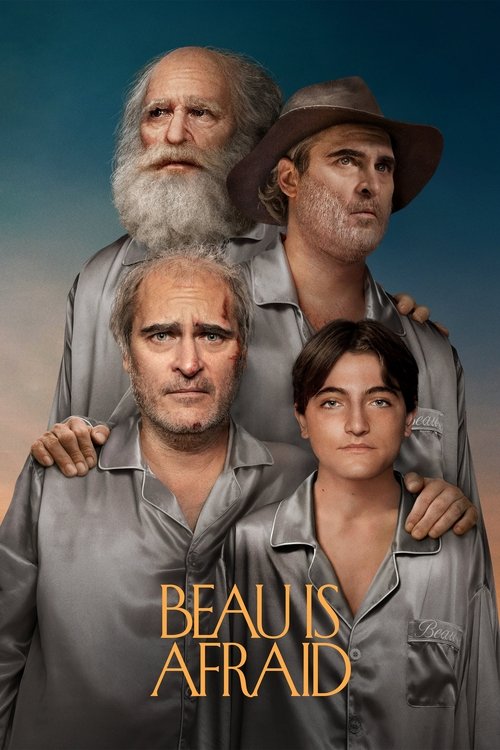
Beau Is Afraid (2023)
Directed by Ari Aster
influenced by Synecdoche, New York (2008), I'm Thinking of Ending Things (2020)

mother! (2017)
Directed by Darren Aronofsky
influenced I'm Thinking of Ending Things (2020)
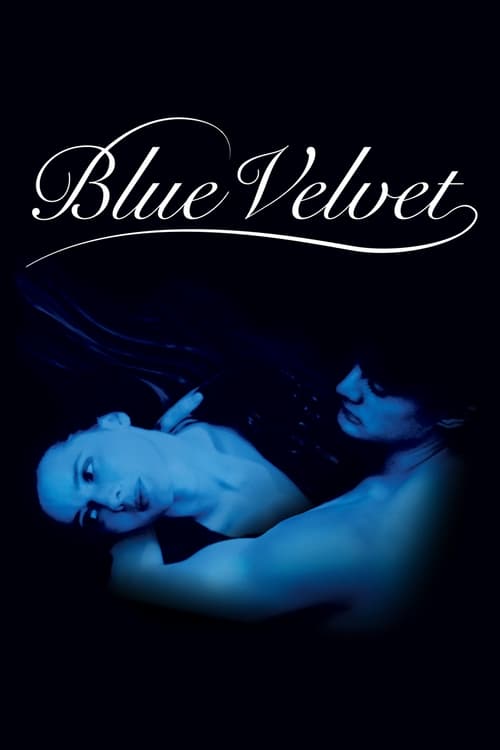
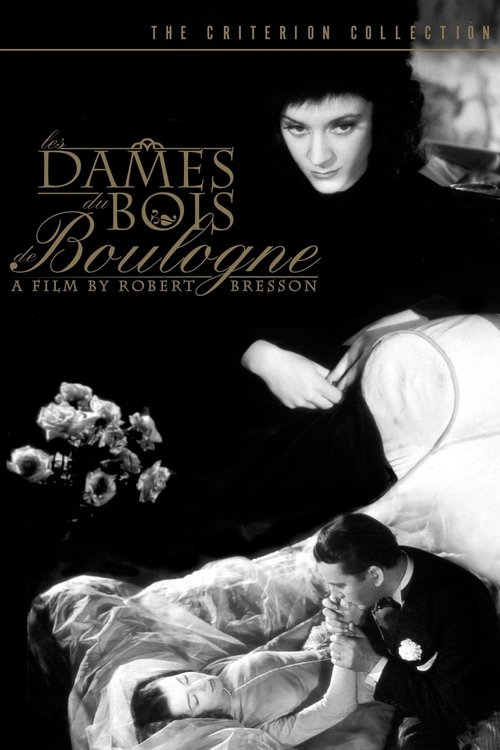
Les Dames du bois de Boulogne (1945)
Directed by Robert Bresson
influenced I'm Thinking of Ending Things (2020)
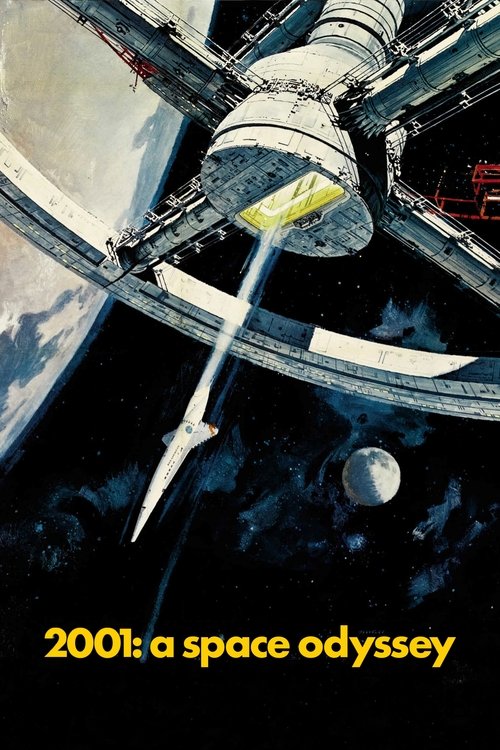
2001: A Space Odyssey (1968)
Directed by Stanley Kubrick
influenced I'm Thinking of Ending Things (2020)
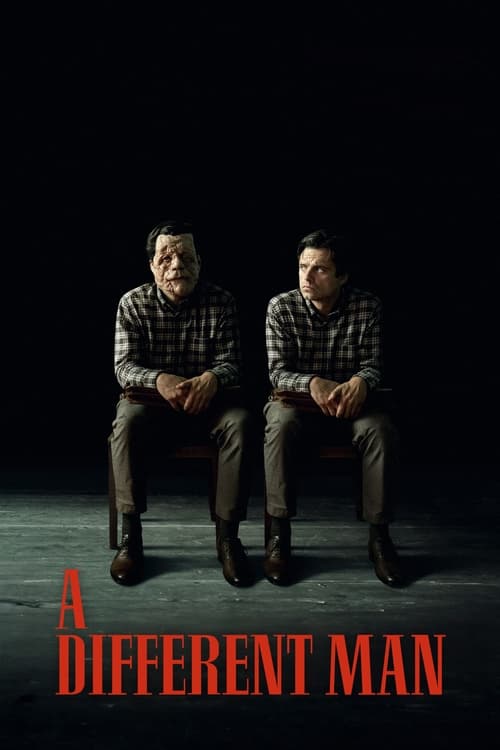
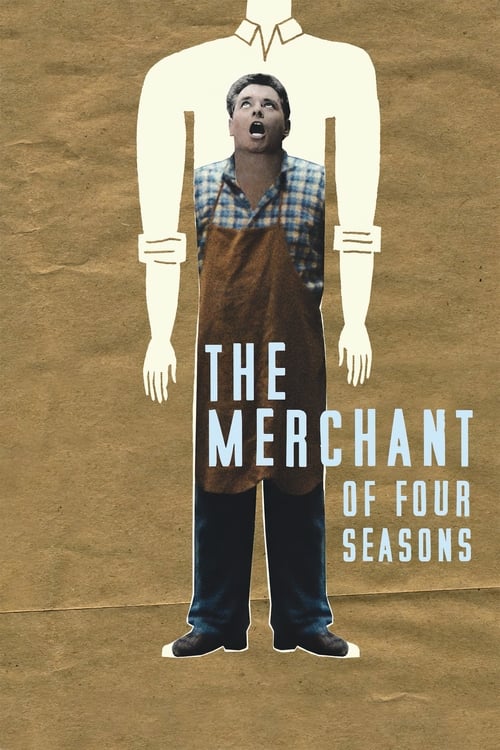
The Merchant of Four Seasons (1972)
Directed by Rainer Werner Fassbinder
influenced I'm Thinking of Ending Things (2020)
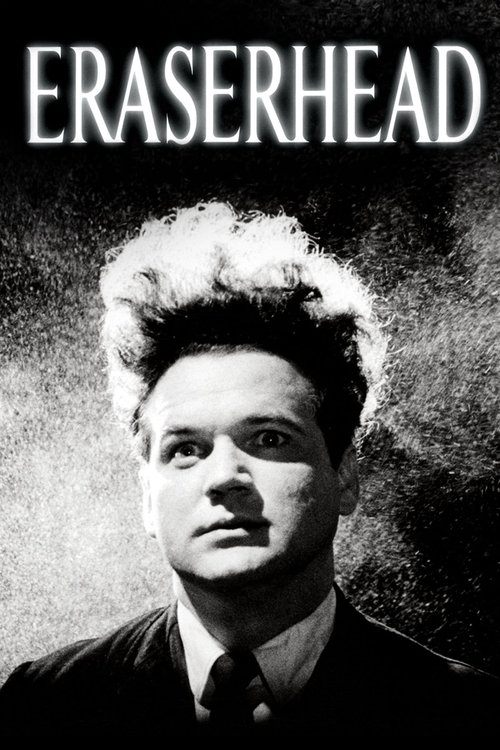
Eraserhead (1977)
Directed by David Lynch
influenced I'm Thinking of Ending Things (2020)
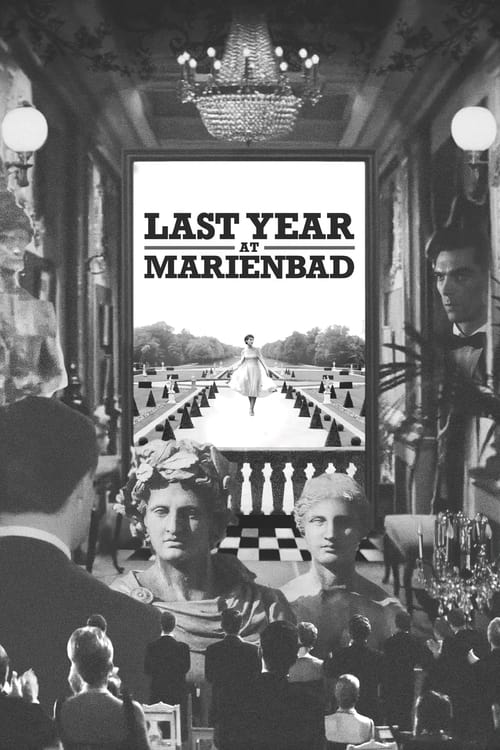
Last Year at Marienbad (1961)
Directed by Alain Resnais
influenced Synecdoche, New York (2008)
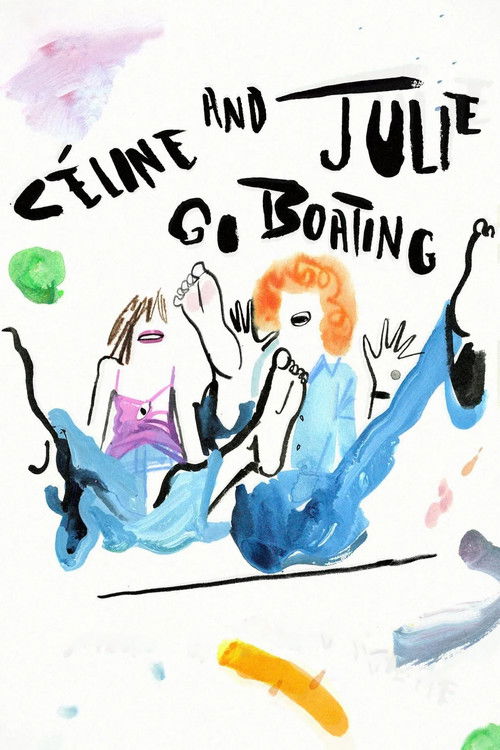
Céline and Julie Go Boating (1974)
Directed by Jacques Rivette
influenced Synecdoche, New York (2008)
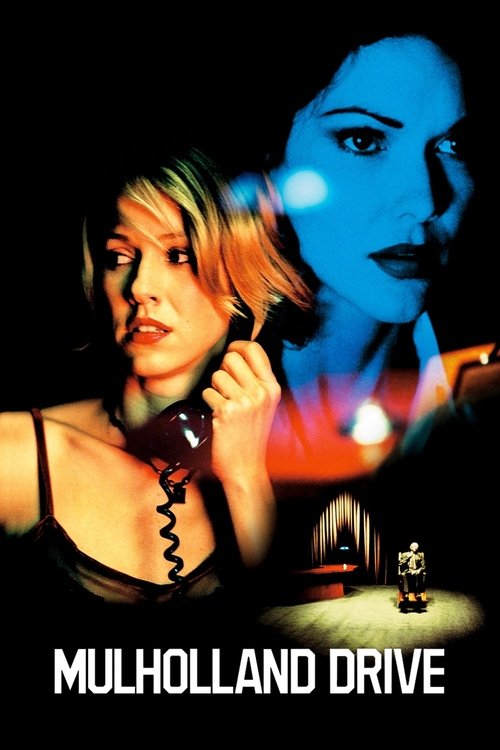
Mulholland Drive (2001)
Directed by David Lynch
influenced I'm Thinking of Ending Things (2020), Synecdoche, New York (2008)