
RaMell Ross
11 connections found

View:
Connections, in both directions
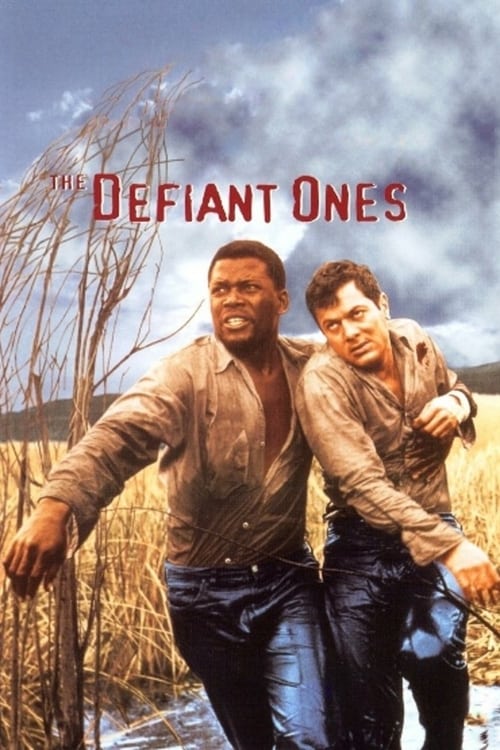


A cut from Elwood in the back of the car that brings him to the academy to a clip of Sidney Poitier and Tony Curtis in a similar setting at the beginning of The Defiant Ones, for instance, suggests a bit of psychic recall: a character drawing from his own pop-cultural frame of reference as a way of coping with his own horrific circumstance.
And while “Nickel Boys” is mercifully far too experiential and self-possessed to end with a series of sobering title cards about the history it depicts, there's a palpable sense of implication in the recurring use of film clips (Stanley Kramer's “The Defiant Ones” is a major point of reference) and news footage, which serve as damning reminders of culture's selective myopia.
Ross repeatedly references scenes from Stanley Kramer's classic The Defiant Ones (1958), wherein prisoner Sidney Poitier is changed to the racist Tony Curtis as they flee authorities, eventually bonding over the experience.
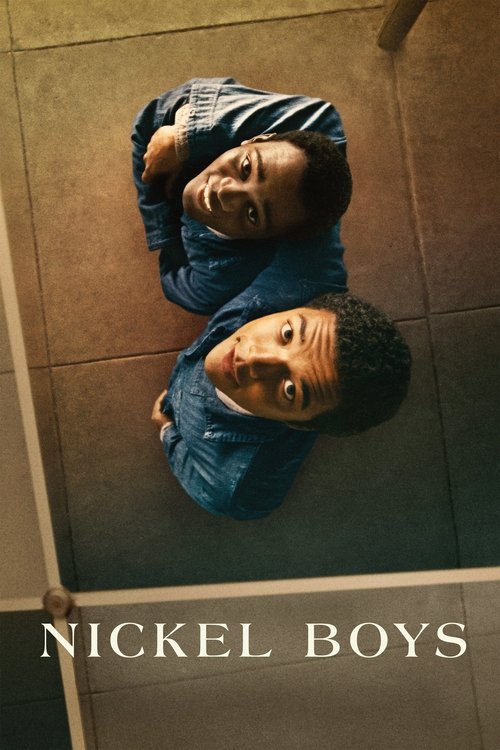
Still, I am hard-pressed to think of a film that uses footage from another movie as thoughtfully or as powerfully as Nickel Boys uses moments from The Defiant Ones, Stanley Kramer's film about two prisoners (played by Tony Curtis and Sidney Poitier) who escape from their incarceration in shackles and must learn to work together, despite their differences.-Dissertations will surely be written about the camerawork in this movie, not just for its POV but for its choices of specific angles, particularly its repeated motif of images looking directly up at the sky, or, in the shot that has become the film's main poster, up to a mirrored ceiling reflecting the two protagonists back at themselves.
Ross additionally intercuts other forms of media, like videos that appear to be taken straight from YouTube as well as scenes from other films, like the 1958 Tony Curtis and Sidney Poitier movie "The Defiant Ones."
Even beyond the canon of films that valorize the Confederacy and the Old South, movies have white heroes with whom audiences can identify: Robert Shaw in Glory, Skeeter in The Help, Agents Ward and Anderson in Mississippi Burning—even Tony Curtis' Joker, who begrudgingly comes to respect fellow chain gang prisoner Noah Cullen (Sidney Poitier) in The Defiant Ones, a movie Elwood watched at Nickel.
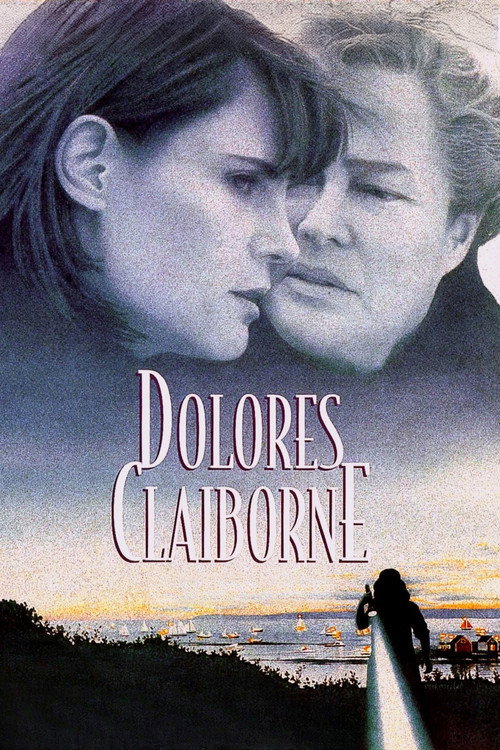
This depiction of the past’s stronghold recalls a moment in Taylor Hackford’s adaptation of Stephen King’s Dolores Claiborne (1995), wherein forgotten sexual abuse inflicted upon Jennifer Jason Leigh’s character flood back to the present, and she’s only able to see the back of her head in a mirror’s reflection.
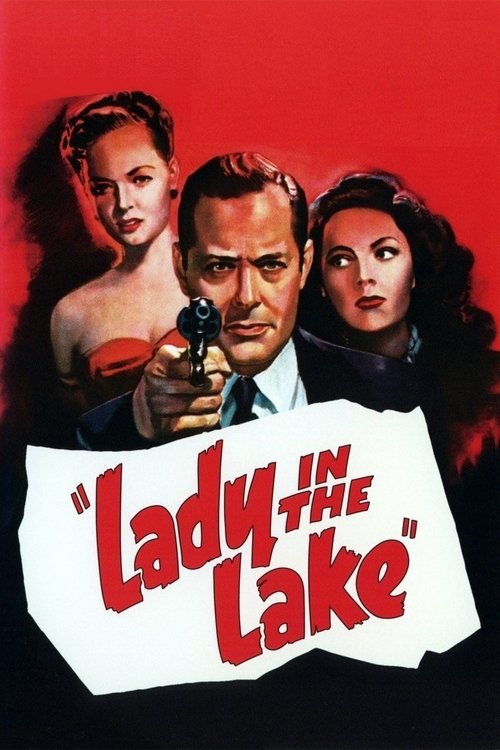
"Nickel Boys" isn't the first movie to take this approach. The silly "Hardcore Henry" used it to show its action hero laying waste to everyone in his path like a video game character, and Robert Montgomery's Raymond Chandler movie "Lady in the Lake," from 1947, also employed a first-person POV approach to get us inside the head of main character Phillip Marlowe. Steven Soderbergh's ghost story "Presence," due out next year, also takes a similar approach.
Even worse are the movies that attempt sustained first-person POV for reasons other than unreliability. The noirs Lady in the Lake (1946) and Dark Passage (1947) both use first-person for much or all of the movie, the former to replicate Raymond Chandler’s propulsive prose, and the latter to hide the protagonist’s face until he can remove bandages after his extensive surgery and reveal that he looks like Humphrey Bogart.
It’s a technique intermittently tried in crime and horror films such as the Chandler adaptation Lady in the Lake (1947), which fades in importance once the boys interact.
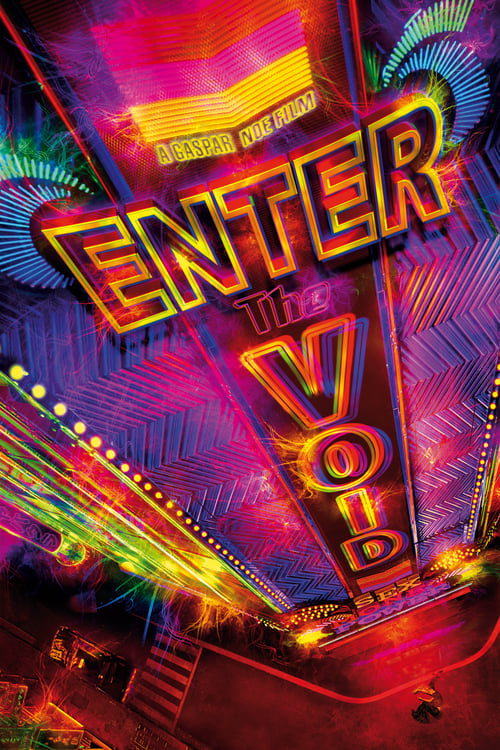
Temporal experiments like Russian Ark and the video game gimmick of Hardcore Henry come to mind, but Nickel Boys is most like the films of Gaspar Noé in this regard, especially his spiritual, out-of-body POV experience Enter the Void, albeit in a much more grounded manner.

In this respect, the film recalls László Nemes' Son of Saul, which presents the soul-searing experiences of a Sonderkommando at Auschwitz where the camera remains fixed on the face of its title character throughout; we're constantly aware of the atrocities happening in our presence, but they remain at all times obscured by the locked perspective.
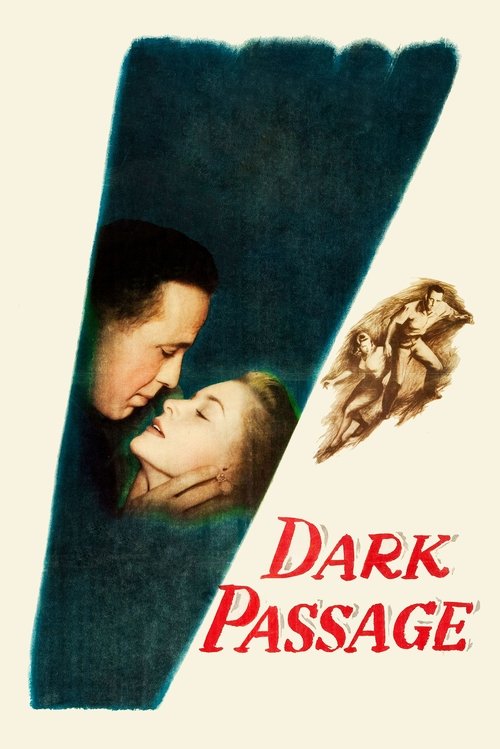
Even worse are the movies that attempt sustained first-person POV for reasons other than unreliability. The noirs Lady in the Lake (1946) and Dark Passage (1947) both use first-person for much or all of the movie, the former to replicate Raymond Chandler’s propulsive prose, and the latter to hide the protagonist’s face until he can remove bandages after his extensive surgery and reveal that he looks like Humphrey Bogart.

The movie is sensuous, no doubt, and Nickel Boys belongs to an ongoing trend, in Black independent filmmaking, of pushing sensuousness to the fore—Moonlight being the most obvious example, Beyoncé's Lemonade being the most visible, and a film like last year's All Dirt Roads Taste of Salt, which was shot by Nickel Boys' cinematographer Jomo Fray, being the most similar.
Comparisons to Moonlight, Barry Jenkins' own exploration of Black boyhood and masculinity, might be inevitable, especially as Nickel Boys gains a wider audience, but Ross is eking out his own cinematic territory.
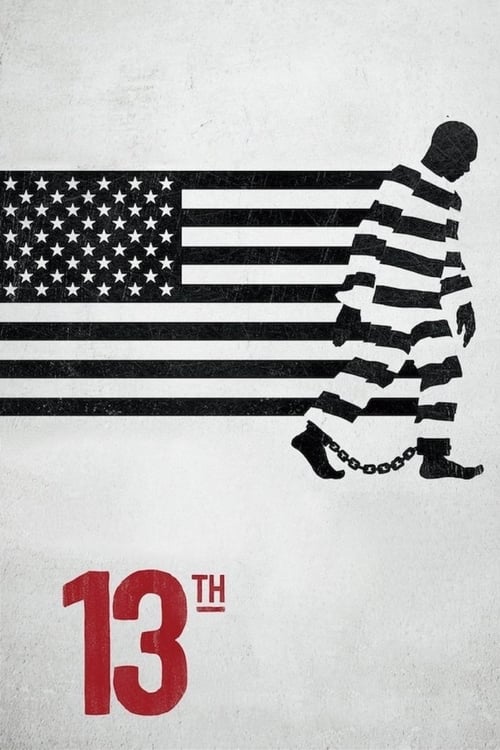
We know now that the prison industrial complex runs on free labor, informed by books like The New Jim Crow and Ava DuVernay’s documentary 13th. But there’s something especially insidious about taking young Black boys during the Civil Rights Movement and killing their hopes and dreams before they’re even old enough to pursue them. The tragedy of Elwood’s situation is a systemic one, affecting boys like him and Turner all over America––even now.

The movie is sensuous, no doubt, and Nickel Boys belongs to an ongoing trend, in Black independent filmmaking, of pushing sensuousness to the fore—Moonlight being the most obvious example, Beyoncé's Lemonade being the most visible, and a film like last year's All Dirt Roads Taste of Salt, which was shot by Nickel Boys' cinematographer Jomo Fray, being the most similar.
It also feels consistent since Iris was willing to save a Black boy (Jayden Oniah) at a time when “Nickel Boys” (2024) showed the other end of the spectrum.

Comparisons to The Zone of Interest (2023) spring to mind; both films, groundbreaking in their own rights, spotlight atrocities in modern history through unique and fresh cinematic techniques, bringing a shocking and unforgettable urgency to their stories.