

Vaughn Stein
20 connections found
Filmography

View:
Connections, in both directions
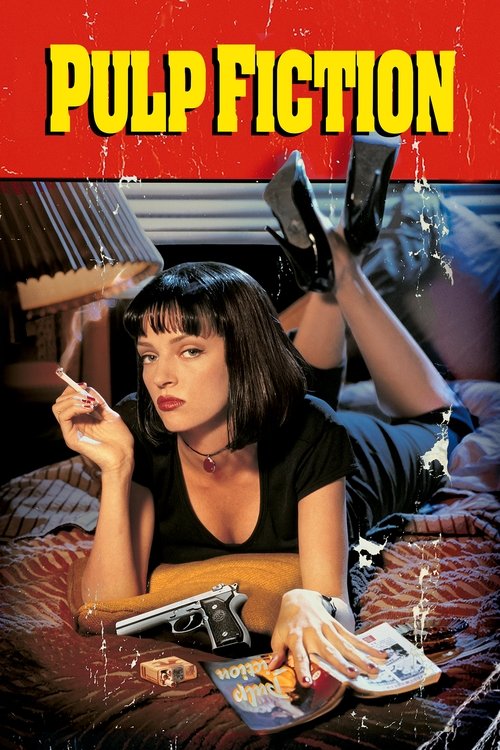
Pulp Fiction (1994)
Directed by Quentin Tarantino
influenced Terminal (2018)
Visuals Characters Plot


As such, it’s a bit like being trapped inside a garish funhouse: for the first 15 or 20 minutes it is amusing, but after 90 minutes, it is overwhelming to spot the distorted mirror of Brian De Palma over there, and the slip ‘n slide to Guy Ritchie archetypes over here; there’s the balloon-door entrance shaped in the very image of Quentin Tarantino’s own Pulp Fiction, and a plot twist finale that owes equally to Christopher Nolan and Bryan Singer.
In ‘98, Guy Ritchie landed on the scene with Lock, Stock and Two Smoking Barrels, the English equivalent to a Quentin Tarantino picture that washed up on the tail end of a pop wave following the massive success of Pulp Fiction (’94).
Seriously though, a hitman named Vince wears the iconic Pulp Fiction suit and there’s a shot of him and his partner from inside a trunk and Robbie wears a Mia Wallace wig in one scene and there’s a burst of third-act torture porn and is it 2018 yet?
In addition to Robbie's revenge-minded diner waitress Annie (who goes by "Bunny" when she's stripping at a nearby club), Stein offers two talkative hit men (Dexter Fletcher and Max Irons' Vince and Alfred, respectively) whose chemistry and banter will not push Pulp Fiction's Vincent and Jules from any fan's mind.
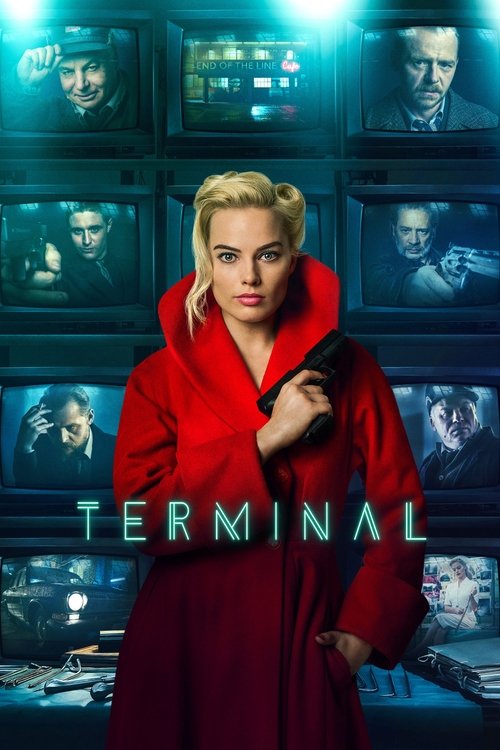
With lines like that, it’s not as if the lurid and highly stylized and neon-noir “Terminal” isn’t announcing itself as a derivative B-movie borrowing elements from pop culture touchstones ranging from old-timey gangster films of the 1940s and 1950s to “Alice’s Adventures in Wonderland” to “Pulp Fiction” to “Sin City” to “Blade Runner” to certain films by Brian De Palma and Guy Ritchie.
From the non-chronological storytelling of Pulp Fiction to the overbearing wisecracks of Ritchie’s films, Terminal is a limp throwback to its predecessors, relying on a vaguely-defined cool factor to carry the audience through its entwined, largely disparate plots.
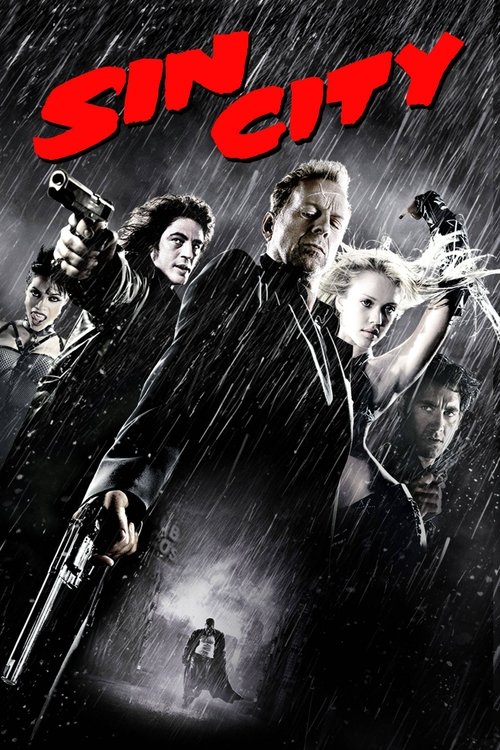
With lines like that, it’s not as if the lurid and highly stylized and neon-noir “Terminal” isn’t announcing itself as a derivative B-movie borrowing elements from pop culture touchstones ranging from old-timey gangster films of the 1940s and 1950s to “Alice’s Adventures in Wonderland” to “Pulp Fiction” to “Sin City” to “Blade Runner” to certain films by Brian De Palma and Guy Ritchie.
Stein’s exhausting pastiche unfolds like a cross between “Alice in Wonderland” and “Sin City,” as its dire cast of hitmen, femme fatales, and shadowy masterminds are filtered through a neon underworld where nonsense is the only kind of sense that anyone has left.
This high-concept head trip directed and written by Vaughn Stein takes us to a film noir Oz seen through a bloody, stylish "Sin City"/"Pulp Fiction" lens.
A stylish retro-noir starring and produced by Academy Award nominee Margot Robbie, “Terminal” riffs on everything from Lewis Carroll’s “Alice in Wonderland” to Frank Miller’s “Sin City” films.
She plays Annie, a mysterious woman who seems to be everywhere in an anonymous town so seedy it's like Sin City had a secret underbelly nobody knew about.
Written and directed by first-timer Vaughn Stein, the film desperately wants to be a Cockney riff on Sin City or one of Nicholas Winding Refn’s chic, self-indulgent cine-advertorials.

It doesn’t help that Stein is stuck with a thanklessly generic screenplay, with David Murray’s effort acting like an unfocused hodgepodge of far superior films (take your pick between far superior domestic thrillers like Basic Instinct or David Fincher’s tense 90’s thrillers).
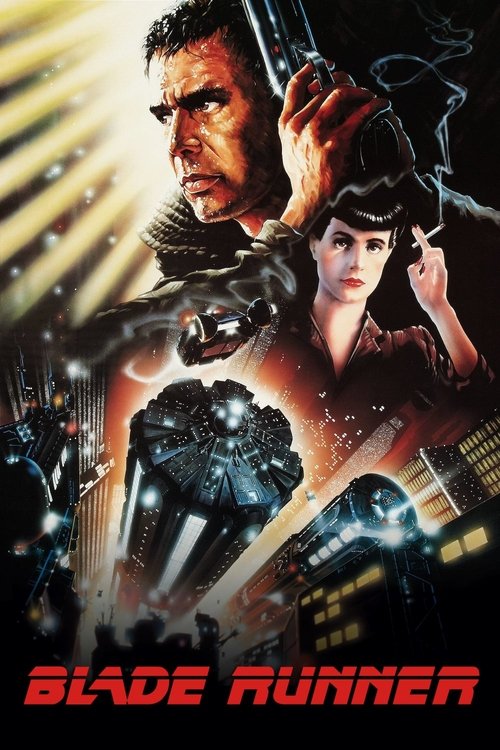
With lines like that, it’s not as if the lurid and highly stylized and neon-noir “Terminal” isn’t announcing itself as a derivative B-movie borrowing elements from pop culture touchstones ranging from old-timey gangster films of the 1940s and 1950s to “Alice’s Adventures in Wonderland” to “Pulp Fiction” to “Sin City” to “Blade Runner” to certain films by Brian De Palma and Guy Ritchie.
Here's another question: How did debuting filmmaker Vaughn Stein ever persuade Margot Robbie, just off her Oscar-nominated triumph in I, Tonya, to star in a script that plays like something Quentin Tarantino upchucked after watching Blade Runner while reading Alice in Wonderland and ingesting too many hallucinogens?
This makes sense, given Stein began his career as a production assistant on big budget larks like Sherlock Holmes (’09) and Prince of Persia (’09), before graduating to assistant director on the final chapter of the Harry Potter franchise and World War Z (’13).
“Terminal” is written and directed by Vaughn Stein, a former assistant director on big productions (“World War Z,” “Beauty and the Beast,” etc.) making his feature debut.
Veteran second unit director Vaughn Stein (“World War Z,” “Sherlock Holmes”) had access to talent and to people who could finance a film, and proves adept at managing a cohesive, distinct look and feel.
Stein (previously an assistant director on "World War Z" and the TV series "Elementary") constructs visually striking scenes in a style reminiscent of Terry Gilliam and Nicolas Roeg.
Previously, Stein worked as second or third assistant director on projects like World War Z , Snow White and the Huntsman and Pirates of the Caribbean: On Stranger Tides .
But Stein, an assistant director on World War Z and TV's Elementary, has created a lifeless vacuum of a movie.
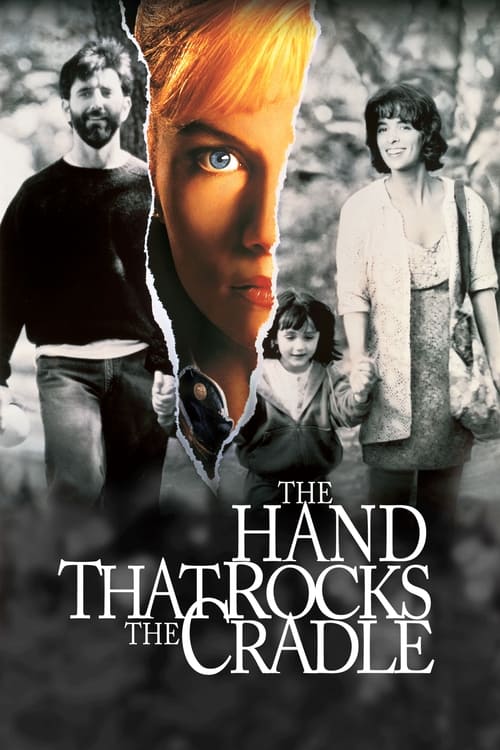
The Hand That Rocks the Cradle (1992)
Directed by Curtis Hanson
influenced Every Breath You Take (2021)
Plot
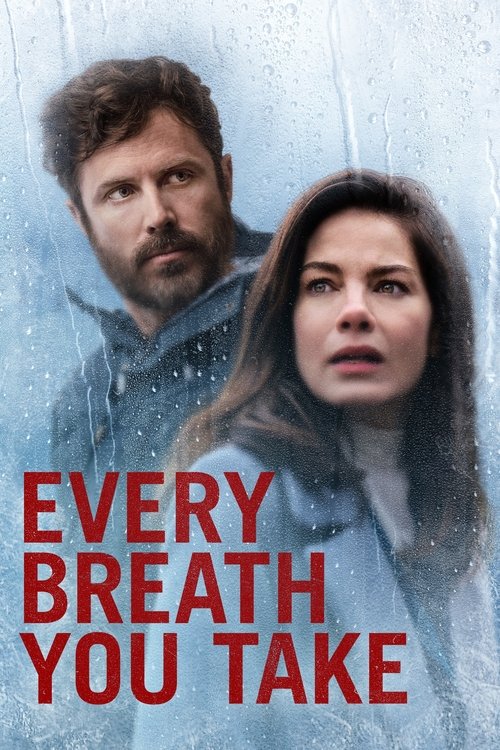
In essence, Murray’s script is using the bones of The Hand That Rocks the Cradle (1992) as an outline.
Ritchie followed that modest hit with Snatch (’00) – another hyperactively-edited crime fantasy (this time sporting turns from Hollywood stars like Brad Pitt and Benicio del Toro) – and a few other crime yarns (we don’t discuss Swept Away [‘02] in this house) before moving on to bigger studios and franchises, rightfully recognizing that you can only ride a manifestly superior filmmaker's coattails for so long.
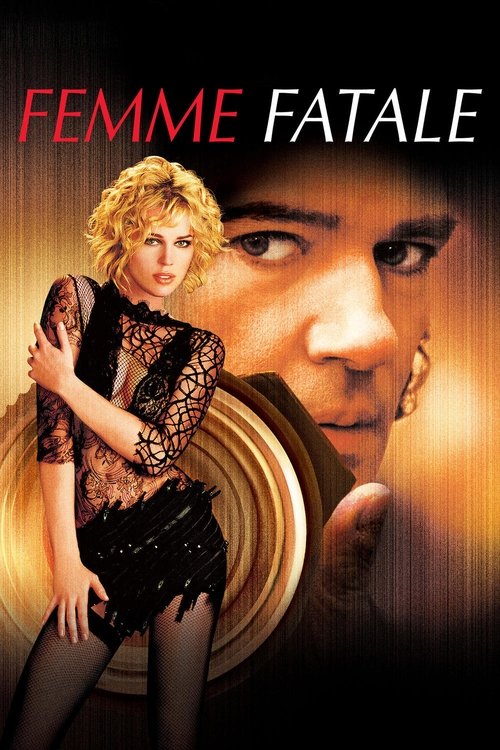
In fact, Brian De Palma's Femme Fatale stands out as the closest analog to this film, as Annie is constantly slipping on various disguises as she seduces and double-crosses those who dwell throughout this terminal at the heart of an anonymous city.
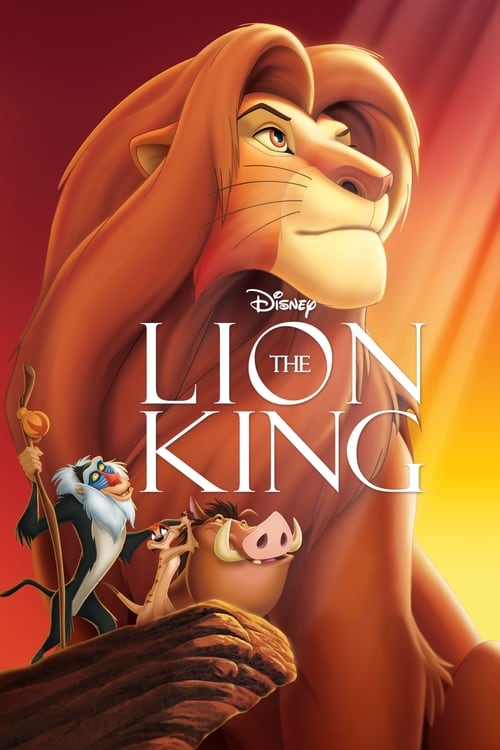
He pumps in references from other works (such as "Alice Through the Looking Glass" and even "The Lion King") as if alluding to better writing would enhance his own.

Only where Ritchie kept his convoluted stories contained to the grimy back alleys of London, adding an air of distinct authenticity to those pulp proceedings, Stein instead opts to construct a pure anti-reality, soaked in smoke and popping primary colors (think: Alex Proyas’ Dark City [‘98] filtered through a mid-bender Frank Miller).
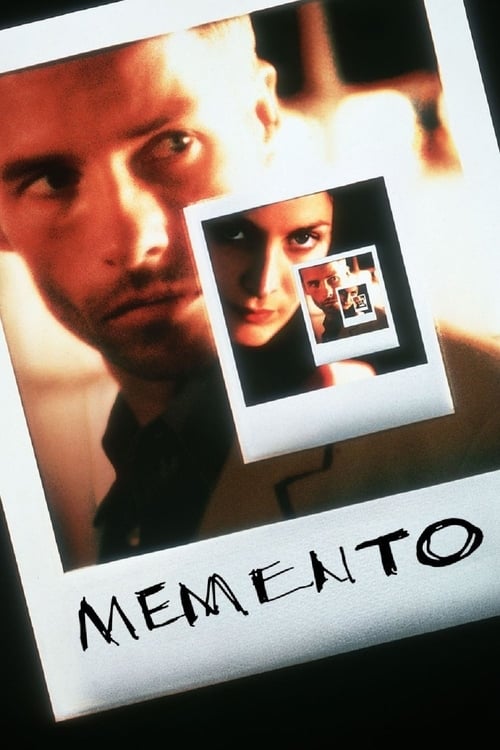
Burying the mystery a bit deeper could have made the film his coming out party as the next big thing a la Christopher Nolan with Memento, but there’s no denying Terminal is a promising sign of Stein’s potential.
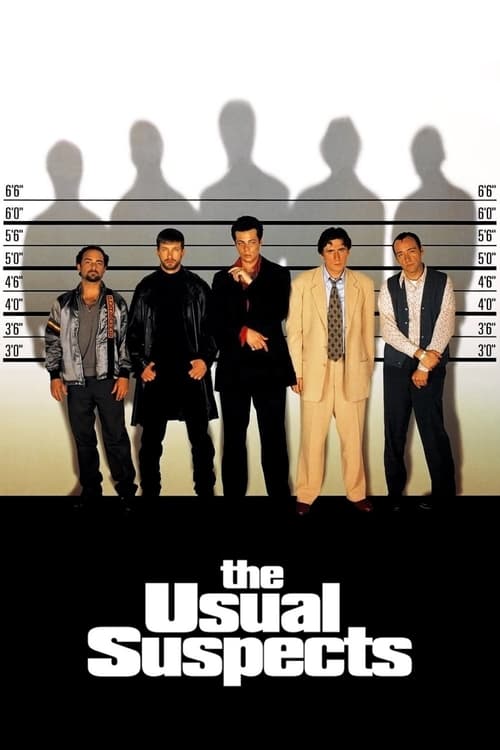
(When his identity is finally revealed, it's via a gag straight out of The Usual Suspects.)
But not even she can overcome a screenplay that goes nowhere until the final 20 minutes, which are admittedly pretty great even if the big twist is obvious to anyone who has seen The Usual Suspects.
Rewatch The Usual Suspects is you want clues.
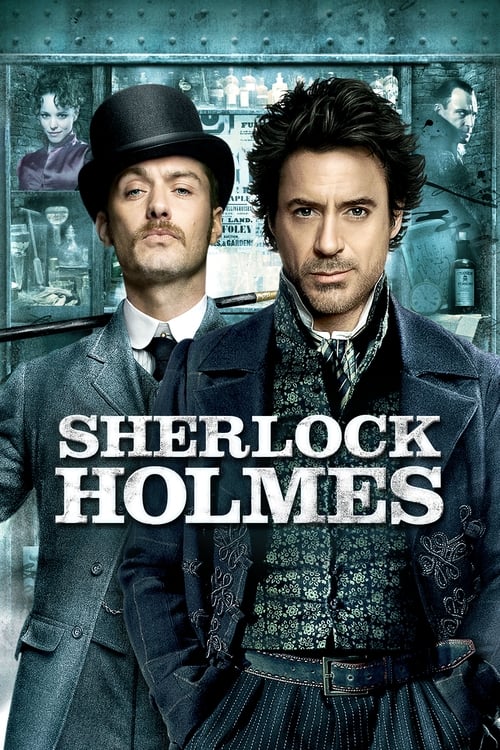
This makes sense, given Stein began his career as a production assistant on big budget larks like Sherlock Holmes (’09) and Prince of Persia (’09), before graduating to assistant director on the final chapter of the Harry Potter franchise and World War Z (’13).
Veteran second unit director Vaughn Stein (“World War Z,” “Sherlock Holmes”) had access to talent and to people who could finance a film, and proves adept at managing a cohesive, distinct look and feel.

Myers, who was last spotted on the pop-culture radar in 2009’s Inglourious Basterds (I refuse to acknowledge The Gong Show), plays a portly, bucktoothed janitor with a limp under pounds of latex and putty.
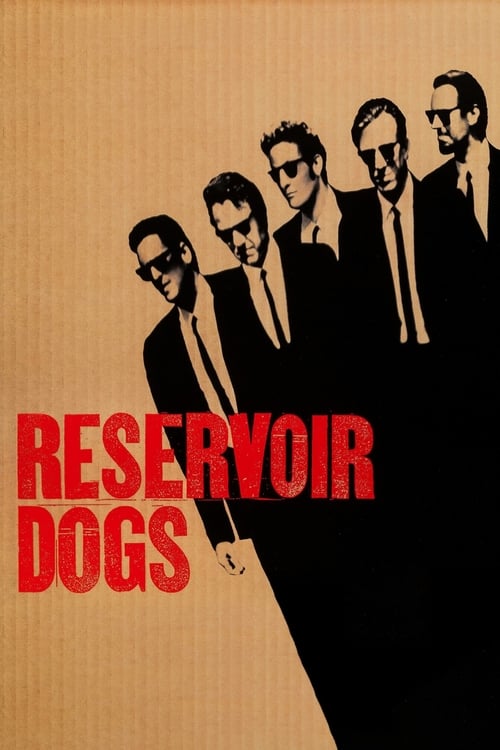
The provocative casting of Margot Robbie, Simon Pegg and Mike Myers might pique initial curiosity about this lurid, Cronenbergian revenge tale, but 20 minutes into its groaner prattle and inaccessible characters, the shoot-everybody finale of "Reservoir Dogs" would be a welcome relief.
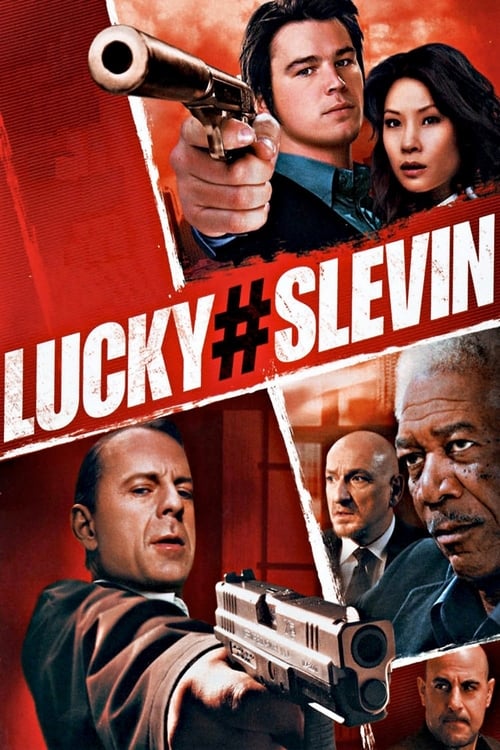
Too much of the script hinges on the payoff, which seems highly influenced by films like Usual Suspects and Lucky Number Slevin .
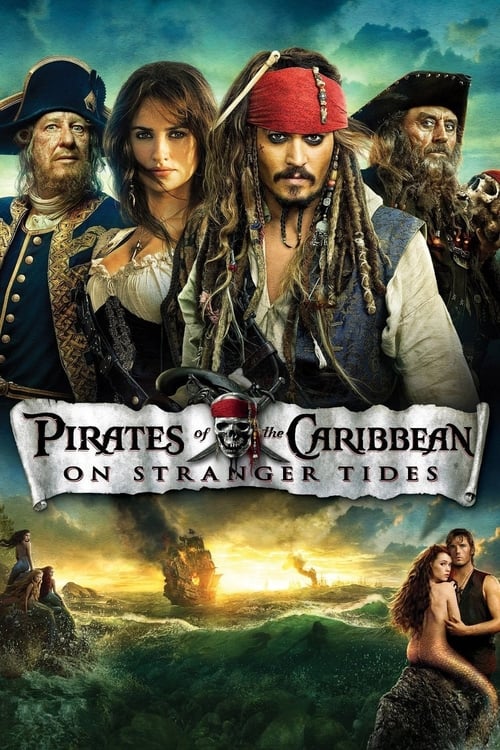
Pirates of the Caribbean: On Stranger Tides (2011)
Directed by Rob Marshall
influenced Terminal (2018)
Director Vaughn Stein, making his debut with “Terminal,” has worked on some high-end and lavishly made productions (see “Harry Potter,” “Pirates of the Caribbean: On Stranger Tides,” and “Beauty and the Beast”).
Previously, Stein worked as second or third assistant director on projects like World War Z , Snow White and the Huntsman and Pirates of the Caribbean: On Stranger Tides .
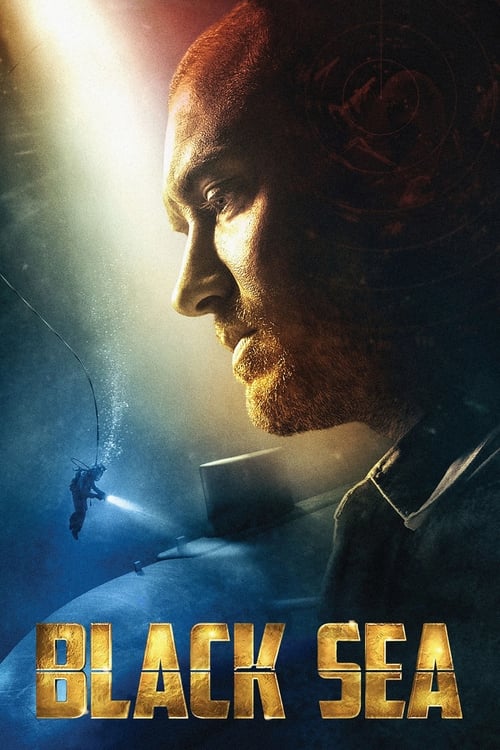
Here he’s assembled not only a fabulous cast, but a talented crew with Christopher Ross (“Black Sea” and Amazon’s “Hard Sun”) shooting and Richard Bullock (“Frank”) providing production design.
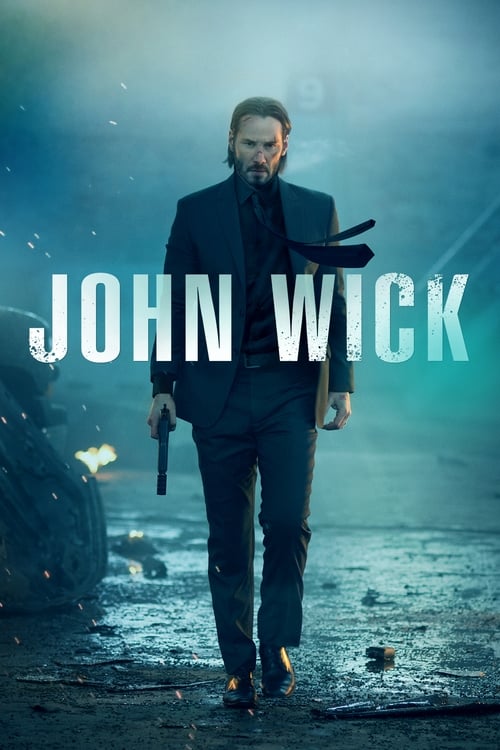
Imagine John Wick if the entire city was lit like the Red Circle Club.
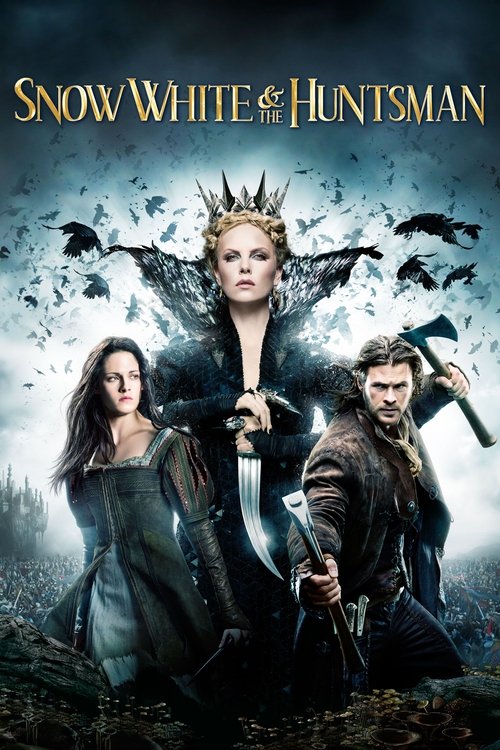
Previously, Stein worked as second or third assistant director on projects like World War Z , Snow White and the Huntsman and Pirates of the Caribbean: On Stranger Tides .