
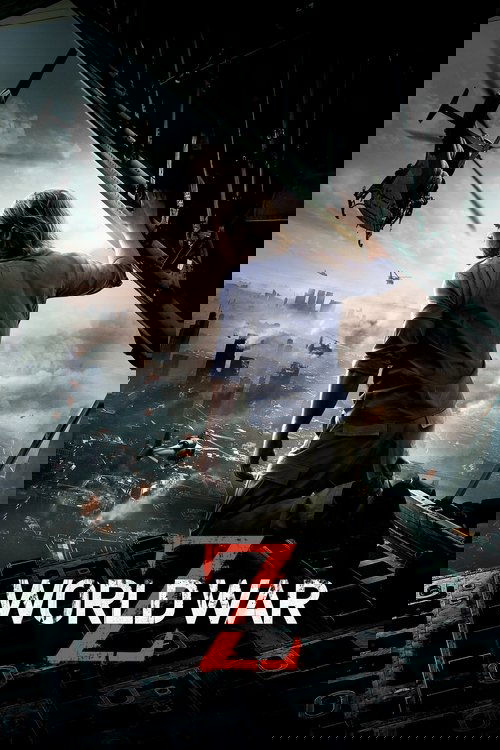
World War Z (2013)
Directed by Marc Forster
Life for former United Nations investigator Gerry Lane and his family seems content. Suddenly, the world is plagued by a mysterious infection turning whole human populations into rampaging mindless zombies. After barely escaping the chaos, Lane is persuaded to go on a mission to investigate this disease. What follows is a perilous trek around the world where Lane must brave horrific dangers and long odds to find answers before human civilization falls.
42 connections found
View:
42 films that influenced World War Z
What critics say influenced World War Z
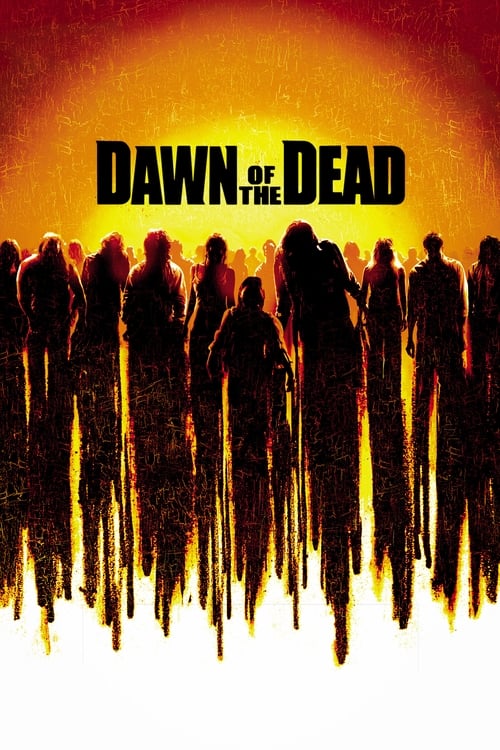


There's not a thing in World War Z that hasn't been done better in another film from these apocalypse-minded times-- the science angle evokes Rise of the Planet of the Apes, the zombie terror Danny Boyle's 28 Days Later or Zack Snyder's Dawn of the Dead, and the scenes of city-wide destruction could come from virtually any recent summer blockbuster.
At different points in the story, “World War Z” strongly resembles Zack Snyder’s “Dawn of the Dead” remake and Steven Soderbergh’s “Contagion,” and I suppose Danny Boyle and Alex Garland should be flattered by the Vulcan mind-meld level of rip-off perpetrated upon their 2002 near-masterwork “28 Days Later.”
Add in a soundtrack full of ominous droning and some Dawn of the Dead sleazy-keyboard noddling, and by Romero, we’ve got ourselves some seriously overwhelming spectacle.
Like the zombies of Zack Snyder’s remake of “Dawn of the Dead,” these are not the plodding creatures we are used to.
But star and producer Pitt is the general manager of this enterprise, and he shrewdly ripped a page from James Gunn’s revisionist playbook for the 2004 remake of “Dawn of the Dead.”
Even Zack Snyder‘s refried Dawn of the Dead managed to squeeze that in between head-choppings.
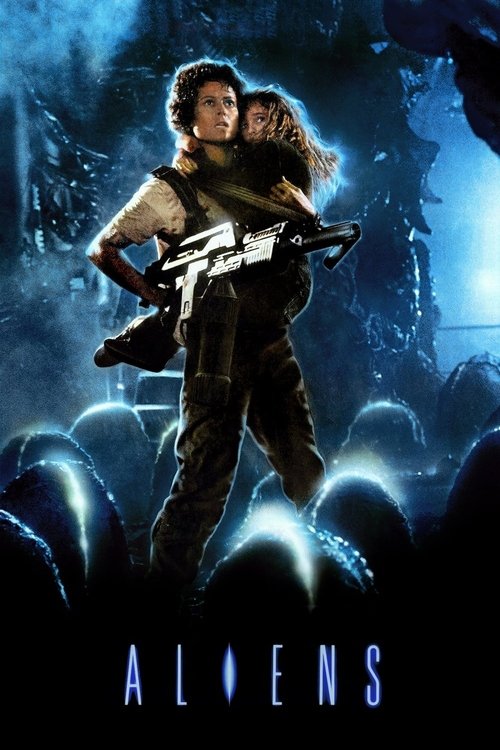
Pitt has more going on with Daniella Kertesz as a tough Israeli soldier, who reminded me a bit of Jenette Goldsteins hardcore Marine Vasquez in Aliens, only without the dialogue or the humor.
Two sequences in particular - the military guys preparing to re-fuel the plane in South Korea and the mission into the zombie-infested wing of the WHO building - recall scenes from Aliens.
Walking out of “World War Z,” I realized I probably haven’t felt this edgy and paranoid after a movie since … “Aliens,” maybe?

Amongst all the chatter that the zombie concept is played out, consider that the closest these horror staples have come to a blockbuster depiction is the Resident Evil series – something that leaves ample scope for improvement.
Yes, we've seen this sort of material before (even the fast-moving zombie angle isn't fresh anymore, although seeing them pile up like raving mad army ants to scale a wall into Jerusalem was a first for me), and the finale clearly borrows its "look out for the zombies in the lab" aspect from the "Resident Evil" flicks.
The film, co-written by Damon Lindelof (“Prometheus”), Matthew Michael Carnahan (“State of Play”), Drew Goddard (“The Cabin in the Woods”) and J. Michael Straczynski (“Thor”), will feel familiar to fans of the “Resident Evil” series and Danny Boyle’s far superior “28 Days Later” (2002).
A flexible metaphor for all manner of social, cultural and political maladies, the zombie genre has, over the decades, been employed as an analogue for everything from the U.S. occupation of Haiti (1932’s Bela Lugosi starrer “White Zombie”) to the upheaval of the Vietnam/civil rights era (“Night of the Living Dead”) and the bio-panics of the late 20th century (“28 Days Later,” “Resident Evil”).
Did Lane quit, or did he get fired because of that douchey haircut?), I'd be veeery interested to see the original ending that was so unsatisfying it prompted Paramount to switch gears from "balls-out action flick" to "shelved sequence from the first Resident Evil movie."
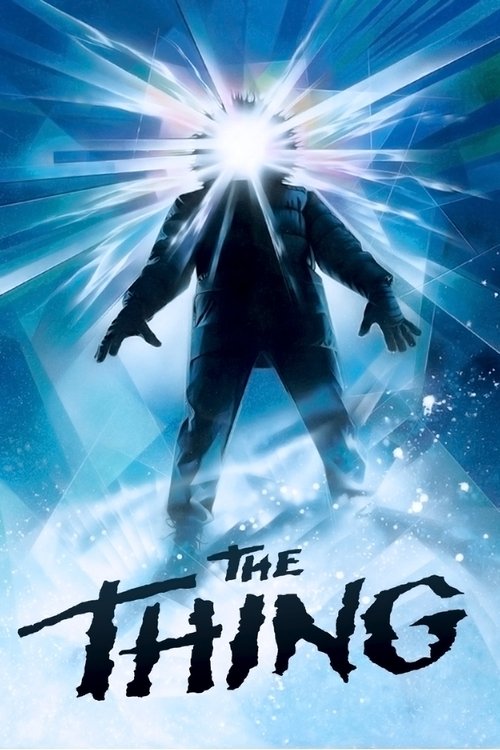
This troubled, extended final segment -- re-shoots reportedly were a cause of the film’s six-month delay -- scales back the massively populated chaos, recalling, if not matching, the tense isolation of John Carpenter’s “ The Thing .”
Advertisement

The standard for me in this vein remains Juan Carlos Fresnadillo's tragically under-seen 28 Weeks Later , the mere identification of which suggests that World War Z also has the misfortune of coming at the very end of a played-out thread--one peppered with a few too many masterpieces to compete against.
World War Z doesn’t push this theme, however, or really go for the sort of socio-political commentary that has elevated so many zombie films, from George Romero’s Night of the Living Dead to Juan Carlos Fresnadillo’s 28 Weeks Later.
It could have been a thrilling procedural like Zero Dark Thirty, or a fascinating case study a’la Contagion, or, hell, if it wanted to drop the veneer of ‘smarts’ entirely, Forster could have just replicated 28 Weeks Later on a larger scale.
"28 Days Later" and "28 Weeks Later" got there first, and did it better, but in general it's clear: Fleet-footed zombies are better than slow ones.
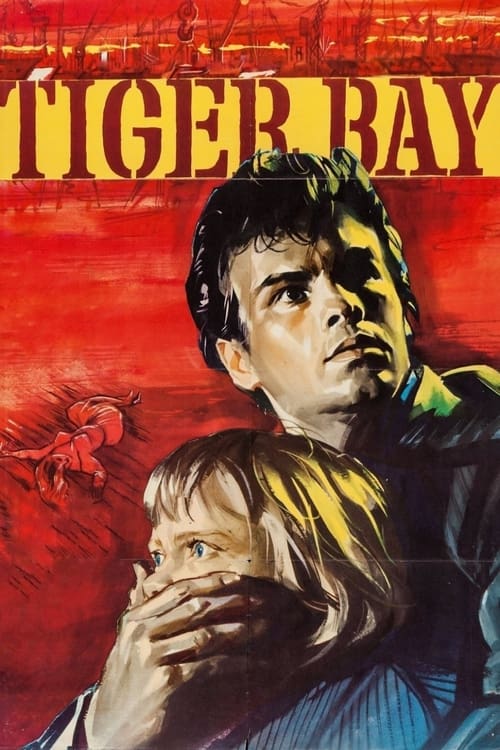
That’s Cardiff, Wales, and I can’t recall the last time a movie had its climax there—was it Tiger Bay , with Hayley Mills ?
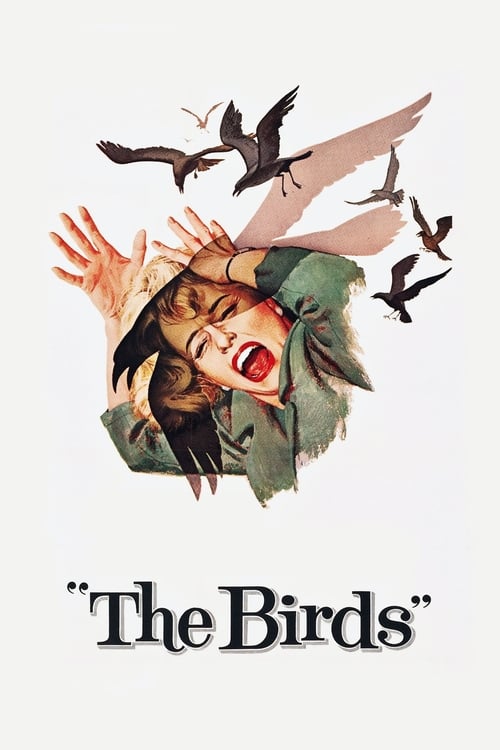
The movie’s climax (part of the rewrite from the original film) is a cat-and-mouse sequence in a lab that pays homage to Alfred Hitchcock’s 50-year-old contagion thriller, The Birds, but the comparison isn’t flattering.
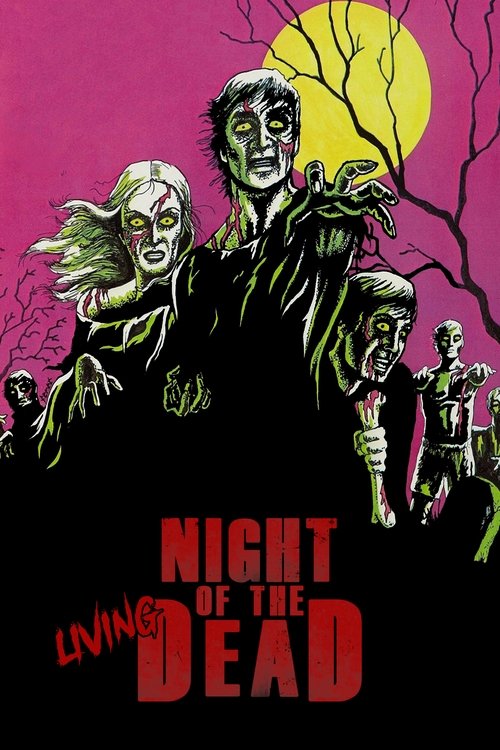
Most movies about the flesh-eating undead rising and taking over the world imply that it is a worldwide phenomenon, but focus their narrative attention on a single location (George A. Romero established this quite brilliantly in 1968’s Night of the Living Dead, which takes place almost entirely in and around an isolated Pennsylvania farmhouse, but conveys the enormity of the event via radio and television broadcasts).
Decades ago, in George Romero’s Night of the Living Dead (1968) the LD were friends of George’s volunteering on a $114,000 picture.
Starting with George Romero’s no-budget Night of the Living Dead in 1968, zombies have signified any number of automatic, implacable drives – the folly of the Vietnam War, rampant consumerism, class struggle, or the “I’m with Stupid” emblem of such literary mash-ups as Pride and Prejudice and Zombies or Hamlet Z.
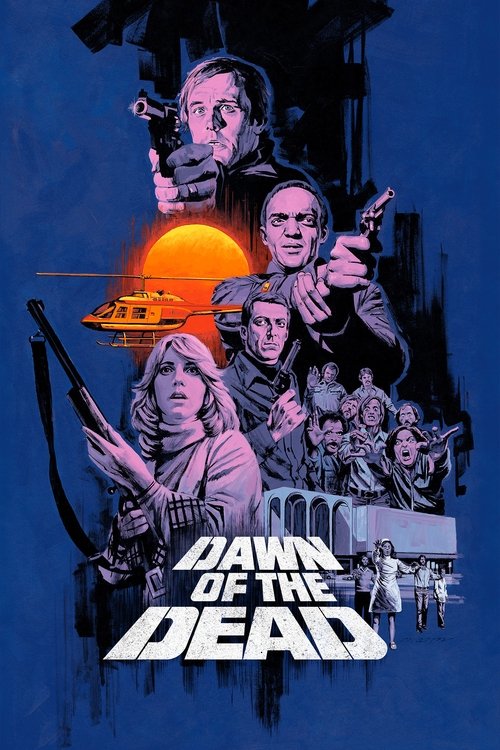
The theater of battle between the living and undead has expanded incrementally, from a single-family dwelling in NOTLD to a shopping mall in its 1978 sequel Dawn of the Dead to, in Boyle’s film, the metropolis of London.
Companion viewing: "Night of the Living Dead," "Dawn of the Dead" (1978), "Pontypool," "28 Days Later"…
Advertisement
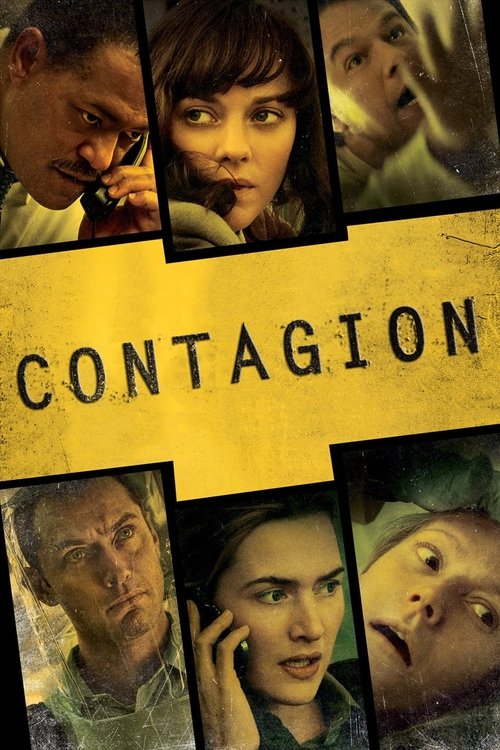
At different points in the story, “World War Z” strongly resembles Zack Snyder’s “Dawn of the Dead” remake and Steven Soderbergh’s “Contagion,” and I suppose Danny Boyle and Alex Garland should be flattered by the Vulcan mind-meld level of rip-off perpetrated upon their 2002 near-masterwork “28 Days Later.”
Based on Max Brooks' best seller and directed by Marc Forster, World War Z is actually closer in spirit to Steven Soderbergh's Contagion than to Night of the Living Dead.
It deserves comparisons to Steven Soderbergh’s brainy “Contagion.”
Like a dumbed-down, corpsier version of Steven Soderbergh's 2011 viral thriller " Contagion ," the picture loses sight of the source material's geo-politicism in favor of action-oriented disaster scenarios and undead baddies leaping out (there is, admittedly, one successful seat-jumping scare).
A faithful adaptation of the book would have structurally resembled Steven Soderbergh's 2011 global-reach thriller Contagion, just as it would have retained loads of political material that, as lead producer Pitt himself has bemoaned, is simply not compatible with the financial imperatives of a big-budget blockbuster.
A close cousin of Steven Soderbergh's "Contagion," Marc Forster's adaption of Brooks' tome juts forward with a grave sense of purpose that only works when generating feelings of nervousness and peril to go along with its big ideas.
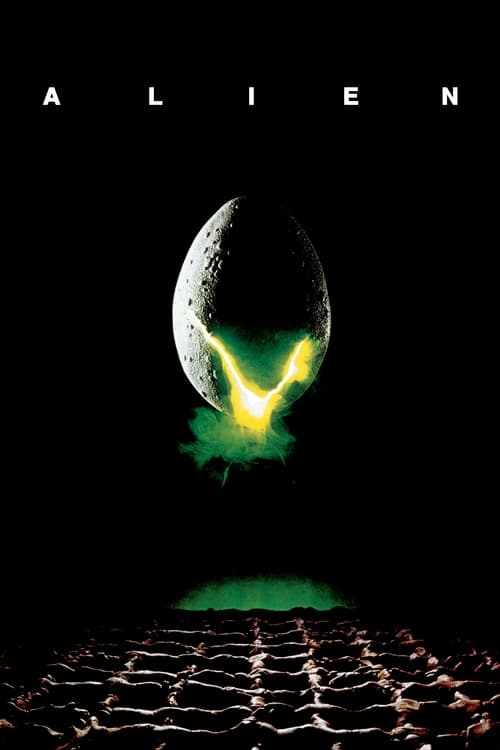
The redone third act includes a lift of the signature face-to-face moment from the original “Alien,” although it should be noted that Pitt is no young Sigourney Weaver.
In World War Z , they have several nice cameos: There’s one zombie woman seething behind plate glass who had a no-decision with the great monster in Alien ; and there’s another who has a cute, teeth-chattering hunger pang that’s a show-stopper (so it’s repeated).
He’s done well separately with comedy (Stranger Than Fiction), relationship dramas (Monster’s Ball) and fantasy dramas (Finding Neverland), but not even his big budget spectacle Quantum of Solace could help him prepare for filming an unwieldy script by Matthew Michael Carnahan (The Kingdom, Lions for Lambs), Drew Goddard (Cloverfield, The Cabin in the Woods) and Damon Lindelof (the bane of both the Alien and Star Trek franchises).