
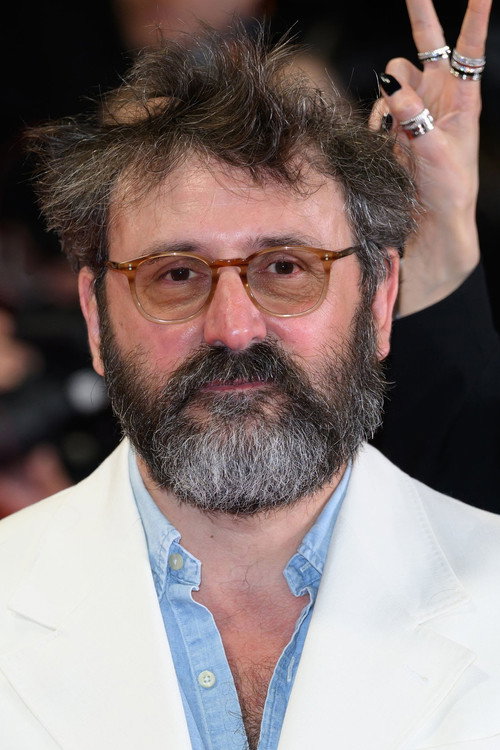
Quentin Dupieux
27 connections found
Filmography

View:
Connections, in both directions
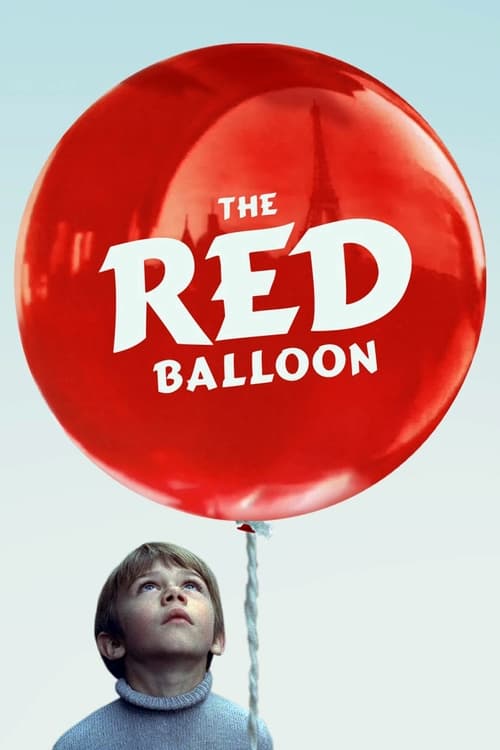


In one scene, reminiscent of “The Red Balloon,” it admires its own vulcanized countenance in a mirror.
In a scene of epically comic personification and an unsubtle nod to "The Red Balloon," the circular villain rises to life as the spectators watch from afar, then proceeds to roll through the landscape and slowly build toward its killing streak.
Rubber could have been a modest horror novelty, a wicked, malevolent version of The Red Balloon.
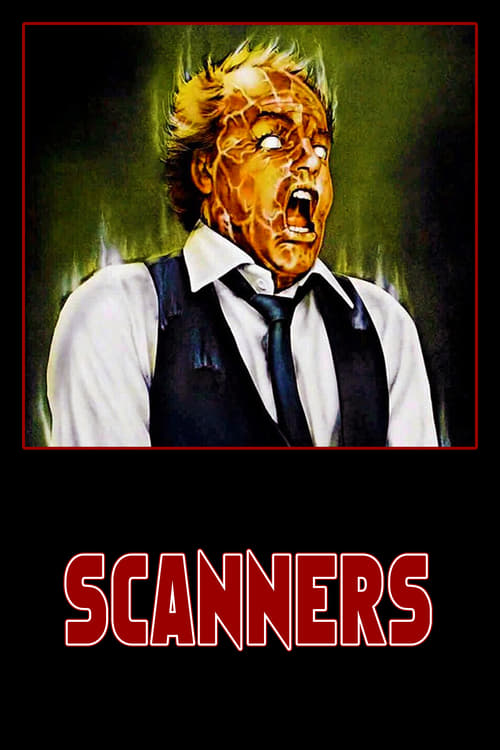
It's also a horror film, a critique of cinema past and present, an absurdist satire of traditional film tropes, an homage to David Cronenberg's Scanners, a comeback for Eighties icon Hauser, and a feature-length avant garde film unlike any other.
Initially tentative, the tire discovers it has telekinetic powers and soon works its way up the food chain, from rabbits and crows to clueless humans whose heads, a la Cronenberg’s “Scanners,” explode like watermelons.
With just a few jerks of its worn tread, Robert discovers that it can make nearby objects explode, suggesting what might have happened if David Cronenberg’s Scanners had been filmed at Canadian Tire.
So it blows up animals and people’s heads, like David Cronenberg did in “Scanners” 30 years ago.
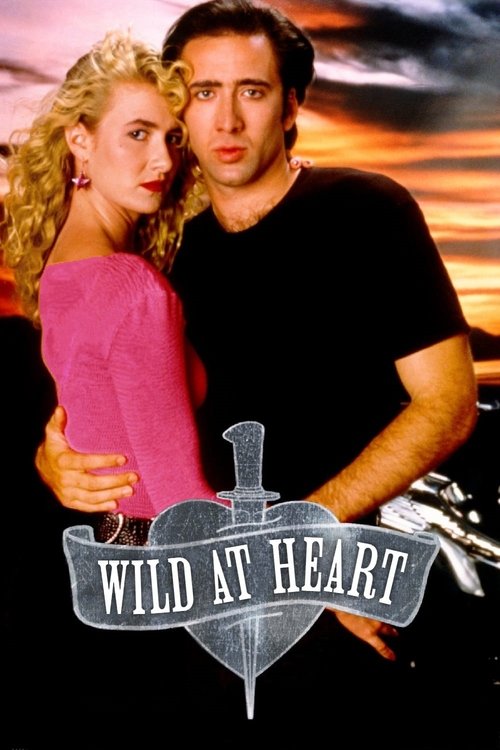
The film follows Georges (Jean Dujardin), a man we soon learn has abandoned everything he had to buy the jacket of his dreams (à la Nicolas Cage in Wild at Heart).
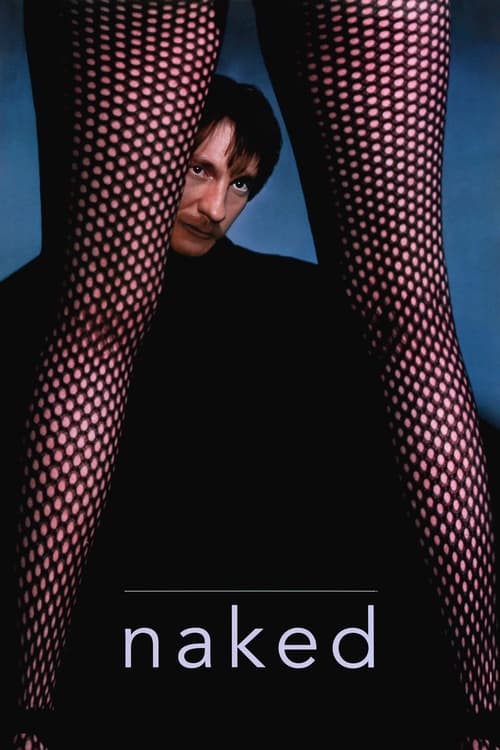
But the underlying concern with Dupieux’s work recalls David Thewlis’ remarks about the human body in Naked : It’s “the most sophisticated mechanism in the entire universe”—a “wet, pink factory,” in his words—but “what the fuck are they making in there?
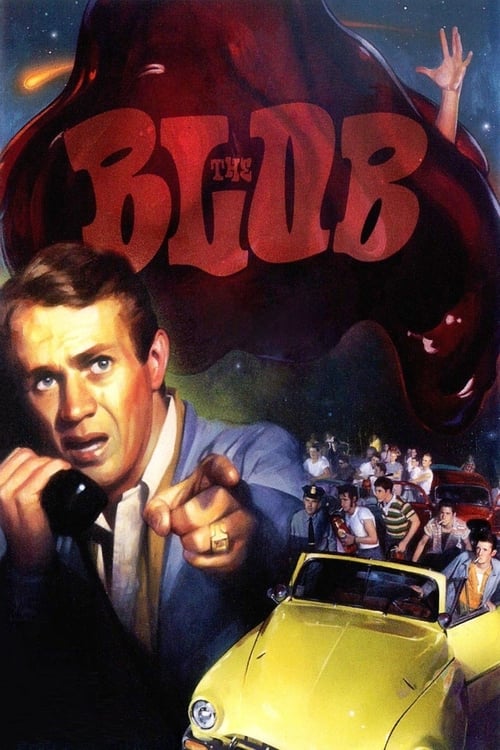
In The Blob (1958) an ever-expanding ball of jelly terrorises a small town.
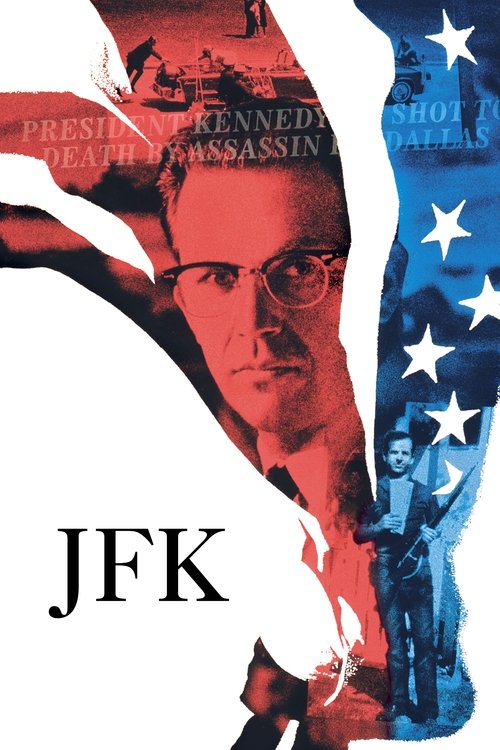
It opens like Beckett or Ionesco with a stage manager (Jack Plotnick) setting up chairs and a sheriff (Stephen Spinella) climbing out of the trunk of a squad car to deliver a speech about all films — “E.T.,” “J.F.K.,” “Chainsaw Massacre” ‒ possessing an element of “No Reason.”
One of his examples is about Oliver Stone’s JFK, in which -- the cop “reminds” us -- suddenly, out of nowhere, for no reason, someone shoots the President.
It begins with a policeman speaking directly to the camera, telling us "all great films without exception create an element of 'no reason," using weird examples like "The Pianist" and "JFK," because they were the last two films in Dupieux's Netflix, I guess.
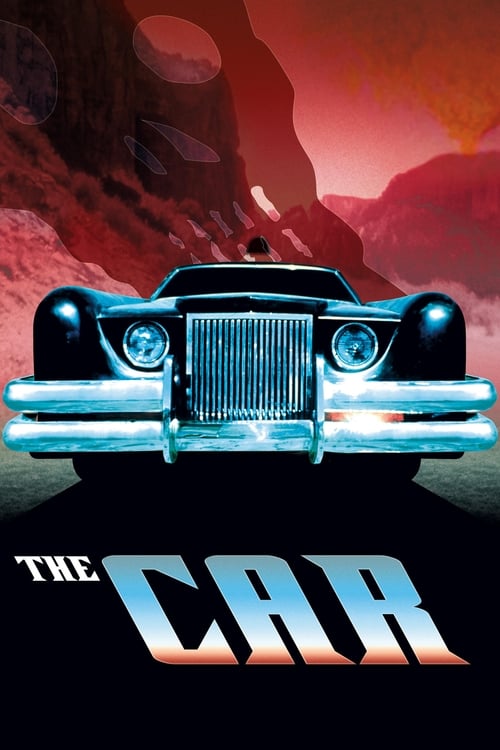
In The Car (1977) a diabolically possessed automobile does the same thing.
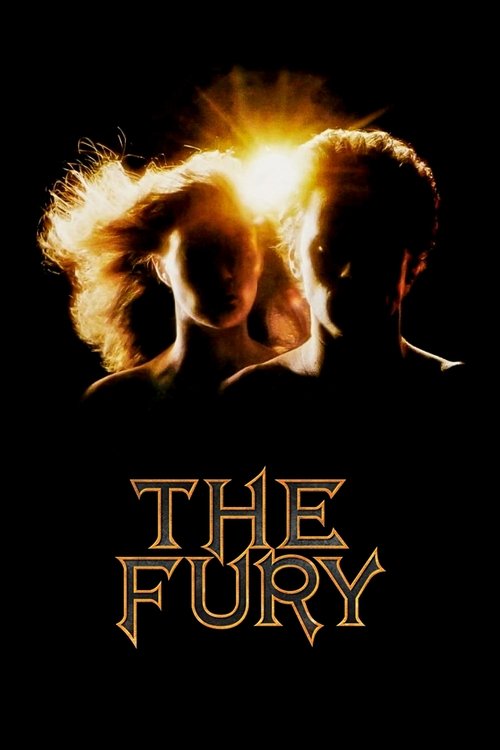
The story they’ll see involves a tire that slowly rouses itself from a junkyard and, after triumphing over a few random objects (a plastic bottle) and critters (a scorpion) by rolling over them, realizes that it can kill bigger prey the same way Amy Irving explodes John Cassavetes’ head in The Fury, albeit in a far less operatic fashion.
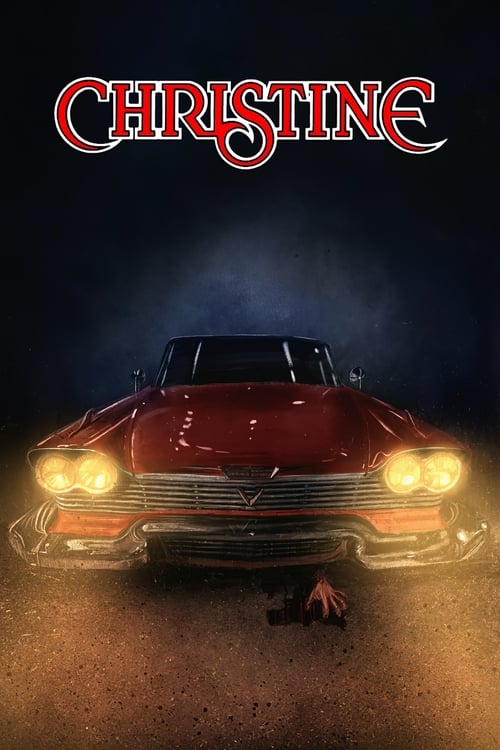
Imagine Stephen King’s “Christine” and “Maximum Overdrive” with nothing under their hoods.
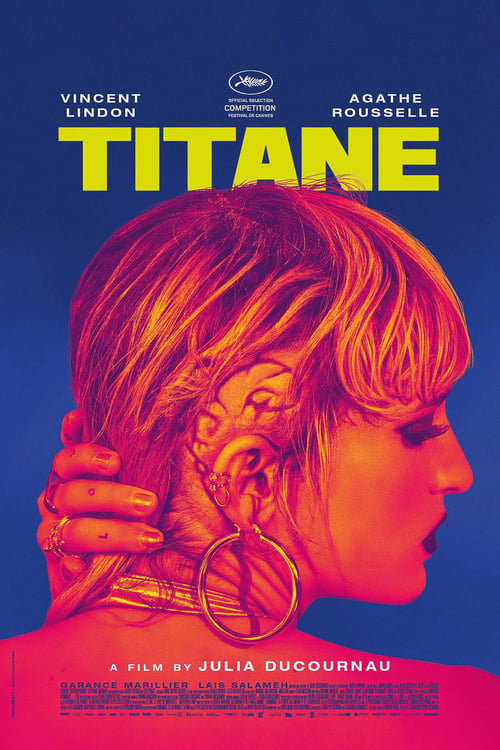
Even Cronenberg's The Fly and Quentin Dupieux's films, Rubber, Mandibles and Keep an Eye Out, take their refreshing concepts in more interesting and surprisingly profound directions.

It’s a variation on Spielberg’s “Duel” and King’s demonic gas-guzzlers told from the perspective of ‒ hold onto your carburetors, kids ‒ a killer tire.

Imagine Stephen King’s “Christine” and “Maximum Overdrive” with nothing under their hoods.
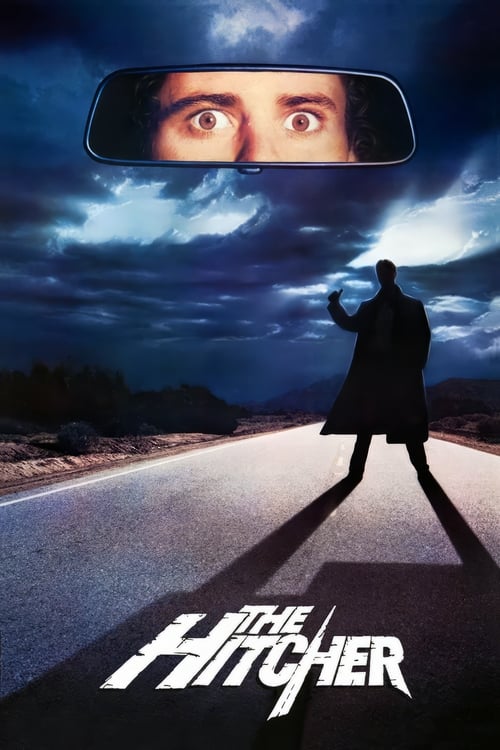
Imagine “The Hitcher” without the psychotic Rutger Hauer.
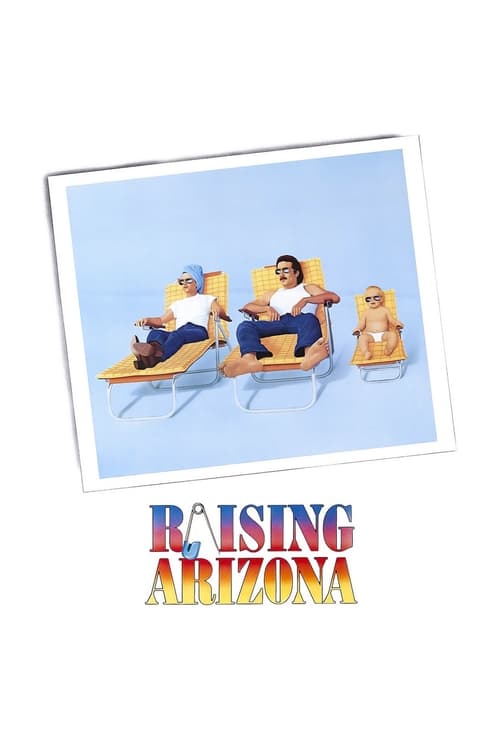
Not content to merely crush pop bottles or explode rabbits — a nod to the Coen Bros.’ Raising Arizona — Robert sets out to mess with humans.
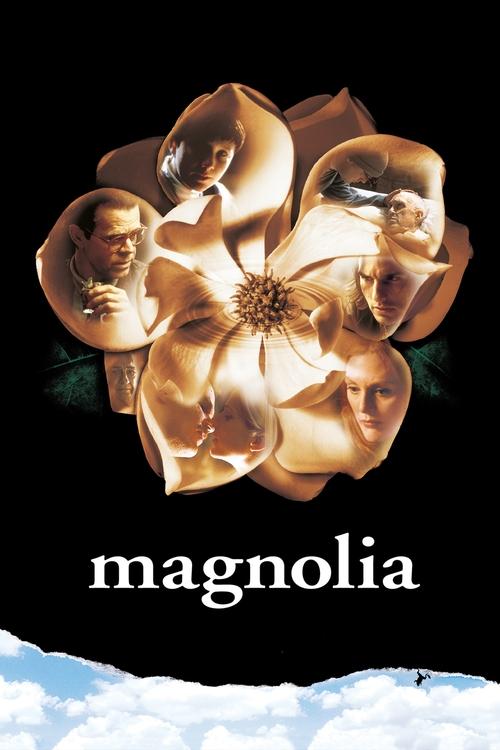
Fans of Paul Thomas Anderson's Magnolia may sense a kinship here, but that (truly great) film's rain of frogs is nothing compared with Rubber's randomly vicious antagonist, a sentient tire that rolls up out of the California desert and goes on an inexplicable rampage that’s viewed from afar by a binocular-wielding "audience."

Soon a man billed as “Accountant” (Jack Plotnick, who’s probably best remembered as the film nerd who interviews James Whale at the beginning of Gods and Monsters) is handing out binoculars to a ragged audience (including schlock-movie actor Wings Hauser as its most schlock-savvy member) assembled in the desert for—what?
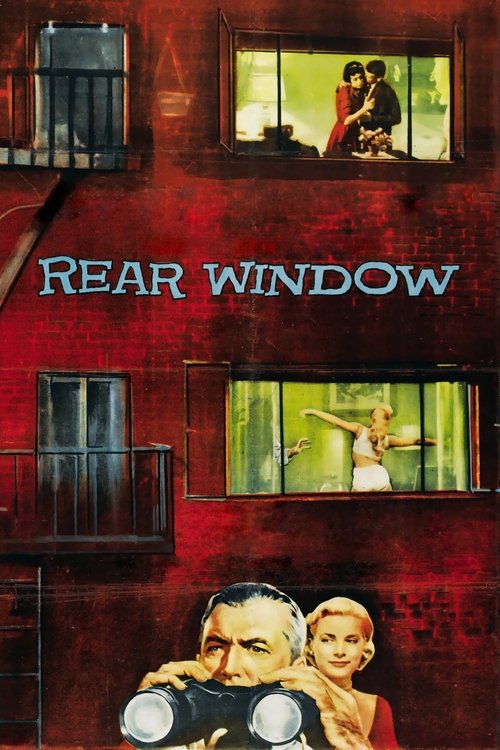
Rubber could have been developed in countless ways, but the path it chooses turns out to be rather redundant, and the audience-within-the-film angle, intriguing at the beginning, is milked to death throughout the course of the picture, with its employment serving as a wink-wink meta-theory on the nature of filmmaking as well as a commentary on the voyeuristic nature of audiences (a premise tackled more effectively in this festival’s documentary Nenette, and of course tackled definitively in Hitchcock’s Rear Window).

Those movies that Chad mentions -- "E.T.," "JFK," and "The Pianist" amongst others -- may have an element of no reason.
It begins with a policeman speaking directly to the camera, telling us "all great films without exception create an element of 'no reason," using weird examples like "The Pianist" and "JFK," because they were the last two films in Dupieux's Netflix, I guess.
We begin in the desert with a sheriff (Stephen Spinella) explaining that movies -- indeed, all plots -- are random, senseless, arbitrary (among his examples are the protagonist of “The Pianist” dressing like a bum “for no reason,” so take it as you will).
This is the guiding principle of Dupieux's project as well, though to take this expository opening as the concrete answer to the film's ensuing questions of "why" is to fall for the director's joke, since while some of Chad's examples of "no reason" are legitimate (for example: there really is no specific reason why Spielberg's E.T. is the color brown), others simply make no sense (there actually is a very clear motivation for The Pianist 's protagonist hiding out and acting "like a bum").

Even when genre films are self-aware, they’re often made or conceived in half-measures -- witness the dreary “Snakes on a Plane.”
Since premièring out of competition at Cannes 2010, Quentin Dupieux’s Rubber has been referred to more generally as “the killer-tire movie,” one of those concepts, like Snakes On A Plane or The Human Centipede, that inevitably takes on more life as a meme than as a work of art.

Swiss Army Man (2016)
Directed by Daniel Kwan
influenced by Wrong (2012), Rubber (2010)
Visuals Themes
It edges into the non-sequitur weirdness of Quentin Dupieux ("Rubber," "Wrong") and the fantastical romantic yearning of Michel Gondry ("Eternal Sunshine of the Spotless Mind") but doesn't persuasively mint a uniquely "Daniels" brand of oddity.
Kwan and Scheinert (heretofore best known for their clip for DJ Snake and Lil Jon’s 2013 “ Turn Down for What ,” with its indelible wrecking-ball dancing) have made a movie that’s at once a soft-center story of friendship and a gross-out comedy that spins bodily mortifications as pure magic—Swiss Army is, then, a sort of Apatovian bromance by way of Quentin Dupieux’s 2010 alt-comedy of spontaneous reanimation Rubber, all the while moving along at the antic clip of a kids’ movie.
It edges into the non-sequitur weirdness of Quentin Dupieux ("Rubber," "Wrong") and the fantastical romantic yearning of Michel Gondry ("Eternal Sunshine of the Spotless Mind") but doesn't persuasively mint a uniquely "Daniels" brand of oddity.