
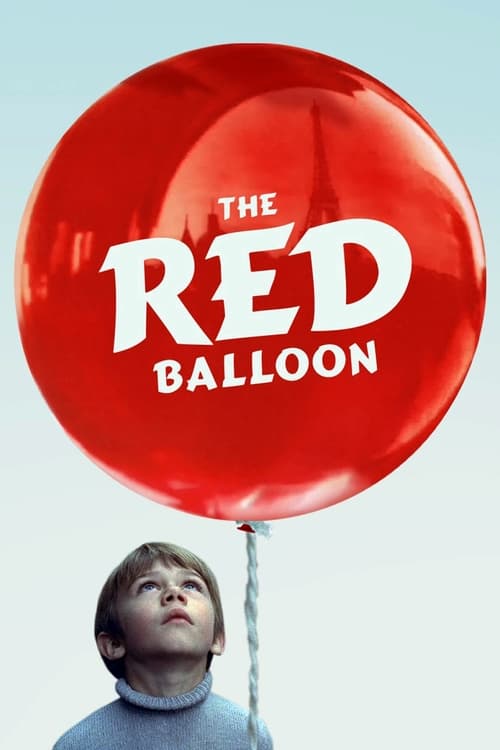
The Red Balloon (1956)
Directed by Albert Lamorisse
A young boy discovers a stray balloon, which seems to have a mind of its own, on the streets of Paris. The two become inseparable, yet the world’s harsh realities finally interfere.
5 connections found
View:
5 connections, in both directions
What critics compared The Red Balloon to



In one scene, reminiscent of “The Red Balloon,” it admires its own vulcanized countenance in a mirror.
In a scene of epically comic personification and an unsubtle nod to "The Red Balloon," the circular villain rises to life as the spectators watch from afar, then proceeds to roll through the landscape and slowly build toward its killing streak.
Rubber could have been a modest horror novelty, a wicked, malevolent version of The Red Balloon.

"Chocolat" toddles along pleasantly enough, though the best things are fleeting -- like Hallström's homage to Albert Lamorisse's classic children's short "The Red Balloon" or a whimsical glimpse of Anouk's imaginary playmate.
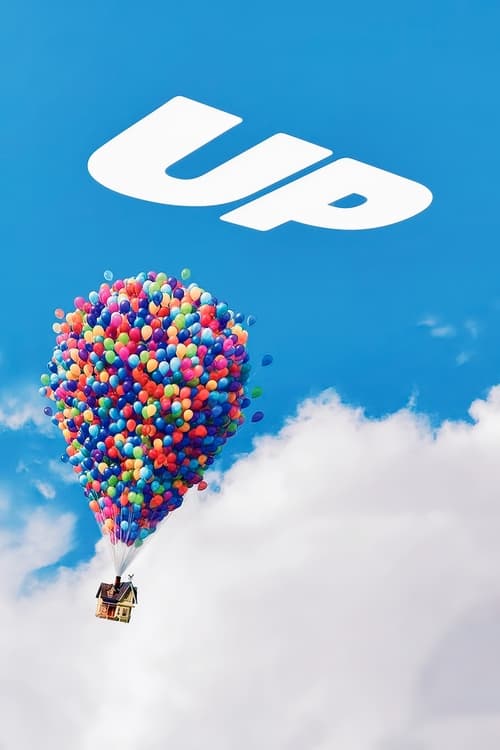
Directors Pete Docter (“Monsters, Inc.”) and Bob Peterson and their co-screenwriter Tom McCarthy brilliantly draw on such cinematic touchstones as “It’s a Wonderful Life” and “The Wizard of Oz.” They’re also inspired by less likely sources such as “Fitzcarraldo,” “The Red Balloon” and Jules Verne’s “The Lost World” — not to mention Warner Bros.’ animated Road Runner and even the logo of its archrival, DreamWorks Animation.
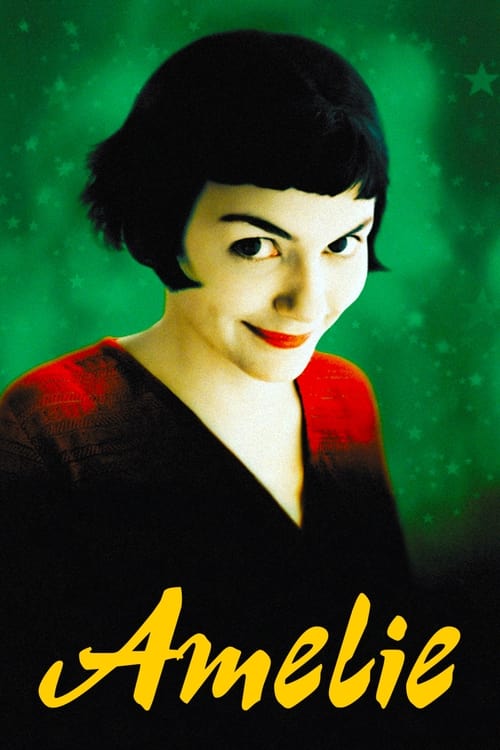
"Amelie" wafts us back to the fairytale France that once seduced international moviegoers in the days of "Le Million," "The Red Balloon" "Mon Oncle," but it also shows all the things -- some sexual, some political -- that now grace the screen since those more innocent days.
Advertisement
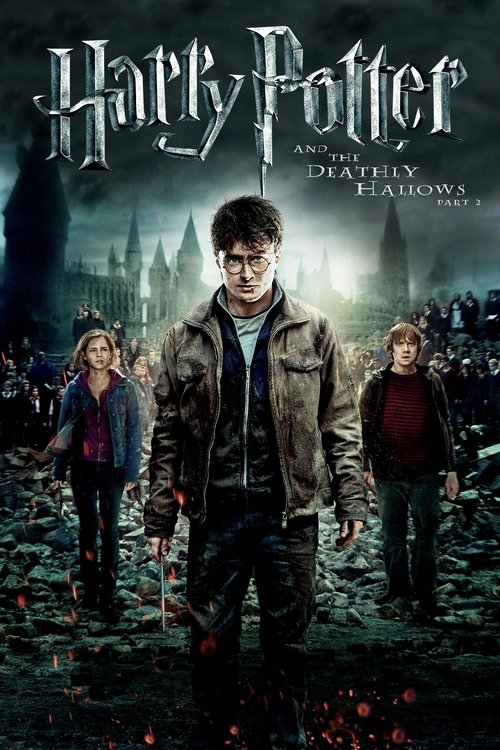
As examples of fantasy filmmaking, as opposed to relics of worship, the "Harry Potter" movies do not, except in snatches, have the lyrical wonderfulness and visionary power that I associate with the finest examples of childhood imaginings on film – the animated films of Hayao Miyazaki (" Spirited Away "), for example, or "The Black Stallion" or "The Red Balloon" or Alfonso Cuarón 's "A Little Princess."