
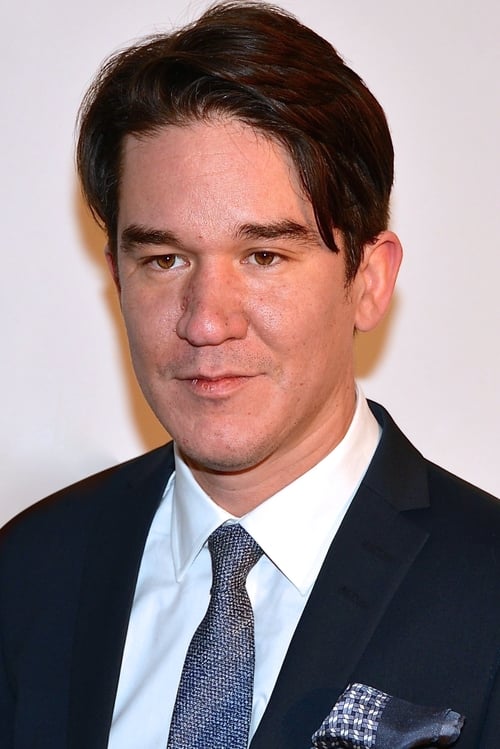
Daniel Espinosa
87 connections found
Filmography


View:
Connections, in both directions



Reynolds gets to partake in some fun bickering with his fellow crew members and his reference to Re-Animator early on is a nice nod to the film’s Lovecraftian influence.
They throw in one stray "Re-Animator" reference for geek credibility.
A genuine effort has been made to add a human dimension to the six members of the Plymouth Rock's crew (the dialogue references "Goodnight Moon" as well as "Re-Animator"), to create convincing individuals rather than space opera constructs.
Fans of “Deadpool” duo Reese and Wernick may be disappointed to find precious few genre-savvy wisecracks in the finished film (though a nerdy “Re-Animator” reference survives).
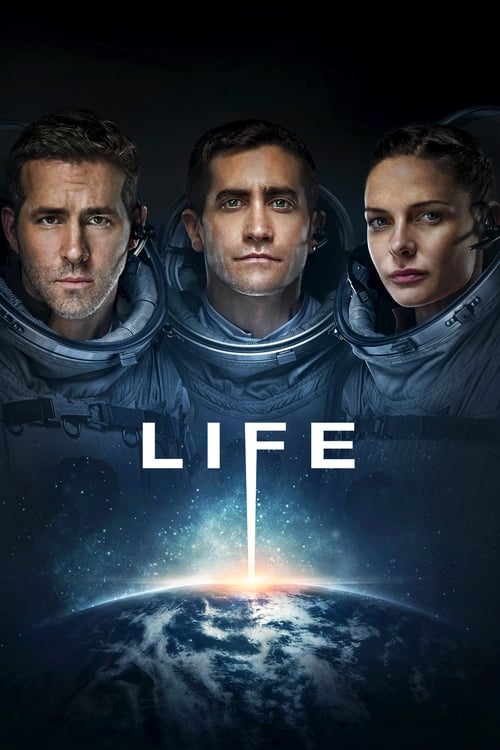
The introduction of the crew and their gumbo of accents is only slight more coherent: There’s Rebecca Ferguson (Mission: Impossible—Rogue Nation) as the no-nonsense rep from the Centers for Disease Control; Jake Gyllenhaal as the slightly depressive chief medical officer; Ryan Reynolds as (what else?) the wisecracking scientist tossing off Re-Animator references; Ariyon Bakare (Jupiter Ascending) as the ship’s exobiologist with withered CG legs (which seems like a very pricey method of character building); Russian actress Olga Dihovichnaya as a Boris-and-Natasha-sounding cosmonaut; and Hiroyuki Sanada (The Wolverine) as a Japanese engineer and proud father of a newborn back on Earth.
The time is somewhere in the near future — near enough that the crew makes jokes about the 1985 cult horror film “Re-Animator” and ABC-TV’s David Muir hasn’t aged a day, appearing to still be a network-news anchor.
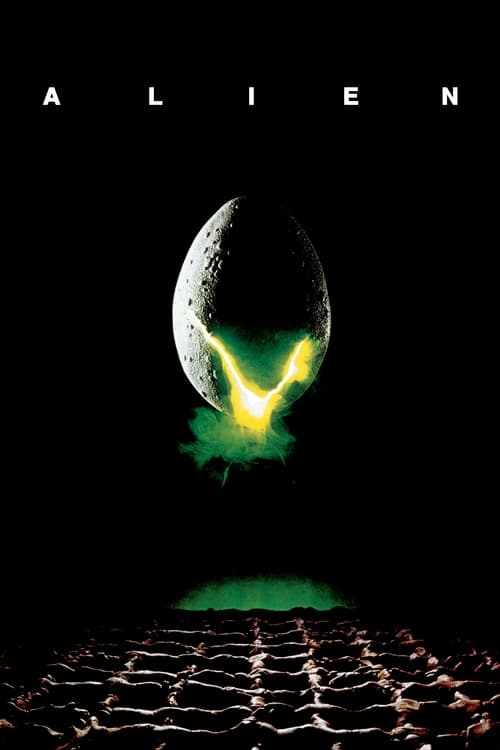
"Life" is destined to be eternally compared to Ridley Scott's 1979 space-set, face-hugging horror classic "Alien," and the parallels between them are decidedly apt.
Life’s shapeshifting monster owes a debt to Ridley Scott’s Alien — what self-respecting sci-fi creature feature doesn’t — but as is the case with the best tributes, director Daniel Espinosa and his team steal rather than borrow.
The claustrophobic International Space Station setting is immediately reminiscent of Alien, its plot verges closer and closer to Gravity as it continues, while the patter between its characters and use of scientific jargon recalls The Martian.
And while it shares more than a few commonalities with Ridley Scott’s seminal Alien, director Daniel Espinosa’s thriller gives audiences a seriously cool monster and a sinister twist on a survival-of-the-fittest theme.
How do you pay tribute to Ridley Scott’s sci-fi horror classic “Alien” while breathing fresh air into a long-collapsed narrative lung?
Alien’s infamous John Hurt chest-eruption scene is matched for gruesome relish if not shock value by a sequence in which the creature force-feeds itself to a key character.
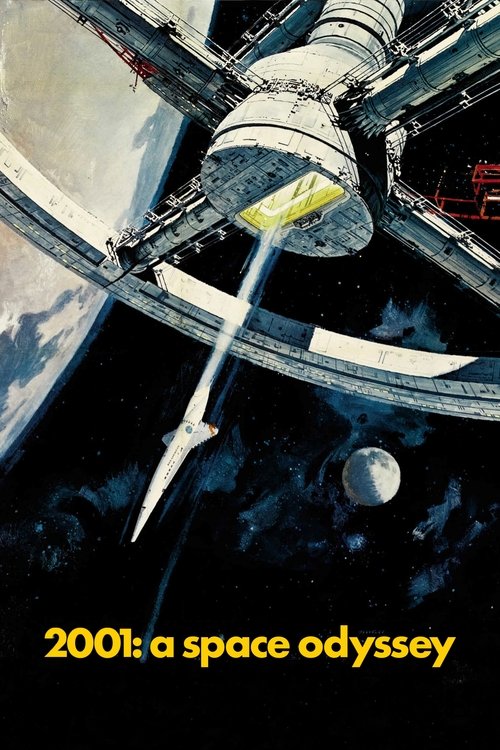
2001: A Space Odyssey (1968)
Directed by Stanley Kubrick
influenced Life (2017)
Music Visuals Themes
During the chaotic finale, the music shifts into an ironic waltz — a welcome nod to “2001: A Space Odyssey” — that plays against the destruction with wonderfully cinematic results.
The design and realism of the ISS is impressive and meticulous, with space travel shown as not quite the graceful ballet Stanley Kubrick’s 2001: A Space Odyssey would have us believe.
We see it abstractly in Stanley Kubrick’s 2001: A Space Odyssey (1968), in which humanity evolves as a result of alien encounter, and obliquely in Steven Spielberg’s Close Encounters of the Third Kind (1977), which celebrates the ability of human and aliens to communicate.
In kicking their film off with the kind of stateliness that suggests prestige sci-fi (“2001: A Space Odyssey”), Espinosa and his writers’ eventual creature feature stands no chance.
In the span of films that followed La Voyage dans la Lune into space – including everything from 2001: A Space Odyssey, Solaris and its remake, and the Aliens franchise, to Sunshine, Moon and Gravity – the scenarios may change, but people coping with life and death as they either look down on the planet below or gaze upon black, star-spotted vistas stays the same.
From there the gratuitous quotations of brilliant movies like 2001: A Space Odyssey begin to feel less clever and more cruel, reminders of the better versions of this story that already exist.
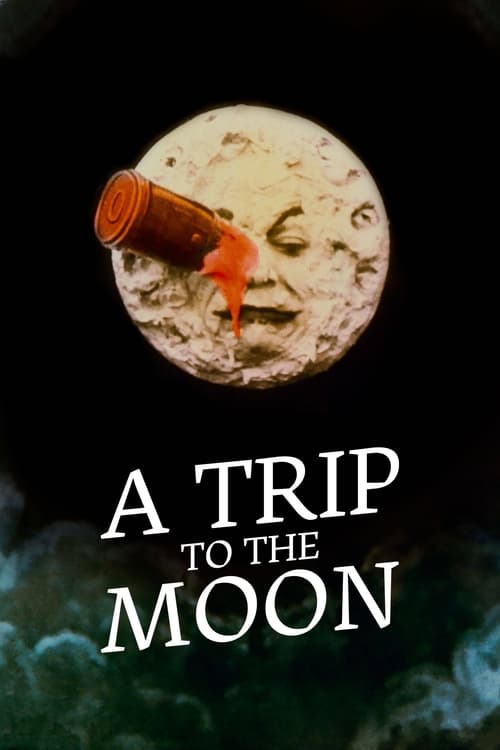
Throughout the history of science fiction movies, starting with Georges Méliès’s A Trip to the Moon (1902), there have generally been two varieties of storylines involving humankind coming into contact with aliens.
One could argue that its an ancient plot that long predates Alien, going as far back as Georges Melies’ A Trip To the Moon (1902), which saw a crew travel into space and then fight aliens.
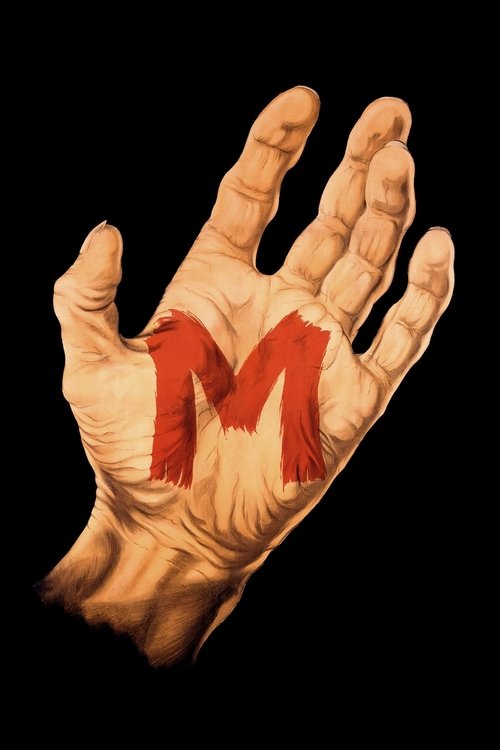
But wait: there’s also some guy going around murdering kids — someone we hear but don’t see, in a clumsy nod to the way Peter Lorre’s child killer is introduced in Fritz Lang’s “M.” “Child 44” means to fuse these two plots while, on top of this, hanging the Stalin-era, exposing it as the barely concealed hell that it was.
With the murders piling up in the background, it might have been amusing to invite audiences to speculate as to who’s responsible, though the killer’s identity has been changed from Smith’s novel to a seriously disturbed side character, at first depicted a la Fritz Lang’s “M,” as the shadowy figure entices unsuspecting children.
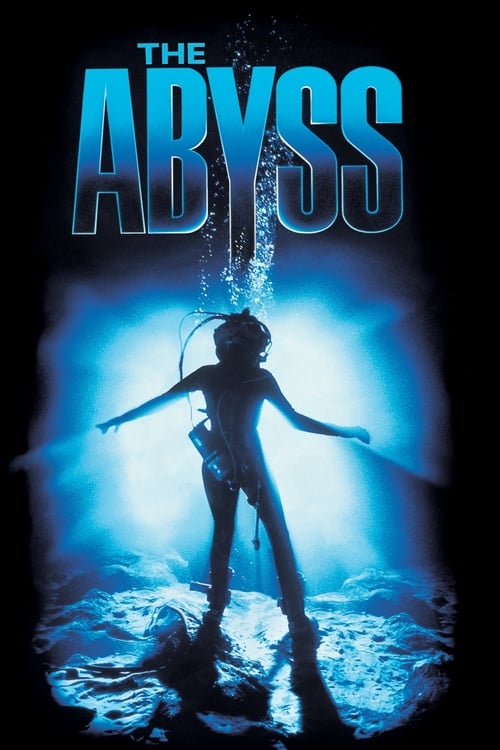
We can see this in Robert Wise’s The Day the Earth Stood Still (1951), whose basic premise of peaceful aliens warning us about our inevitable self-destruction was borrowed by James Cameron in The Abyss (1989).
The alien grows with each ingestion of, well, life, and soon comes to resemble a fleshy, translucent mix between the aquatic angels of James Cameron’s The Abyss and the re-animated colon and kidneys from Peter Jackson’s Dead Alive .
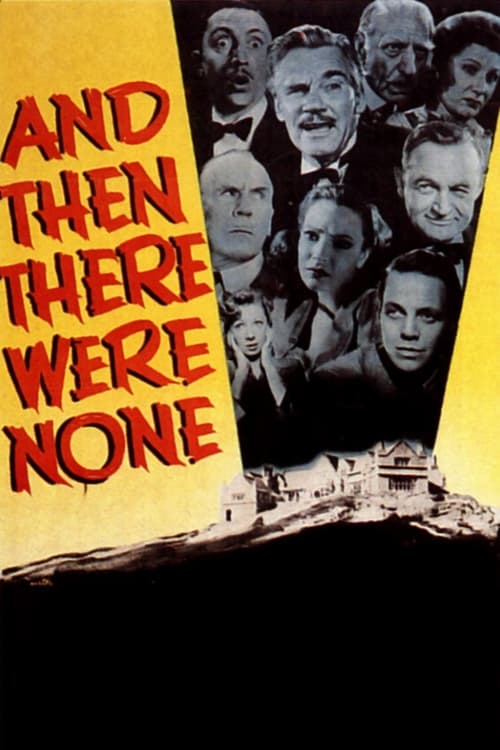
They all pretty much exploit the basic idea of a monster on the loose in confined quarters, and they’re all spins on Agatha Christie’s classic mystery And Then There Were None.
As it grows in size, it becomes increasingly voracious, and the plot morphs into a science-fiction version of “And Then There Were None.”
It’s not giving anything away to say that from this point on, Life is basically a zero-gravity bodycount flick — And Then There Were None in space.
For as much as it gussies up its primal scenario with lots of NASA verisimilitude and techno babble, Life doesn’t have much more on its lizard brain than another deep-space round of And Then There Were None.
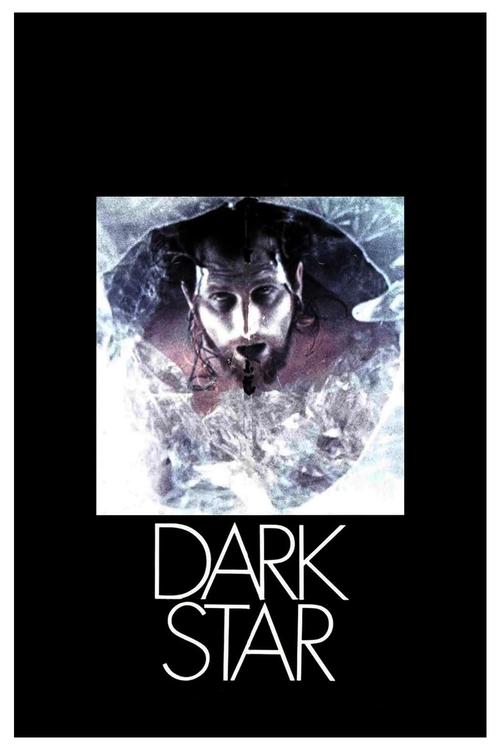
Look out too for a nice reference to John Carpenter's Dark Star in Jake Gyllenhaal's character.

The claustrophobic International Space Station setting is immediately reminiscent of Alien, its plot verges closer and closer to Gravity as it continues, while the patter between its characters and use of scientific jargon recalls The Martian.
But this movie is in desperate need for its version of Matt Damon in “The Martian” using science to fight back against the threat.
While certainly not beholden to thieving outright from just Scott’s groundbreaking film — it also liberally adopts elements of Gravity, Event Horizon and and The Martian also by Ridley Scott — the projector could alternate reels mid-film and you probably wouldn’t lose your way.
This will look great on our resumes after Gravity (2013) and The Martian (2015) they thought.
Like "The Martian," "Passengers" and "Arrival," everything from the story to the effects and dialogue flies in the face of genre cliches.
The Martian and Interstellar doubled as works of pro-science advocacy, and while that’s a very honorable aim, it has started to feel obligatory.
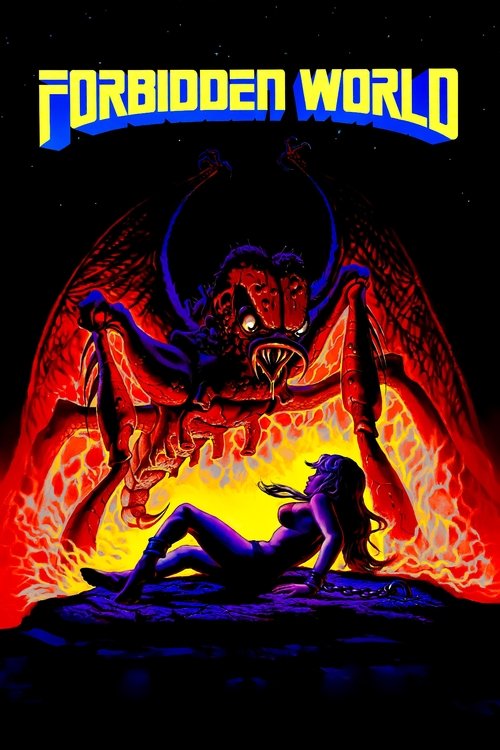
These included B.D. Clark’s Galaxy of Terror (1981), which managed to combine the horrors of Alien with the Freudian notion of projected fears taking on their own physical existence from Forbidden Planet (1956), and Allan Holzman’s Forbidden World (aka Mutant) (1982), with its gooey human-alien genetic experiment gone bad.
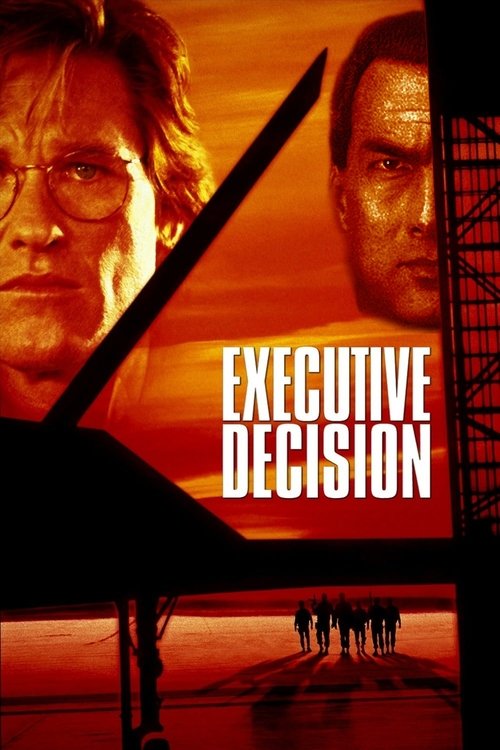
One of the bigger-name crew members does get to play (spoiler alert, sort of) a reprise of the Steven Seagal role in “ Executive Decision .”
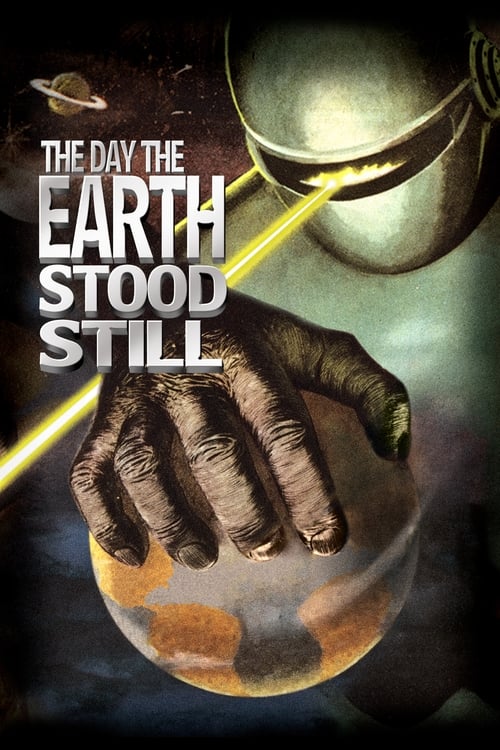
We can see this in Robert Wise’s The Day the Earth Stood Still (1951), whose basic premise of peaceful aliens warning us about our inevitable self-destruction was borrowed by James Cameron in The Abyss (1989).
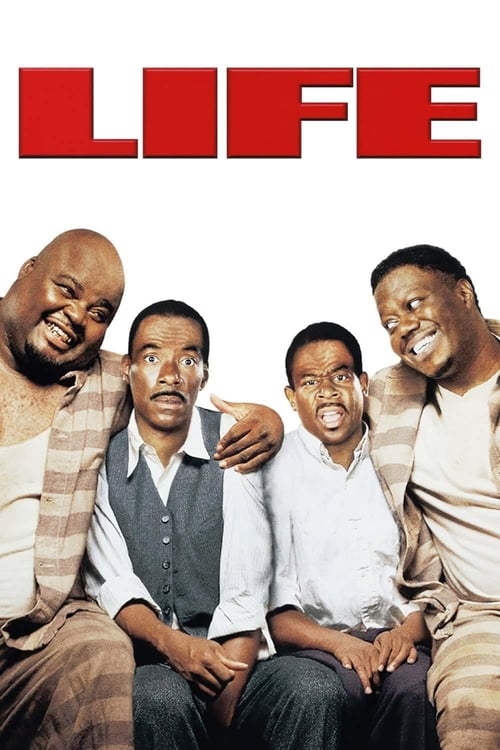
"Life" is a questionable title that doesn't chill one to the bone so much as remind of the mediocre 1999 prison dramedy starring Eddie Murphy and Martin Lawrence.
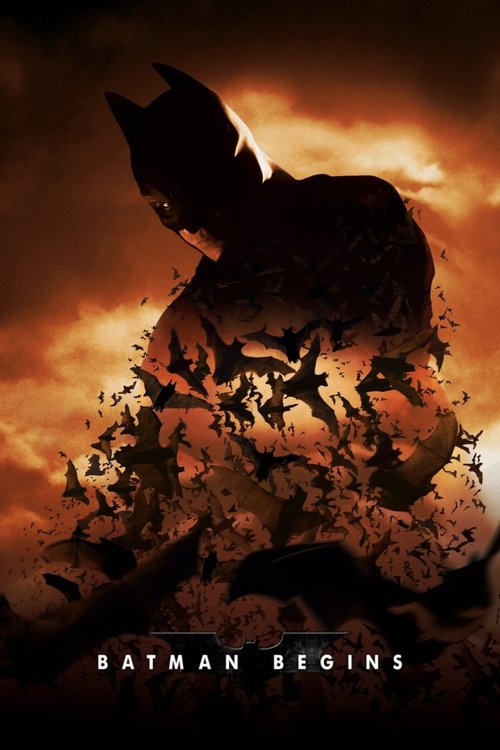
However, he does a great job of showcasing who Morbius is and what his powers are going to be, reminding me of that 2005 film “Batman Begins.”
The scene where Michael mingles with the bats feels like a steal from “Batman Begins” when Bruce Wayne, as an adult, rises amongst the winged creatures to confront his own childhood fears.
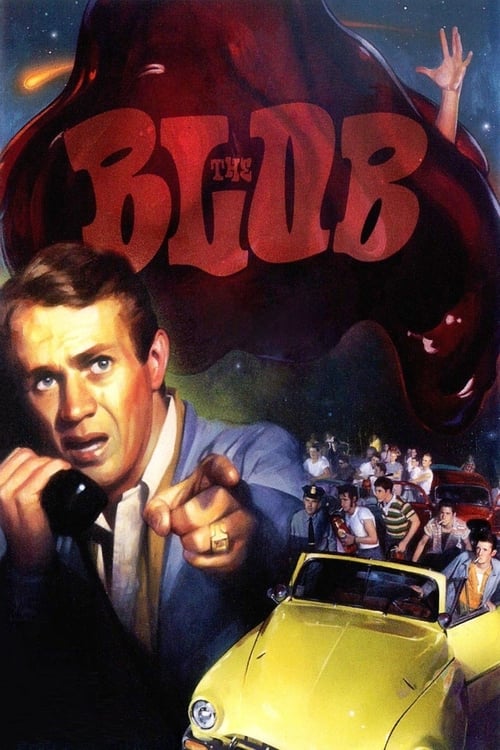
AMORPHOUS extraterrestrial aggressors have come a long way since The Blob (1958).
So, as the viewer quickly discovers, life on Mars was probably a total shit show, because this globular nasty—a distant cousin of Steve McQueen’s The Blob—digs on killing everything in its path.
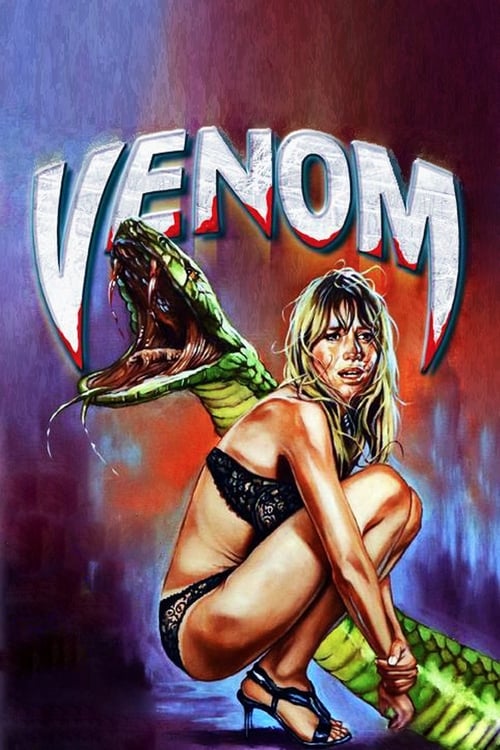
They’re talking about the incoming Spider-Man spin-off, but, having sat through their new space opera, we could have sworn they were talking about Venom , the 1981 Alien knock-off, featuring a black mamba in lieu of Alien’s tentacled genital-faced extra-terrestrials.
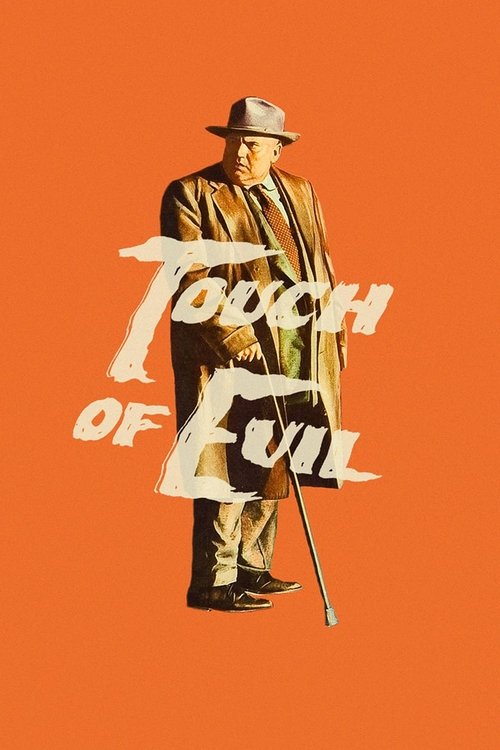
Cinematographer Seamus McGarvey uses it to the full, toward the start in a long, intricate tracking shot that mimics Orson Welles’ classic “Touch of Evil” opening (though, it must be said, without the same frisson—a copy never matches the original).
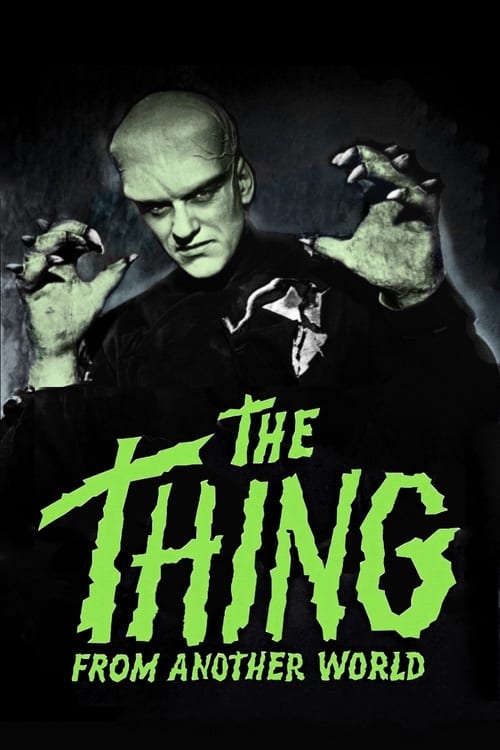
(There’s even a bit derived from “The Thing From Another World” in which one ill-advised character contemplates Calvin’s scientific awesomeness.)
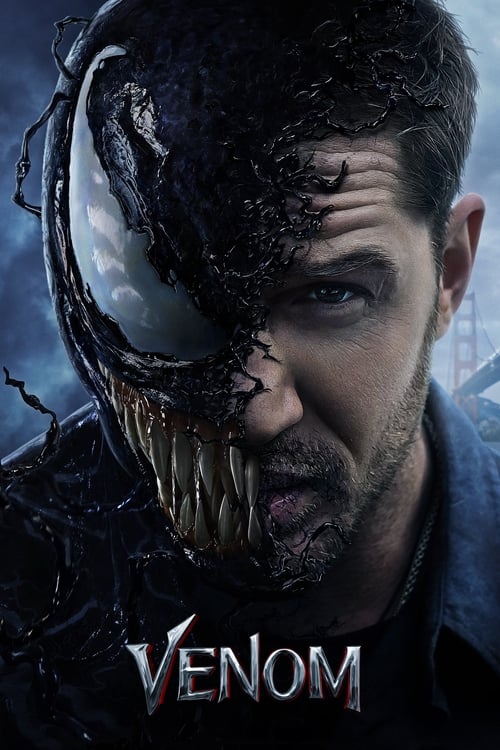
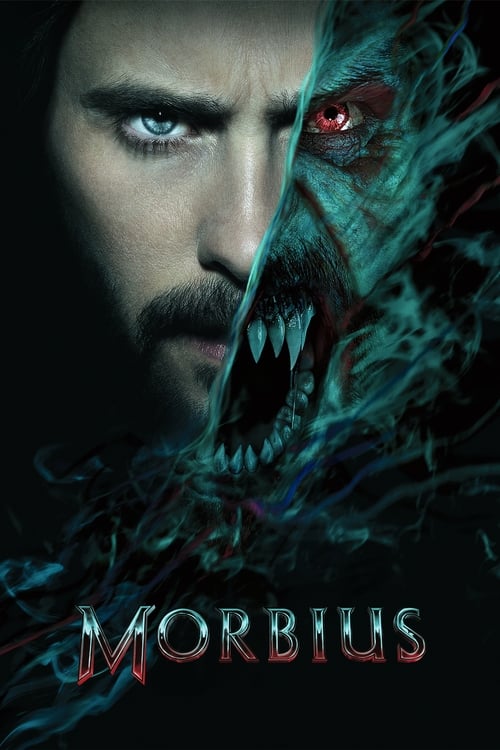
Based on the Marvel Comics character Morbius the Living Vampire, the horror-based rogue was originally a foe of Blade and Spider-Man, but throughout comic book history has been known to switch allegiances between tragically flawed antihero to a villain – which on paper, mirrors Tom Hardy’s Venom nicely.
“Morbius” serves as another of Sony’s cinematic adventures after 2018’s “Venom,” following in the footsteps of the Marvel Cinematic Universe.
But while Morbius is set up as a horror-thriller in the mold of Hollow Man or The Fly, it sharply pivots: this bloodthirsty monster who has just eviscerated ten men on screen is no threat but the heroic new face of Sony’s Spider-Man-less superhero movies, soon to hook up with Tom Hardy’s Venom.
I was hoping something would work as well as the Eddie/Venom relationship, but there was nothing there.
Un universo introdotto nel 2018 da Venom, ripreso tre anni dopo nel suo sequel Venom – La furia di Carnage, e che ora trova un ulteriore sviluppo in questo Morbius.
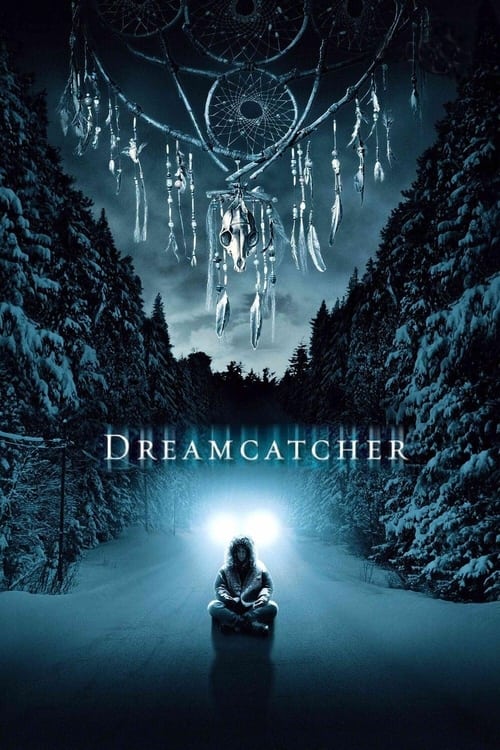
This all adds up to a monster movie reminiscent of poorly received Stephen King adaptation “Dreamcatcher,” only not as endearingly convoluted and not half as fun; a redo of “Alien” with a mean reductive streak.