
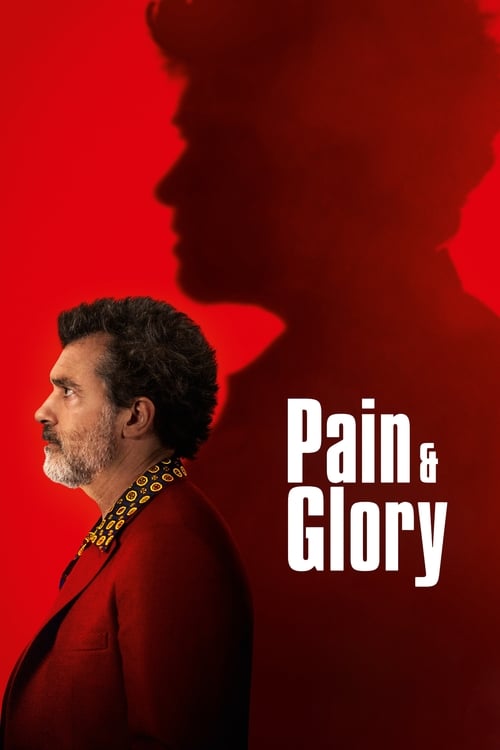
Pain and Glory (2019)
Directed by Pedro Almodóvar
Salvador Mallo, a filmmaker in the twilight of his career, remembers his life: his mother, his lovers, the actors he worked with. The sixties in a small village in Valencia, the eighties in Madrid, the present, when he feels an immeasurable emptiness, facing his mortality, the incapability of continuing filming, the impossibility of separating creation from his own life. The need of narrating his past can be his salvation.
3 connections found
View:
3 connections, in both directions
What critics compared Pain and Glory to
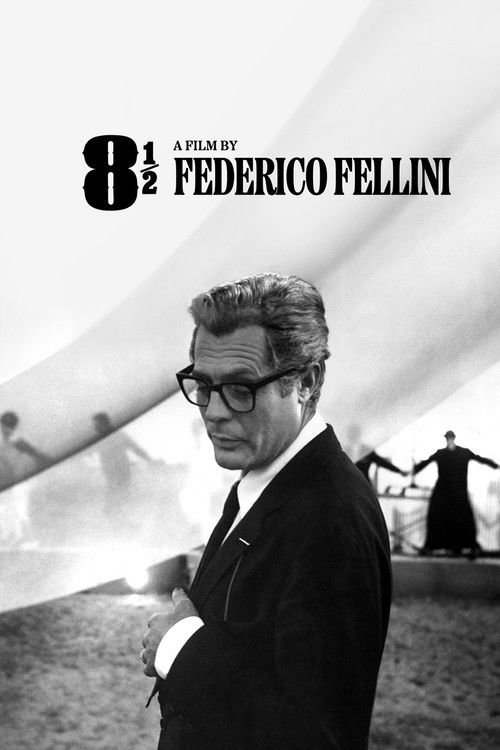


In structuring the picture around the reminiscences of Salvador Mallo (Antonio Banderas), who worries that he may never shoot another movie, Almodóvar invites us to consider Pain and Glory as his own version of Fellini’s 8½ .
Like Marcello Mastroianni in Fellini’s 8½ , Banderas’s Salvador Mallo is an autofictional director in crisis.
In this sense, the movie I thought about most while watching Pain and Glory, even more than 8½ —an obvious reference underlined by the poster of Fellini’s film hanging in the office of Salvador’s personal assistant—was Nanni Moretti’s masterful Mia madre.
The filmmaker in Fellini’s “8½” (1963) was professionally thwarted, too, but his problem was mental blockage and carnal fatigue, whereas poor Salvador has fused vertebrae (surely a better excuse).
It is more than Pedro Almodovar’s 8½ …it’s his Pain and Glory .
Rather than incorporating the melodrama many of his most polarizing films have featured, this comparatively low-brow story, rich with bittersweet humor and heart, seems only interested in honoring its form; similar to Federico Fellini’s own filmmaker chronicle 8½ (1963).
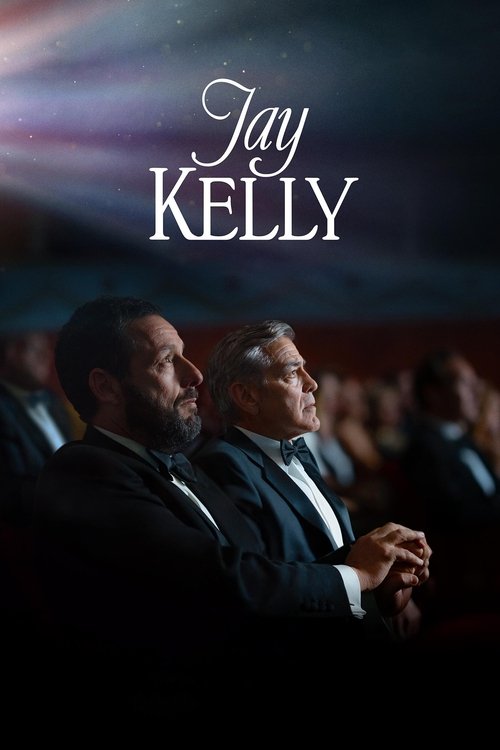
What these films, and other noteworthy examples like Stardust Memories and Pain and Glory, have in common is the sincerity and honesty that lies beneath the fiction, taken from real emotions and experiences.
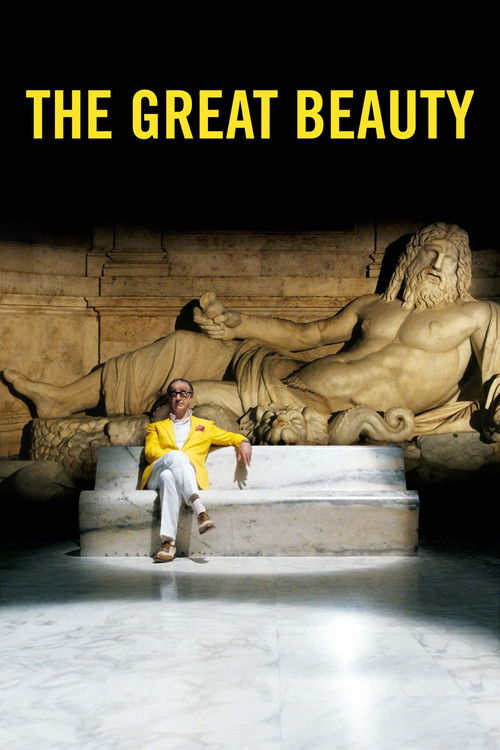
Like the reflective writer in “The Great Beauty,” Mallo is at middle age looking back.