
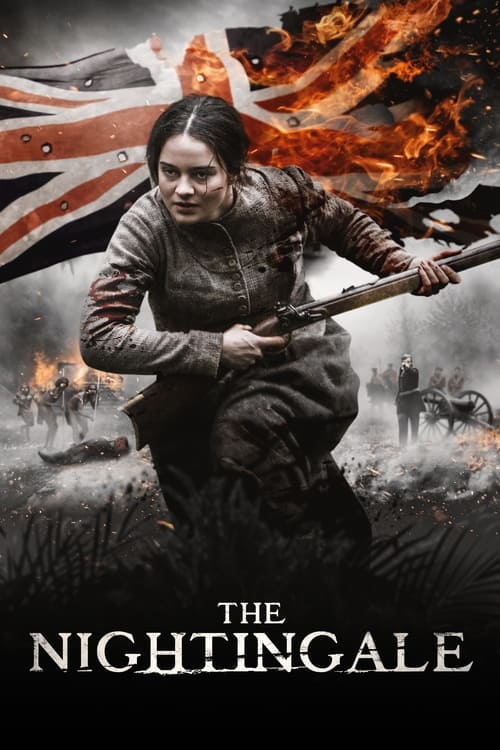
The Nightingale (2018)
Directed by Jennifer Kent
In 1825, Clare, a 21-year-old Irish convict, chases a British soldier through the rugged Tasmanian wilderness, bent on revenge for a terrible act of violence he committed against her family. She enlists the services of an Aboriginal tracker who is also marked by trauma from his own violence-filled past.
6 connections found
View:
6 films that influenced The Nightingale
What critics say influenced The Nightingale
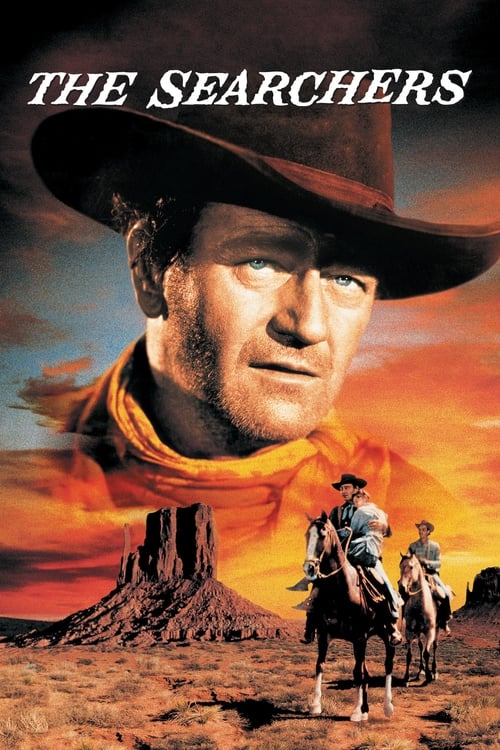


But The Nightingale, whose arguably feminist reinvention of the genre culminates with an image lifted straight from The Searchers, is doing something maybe even more philosophically sophisticated: It acknowledges that killing will haunt you, maybe ruin you even, while also wondering aloud if there’s some evil so deep and oppressive and destructive it must be met with violence.
“The Nightingale” bears echoes of other films of struggle in untamed lands: the fervent anti-Australian colonialism of “The Chant of Jimmie Blacksmith,” in which a young 19th-century Aboriginal man goes on a revenge-fueled killing spree; the tracking narrative of “The Searchers,” the stormy male-female bonding of “True Grit,” and the rage-filled survivor’s story of “The Revenant” (though we can be thankful there are no bears in Tasmania).
Despite the best efforts from ace cinematographer Radek Ladczuk, who makes this a visually stunning film, especially influenced by American Westerns, especially John Ford’s “The Searchers,” the showy naturalism and dreamy sequences ring false.
People are going to argue up and down about whether the extremes Kent goes to were really needed, but her film is evocative of other, similarly themed movies like The Searchers or Come and See in its depiction of vengeance's depressingly widening gyre.
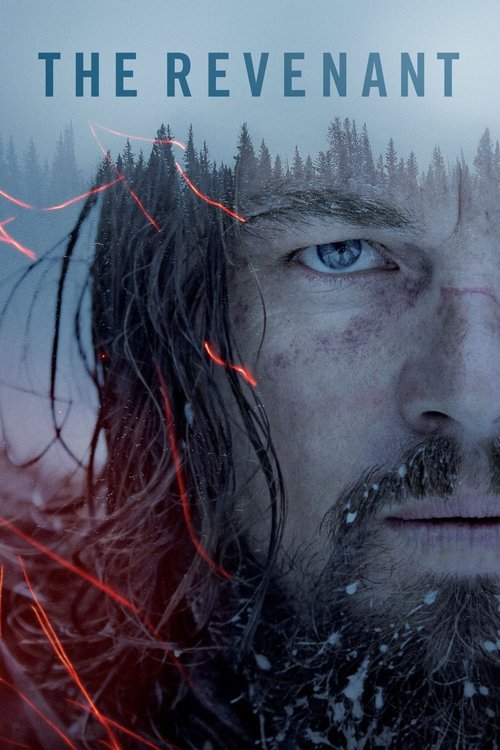
The Nightingale is 100% a revenge drama, probably best compared to The Revenant (but less boring, with more point, more cultural sensitivity to indigenous people and better shot scenery) where the anger of one woman drives both the action and the lead herself through threatening environments, injuries, grief and, most importantly, her own bigotry, to bring the man who destroyed her world to justice.
In many ways, The Nightingale feels like a combination of the rape-and-revenge exploitation horror film I Spit on Your Grave crossed with Jim Jarmusch’s anti-Western Dead Man, with a little of The Revenant thrown in for good measure.
While The Nightingale functions quite fantastically as a pitiless revenge thriller – one that unavoidably recalls the hell-and-back intensity of Alejandro González Iñárritu’s The Revenant (2015), absent that film’s fable-like qualities – Kent is ultimately up to something more akin to the meditations on violence and vengeance in The Great Silence (1968), Unforgiven (1992) and True Grit (2010).
“The Nightingale” bears echoes of other films of struggle in untamed lands: the fervent anti-Australian colonialism of “The Chant of Jimmie Blacksmith,” in which a young 19th-century Aboriginal man goes on a revenge-fueled killing spree; the tracking narrative of “The Searchers,” the stormy male-female bonding of “True Grit,” and the rage-filled survivor’s story of “The Revenant” (though we can be thankful there are no bears in Tasmania).
They also place this picture in conversation with a long-standing Hollywood tradition of revenge-themed survival cinema: The rapport between Clare and Billy inevitably recalls “True Grit,” while the blood-and-mud realism of their struggle, punctuated by occasional flashes of nightmarish surrealism, suggests a less pretentiously inflated version of “The Revenant.”
A star has been born, giving a performance that will be compared to Leonardo DiCaprio's Oscar-winning turn in "The Revenant" but for me, was an even deeper, richer overall performance.
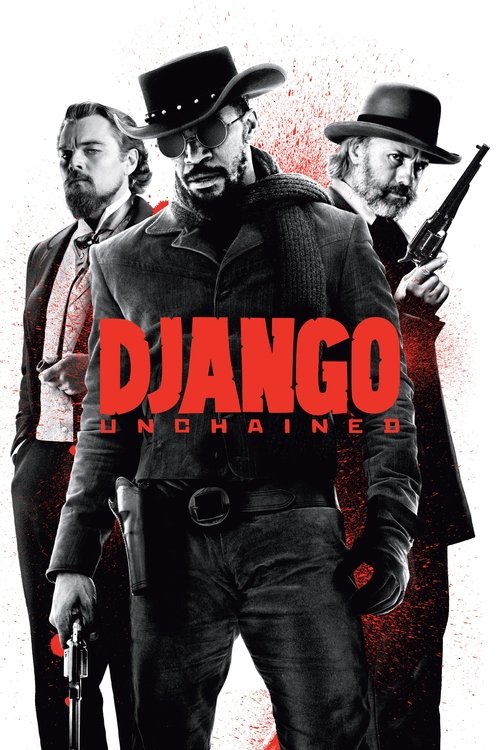
A cursory glance at the narrative threatens a revisionist history revenge movie in the same vein as Django Unchained, but Kent has no interest in providing the closure that history is unable to.
That’s because Kent places this plot in the context of a racial hellscape, similar to what Quentin Tarantino did in Django Unchained and Steve McQueen did in 12 Years a Slave .
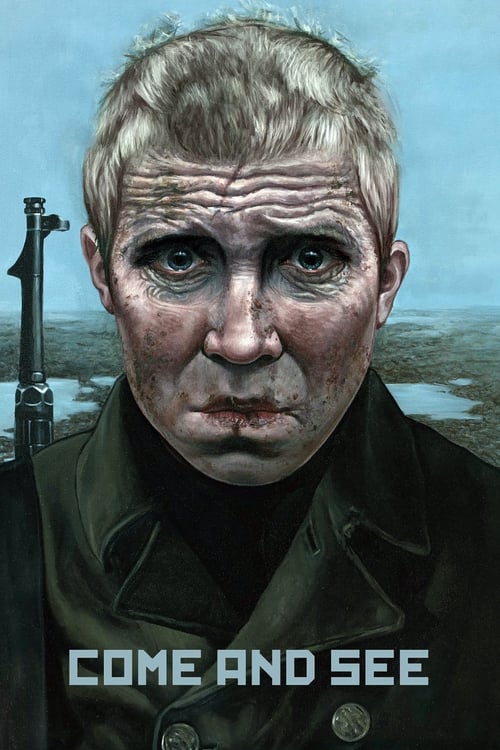
But if one can look past that — and you should feel no shame whatsoever if you can’t — The Nightingale is essentially an Aussie Come and See, in that it depicts the utter shameful terror of living under English rule in the Outback in the 19th century.
People are going to argue up and down about whether the extremes Kent goes to were really needed, but her film is evocative of other, similarly themed movies like The Searchers or Come and See in its depiction of vengeance's depressingly widening gyre.
Advertisement
Una delicatessen que, utilizando las formas del cine de terror basado en leyendas urbanas, aquel al que pertenecerían títulos como Pesadilla en Elm Street (Wes Craven, 1984) o Jeepers Creepers (Victor Salva, 2001), en realidad escondía un duro drama psicológico protagonizado por dos personajes, una madre y un hijo, emocionalmente desestabilizados.
Hay en The Nightingale algo de aquel viaje (físico e interior) del personaje de John Wayne en la desesperada búsqueda de su sobrina, prisionera de los indios, en la fundamental Centauros del desierto (John Ford, 1956), pero más hay aún de la crudeza de la más bizarra Bone Tomahawk (S.