
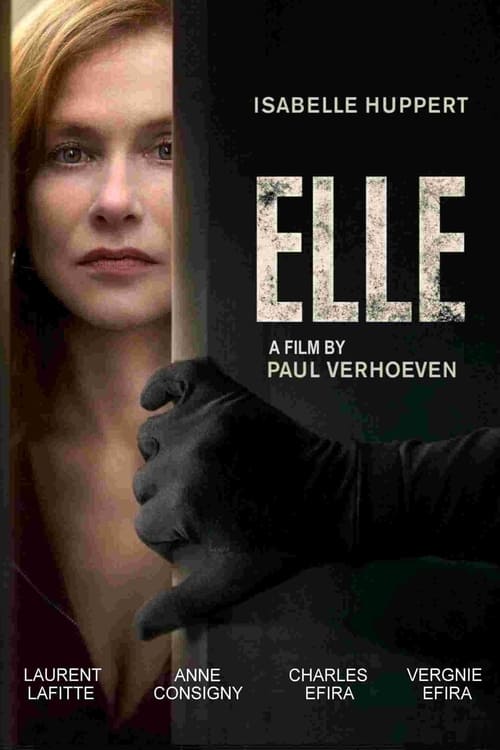
Elle (2016)
Directed by Paul Verhoeven
When Michèle, the CEO of a gaming software company, is attacked in her home by an unknown assailant, she refuses to let it alter her precisely ordered life. She manages crises involving family, all the while becoming engaged in a game of cat and mouse with her stalker.
25 connections found
View:
25 films that influenced Elle
What critics say influenced Elle

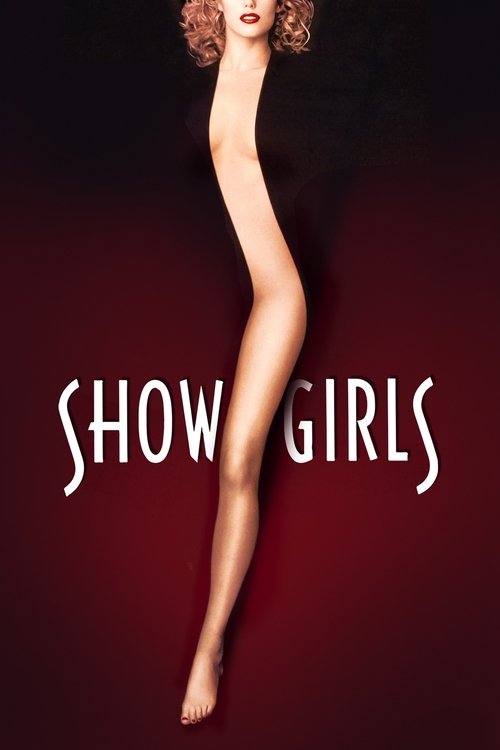


Having left the lacquered vulgarity of “Showgirls” and “Basic Instinct” far behind, Verhoeven is on maturely composed, restrained form, marshaling all the film’s cinematic elements — notably the muted, charcoal-streaked lensing of regular Jacques Audiard collaborator Stéphane Fontaine — in service of Huppert’s enthralling characterization.
The man who brought you Robocop, Starship Troopers, Black Book, and (shudder) Showgirls has a knack for latching onto a popular lurid genre, doubling down the perversion, upping the insanity, and then topping it all off with liberal doses of satirical humour to giggle about the fact that anyone ever takes this sort of thing seriously.
Ningún crítico medianamente serio debería confesar algo así, pero desde que supe que Paul Verhoeven es el único director que de hecho asistió a la gala para recoger su premio Razzie al Peor Director (Showgirls), creo que algo cambió sustancialmente en mi forma de leer sus películas.
Nadie hubiese podido prever que ese cineasta acabaría integrado en la maquinaria de Hollywood sin comprometer su abrasiva identidad: Desafío total (1990), Showgirls (1995) y Starship Troopers (1997) son perdurables testimonios de disfuncionalidad en el contexto del cine de consumo.
Elle — which is directed by returnee from Hollywood Paul Verhoeven (of Total Recall, Showgirls and, more recently, Black Book) — is essentially a startlingly enjoyable character study with an extraordinarily difficult starting point.
But we are after all dealing with the director behind such subversive classics as Basic Instinct and Showgirls — both of them powerful women’s movies, despite what the naysayers may claim — so the bar in terms of sophistication and chic is not necessarily all that high.

Having left the lacquered vulgarity of “Showgirls” and “Basic Instinct” far behind, Verhoeven is on maturely composed, restrained form, marshaling all the film’s cinematic elements — notably the muted, charcoal-streaked lensing of regular Jacques Audiard collaborator Stéphane Fontaine — in service of Huppert’s enthralling characterization.
But we are after all dealing with the director behind such subversive classics as Basic Instinct and Showgirls — both of them powerful women’s movies, despite what the naysayers may claim — so the bar in terms of sophistication and chic is not necessarily all that high.
Paul Verhoeven, master of the guilty pleasure, gave us RoboCop, Total Recall, Basic Instinct and, uh, Showgirls.
But Huppert's rigorous face keeps us from discrediting the satisfactions of witnessing feminine power as a cheap indulgence, as was the case with Sharon Stone's Catherine Tramell in 1992's Basic Instinct.
The director’s first major film in 10 years is as sensational a crime drama as you’d expect from the director of Basic Instinct and Showgirls, a cutting psychological study anchored by ugly, explicit rape scenes.
Directed by Paul Verhoeven , “Elle” melds together two artistic worlds, the highly sexualized and rich atmospherics we know to expect from Verhoeven (“ Basic Instinct ”) and the deadpan perversity of Huppert.
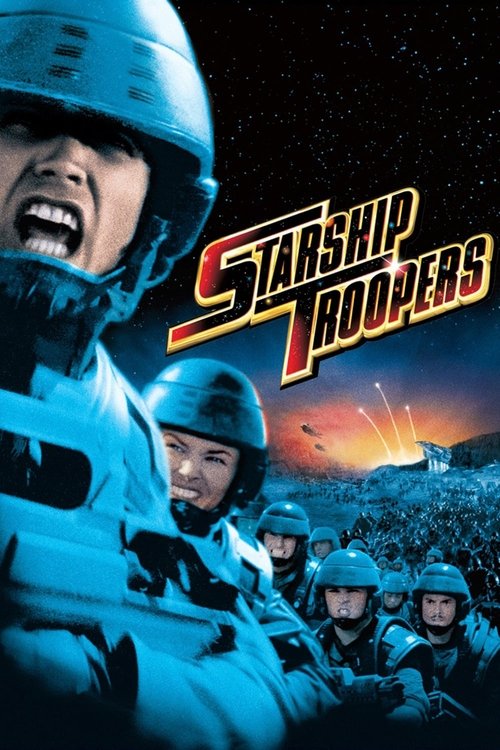
The man who brought you Robocop, Starship Troopers, Black Book, and (shudder) Showgirls has a knack for latching onto a popular lurid genre, doubling down the perversion, upping the insanity, and then topping it all off with liberal doses of satirical humour to giggle about the fact that anyone ever takes this sort of thing seriously.
Nadie hubiese podido prever que ese cineasta acabaría integrado en la maquinaria de Hollywood sin comprometer su abrasiva identidad: Desafío total (1990), Showgirls (1995) y Starship Troopers (1997) son perdurables testimonios de disfuncionalidad en el contexto del cine de consumo.
The director of such instant classics as “ Starship Troopers ” and “ Black Book ” uses Philippe Djian ’s novel “Oh…” as a launching pad for an erotic suspense thriller packed with thematic material regarding the thin line between sociopathic and psychopathic behavior.
Verhoeven displayed a knack for transgressive humor in early Dutch-language features like 1980's Spetters, and that strain continued throughout his work in Hollywood, whether in sci-fi actioners like Robocop and Starship Troopers or the aforementioned Basic Instinct and Showgirls — which, like Elle, are about women who grab life by the cojones (sometimes quite literally) and don’t let go until they squeeze all they can out of it.
(He was pushing hot buttons like a mad genius even in his Hollywood blockbusters, Starship Troopers and Robocop .)
The latest effort from RoboCop, Showgirls and Starship Troopers director Paul Verhoeven, Elle is a rape-revenge film — or a rape-anti-revenge film, perhaps.
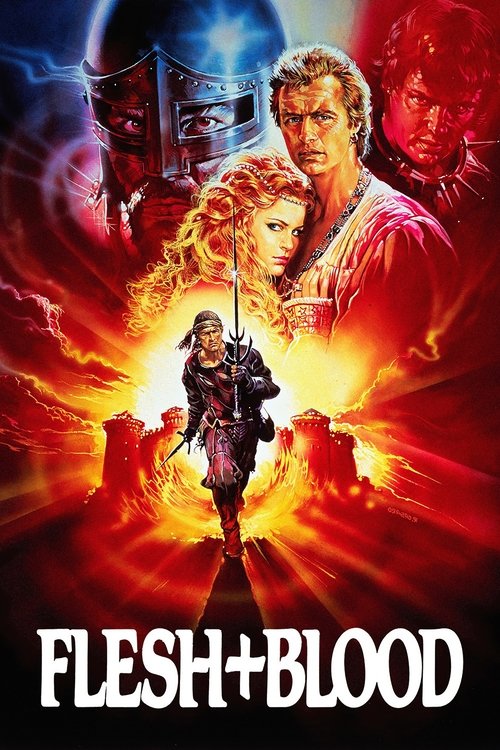
Typically, Verhoeven has indulged in excesses: the gore of “RoboCop” and “Total Recall” and “Starship Troopers”; the medieval grime and muck of “Flesh+Blood”; the sex of “Basic Instinct” and “Showgirls.”
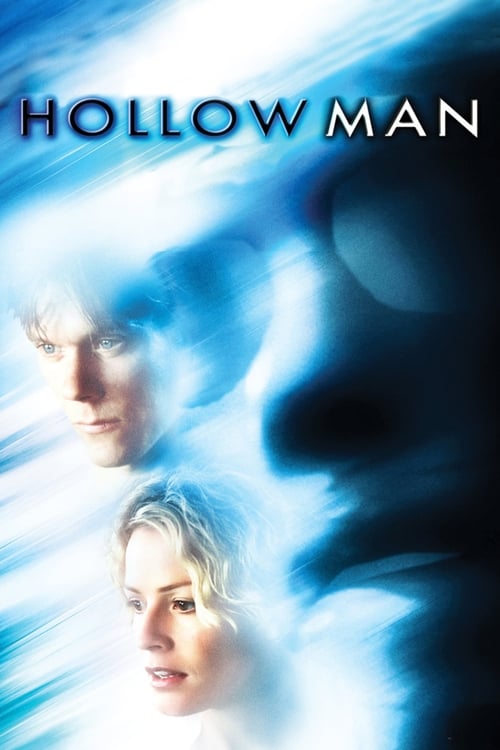
(Even Hollow Man, the Dutch director’s weakest project, had a main character who pervs out immediately upon receiving superpowers.)
While in the U.S., he found success in over-the-top sci-fi flicks (Robocop, 1987; Total Recall, 1990; Starship Troopers, 1997; Hollow Man, 2000) and the intensely provocative frolics (at least by 1992 standards) of Basic Instinct.
Following 2000’s Hollow Man , he quit the studio system and returned to Europe where he could make the kinds of films he wanted to make.
Director Paul Verhoeven, who had quite the execrable run in the late 1990s with Showgirls, Starship Troopers, and Hollow Man, wanted to make Elle—which was adapted from a French novel that’s set in Paris—in the U.S.
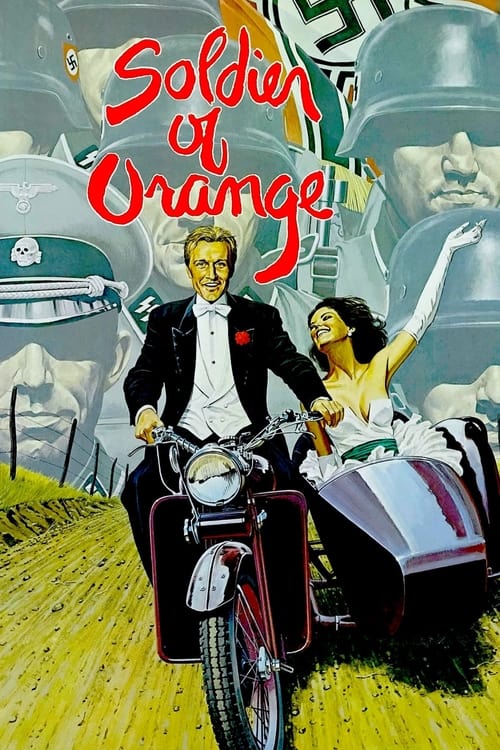
He is both a provocateur and a gonzo craftsman; from Dutch successes ( Soldier Of Orange , The Fourth Man ) to Hollywood sci-fi blockbusters (RoboCop, Total Recall, Starship Troopers ), the director has found a way to merge dark satirical wit with a taste for excesses of sex and violence.
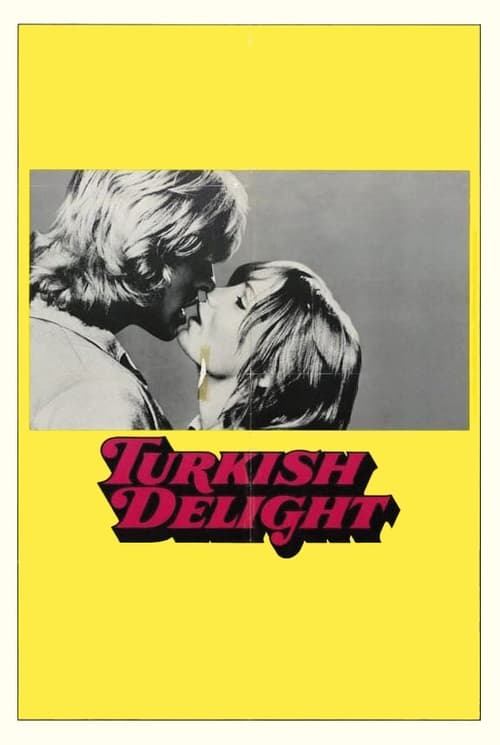
This is a man who, in “Turkish Delight,” had his sociopathic stud hero surreptitiously scissor off a random hook-up’s bush then wear the clump like a mustache.
But Verhoeven has also made some brilliant, aggressive satire (RoboCop and Starship Troopers), as well as one of the most tender, hippie love stories you'll ever see (Turkish Delight).
Indiewire’s brilliant Eric Kohn positions Elle as closest in form to Verhoeven’s 1973 film Turkish Delight.

But he is, after all, the guy behind The 4th Man and Basic Instinct.
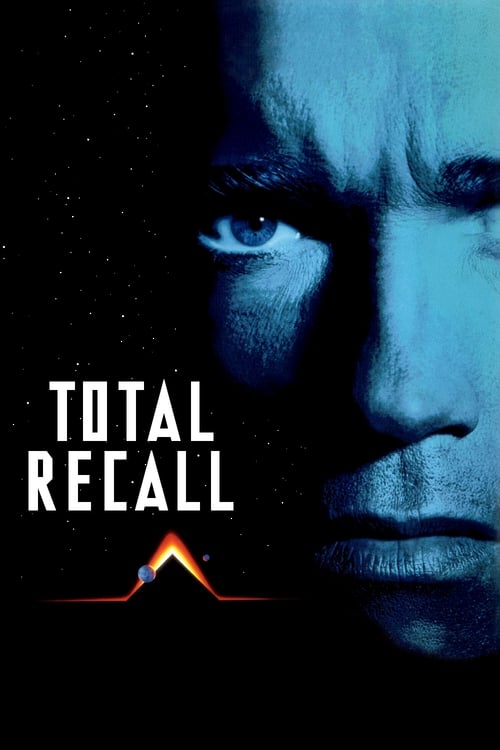
Elle — which is directed by returnee from Hollywood Paul Verhoeven (of Total Recall, Showgirls and, more recently, Black Book) — is essentially a startlingly enjoyable character study with an extraordinarily difficult starting point.
Paul Verhoeven, master of the guilty pleasure, gave us RoboCop, Total Recall, Basic Instinct and, uh, Showgirls.
After all, Dutch international exciter Verhoeven created such hectic entertainments as Basic Instinct, Starship Troopers, RoboCop, and Total Recall, in a filmography devoted to war, criminality, and routine depravity.
Best known in Hollywood for the fascistic sci-fi ultraviolence of RoboCop (1987), Total Recall (1990) and Starship Troopers (1997), and the erotic psychodrama of Basic Instinct (1992) and Showgirls (1995), here Verhoeven parodies the muted palette and lush orchestral soundtrack of European cinema.
Verhoeven, 78, whose films include Basic Instinct and Showgirls (along with Total Recall, Starship Troopers, and RoboCop), was once a favorite target for critics who argued that his female characters didn’t represent feminist independence, but embodied male fantasies.
Como el resto de la filmografía de Paul Verhoeven —que incluye RoboCop (1987), El vengador del futuro (Total Recall, 1990) y Bajos instintos (Basic Instinct, 1992)—, Elle es una seria provocación al statu quo, y quizá la más grande sátira del director holandés.
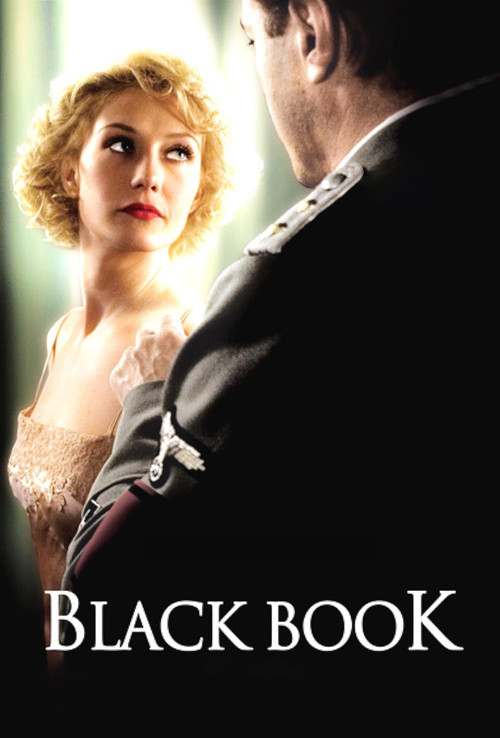
The man who brought you Robocop, Starship Troopers, Black Book, and (shudder) Showgirls has a knack for latching onto a popular lurid genre, doubling down the perversion, upping the insanity, and then topping it all off with liberal doses of satirical humour to giggle about the fact that anyone ever takes this sort of thing seriously.
Elle — which is directed by returnee from Hollywood Paul Verhoeven (of Total Recall, Showgirls and, more recently, Black Book) — is essentially a startlingly enjoyable character study with an extraordinarily difficult starting point.
The director of such instant classics as “ Starship Troopers ” and “ Black Book ” uses Philippe Djian ’s novel “Oh…” as a launching pad for an erotic suspense thriller packed with thematic material regarding the thin line between sociopathic and psychopathic behavior.
This is, after all, the same man who dared to present a love story between a Jewish singer-spy and a sympathetic Nazi colonel in his 2006 World War II thriller Black Book.
That filmmaker all but vanished during the director’s stay in Hollywood, only to resurface with the pulpy and absorbing Nazi resistance drama Black Book.
Verhoeven made it in 2006, and it’s called “Black Book,” about a Jewish resistance fighter (Carice van Houten) in the Nazi-occupied Netherlands during the Second World War who doesn’t merely seduce a Gestapo official (Sebastian Koch) in order to infiltrate his office; she falls in love with him.
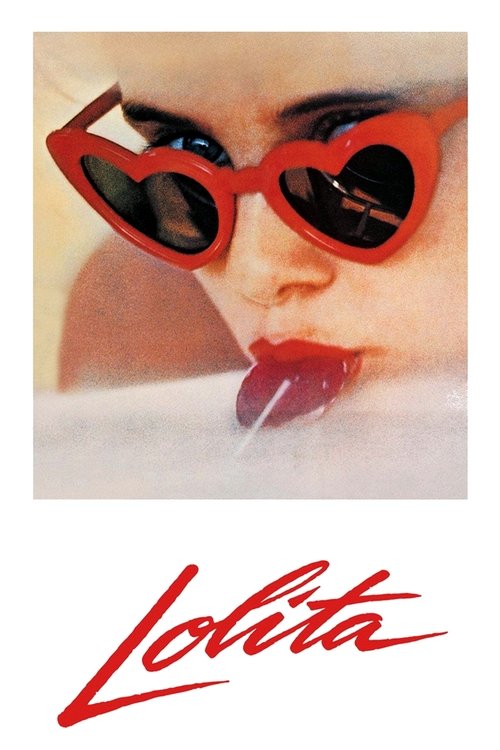
The character's childhood history of violence could have felt like a silly copout, akin to the introductory scenes from Adrian Lyne's Lolita, where Humbert Humbert's pedophilic desire is blamed on a precise trauma, were it not for the fact that the paternal violence of Elle is clearly just a more methodical rendition of the misogyny of everyday life.
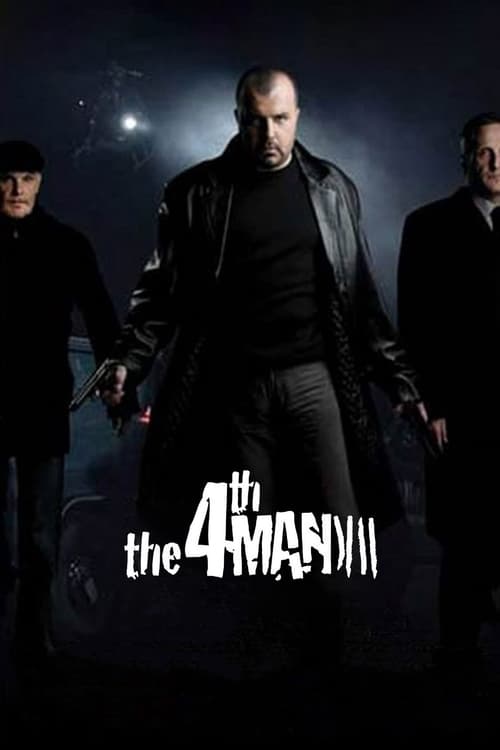
He is both a provocateur and a gonzo craftsman; from Dutch successes ( Soldier Of Orange , The Fourth Man ) to Hollywood sci-fi blockbusters (RoboCop, Total Recall, Starship Troopers ), the director has found a way to merge dark satirical wit with a taste for excesses of sex and violence.
Few commercial filmmakers have mastered the art of popcorn subversion like the man who gave us “Basic Instinct,” “The Fourth Man,” “Robocop,” “Black Book,” and, yes, “Showgirls.”
Adapted by David Birke (“Freeway Killer”) from the French novel “OH…” by Philippe Djian, “Elle” is discernibly the work of no other director than Verhoeven, with the relentless bite and dramatic ironies and stabs of social satire seen in movies like “RoboCop” and “Starship Troopers,” but also his masterful Dutch work like “The Fourth Man.”
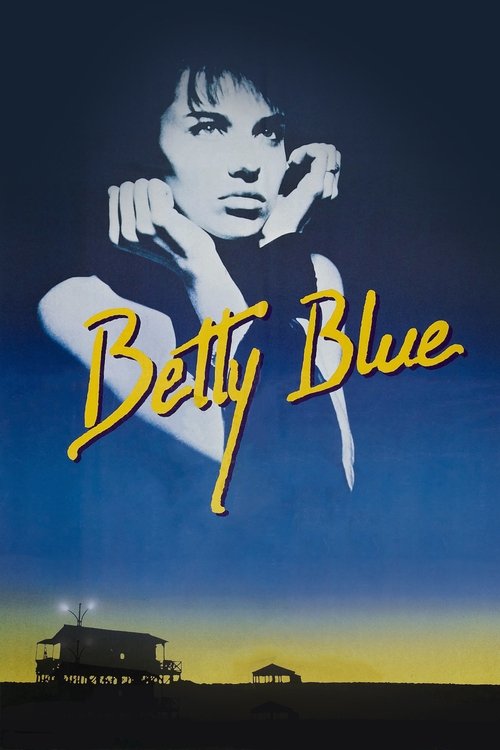
It is that well told and acted, screenplay by David Birke based on Philippe Djian's ("Betty Blue") novel "Oh...".
Adapted from “Oh...”, a recent novel by Philippe Djian (author of the source novel for the semi-notorious Betty Blue ), it adopts a decorous coolness reminiscent of the bourgeois suspense films of Claude Chabrol and, at times, the surreal subversions of upper-class mores and relationships of Luis Buñuel.
(“Elle” is based on the novel “Oh …,” by Philippe Djian, the author of “Betty Blue.”)
Advertisement
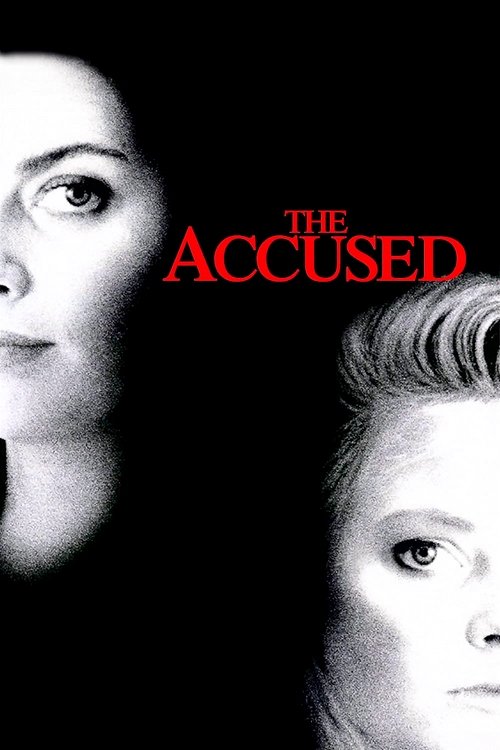
Not that a rape-revenge flick should be “fun” but Elle didn’t quite have the sleazy exploitation stank of Abel Ferrara’s Ms. 45, nor did it have the intense laser-focus of Jonathan Kaplan’s The Accused.
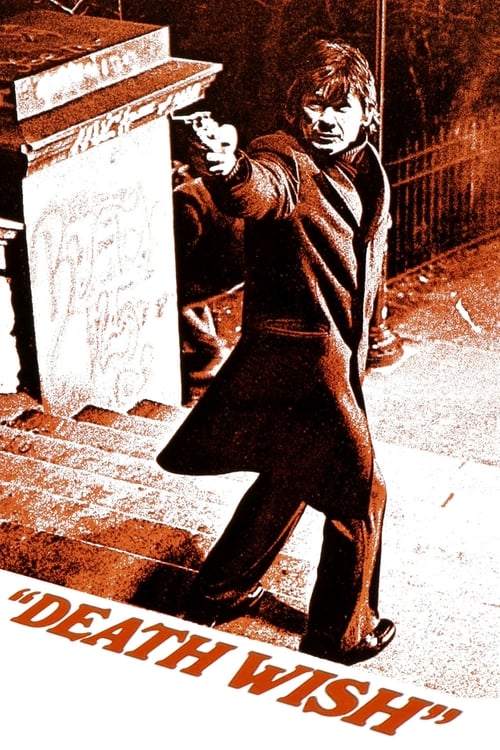
It’s less a female Death Wish and more of a head trip.
Death Wish for the art house set as the generally dependable Paul Verhoeven (Turkish Fruit, Starship Troopers) returns after a four-year absence with a redundant rape fulfillment fantasy.
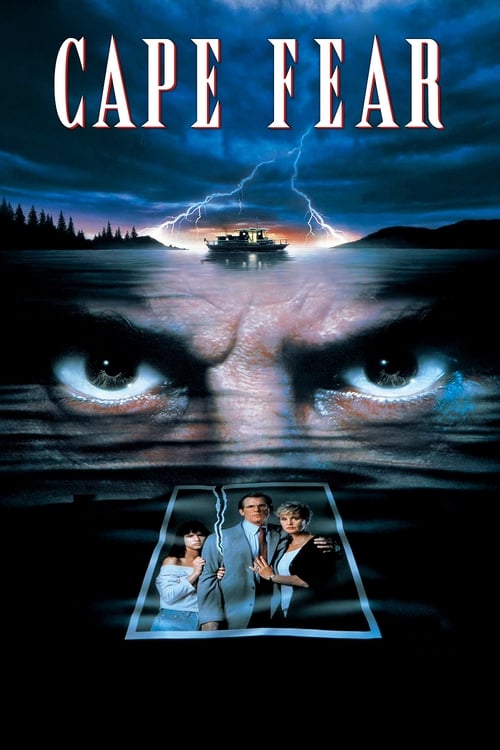
“Elle” hawks back to films like “Cape Fear” from Martin Scorsese or “Wild Things” from John McNaughton – stylistically ravaging, but hypnotically inscrutable in its narrative defenses.
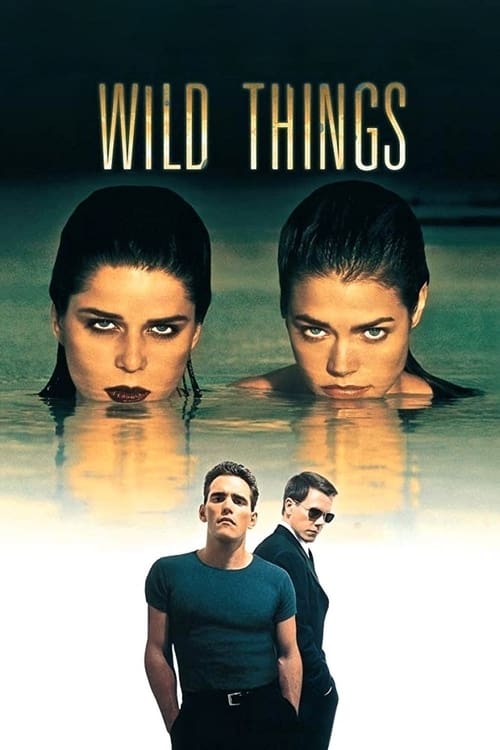
“Elle” hawks back to films like “Cape Fear” from Martin Scorsese or “Wild Things” from John McNaughton – stylistically ravaging, but hypnotically inscrutable in its narrative defenses.
Advertisement
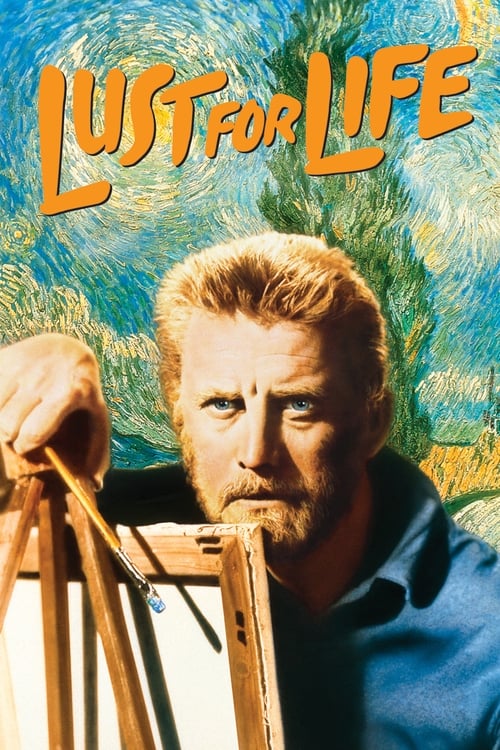
The song that plays twice in Verhoeven’s film is Iggy Pop’s “Lust for Life.”
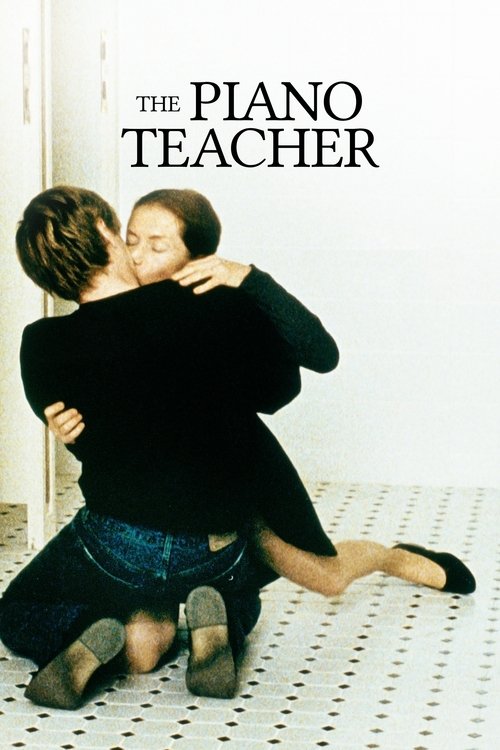
Whether that’s true or not, it’s hard to imagine any other actress in what could just about have been a bespoke Huppert vehicle, one that appears to tacitly reference a number of her previous character studies in candid feminine sexuality — perhaps most expressly, in one unvarnished masturbation scene, her celebrated turn in Michael Haneke’s “The Piano Teacher.”
Such a feat wouldn’t be possible without Huppert, who seems to be channeling characters she’s played in a number of films — from Haneke’s The Piano Teacher to Mia Hansen-Love’s recent Things to Come — but does so with a gusto we’ve rarely seen while remaining very much herself.
Michèle is kin to one of her most famous roles, in Michael Haneke’s The Piano Teacher.
If Huppert had made nothing other than Bertrand Tavernier's Coup de Torchon and Michael Haneke's The Piano Teacher, she would go into the books as one of the most provocative figures in French film.
“Elle” will make quite a double bill one day with Michael Haneke’s “The Piano Teacher,” another of her standouts.
The film, based on Philippe Djian's 2012 novel, was going to be re-set in America, but Verhoeven decided to keep it in France after deciding that Isabelle Huppert (The Piano Teacher) was the best choice for the lead role.