
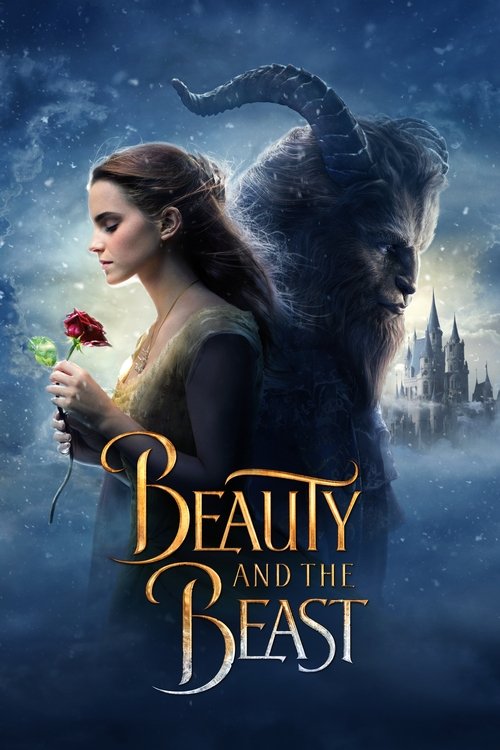
Beauty and the Beast (2017)
Directed by Bill Condon
A live-action adaptation of Disney's version of the classic tale of a cursed prince and a beautiful young woman who helps him break the spell.
61 connections found
View:
61 films that influenced Beauty and the Beast
What critics say influenced Beauty and the Beast
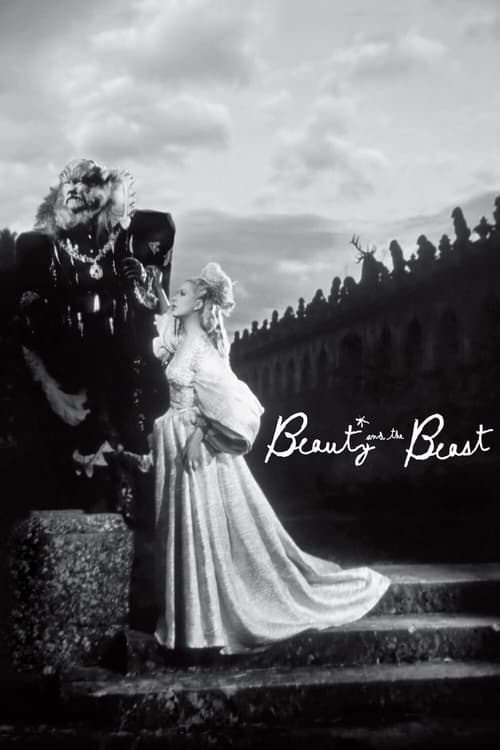


Visually, the characterization makes a nod to the scowling-eyed Beast from Jean Cocteau’s immortal “Beauty and the Beast” (1946), but he also comes off as a kind of royal version of the Elephant Man: a melancholy freak trapped in solitude.
Largely devoid of imagination, this Beauty And The Beast will likely hit its mark with plenty of viewers—those old enough to get a buzz of recognition from “Be Our Guest” (busily reconceived as a vortex of ones and zeroes) and those too young to know they’re watching a faded copy of last millennium’s family entertainment.
Stevens is one of the best parts of this “Beauty and the Beast” — right up there with Luke Evans’ blustery, conceited Gaston, with Kevin Kline’s doddering father, and with Ewan McGregor’s spastic, ostentatiously French-accented candelabra-man Lumiere.
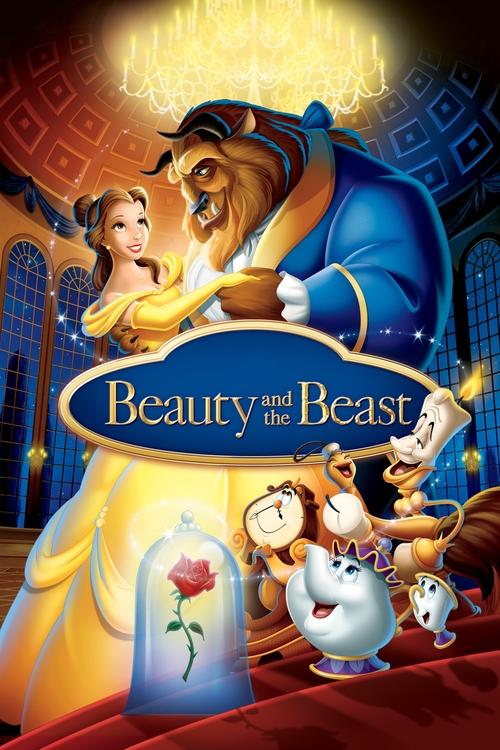
“Beauty and the Beast” is far from spectacular, and it’s certainly leagues away from touching the iconography of the 1991 animated version, but it’s more than fine as a beautiful and touching homage to a film the writers, directors and stars clearly adore.
Now, however, we have a remake of an undeniable classic—1991’s “Beauty and the Beast,” which had already been reworked for Broadway, and it’s more a direct copy than a remake.
While the recent versions of Cinderella and The Jungle Book featured small amounts of music from their animated inspirations, Beauty and the Beast goes all in, not only using all of the songs from the beloved 1991 film, but also adding a few new ones (the better to garner Oscar nominations).
The only way Disney’s live-action remake of its own “Beauty and the Beast” works is if you don’t compare it to the 1991 animated masterpiece.
To say that the first trailer for Beauty and the Beast was evocative of the 1991 animated classic would be an understatement; it was a live-action carbon copy, and if Disney’s remake of Cinderella was any indication, we were in for yet another tedious — if visually stunning, well-acted, and beautifully designed — exercise in nostalgia.
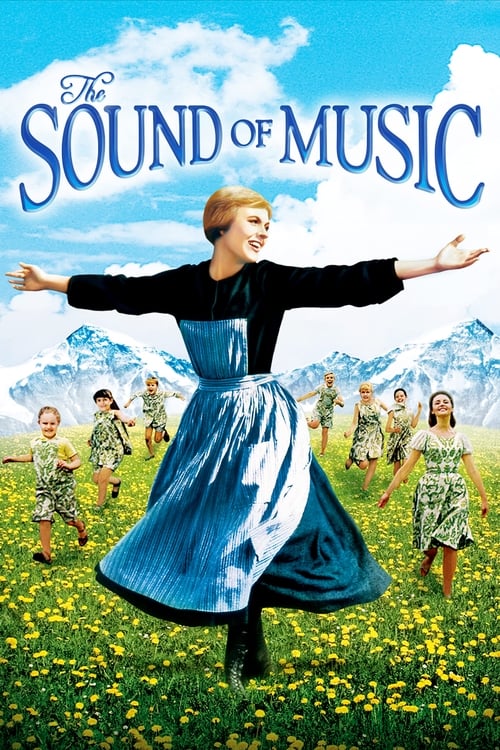
On the downside, though, one of the first scenes shows Beauty standing on a hill à la Julie Andrews in The Sound of Music (1965).
In a nervy move, Condon even references an iconic moment in “The Sound of Music.”
Watson might be at her best right out of the gate while performing the song “ Belle ,” which begins with her bemoaning her provincial existence in a small town and ends with her singing on high amid lush green hilltops dotted with yellow wild flowers while channeling Maria in “The Sound of Music.”
While there's a certain obligatory quality to the staging, Condon has brought true buoyancy to several of the numbers, from Belle's introductory song -- which, in live action, looks more conspicuously like an homage to "The Sound of Music" -- to an appropriately rousing rendition of "Be Our Guest."
Heaven knows, Julie Andrews was equally sweet in “The Sound of Music,” but she could also let rip with “I Have Confidence,” arms flung wide, as if to confess that sweetness alone would get you nowhere.
Mary Poppins, The Hunchback of Notre Dame, Aladdin, even Fox’s The Sound of Music and Moulin Rouge are distilled into this emotional, exuberant, if somewhat de-fanged musical makeover.
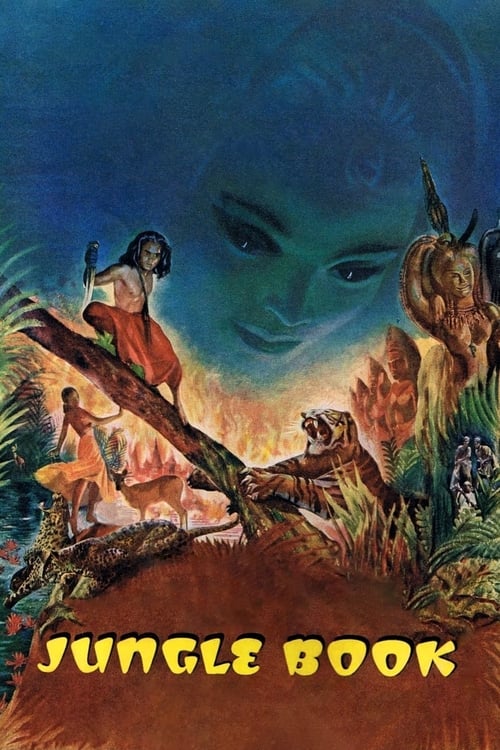
This might be a clever nod to the true love story believed to have inspired the fairy tale (Google: Pretus Gonslavus), but the character never looks photo-real in the way of “Jungle Book”s incredible detailed furry heroes.
Jon Favreau made a live action "Jungle Book" with one human actor entirely surrounded by CGI and most wouldn't known they were not looking at real wilderness.
It can work, as witness the charming “Cinderella” (2015) and the dazzling “Jungle Book” (2016).
But most of these do-overs, from the lightly revisionist Maleficent to last year’s state-of-the-art Jungle Book , at least attempt to do something different with their source material.
But 2016’s Jungle Book was a triumph, even though, ironically, it was still mostly animated, this time with CGI instead of pen-and-ink.
Advertisement
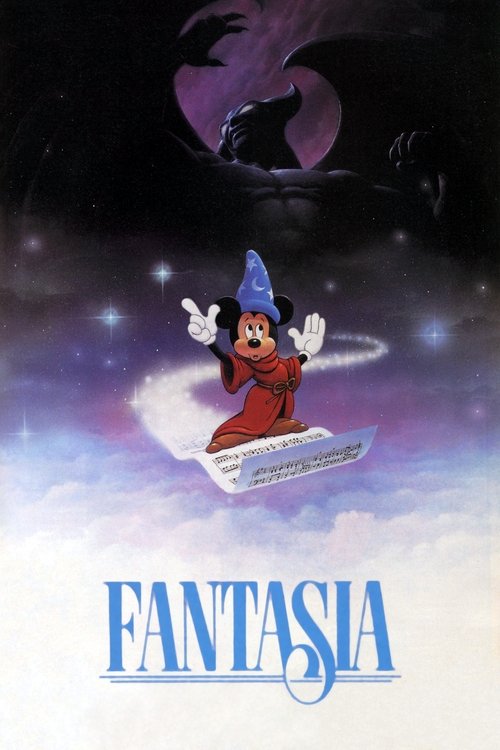
But then, who cares, when we're caught up in the spectacular, toe-tapping 'Be Our Guest' extravaganza, nodding to everything from Fantasia to Cabaret to Busby Berkeley?
And that’s a problem, because the cartoon is already basically perfect: the best and most justly beloved film of the 1990s Disney renaissance, and the only cartoon Disney ever made after the mid-1940s that I would rank alongside their early masterpieces, Snow White , Pinocchio , Fantasia and Bambi .
The attention to detail in this film is exquisite, from the gold flakes on Belle’s ballroom gown to the “ Fantasia ”-like theatrics of the “Be Our Guest” feast.
Animated dance numbers by enchanted objects feels like Fantasia being performed at the Tonys, sponsored by a confetti company.
“Be Our Guest” in particular is a choreographic extravaganza that enfolds decades of Disney history (all the way back to “Snow White” and “Fantasia”) in contemporary cinematic craft.
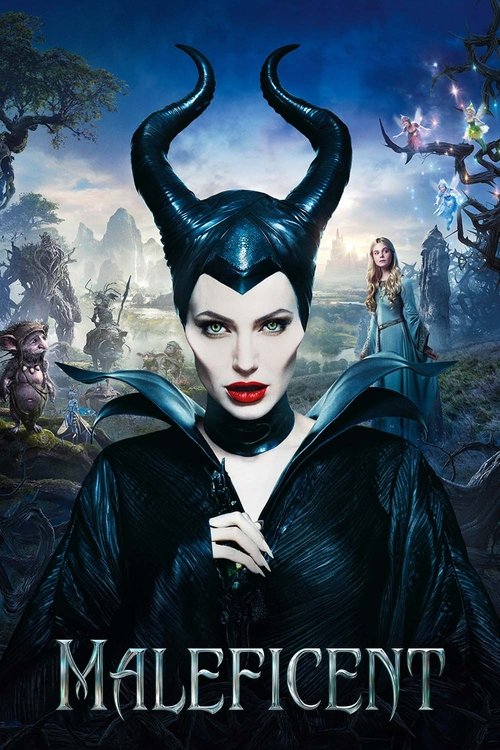
Now that all the old films are out there in the public domain, live-action remakes are the best way to keep the story brands alive, starting with Maleficent in 2014, Cinderella in 2015 and now this.
Beauty and the Beast is the fifth film in Disney’s ever-growing slate of live-action revisits, which started with Maleficent , but didn’t really kick off until Cinderella .
Beauty’s hugely successful Disney live action predecessor, Maleficent, reimagined Sleeping Beauty from the point of view of the iconic 1959 villain (Angelina Jolie).
1994’s “Rudyard Kipling’s The Jungle Book” and 1996’s “101 Dalmatians” would end up early test runs for the full-on blitz that began in 2014 with “ Maleficent .”
It’s just the latest in a series of experiments in back-catalog mining that have become a regular presence on the release schedule, following The Jungle Book , Pete’s Dragon , Cinderella , and Maleficent .
While the 2015 “Cinderella” was a delightful surprise, efforts such as “Snow White and the Huntsman” and “Maleficent” fell flat.
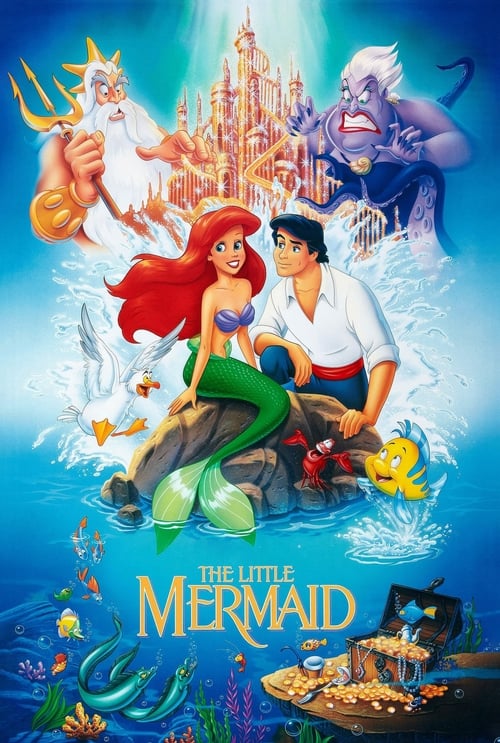
Arguably, it’s an appropriate tribute to the late lyricist Howard Ashman (who also wrote songs for The Little Mermaid and Aladdin , and who died of AIDS four days after the animated Beauty and the Beast ’s first screening).
Beauty and the Beast 2017 is a direct remake of the 1991 interpretation, which was notable for a number of reasons: it was the first animated film to be nominated for a Best Picture Oscar, it was the last full collaboration between lyricist Howard Ashman and composer Alan Menken, and it accelerated the renaissance of Disney animation begun in 1989 with The Little Mermaid .
This small token offers an opportunity to remember and honor a genius behind the cinematic scene, the openly gay Ashman, whose lyrics for The Little Mermaid, Aladdin and Beauty and the Beast helped bring these tales as old as time to unforgettable life.
Thanks to his work on The Little Mermaid and Beauty , Ashman—who died of AIDS-related complications in 1991—had as much to do with the revival of Disney’s animation legend as anybody.
Even more so than its immediate predecessor The Little Mermaid (1989), Beauty and the Beast’s integration of big Broadway-style tunes into the narrative helped reshape our understanding and expectations of an animated musical, which is perhaps why is remains so beloved to this day despite some clear narrative shortcomings (just so you know, I’m in something of a minority in not ranking the animated original among my favorite Disney films, although I can see why people love it).
The new, murky, 3-D, live-action romantic musical “Beauty and the Beast” is as advertised — an almost beat-by-beat remake of the 1991 Disney animated film that young people cherished as children with the same beloved-by-some musical score by lyricist Howard Ashman and composer Alan Menken, who also provided the music for the Jeffrey Katzenberg era’s “The Little Mermaid” and “Aladdin.”
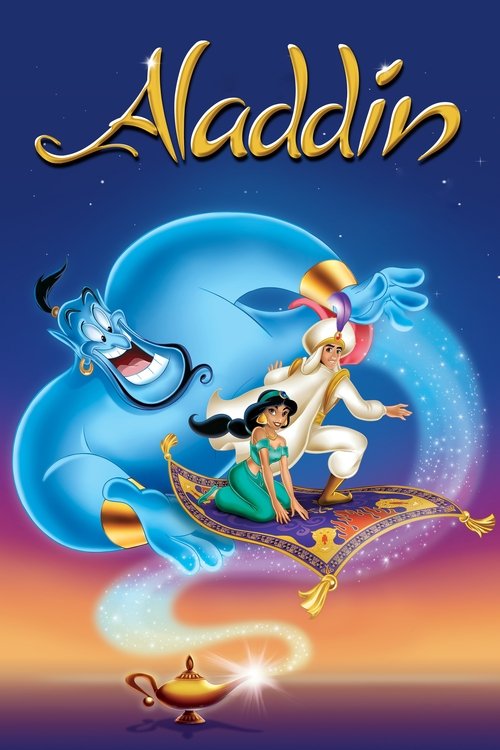
Yet, this "Beauty and the Beast" lacks the magical zip-a-dee-doo-dah of the 1991 original, a jewel (along with "The Little Mermaid" and "Aladdin") in the crown from Disney's renaissance period.
It was the last completed film score by the team before Ashman’s AIDS-related death in March of 1991, although some of his songs were used in the following year’s Aladdin.
The new, murky, 3-D, live-action romantic musical “Beauty and the Beast” is as advertised — an almost beat-by-beat remake of the 1991 Disney animated film that young people cherished as children with the same beloved-by-some musical score by lyricist Howard Ashman and composer Alan Menken, who also provided the music for the Jeffrey Katzenberg era’s “The Little Mermaid” and “Aladdin.”
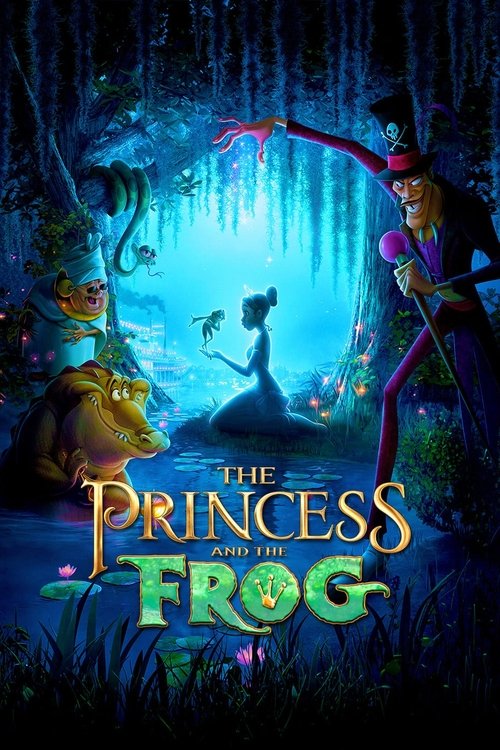
It was nice to see Disney continue to diversify, especially by placing diversity throughout the film and not just with their Disney Princess’ ( Moana , Mulan , The Princess and the Frog and Pocahontas ).
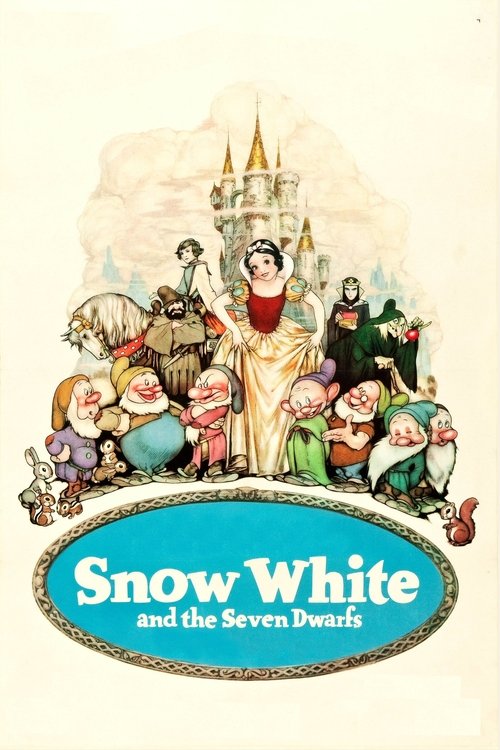
After discovering that audiences will reach deep into their pockets for any remake of an animated favourite, Disney has put into production adaptations of Snow White and the Seven Dwarfs, Peter Pan, Sleeping Beauty, Cinderella, Alice in Wonderland, The Jungle Book, The Lion King, Mulan, The Little Mermaid and Aladdin.
I hope that I’m wrong, and that children rear back from this ogre as their grandparents did from the witch in “Snow White and the Seven Dwarfs.”
The form was invented by Disney eighty years ago, with “Snow White and the Seven Dwarfs” (1937), a film I still think has never been surpassed, and when you watch something as transporting as “Snow White” — or “Bambi,” or “Toy Story,” or “Beauty and the Beast” — every gesture and background and choreographed flourish, from the facial expressions to the drip-drop of water, flows together with a poetic unity.
Advertisement
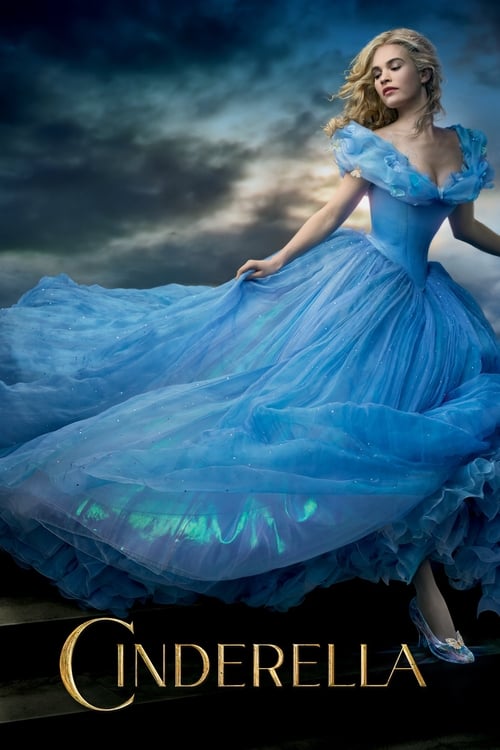
Now that all the old films are out there in the public domain, live-action remakes are the best way to keep the story brands alive, starting with Maleficent in 2014, Cinderella in 2015 and now this.
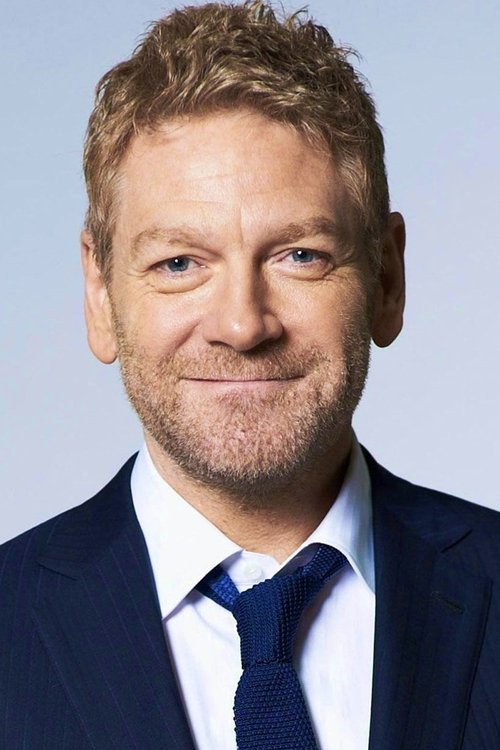
And, while Kenneth Branagh’s reinterpretation of Cinderella offered a glimpse at what these movies can be, most fall short of their hand-drawn inspirations.
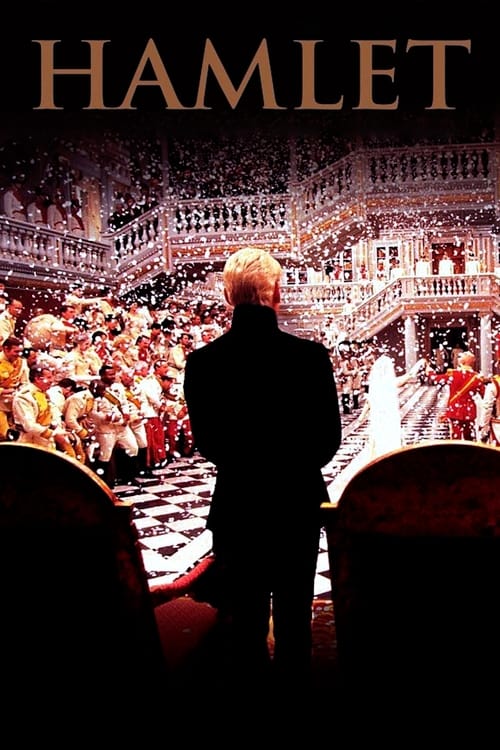
The integrated cast is an admirable touch, though Kenneth Branagh got little attention 20 years ago for doing this in his Hamlet.

That’s inevitable if you’re doing a shot-by-shot remake of a stone cold classic (as Gus Van Sant’s much-reviled but somewhat interesting Psycho experiment proved in 1998).
Beauty and the Beast isn’t Exhibit A of how a remake goes wrong by treating its classic source material as a sacred text (that’s probably Gus Van Sant’s remake of Psycho ), but it’s in the top 10.