

Ron Clements
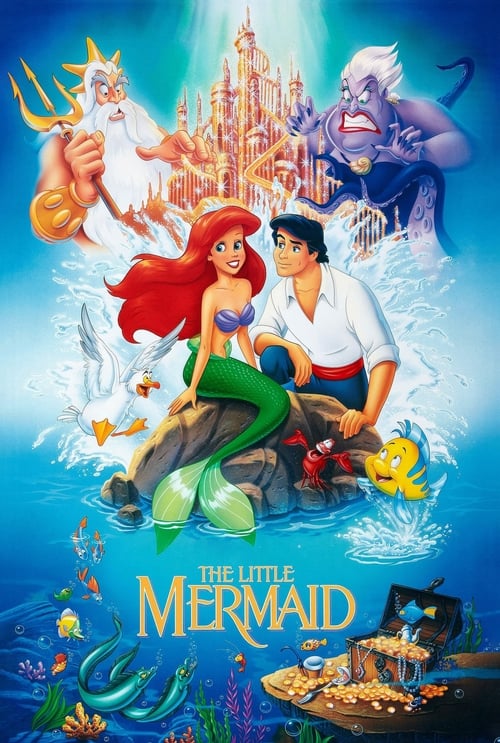
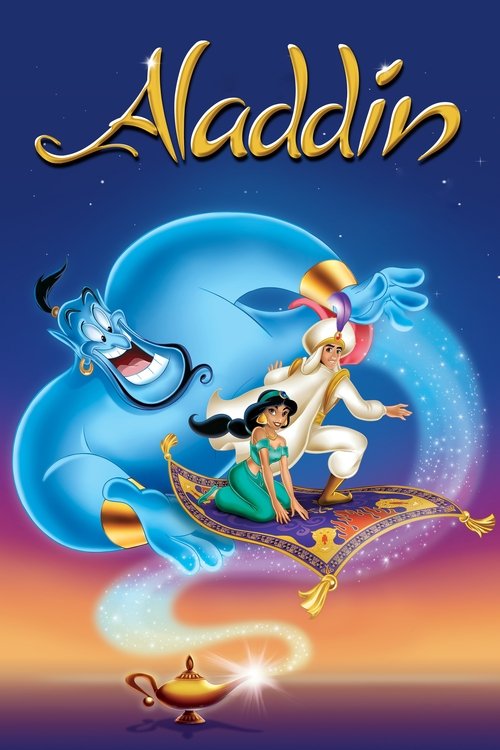

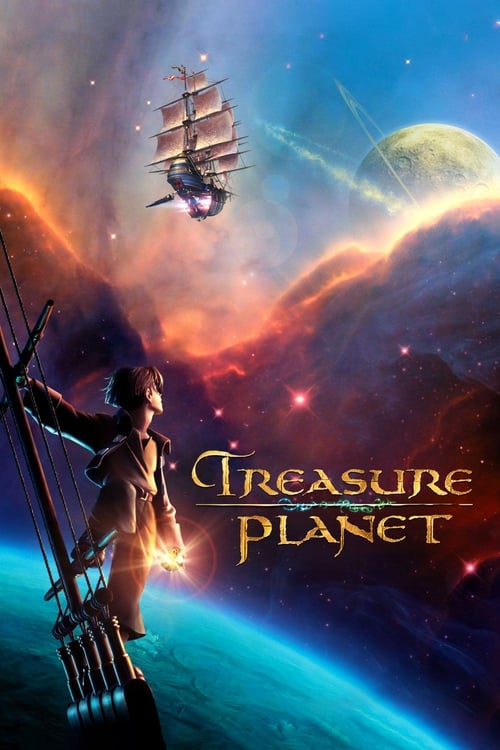
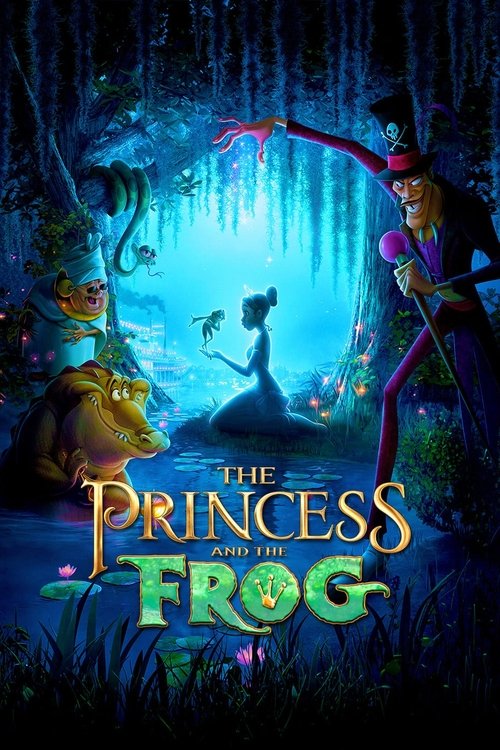
Connections, in both directions
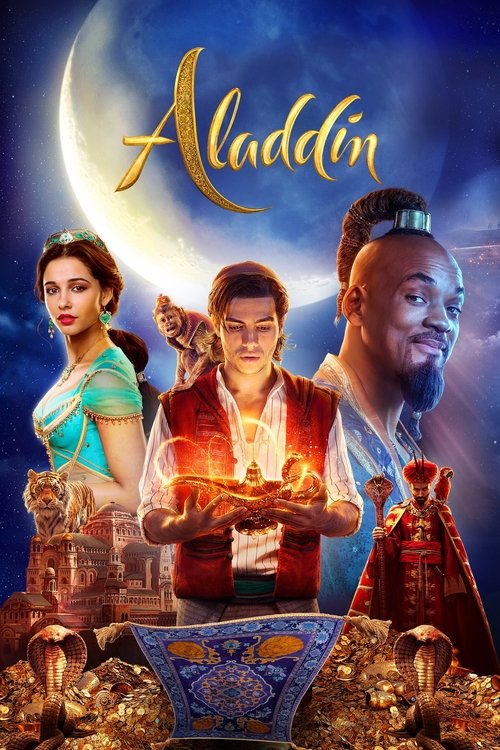
Aladdin (2019)
Directed by Guy Ritchie
influenced by Aladdin (1992), The Little Mermaid (1989)


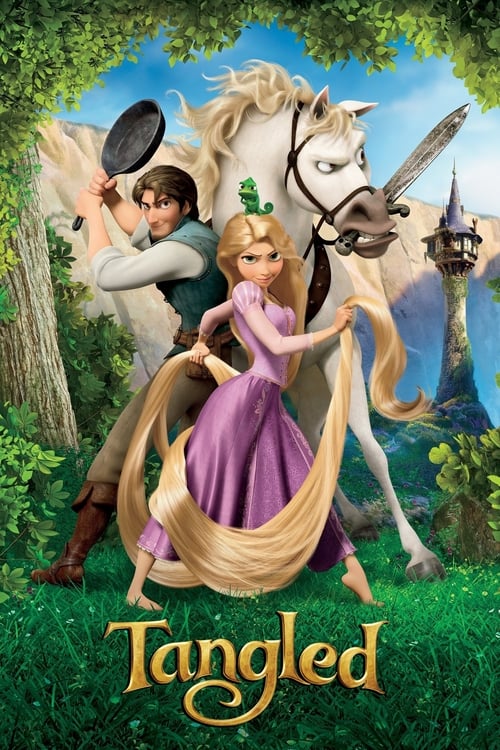
Tangled (2010)
Directed by Nathan Greno
influenced by The Little Mermaid (1989), Aladdin (1992), The Princess and the Frog (2009)
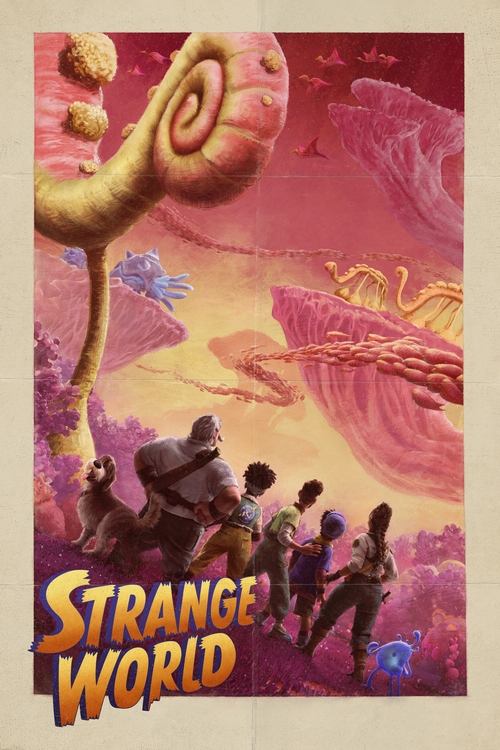
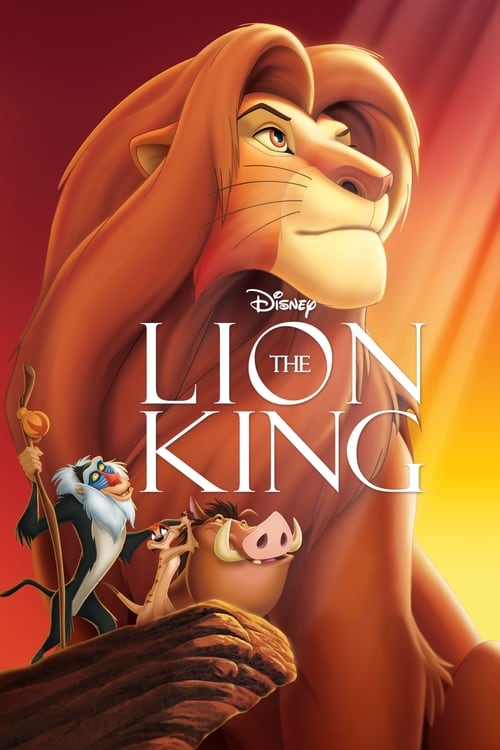
The Lion King (1994)
Directed by Roger Allers
influenced The Princess and the Frog (2009), Treasure Planet (2002), The Little Mermaid (1989)
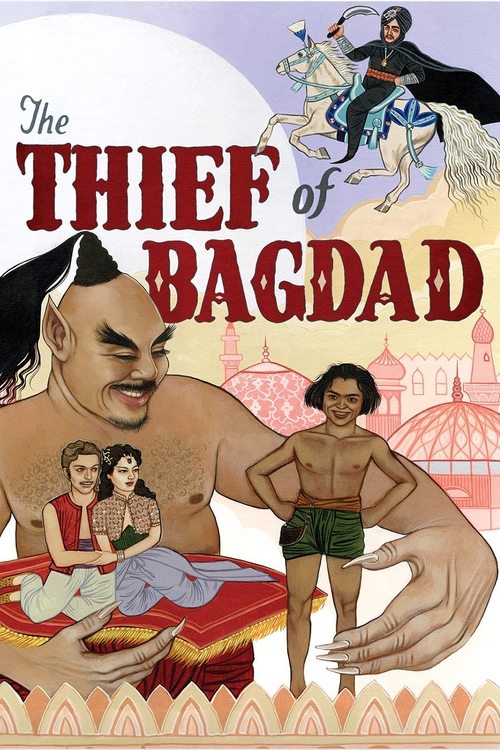
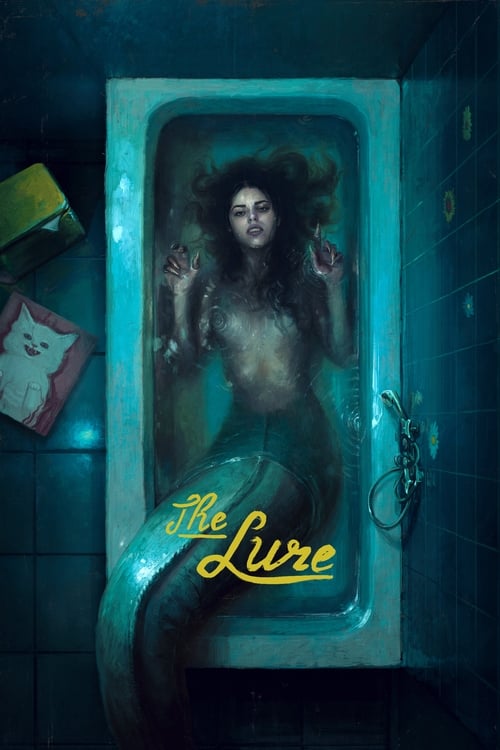
The Lure (2015)
Directed by Agnieszka Smoczyńska
influenced by The Little Mermaid (1989)
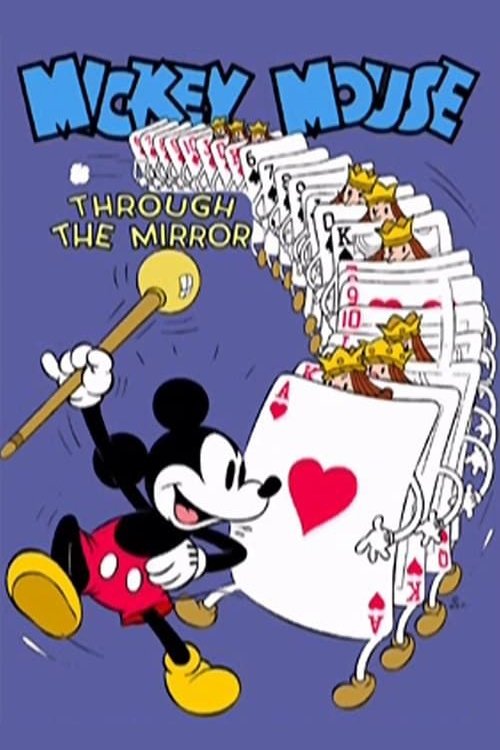

Raya and the Last Dragon (2021)
Directed by Carlos López Estrada
influenced by Aladdin (1992), Treasure Planet (2002)
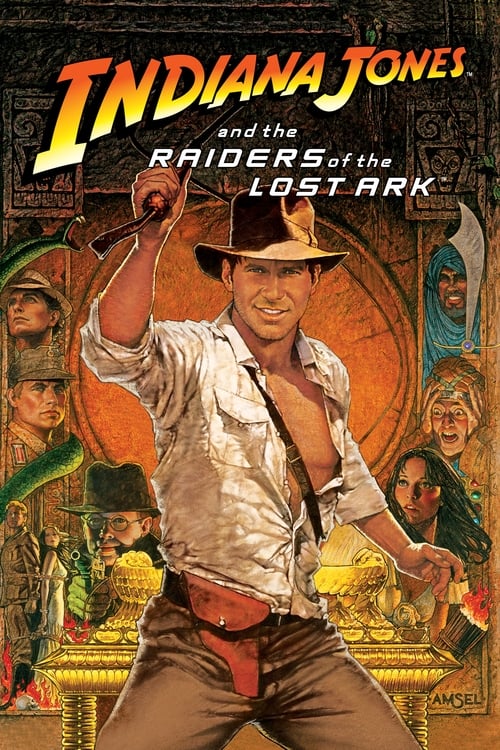
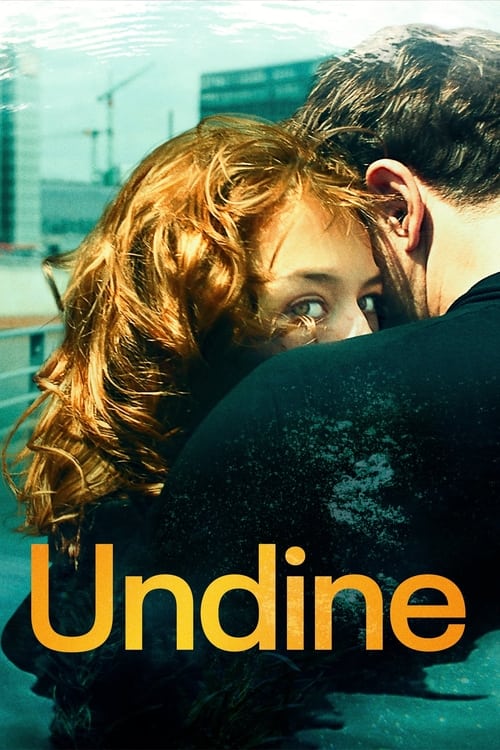
Undine (2020)
Directed by Christian Petzold
influenced by The Little Mermaid (1989)
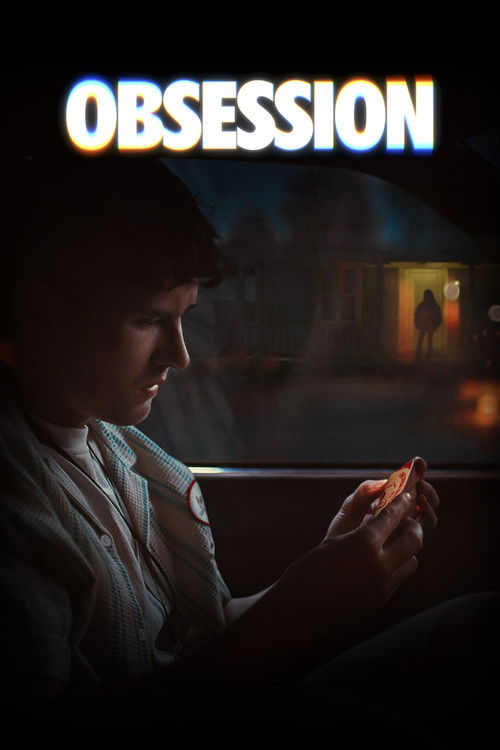
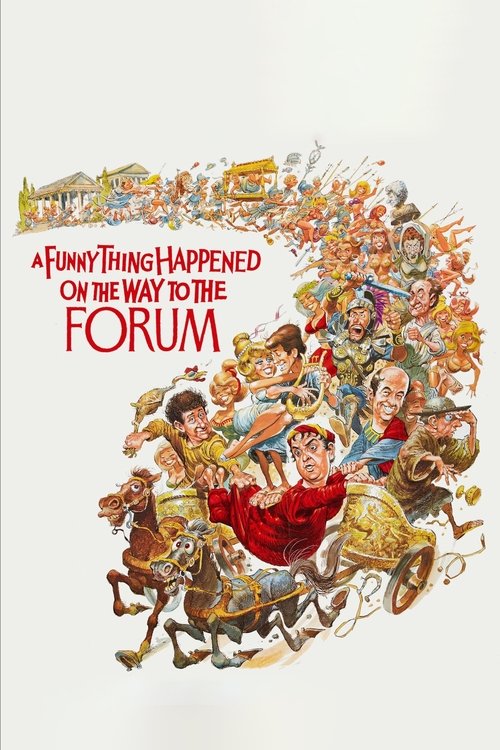
A Funny Thing Happened on the Way to the Forum (1966)
Directed by Richard Lester
influenced Hercules (1997)
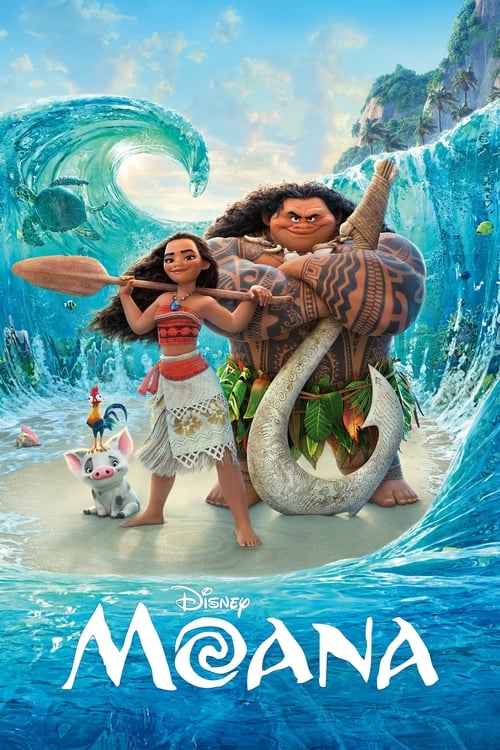
Moana (2016)
Directed by John Musker
influenced by The Little Mermaid (1989), Aladdin (1992), The Princess and the Frog (2009), Hercules (1997), Treasure Planet (2002)

Tarzan (1999)
Directed by Chris Buck
influenced by The Little Mermaid (1989), Treasure Planet (2002)
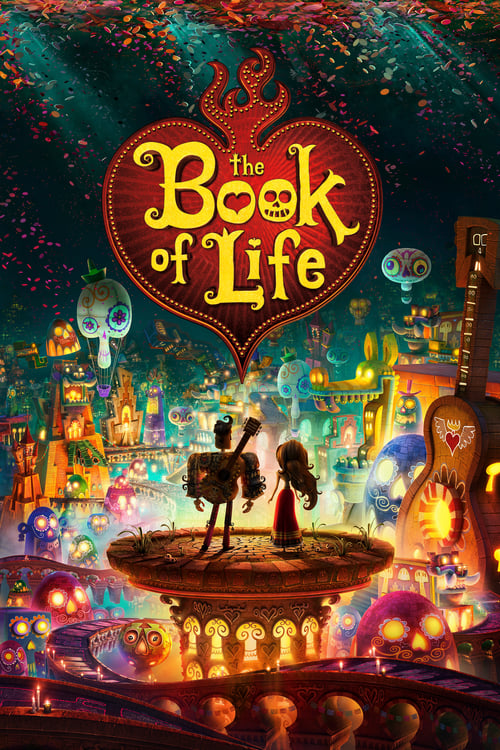
The Book of Life (2014)
Directed by Jorge R. Gutierrez
influenced by Hercules (1997), Aladdin (1992)
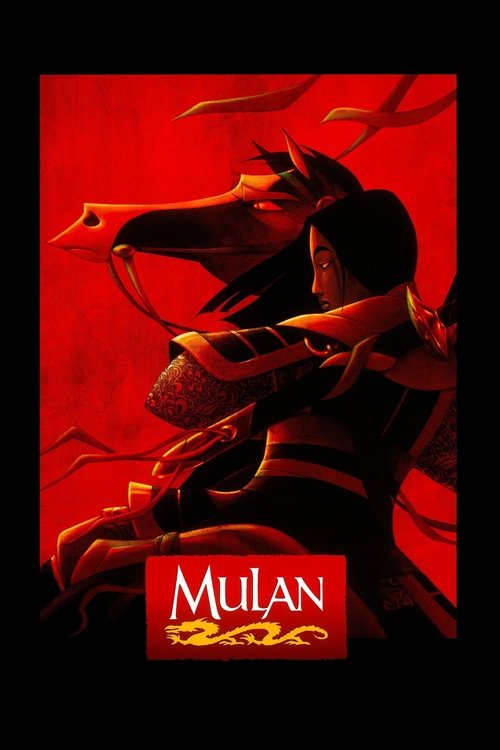
Mulan (1998)
Directed by Tony Bancroft
influenced by The Little Mermaid (1989), The Princess and the Frog (2009), Aladdin (1992)
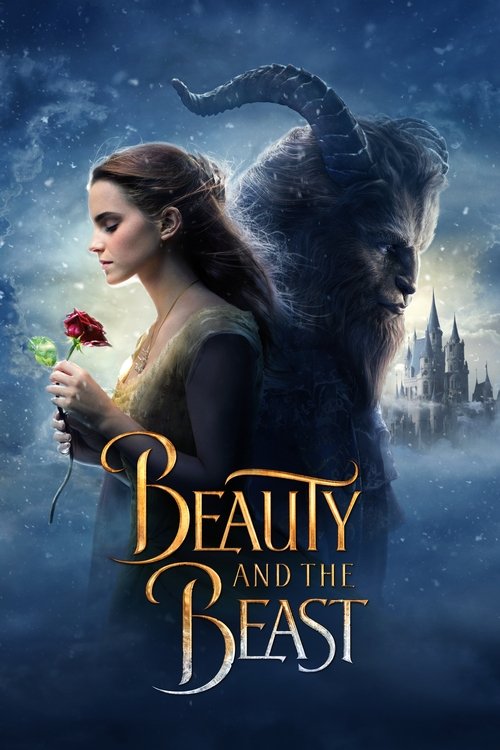
Beauty and the Beast (2017)
Directed by Bill Condon
influenced by The Little Mermaid (1989), Aladdin (1992), The Princess and the Frog (2009)