

Stalingrad (2013)
Directed by Fyodor Bondarchuk
A band of determined Russian soldiers fight to hold a strategic building in their devastated city against a ruthless German army, and in the process become deeply connected to a Russian woman who has been living there.
13 connections found
View:
13 films that influenced Stalingrad
What critics say influenced Stalingrad
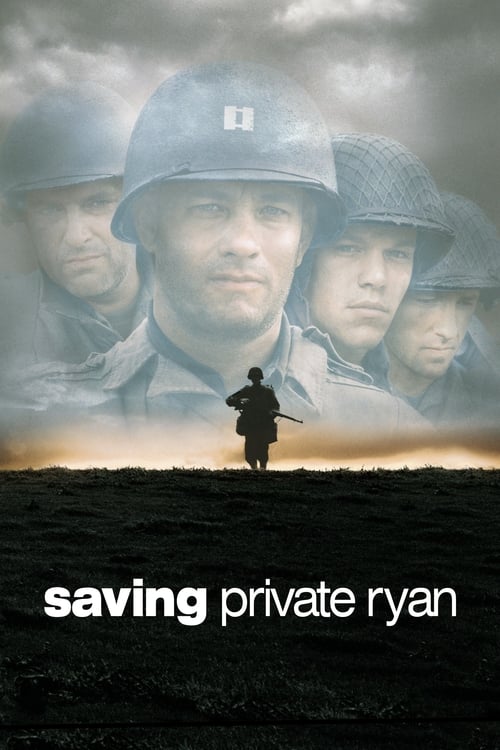


The opening scene where Russians storm a German-occupied beach reminded me of Saving Private Ryan, but with the addition of men aflame who channel their dying breaths into lunging at enemies tucked away in fox holes.
In a scene reminiscent of the opening of Steven Spielberg’s “Saving Private Ryan,” Russian fighters engulfed in flames nevertheless charge and fire upon entrenched German forces.
In Soviet Russia, movie review YOU – but since we’re here in the good ol’ US of A, I’ll be the one determining if Stalingrad is Russia’s spiritual equivalent to Steven Spielberg’s Saving Private Ryan.
It’s an echo of the famed Normandy sequence that opens Saving Private Ryan, and Fedor Bondarchuk, the director of Stalingrad, is not only keenly aware of it, he does everything he can to top it.
Sequences of such intensity evoke the most powerful visceral moments in Saving Private Ryan, and showcase Bondarchuk's masterful command of environment.
For the past decade and a half, the visual style developed by Steven Spielberg and cinematographer Janusz Kaminski in Saving Private Ryan (1998) has been the de facto “look” of serious war films, and while Bondarchuk and his cinematographer Maksim Osadchiy adopt some of that visual approach, they seem more compelled by the possibilities of computer-generated “impossible shots,” whether it be following the trajectory of an explosive round launched from a tank or being inside a fiery explosion.
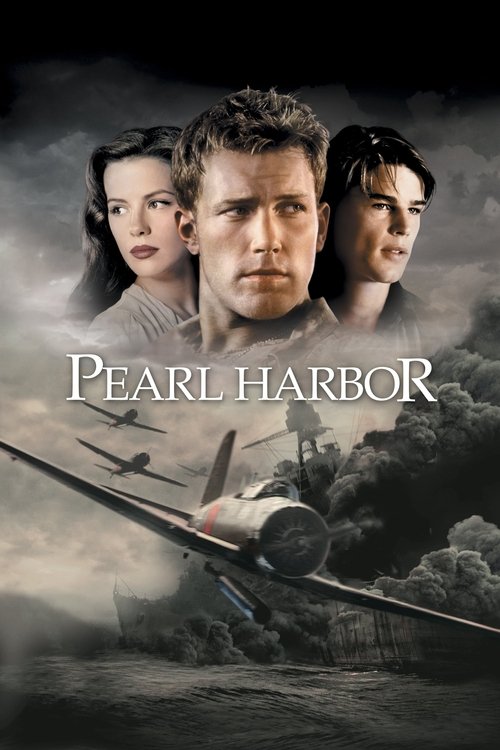
Unfortunately, as in Bay’s “Pearl Harbor,’’ much of the sometimes draggy 2 1/4 hours is given to clichéd inspirational drama as a quintet of brave Russian soldiers are holed up in the Stalingrad apartment of 18-year-old Katya (Mariya Smolnikova), the sole survivor of her family.
And with that, Stalingrad sets a tone of propagandistic kitsch that’s a love triangle and an Aerosmith ballad away from full Pearl Harbor cheese, rendering the bloodiest battle of World War II as a rip-roaring 3-D recruitment poster.
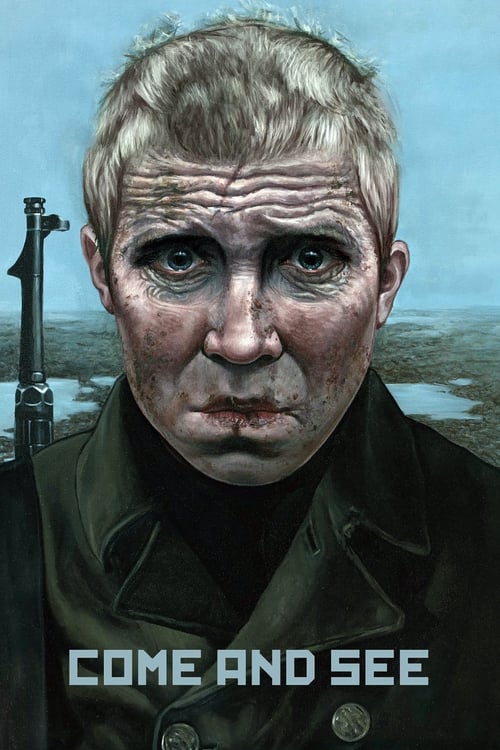
Elem Klimov's 1985 "Come And See," Andrei Tarkovsky's 1962 "Ivan's Childhood," Alexei German's 1971 "Trial on the Road," to name but three, all unforgettable, harrowing visions.
The greatest Soviet-era war films, stretching from Grigori Chukhrai’s Ballad of a Soldier (1959) to Elem Klimov’s Come and See (1985), traded on hardships and tragedy.
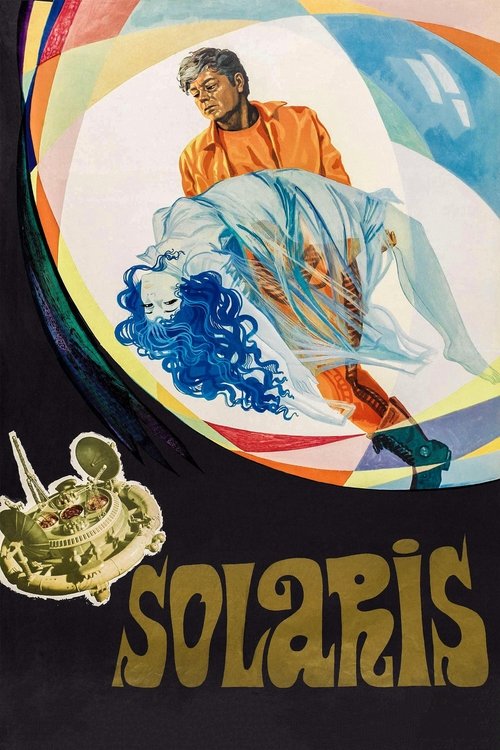
So it's slightly peculiar to me that "Stalingrad," the new movie directed by Fedor Bondarchuk (the son of the great Russian classicist director Sergei Bondarchuk , and the half-brother of actress Natalya Bondarchuk, who starred in Tarkovsky's 1972 "Solaris"), aspires in some ways to the conditions of an American war movie, or just an American movie period.
Advertisement

This not a new problem, as the balance between the aesthetics used to represent on-screen violence and the effect it is intended to have on the audience has long been a difficult one to strike for filmmakers (when Sam Peckinpah made The Wild Bunch in 1969, surely one of the most violent films of its era, some critics accused him of rendering the violence “beautiful” when his intention was to drive home its awfulness).
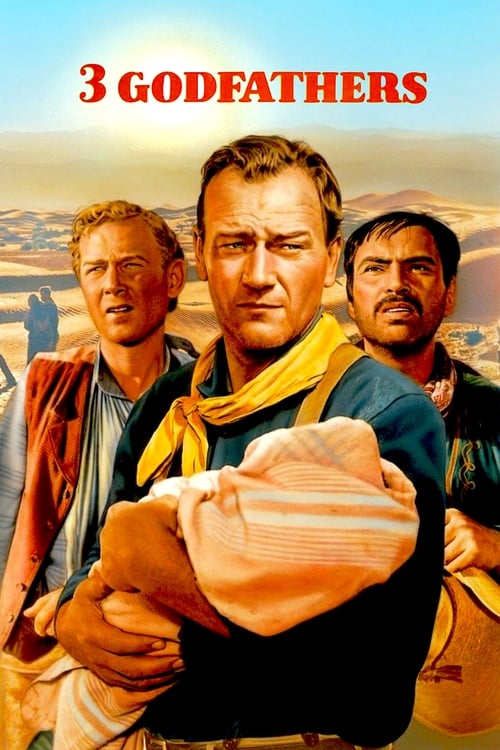
What begins as a hellish depiction of war begins to turn into "3 Godfathers."
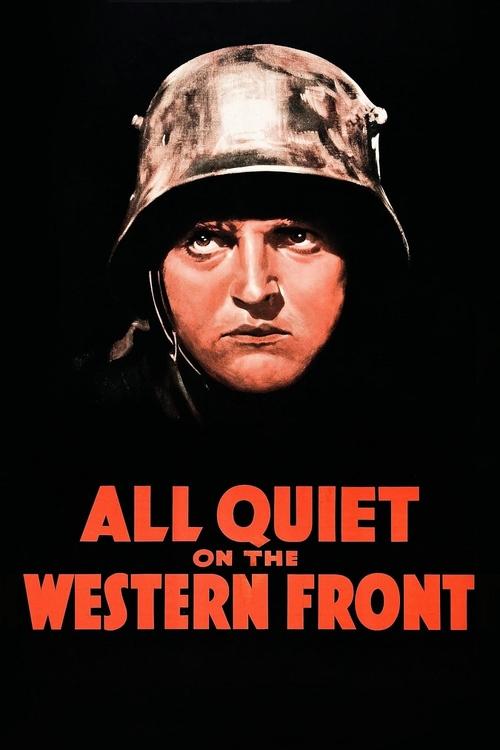
Like most war movies, “Stalingrad” is anti-war at its core, placing it in a long line of such films as Academy Award-winning “All Quiet on the Western Front.”
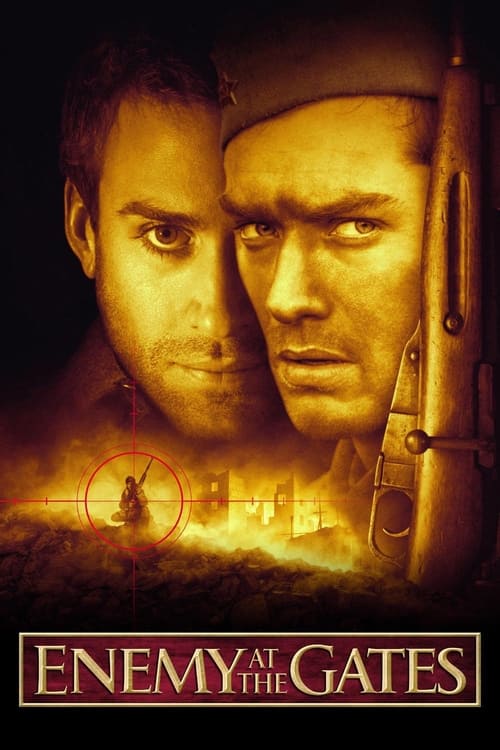
The Battle of Stalingrad, sometimes called the bloodiest single battle on record, has been cinematic fodder for decades, most recently in 2001’s “Enemy at the Gates.”
Advertisement

Gromov and his men - crude sniper Chvanov (Dmitriy Lysenkov), taciturn Nikiforov (Aleksey Barabash, "Russian Ark"), middle-aged Polyakov (Andrey Smolyakov) and the baby-faced Sergey Astakhov (Sergey Bondarchuk) - take control of a bombed out apartment building on the The Children's Circle Dance Fountain square, Polyakov killing a German threatening what they believe to be a young boy.

It might have worked if the story itself supported the unreal nature of the battle — as it does in Joe Wright’s similarly exquisite Atonement, a film that turns its absurdist, artificial vision of war into a sly commentary on its narrative.