
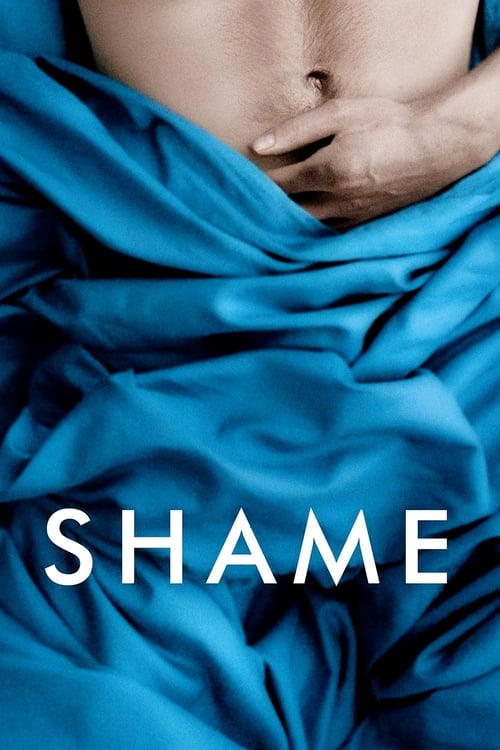
Shame (2011)
Directed by Steve McQueen
Brandon, a thirty-something man living in New York, eludes intimacy with women but feeds his deepest desires with a compulsive addiction to sex. When his younger sister temporarily moves into his apartment, stirring up bitter memories of their shared painful past, Brandon's life, like his fragile mind, gets out of control.
25 connections found
View:
25 films that influenced Shame
What critics say influenced Shame
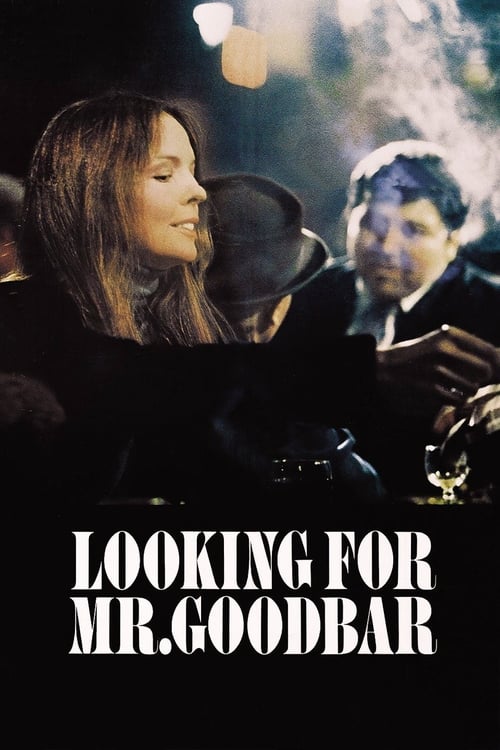


Shame is reminiscent of Brooks's Looking for Mr. Goodbar (1977).
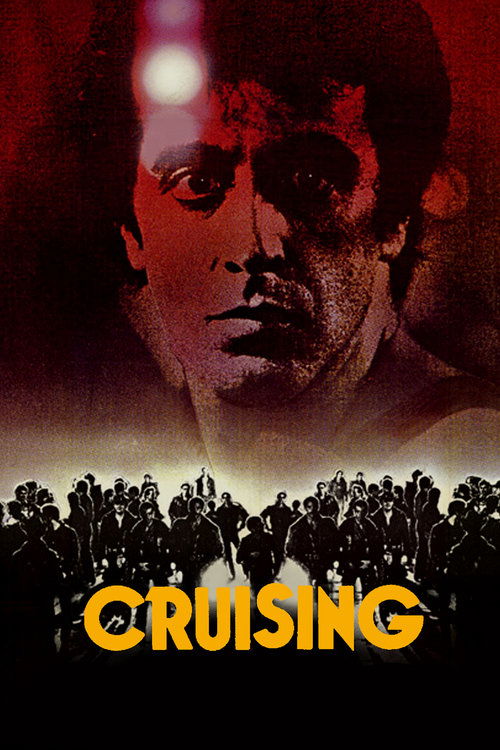
The film is set in a New York that is in some respects unmistakably contemporary -- characters are constantly texting, and of course one of the forms of sex Brandon's addicted to is cyber -- but at the same time kind of anachronistic, with graffiti-festooned subway cars and nightscapes that evoke Scorsese 's " Taxi Driver " and Friedkin 's notorious " Cruising ."
With nowhere else to go but down (so to speak), Brandon ventures into the gay sex club around the corner, a hold-over from William Friedkin’s 1981 Cruising, where anonymous sex lurks everywhere within its dark mazes.
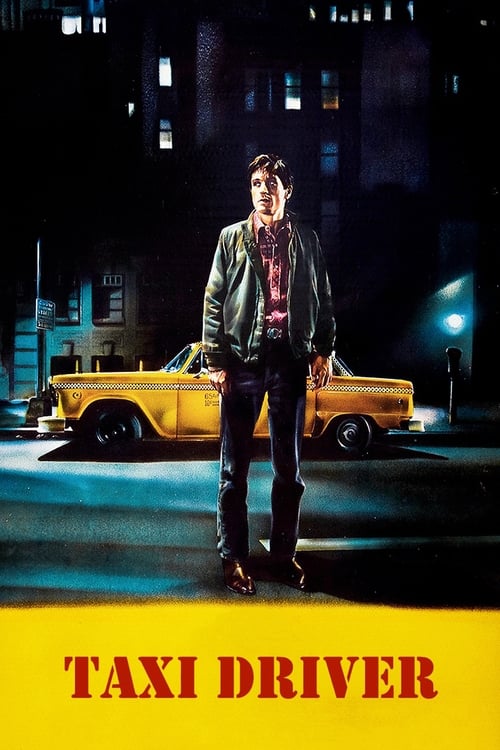
The film is set in a New York that is in some respects unmistakably contemporary -- characters are constantly texting, and of course one of the forms of sex Brandon's addicted to is cyber -- but at the same time kind of anachronistic, with graffiti-festooned subway cars and nightscapes that evoke Scorsese 's " Taxi Driver " and Friedkin 's notorious " Cruising ."
Though its director and star aren't natives or even current residents, Shame also gets the look, feel, and smell of New York right now in a way that few films have; in that regard, and in its approach to another (to put it charitably) difficult protagonist, it is reminiscent of a film set in a very different New York: Taxi Driver.
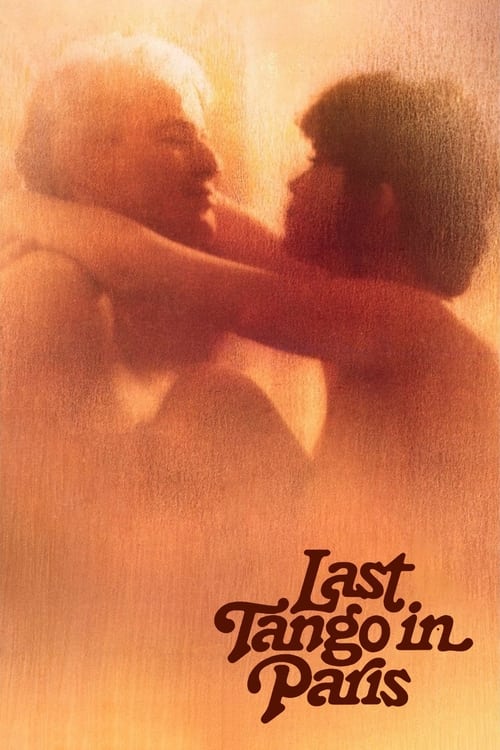
A better comparison might be Brando's depressive lecher Paul in Last Tango in Paris (1972).
Advertisement
Not unlike Henry Mancini’s score for the opening of Touch of Evil (Orson Welles, 1958), Harry Escott’s music for the opening of Shame distinctively features a repetitive percussion to suggest a bomb about to go off; a continuous countdown to Brandon’s next release.


Unlike legendary erotic thrillers like Adrian Lyne’s 9½ Weeks and the Oscar nominated Fatal Attraction, there wasn’t a gore or creep-factor in the characters of Shame that made them memorable.
Unlike legendary erotic thrillers like Adrian Lyne’s 9½ Weeks and the Oscar nominated Fatal Attraction, there wasn’t a gore or creep-factor in the characters of Shame that made them memorable.
There's no question that Shame marks a demonstrable leap forward for filmmaker Steve McQueen, as the movie effectively marries the director's distinctive sense of style with a narrative and a central character that are, for the most part, consistently compelling - which was certainly not the case of McQueen's striking yet middling debut, Hunger.
Much has been made of the McQueen-Fassbender relationship (previously established in "Hunger") and that Fassbender might be McQueen's DeNiro.
As he did in Hunger, director Steve McQueen moves his camera informatively through the silence, with eloquent precision, and once more his primary focus is actor Michael Fassbender.
Three years ago the British artist Steve McQueen , winner of the 1999 Turner prize and famous for his film installations, made a remarkable feature debut as the director of Hunger, an account of the hunger strikes in Ulster's Maze prison in the early 1980s that culminated in the death of Bobby Sands.
Cowriter and director Steve McQueen, who last worked with Fassbender on Hunger , shoots Shame in long takes, and the scenes themselves are long, too, even when there are cuts.
McQueen, a Brit who attended art schools and worked in visual installation before turning to feature films, was lauded for “Hunger” (2008), and rightly so, although even that movie, about an I.R.A. hunger-striker (also played by Fassbender), was imperilled by the coolness of its own gaze.
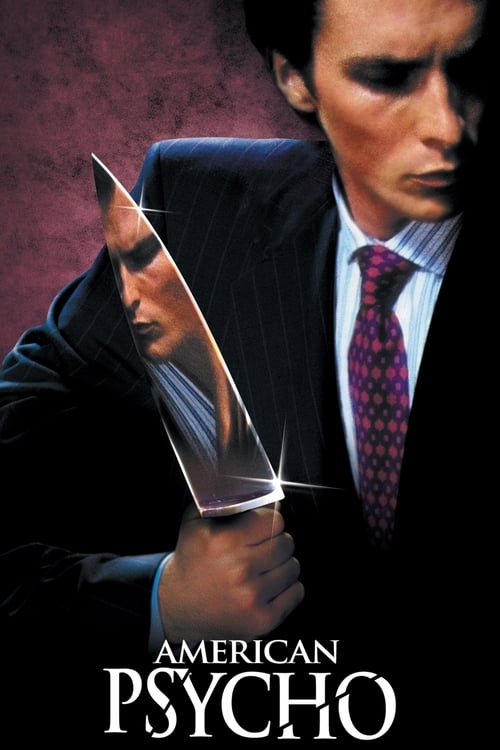
(He’s like Bret Easton Ellis’ “American Psycho,” minus the grand-guignol lunacy.)
With Harry Escott's ticking-time-bomb musical score, and cinematographer Sean Bobbitt's chilly, blue-gray palette making New York seem like the grimmest place on earth to be a sex addict, you expect "Shame" to spin into "American Psycho" territory.
The amoral and antiheroic journey and desensitized character are similar to ones in "American Psycho" and "Eyes Wide Shut," but "Shame" is not as stylized as the first nor as baroque as the latter.
It's kind of like American Psycho without the body count.
Allusions to American Psycho's Patrick Bateman are not unwarranted, particularly given the ordered and sterile apartments in which they both reside.
He’s a cousin of American Psycho, although no killer.
Advertisement
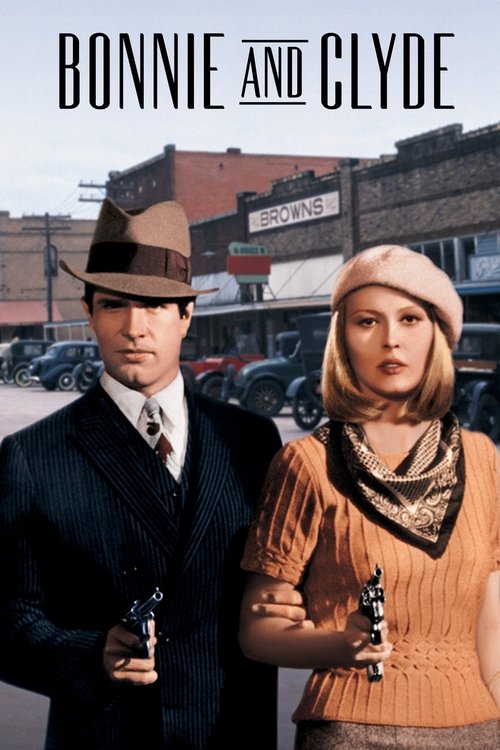
If you want to see the same bafflement, vented with ten times the subtlety, check out Warren Beatty, in “Bonnie and Clyde,” slumping away from Faye Dunaway and murmuring, “I told you I warn’t no lover boy.”
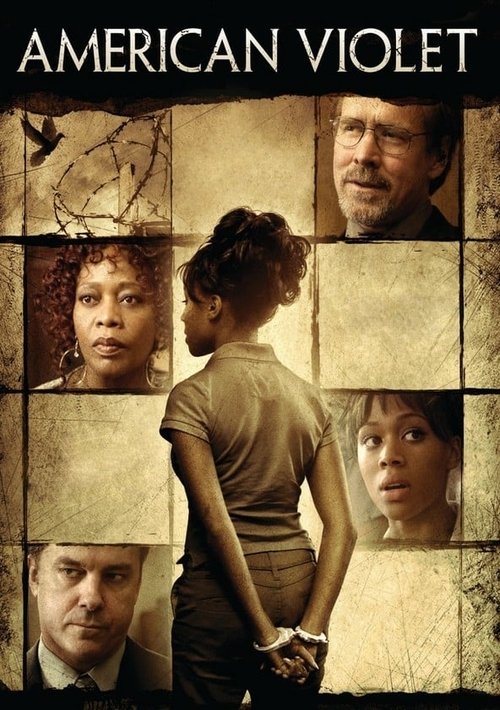
Brandon doesn’t enjoy sex -- when he tries to make love to a lovely coworker (Nicole Beharie: American Violet ) with whom he’s just had an actual grownup date, he can’t get an erection; he’s dumbfounded by how gentle and tender she is.
There is a small role from Nicole Beharie, who made a name for herself as the lead in the phenomenal American Violet, which starred Alfre Woodard.