
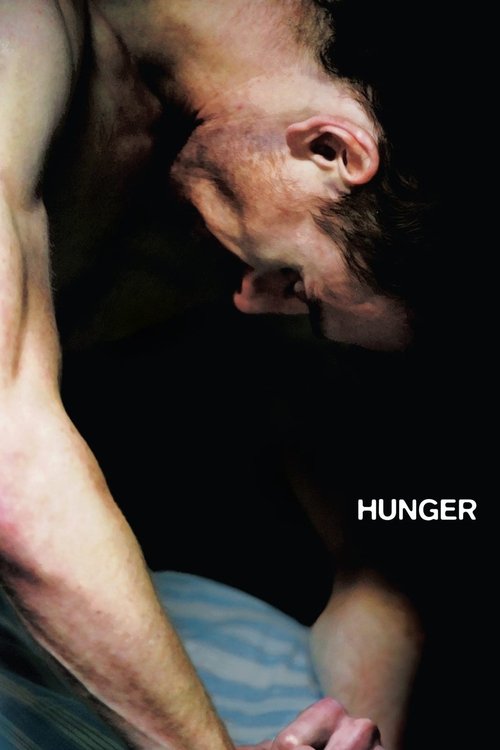
Hunger (2008)
Directed by Steve McQueen
The story of Bobby Sands, the IRA member who led the 1981 hunger strike during The Troubles in which Irish Republican prisoners tried to win political status.
5 connections found
View:
5 connections, in both directions
What critics compared Hunger to



(Hunger also qualifies as the most stylistically radical film about the Troubles since Elephant, a still-bracing nonnarrative 1989 short by the late Clarke.
The most obvious antecedents to McQueen’s movie are Mel Gibson’s “The Passion of the Christ” and Alan Clarke’s plague-on-both-your-houses “Elephant”.
Nor is it the only attempt to distil the Troubles down to decontextualised snatches of brutality, as Alan Clarke did with his 1988 Elephant.


There's no question that Shame marks a demonstrable leap forward for filmmaker Steve McQueen, as the movie effectively marries the director's distinctive sense of style with a narrative and a central character that are, for the most part, consistently compelling - which was certainly not the case of McQueen's striking yet middling debut, Hunger.
Much has been made of the McQueen-Fassbender relationship (previously established in "Hunger") and that Fassbender might be McQueen's DeNiro.
As he did in Hunger, director Steve McQueen moves his camera informatively through the silence, with eloquent precision, and once more his primary focus is actor Michael Fassbender.
Three years ago the British artist Steve McQueen , winner of the 1999 Turner prize and famous for his film installations, made a remarkable feature debut as the director of Hunger, an account of the hunger strikes in Ulster's Maze prison in the early 1980s that culminated in the death of Bobby Sands.
Cowriter and director Steve McQueen, who last worked with Fassbender on Hunger , shoots Shame in long takes, and the scenes themselves are long, too, even when there are cuts.
McQueen, a Brit who attended art schools and worked in visual installation before turning to feature films, was lauded for “Hunger” (2008), and rightly so, although even that movie, about an I.R.A. hunger-striker (also played by Fassbender), was imperilled by the coolness of its own gaze.
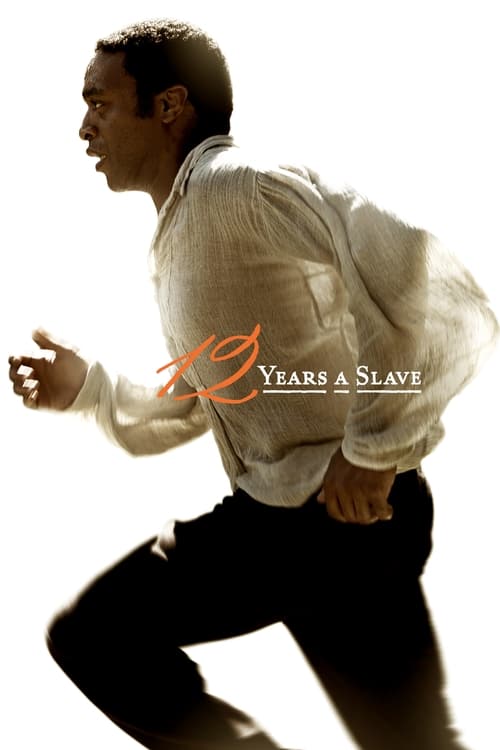
But unlike British director Steve McQueen’s previous hard-to-sit-through efforts “Hunger” and “Shame,” “12 Years a Slave” transcends the misery it depicts and becomes a tribute to the ability of one resolute human being, not only to endure deprivation and isolation, but to prevail.
The deviance being portrayed is a variation of what McQueen, a British conceptual artist turned filmmaker, explored in "Hunger," about the cruelties imposed on IRA prisoners by the British army, and in "Shame," about a self destructive sex addict, both starring Fassbender.
In this story of the slavery of African Americans, he has found a suitable fit for the preoccupation with spiritual and corporeal punishment seen in his earlier films (the hypnotic Hunger and the grave, inadvertently hilarious Shame).
The narrative plays as a chronological litany of abuses and whippings and threats at times, and it is surprisingly conventional in its melodramatic repetition of these ills when compared to McQueen's art-house sensibilities from his films "Hunger" and "Shame," which are rarely in evidence here.
In his 1993 gallery performance, “Bear,” McQueen and another man wrestled naked, as he does in movies with Big Themes: “Hunger”’s starvation artist stands alongside “Shame”’s unstemmable sex seeker.
12 Years A Slave is a bruising emotional experience, but it’s often cool to the touch, directed with same rigor that McQueen brought to Hunger, his stark recounting of a Northern Irish prison strike, and Shame, which worked to mirror the joyless obsessions of a sex addict.

Cinematographer Sean Bobbit (Steve McQueen’s Shame and Hunger) pulls right up alongside the cage bars and peers in, rendering the bikes abstract as they buzz by.
The Place Beyond the Pines is a much bigger canvas, and scene by scene it can be riveting, in part because of the meticulous widescreen camerawork (the d.p. this time is Sean Bobbitt, who shot Hunger and Shame for Steve McQueen) and also because of Cianfrance's sure touch with actors, who manage to rise above the ultimately thin and repetitive material.

Particularly interesting indeed is the film’s depiction of the last six weeks of Sands’s life, as actor Michael Fassbender goes through the kind of extreme physical transformation that Christian Bale previously undertook in “The Machinist.”
In the most punishing feat of acting since Christian Bale’s dramatic 63-pound weight loss for The Machinist in 2004, Fassbender goes from a handsome, fit and camera-ready Paul Newmanish type to a skeletal cadaver in the film’s third section.
Compare Fassbender's emaciation to Christian Bale's similar work in The Machinist , and it's hard not to conclude that getting thin is the entirety of Fassbender's performance; in no other way does he really bring Bobby Sands to life, because Bobby Sands, in the film, is nothing but an icon.
For all the power in this central scene, which features bravura work from Cunningham and Fassbender (excellent throughout, and whose turn as a hunger artist ranks with Christian Bale's perf in "The Machinist"), the stasis of the visuals means it plays like a piece of legit plonked in the middle of the movie.
I thought Christian Bale took his job seriously in "The Machinist" but Fassbender's dedication to his role was exemplary, and very disturbing to behold.