
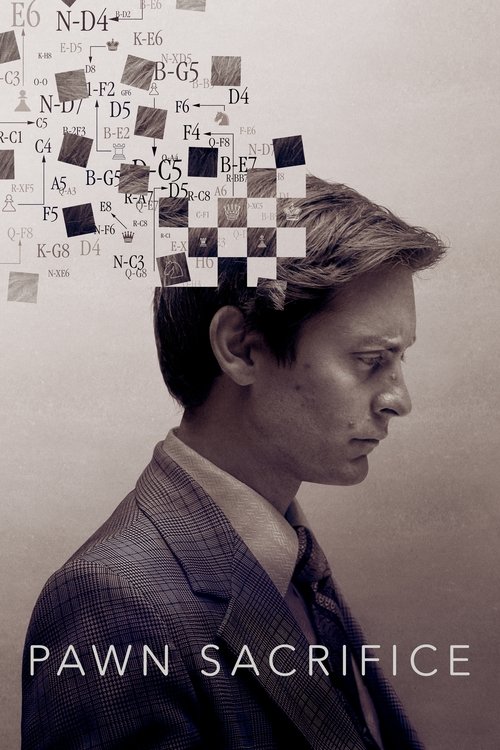
Pawn Sacrifice (2015)
Directed by Edward Zwick
During the height of the Cold War, American chess prodigy Bobby Fischer finds himself caught between two superpowers when he challenges the Soviet Empire.
20 connections found
View:
20 films that influenced Pawn Sacrifice
What critics say influenced Pawn Sacrifice
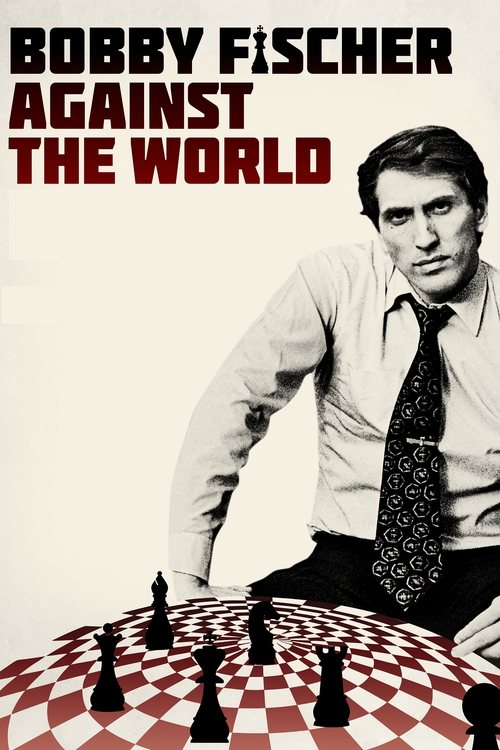


If you didn’t live through the hysteria that accompanied the Cold War chess showdown between Bobby Fischer and his Soviet opponent, Liz Garbus’ 2011 documentary, “Bobby Fischer Against the World” does a pretty good job of capturing the circus on film.
Pawn Sacrifice also lacks the clarity of Liz Garbus' documentary Bobby Fischer Against the World (2011).
Liz Garbus’s documentary Bobby Fischer Against the World is a lot more dramatic.
Although the zeitgeist-capturing film handsomely dramatizes elements of Liz Garbus’s excellent 2011 documentary Bobby Fischer Against the World, Fischer is still an enigma at the film’s end.
If you're looking for a more complete look at the Fischer/Spassky showdown, the documentary "Bobby Fischer Against the World" provides the most thorough examination.
When it comes to the big match, you might want to track down the excellent documentary "Bobby Fischer Against the World" for the full blow by blow, but Zwick's film gets to the essence of it.
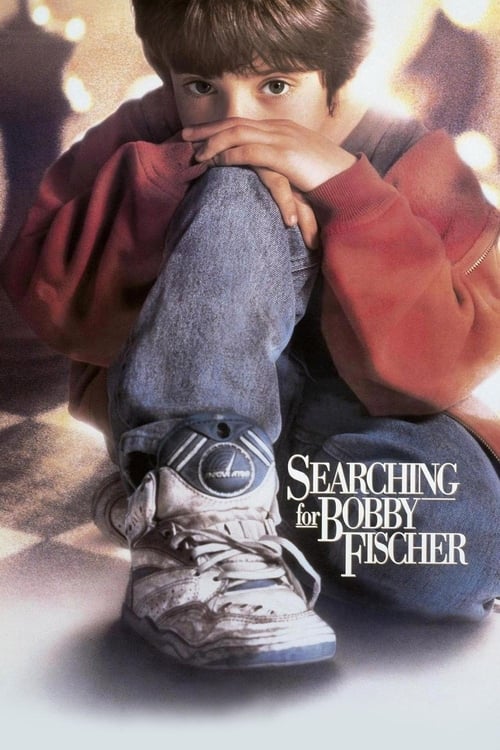
My knowledge of the man was always miniscule: a footnote to a 1980s film I watched religiously called Searching for Bobby Fischer.
Pawn Sacrifice lacks the humanity of the Steven Zaillian film, Searching for Bobby Fischer (1993).
"Searching for Bobby Fischer" may be the best look at what growing up with such incredible chess skill can do to a child's psyche.
Chess may not seem like a terribly dramatic sport, but Fischer's operatic life and the innovative, unwaveringly focused way he played the game has inspired several excellent films, including Steve Zaillian's underappreciated "Searching for Bobby Fischer" and Liz Garbus' completely fascinating documentary, "Bobby Fischer Against the World."

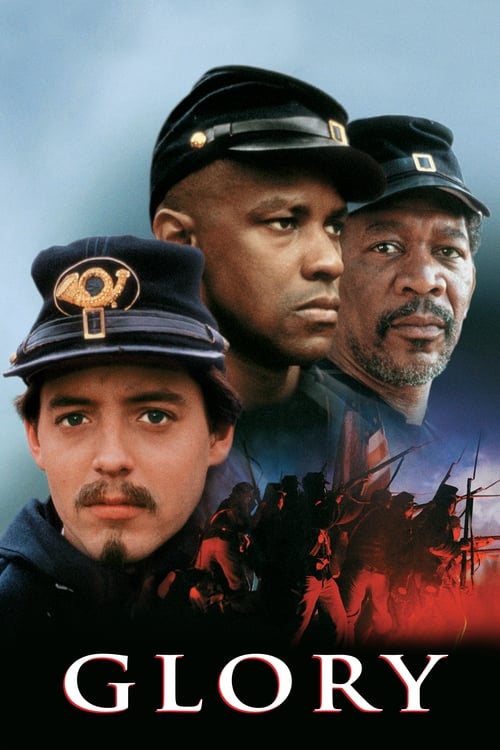
Screenwriter Steven Knight (“Eastern Promises”) and director Edward Zwick (“Glory”) make the U.S. vs. U.S.S.R. rivalry the film’s central focus.
Directed by Oscar-winner Edward Zwick (Glory, The Last Samurai), Pawn Sacrifice is a very handsome and visually well-crafted addition to the biopic genre, thanks in no small part to the combined efforts of Zwick and director of photography Bradford Young ( Selma ).
Going back, Zwick first struck gold with Glory (1989), an amazing combination of war movie, true story, and a plea for racial tolerance.
Many of his best-known works—Glory, The Last Samurai, and Love and Other Drugs—are biopics of one kind or another, telling inspirational and dramatic tales of history crammed into neat three-act plot structures.
Great effort went into making “Pawn Sacrifice,” about chess beast Bobby Fischer (Tobey Maguire), into a powerfully bland biopic — the kind of barndoor broad, montage- and pop hits-heavy crowd-pleaser that is “Glory” and “The Last Samurai” director Edward Zwick’s stock in trade.
That approach, from director Ed Zwick (“Glory”) and screenwriter Steven Knight (“Locke”), is helped immeasurably by the bravura performance of Tobey Maguire as Fischer.

El director Edward Zwick (Love & Other Drugs, 2010; The Last Samurai, 2003) establece el ambiente de la película en la primera escena, donde se nos muestran una serie de fragmentos de las noticias mundiales informando que Bobby Fischer no se presentó al segundo encuentro con Boris Spassky, mezclados con imágenes del propio ajedrecista desarmando los teléfonos y rasgando las pinturas que adornan la habitación en la que se encuentra; se trata de un evento importante a punto de ser saboteado por la paranoia del jugador americano.
Directed by Oscar-winner Edward Zwick (Glory, The Last Samurai), Pawn Sacrifice is a very handsome and visually well-crafted addition to the biopic genre, thanks in no small part to the combined efforts of Zwick and director of photography Bradford Young ( Selma ).
Many of his best-known works—Glory, The Last Samurai, and Love and Other Drugs—are biopics of one kind or another, telling inspirational and dramatic tales of history crammed into neat three-act plot structures.
Great effort went into making “Pawn Sacrifice,” about chess beast Bobby Fischer (Tobey Maguire), into a powerfully bland biopic — the kind of barndoor broad, montage- and pop hits-heavy crowd-pleaser that is “Glory” and “The Last Samurai” director Edward Zwick’s stock in trade.
Directed with earnest blandness by Edward Zwick ("Glory," "The Last Samurai" ) from a script by Steven Knight ( "Eastern Promises" ), the film follows the standard biopic formula, starting with Bobby as an intense, precocious kid who becomes America's youngest chess champion, before becoming a paranoid, temperamental adult played by Tobey Maguire.
The Last Samurai (2003) received four nominations, Blood Diamond (2005) received five, and Defiance (2008) received one.
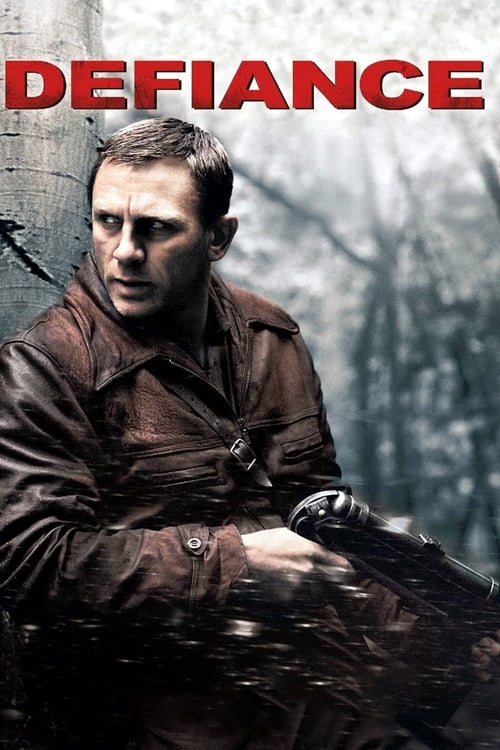
Tobey Maguire (“Spider-Man”) is workable as Fischer, especially in his most contemplative moments, and the ever-enjoyable Liev Schreiber (“Defiance”) is fine as Spassky.
The Last Samurai (2003) received four nominations, Blood Diamond (2005) received five, and Defiance (2008) received one.
Zwick (“Glory,” “Defiance”) and screenwriter Steven Knight combine a character portrait with a sports drama in this story stretching from Fischer’s boyhood in 1950s Brooklyn to the 1972 Fisher-Spassky match-up in Reykjavik, Iceland.
Some have criticized his medium-to-large-budget action films – titles that include Glory, Defiance and Blood Diamond – as too simplistic, which would have stained those efforts more if they were not so compelling and exciting.
Looking coolly unflappable behind ever-present sunglasses and speaking excellent Russian, Schreiber (who also starred in Zwick's "Defiance") makes Spassky the perfect foil for Fischer.
Director Edward Zwick makes movies that require heroes, like a rebel freedom fighter (Defiance, Glory) or a lovesick cowboy (Legends of the Fall).
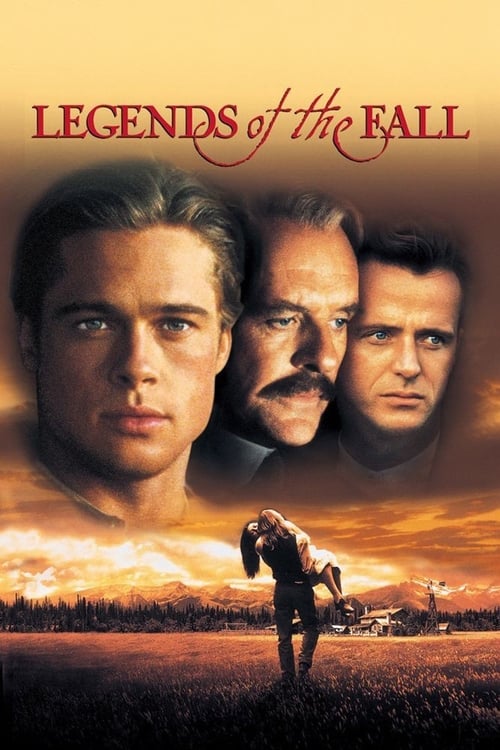
I must admit some hesitancy that a director like Edward Zwick was up to the task; after all, his work to date has mostly been of the dramatic and historical ilk (most notably Glory, The Last Samurai, and Legends of the Fall), and though he’s shown some comic ability with rom-coms like About Last Night and Love & Other Drugs, I’d have never guessed there was another Mel Brooks lurking within his dour filmography.
First he was the preternaturally gifted writer James Leer in Curtis Hanson's wonderful 2000 picture of that name, and now he's the mercurial chess prodigy Bobby Fischer in the riveting new work from Edward Zwick (Legends of the Fall).
Director Edward Zwick makes movies that require heroes, like a rebel freedom fighter (Defiance, Glory) or a lovesick cowboy (Legends of the Fall).
Legends of the Fall (1994) was nominated for three Oscars and won one.
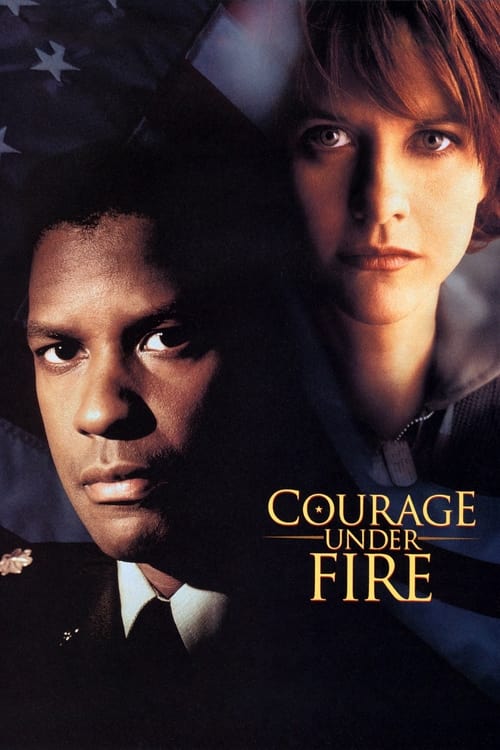
(One of his most acclaimed films, Courage Under Fire, from 1996, featured Denzel Washington in the lead, but was ignored by the Oscars.
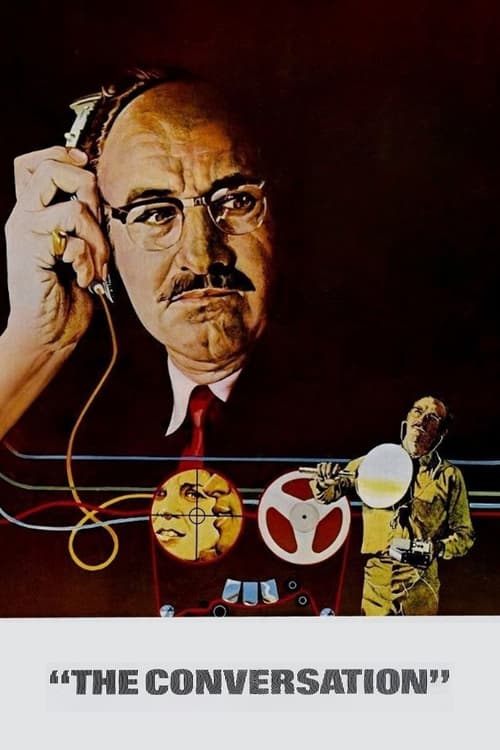
Edward Zwick’s sometimes compelling but miscast and overly conventional “Pawn Sacrifice” begins with a scene reminiscent of Francis Coppola’s “The Conversation” (1974).
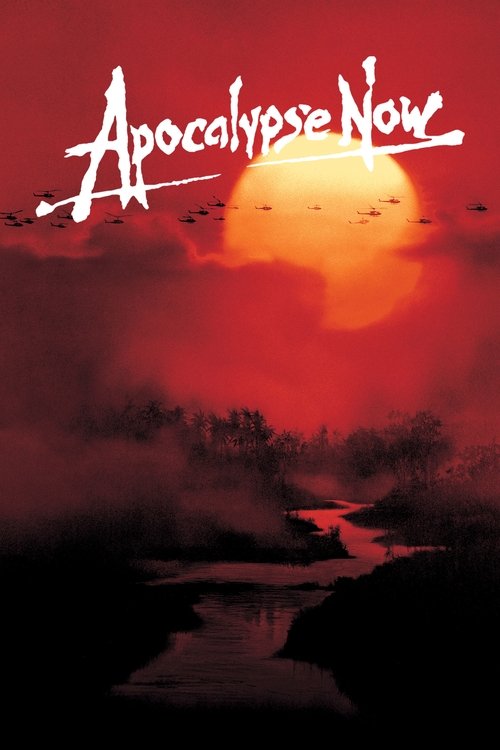
He is going slightly mad, and the hazy lighting and superimpositions is a callback to the opening hotel scene from Apocalypse Now.
Advertisement
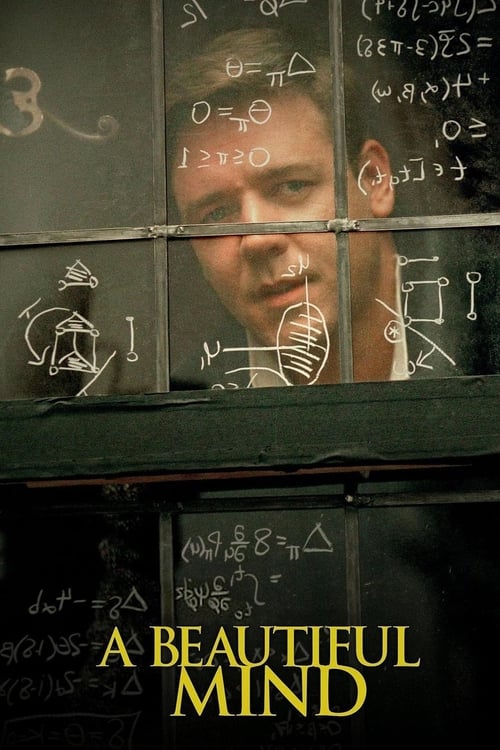
Worse still, Zwick provides no shading or subtext to Fischer’s ill-defined disorder, leaving us with a bland retread of the paranoid visionary template familiar from The Aviator and A Beautiful Mind.
The director is a pro and hits all his marks, but apart from some fancy, A Beautiful Mind–like computer effects in early matches, Zwick hasn’t figured out how to bring this complicated head game to life cinematically.
Sort of equal parts A Beautiful Mind and Frost/Nixon, the picture culminates with a re-creation of 1972's legendary World Chess Championship in Reykjavik, Iceland, where Fischer and Spassky faced off in a 21-match marathon that the press dubbed "World War III on a chessboard."
Screenwriter Steven Knight (“Eastern Promises”) and director Edward Zwick (“Glory”) make the U.S. vs. U.S.S.R. rivalry the film’s central focus.
The screenplay by the talented Steven Knight (“Locke,” “Dirty Pretty Things,” “Eastern Promises”) propels the story, weaving bits of humor into the drama.
So the film comes down to the choices made by Zwick and his fine screenwriter Steven Knight (“Locke,” “Eastern Promises”).
It’s possible the script by Steven Knight (Eastern Promises, Locke) better fleshed out the supporting characters in Pawn Sacrifice at some point, allowing them to reflect the enigmatic Fischer and his effect on the world, at large.
Working from a screenplay by Steven Knight (“Eastern Promises”), director Edward Zwick (“Blood Diamond”) demonstrates admirable restraint, artfully telling a story that’s sufficiently interesting to engage moviegoers without undue, Hollywood-style melodramatics.
It's a lot to deal with narratively and thematically, and the script by Steven Knight ("Locke," "Eastern Promises"), who rewrote the original draft by Stephen J. Rivele and Christopher Wilkinson (the pair have plenty of biopic experience under their belts with "Nixon" and "Ali") doesn't always get everything across clearly.
Pawn Sacrifice pushes through the decades with a Forrest Gump-like gloss on history – cue the archival footage reel set to a Top 40 tune – and celebrates the conclusion of the Spassky-Fischer match with a montage of Americans celebrating at home, including the kindly hooker who deflowered Fischer and the mom that abandoned him (and the film abandoned in kind).
It's a lot to deal with narratively and thematically, and the script by Steven Knight ("Locke," "Eastern Promises"), who rewrote the original draft by Stephen J. Rivele and Christopher Wilkinson (the pair have plenty of biopic experience under their belts with "Nixon" and "Ali") doesn't always get everything across clearly.
Advertisement
(My major memory is from the spillover into pop culture — like the bogus ad in National Lampoon with a doctored picture from The Seventh Seal promising, “Bobby Fischer shows you how to beat Death.”)
The screenplay by the talented Steven Knight (“Locke,” “Dirty Pretty Things,” “Eastern Promises”) propels the story, weaving bits of humor into the drama.
The screenplay, by Steven Knight (“Dirty Pretty Things,” “Locke”), frontloads the film with overtures for our sympathies by getting our hero into our good graces before he starts ranting about “the Jews.”
The real Fischer was taller than his opponent, and blonde, but director Ed Zwick (Glory)—working from a schematic script by Steven Knight (Dirty Pretty Things) and Stephen J. Rivele (Nixon)—sees this chess master as a kind of mousy everyman, cracking under the stress of competing ideologies.
As written by the reliable Steven Knight ("Dirty Pretty Things," "Locke") and directed by the veteran Edward Zwick, the film's straight-ahead approach matters less than the complete and utter strangeness of the true story it convincingly tells.