

Eastern Promises (2007)
Directed by David Cronenberg
A Russian teenager living in London dies during childbirth but leaves clues in her diary that could tie her child to a rape involving a violent Russian mob family.
21 connections found
View:
21 films that influenced Eastern Promises
What critics say influenced Eastern Promises
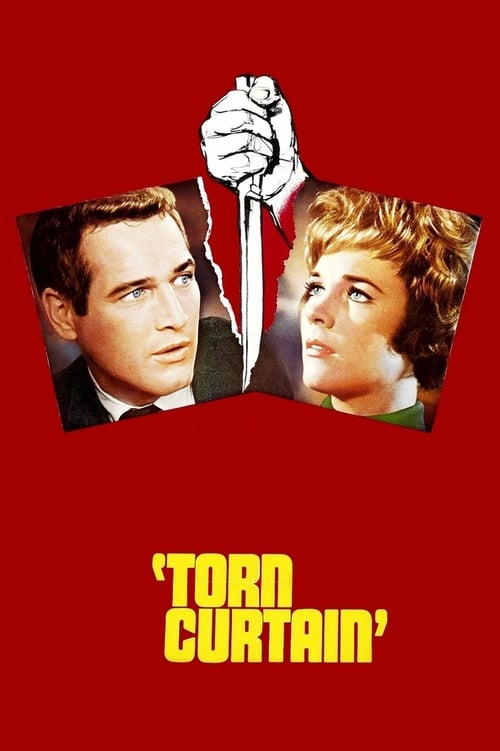


Watts is equally fine, but her character has nothing in the line of Mortensen's visceral, vital, and very nude bathhouse battle â a grueling, almost unwatchably physical sequence that rivals the farmhouse murder in Hitchcock's Torn Curtain for sheer, sweaty realism.
And in this sense, it reminds me of both the excruciatingly protracted struggle between Paul Newman and the Russian agent in "Torn Curtain," and the knock-down, drag-out fist-fest between Keith David and Rowdy Roddy Piper in John Carpenter's "They Live!
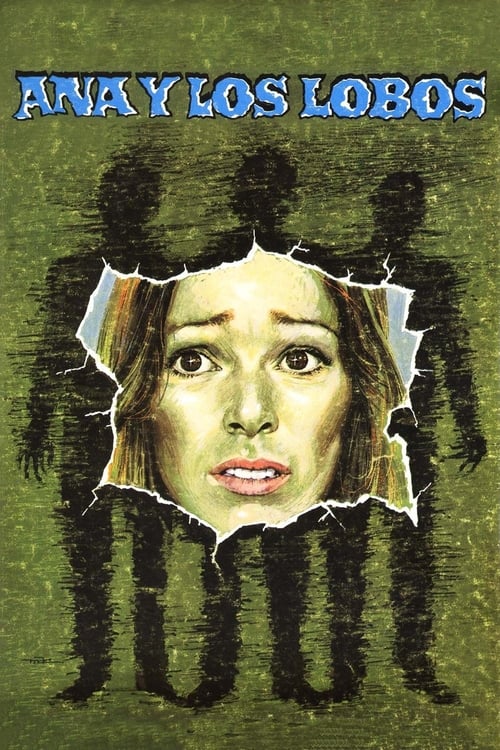
The story brings to mind the title of a forgotten Carlos Saura picture (Anna and the Wolves), and the fairy-tale element isn't lost on Cronenberg as he traces the emergence of a monstrous paterfamilias and the kidnapping of the child who threatens his kingdom.
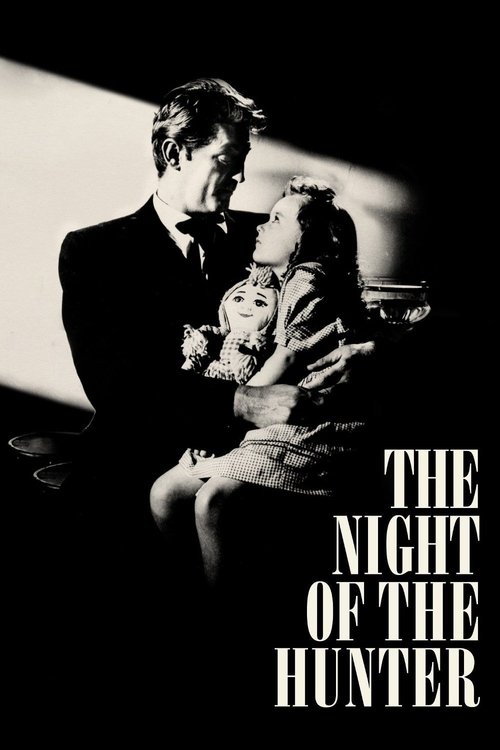
He was once a prisoner in Siberia, and has the tattoos to prove it; he even sports them on his knuckles, like Robert Mitchum in “The Night of the Hunter.”
Written by Dirty Pretty Things screenwriter Steven Knight, Eastern Promises plays at first like several films at once.
The script is by Steven Knight , author of the powerful " Dirty Pretty Things " (2002), about a black market in body parts.
Of course, London's underbelly is no stranger to writer Steven Knight who also penned 2002's superb illegal immigrant drama, "Dirty Pretty Things" .
The film hits you over the head with its magnificently written story (Steven Knight, of "Dirty Pretty Things"), not with a message.
David Knight's script for Eastern Promises is a thoroughly lackluster extension of the immigrant-underworld seediness he exploited in Dirty Pretty Things, but Cronenberg surveys Knight's borsht eatery of a thousand clich�s and locates a signature shot, the epicene blonde minstrel presenting "Ochi chyornye" to an ancient customer before her centennial cake.
The script, by the English writer Steven Knight ("Dirty Pretty Things"), was originally intended for British television.
Advertisement

It was so successful, he continued the trend with yet another traditional effort, the topflight gangster movie "Eastern Promises" (2007).
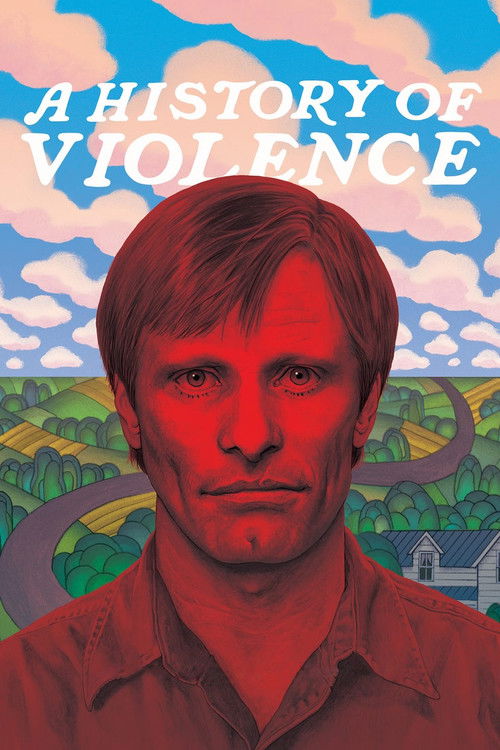
David Cronenberg continues to eschew his tentacles, orifices and “new flesh” of yore with “Eastern Promises,” an intense crime thriller that keeps the director in the same gangsterish realm of his recent hit “A History of Violence.”
Whether it's the venereal metaphors of his early work (Shivers, Rabid) or the through-the-looking-glass, AIDS-esque horrors of The Fly or even the subtler moral conflagrations of 2005's A History of Violence, Cronenberg has an almost preternatural gift for exposing the intricacies, both physical and spiritual, of failures of the flesh (new or otherwise).
Such is the case in Eastern Promises, a new thriller reteaming director David Cronenberg with his A History of Violence leading man Viggo Mortensen.
While both this film and their first dramatic venture, A History of Violence , share a lot in common including the same visual style and smooth pace, Eastern Promises winds up being a much more ordinary movie than youd expect from Cronenberg as a director.
A sort of companion piece to Cronenberg's previous feature, "A History of Violence" (2005), "Eastern Promises" opens in a modest barber shop that recalls the small-town diner that was the site of unexpected brutality in "Violence."
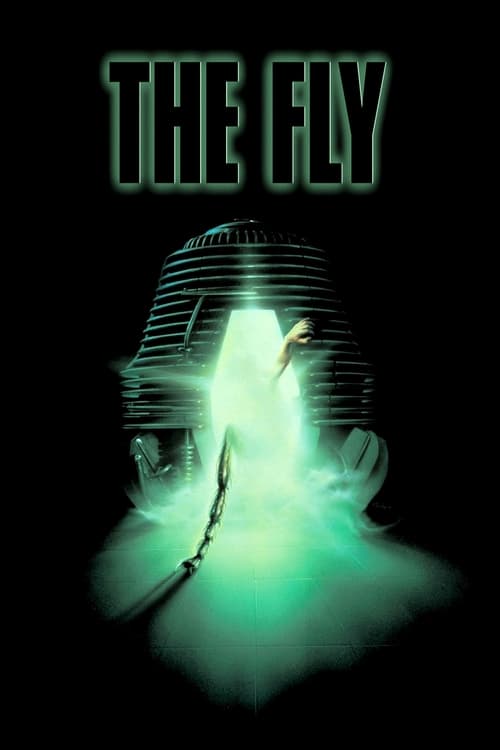
And now David Cronenberg - the onetime director of head-splatting horror classics (and not-so-classics) like "The Fly", "Videodrome" and "Scanners" follows up his meditation on brutality, "A History of Violence" , with "Eastern Promises", a deep, dark Russian-infused masterwork.
It can be a film-buff parlor game to try to decipher David Cronenberg's ideas, but in movies as diverse as A History of Violence, Crash, Spider, Dead Ringers, and The Fly, it's aggressively apparent that they are films of ideas.
But even when people's bodies undergo terrible things in a Cronenberg film (the exploding heads in Scanners, the transformation into an insect in The Fly), there's a sense of respect for the body itself.
Whether it's the venereal metaphors of his early work (Shivers, Rabid) or the through-the-looking-glass, AIDS-esque horrors of The Fly or even the subtler moral conflagrations of 2005's A History of Violence, Cronenberg has an almost preternatural gift for exposing the intricacies, both physical and spiritual, of failures of the flesh (new or otherwise).
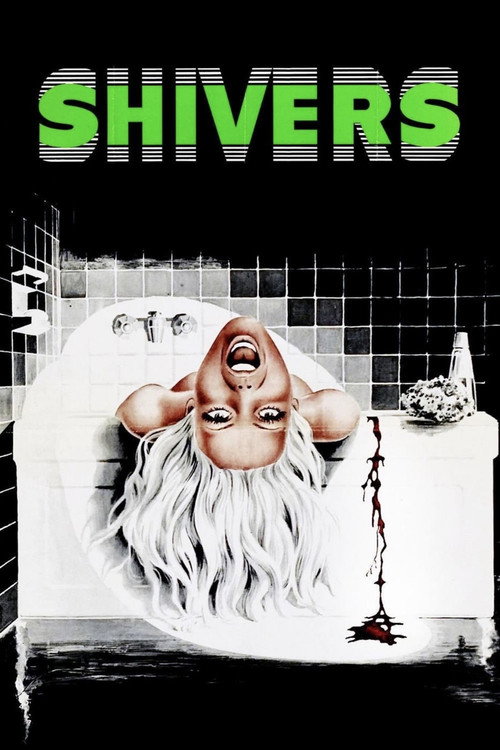
Whether it's the venereal metaphors of his early work (Shivers, Rabid) or the through-the-looking-glass, AIDS-esque horrors of The Fly or even the subtler moral conflagrations of 2005's A History of Violence, Cronenberg has an almost preternatural gift for exposing the intricacies, both physical and spiritual, of failures of the flesh (new or otherwise).
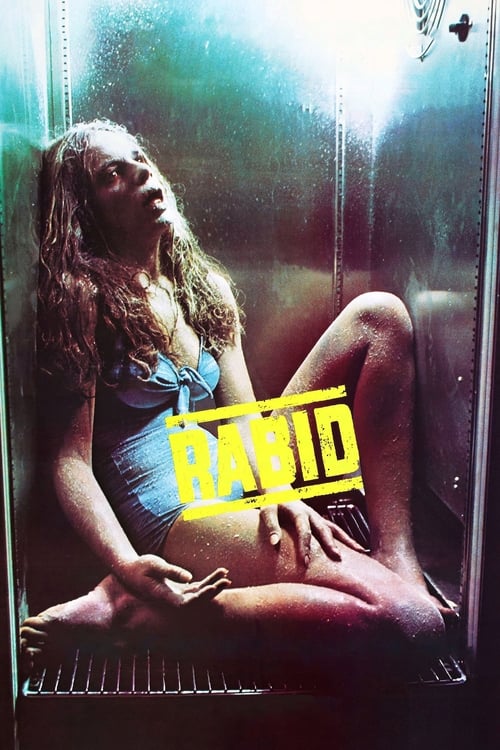
Whether it's the venereal metaphors of his early work (Shivers, Rabid) or the through-the-looking-glass, AIDS-esque horrors of The Fly or even the subtler moral conflagrations of 2005's A History of Violence, Cronenberg has an almost preternatural gift for exposing the intricacies, both physical and spiritual, of failures of the flesh (new or otherwise).
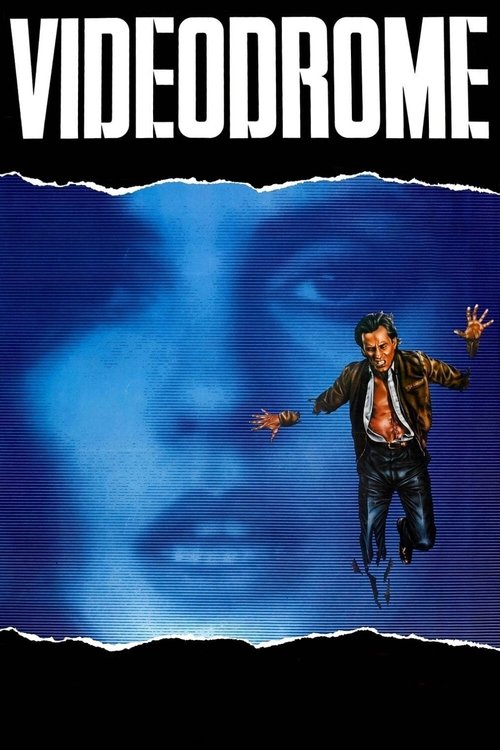
The movie actually is not particularly gruesome by the standards of Cronenberg's early fantasy work ("The Brood," "Videodrome"), but its realism perhaps heightens its impact.
And now David Cronenberg - the onetime director of head-splatting horror classics (and not-so-classics) like "The Fly", "Videodrome" and "Scanners" follows up his meditation on brutality, "A History of Violence" , with "Eastern Promises", a deep, dark Russian-infused masterwork.
Even in more recent, less fantastical work ( “A History of Violence” and “Eastern Promises” ), he rarely separates sex from violence — poking and prodding to seek potentially perilous similarities in the chemical reactions those acts cause.
These days he's still kicking much ass on films like Eastern Promises and A History of Violence, but the Canadian-born David Cronenberg started his career with one hell of a genre streak: Shivers (1975), Rabid (1977), The Brood (1979), Scanners (1981), Videodrome (1983), The Dead Zone (1983), The Fly (1986), and Dead Ringers (1988).
Who would have thought that the director of such sci-fi horror classics such as Scanners, Videodrome, and The Fly would be the new force within the crime genre?
Eastern Promises, a sleek, stylish thriller about slavery within the seedy underworld of the Russian mob in Britain, may sate his die-hard fans with the one literally eye-popping scene that is Cronenberg to its core, but it far from lives up to the bar set by Dead Ringers (1988), Videodrome (1983), or The Brood (1979).
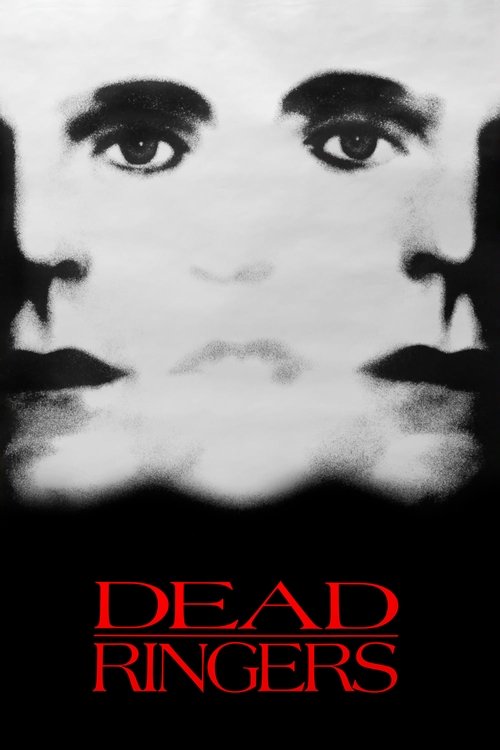
Judging from the control, precision, steely chilliness, almost palpable aura of intellectual accomplishment and splashes of gore that characterize the typical David Cronenberg production, one might picture the director at work in a surgical mask and gown, as if the soundstage were an operating theater and he were the secret brother of the identical twin gynecologists played by Jeremy Irons in his 1988 film, "Dead Ringers."
The focus of “Dead Ringers” (1988) was squarely, and squirmingly, on the operating theatre in which his heroes toiled, not on the Toronto where they lived, and although the small-town setting of his previous film, “A History of Violence” (2005), was lovingly detailed, Cronenberg had no hesitation in breaking camp, halfway through, and shifting the story elsewhere.
But her husband, Oscar winner Jeremy Irons, starred in the director's "Dead Ringers" and "M.
Cronenberg may appear to have edged into the cinematic mainstream of a violence decidedly more random than his previous meditations on gynecology as torture ("Dead Ringers") and existence as torture ("The Dead Zone").
It can be a film-buff parlor game to try to decipher David Cronenberg's ideas, but in movies as diverse as A History of Violence, Crash, Spider, Dead Ringers, and The Fly, it's aggressively apparent that they are films of ideas.
Eastern Promises, a sleek, stylish thriller about slavery within the seedy underworld of the Russian mob in Britain, may sate his die-hard fans with the one literally eye-popping scene that is Cronenberg to its core, but it far from lives up to the bar set by Dead Ringers (1988), Videodrome (1983), or The Brood (1979).
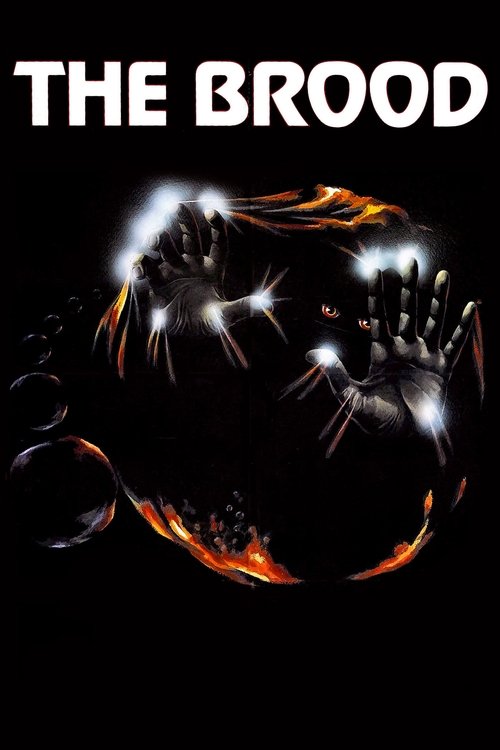
The movie actually is not particularly gruesome by the standards of Cronenberg's early fantasy work ("The Brood," "Videodrome"), but its realism perhaps heightens its impact.
Eastern Promises, a sleek, stylish thriller about slavery within the seedy underworld of the Russian mob in Britain, may sate his die-hard fans with the one literally eye-popping scene that is Cronenberg to its core, but it far from lives up to the bar set by Dead Ringers (1988), Videodrome (1983), or The Brood (1979).
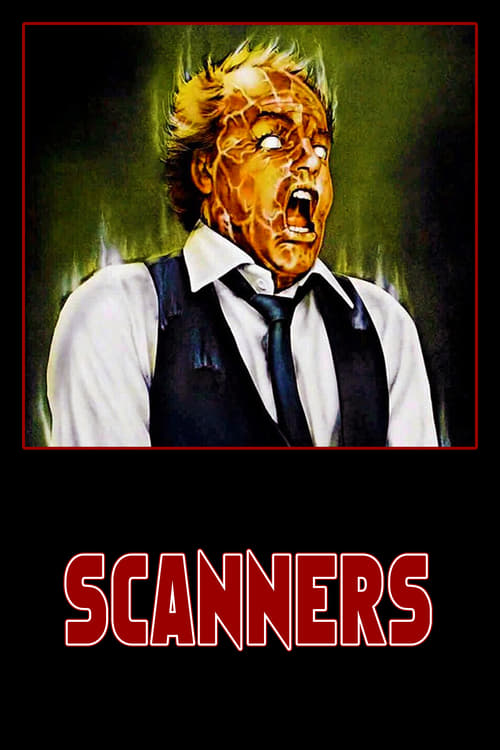
And now David Cronenberg - the onetime director of head-splatting horror classics (and not-so-classics) like "The Fly", "Videodrome" and "Scanners" follows up his meditation on brutality, "A History of Violence" , with "Eastern Promises", a deep, dark Russian-infused masterwork.
But even when people's bodies undergo terrible things in a Cronenberg film (the exploding heads in Scanners, the transformation into an insect in The Fly), there's a sense of respect for the body itself.
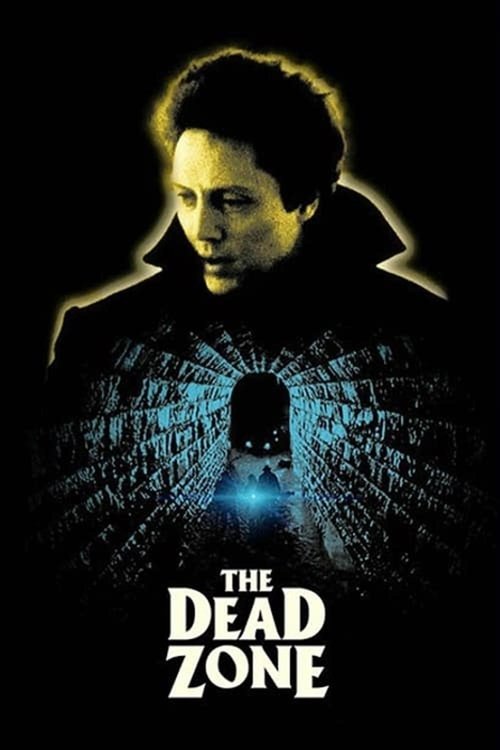
Cronenberg may appear to have edged into the cinematic mainstream of a violence decidedly more random than his previous meditations on gynecology as torture ("Dead Ringers") and existence as torture ("The Dead Zone").
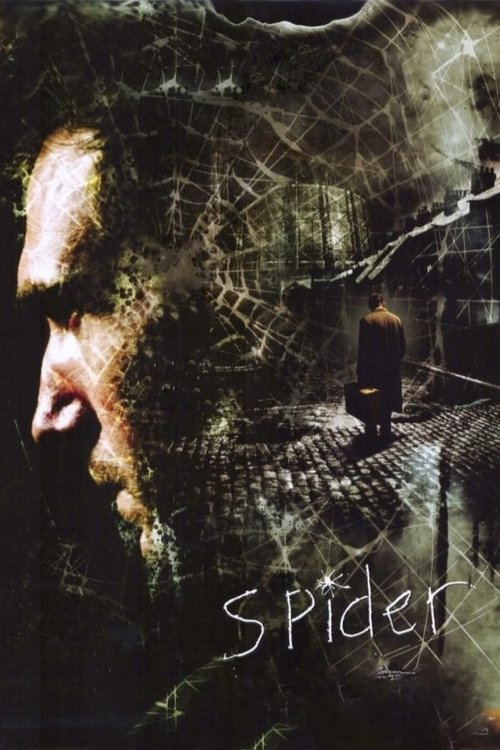
The result -- like its immediate predecessors, "Violence" and "Spider" (2002) -- is another quintessentially Cronenbergian film, even if the director hasn't worked from one of his own screenplays since "eXistenZ" in 1999.
Cronenberg's London is a cess seething beneath a veneer of "normalcy"; regarded as a toxic tabernacle in Spider , the city is transformed here into a garish, meticulously theatrical wonderland.
Nobody likes to call a practically perfect genre film that whirs along with the inerrant precision of a Swiss watch "hackwork," so let me instead suggest that Eastern Promises continues the evolution begun in Spider and A History of Violence whereby David Cronenberg is redefining himself as an exceptionally gifted director of essentially non-Cronenbergian films.
Then, there is London—the sombre, fraying patchwork through which Cronenberg picked his way in “Spider” (2002), and to which he now returns in “Eastern Promises.”
It can be a film-buff parlor game to try to decipher David Cronenberg's ideas, but in movies as diverse as A History of Violence, Crash, Spider, Dead Ringers, and The Fly, it's aggressively apparent that they are films of ideas.
Bottom line: Although it’s worth holding out hope that he’ll return to sci-fi films sometime soon, Cronenberg is on a tear with three consecutive, and wildly diverse, crime dramas (a winning streak that began with 2002’s mind-bending “Spider”).
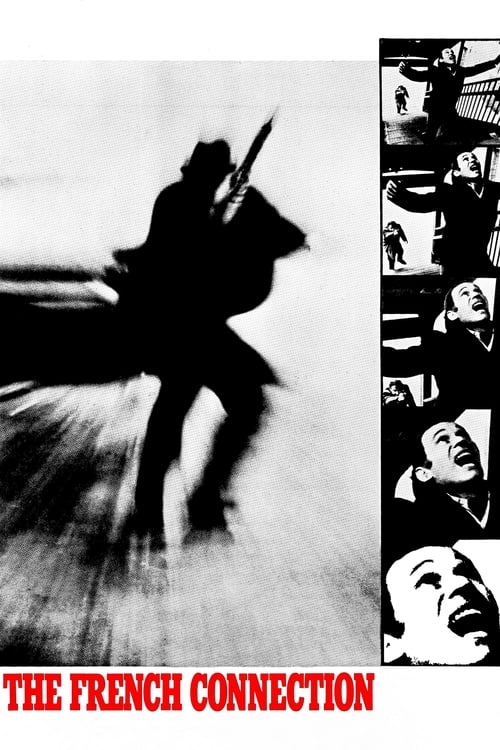
At a time when movie "fight scenes" are as routine as the dances in musicals, Nikolai engages in a fight in this film that sets the same kind of standard that " The French Connection " set for chases.
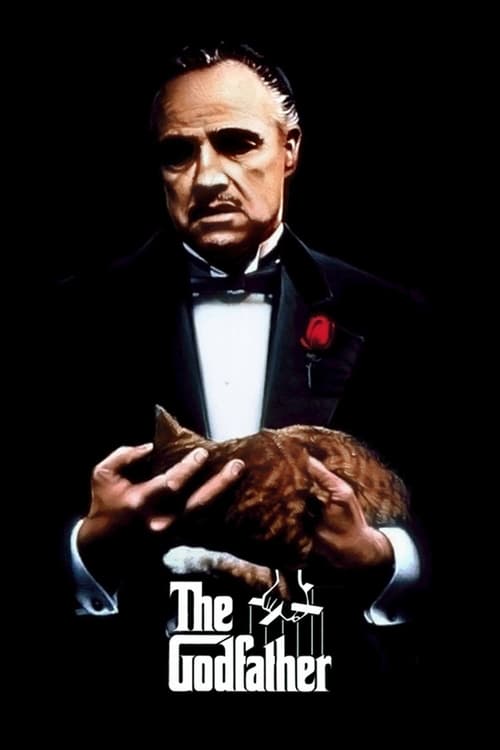
We're used to the grand romantic tragedians of The Godfather and the amoral thugs of Goodfellas.
This all may sound familiar to fans of a little film called "The Godfather".
Part of the relish in something like The Godfather is watching these ritualistic rationales play out, as well as sneaking a peek behind a frequently unseen curtain.
His latest offering evokes the emotional themes, and power, of "The Godfather."

Whether it’s a product of the high expectations we now have after witnessing Cronenberg’s ability to tap into the mainstream, or the simple fact that the two films have nothing in common, one thing’s for sure: making you believe something isn’t the same as delivering it, and while "Eastern Promises” would love to convince you it’s a thrilling crime drama in the same vein as “ The Departed ,” it falls short of its goal.
Interestingly, Cronenberg has gone on record saying he thinks his film is actually less violent than Martin Scorsese’s The Departed (2006).
Advertisement
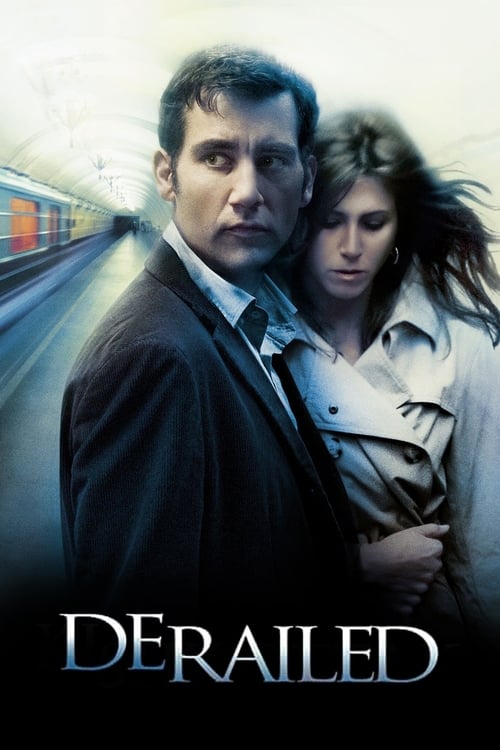
In contrast, Cassel ( Derailed ) doesn’t have a restrained bone in his body in Promises , and it works.
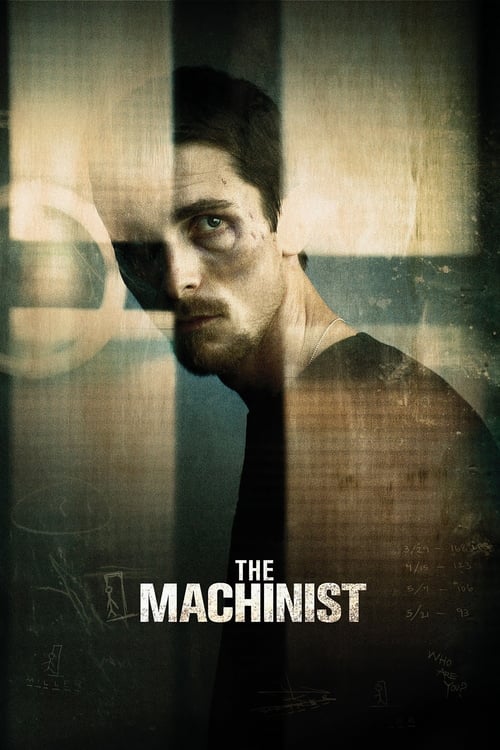
Suffice it to say, Mortensen has been given the role of a lifetime; his transformation into the complexly duplicitous, taciturn, and enigmatic Nikolai is one of the most complete vanishments into a character I've ever seen, so much so that it rivals Christian Bale's chameleonic turns in the equally discomfiting The Machinist and, more recently, Rescue Dawn.