
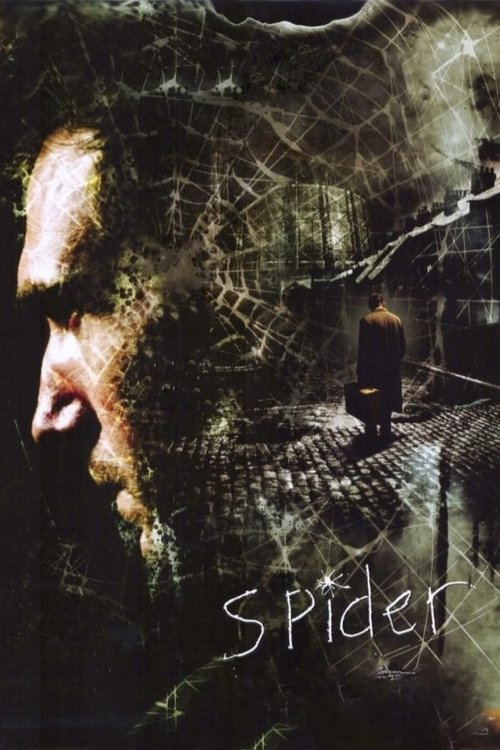
Spider (2002)
Directed by David Cronenberg
A mentally disturbed man takes residence in a halfway house. His mind gradually slips back into the realm created by his illness, where he replays a key part of his childhood.
18 connections found
View:
18 films that influenced Spider
What critics say influenced Spider

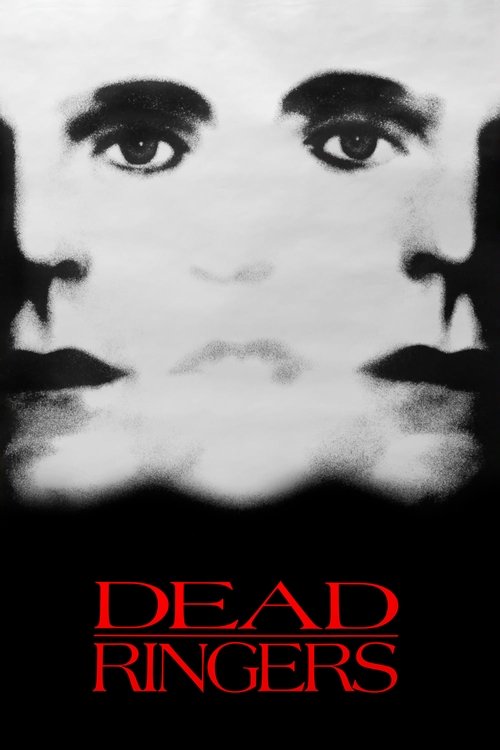


Clearly the controversial director of such paranoid, psychosexual, creepy scare fests as "Dead Ringers," "Crash," and "eXistenZ" has gone for low-key introspection this time around, taking as his source Patrick McGrath's novel of the same name, but "Spider" is so low-key in its themes of familial dysfunction leading to mental illness that it's almost embarrassing.
Enter stage lefts as in Dead Ringers and Crash, Cronenberg's fascination with Freud's theory of sex and the death urge.
As eXistenZ was a companion piece to his earlier Videodrome, Spider feels like the natural extension of Dead Ringers with Fiennes' character a singular parallel to the twinned Jeremy Irons'.
The rigor that Cronenberg shows here is so focused that it makes the psychological shenanigans of his Dead Ringers look like they belong in an old Frankenstein film.
Mutation and madness may lie at the center of David Cronenberg's best films ("The Fly," "Videodrome," "Dead Ringers"), but the real terror is in losing control and getting lost in the murky netherworlds between perception and reality.
When he announced that his next picture would be called "Spider," fans thought they knew what to expect - a high-voltage sequel to his 1986 shocker "The Fly," perhaps, or a tale of demented entomologists à la the 1988 thriller "Dead Ringers."
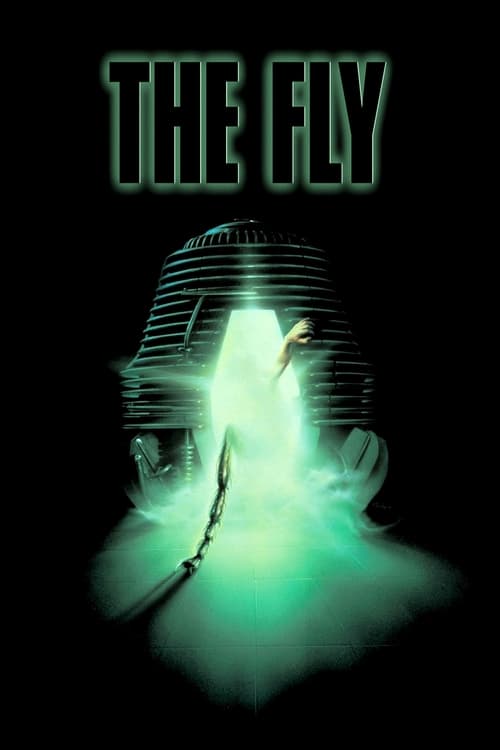
David Cronenberg comes to Spider having previously directed Jeff Goldblum in The Fly, suggesting a biology teacher in the making.
On past experience, the sight of his name attached to a film called Spider would raises expectations of something macabrely entomological along the lines of, say, Jeff Goldblum's painful metamorphosis from man into insect in Cronenberg's 1986 remake of The Fly.
Mutation and madness may lie at the center of David Cronenberg's best films ("The Fly," "Videodrome," "Dead Ringers"), but the real terror is in losing control and getting lost in the murky netherworlds between perception and reality.
When he announced that his next picture would be called "Spider," fans thought they knew what to expect - a high-voltage sequel to his 1986 shocker "The Fly," perhaps, or a tale of demented entomologists à la the 1988 thriller "Dead Ringers."
Director David Cronenberg, known for such psycho-surreal thrillers as "The Fly" and "Videodrome," returns to his recurrent theme of venereal horror, but with a mature, minimalist style.
Despite its lack of gore or visceral mutation Spider shares more in common with Videodrome (1983) and The Fly (1986) than films about mental illness.
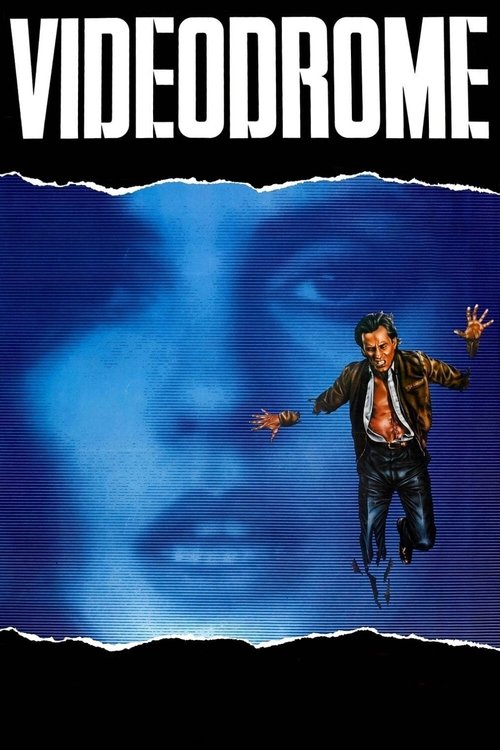
As a movie, Videodrome is rough and rushed, displaying little of the sense of style that the auteur would master in such later films as The Fly and Spider.
In Spider, the human mind creates a reality for its main character because the truth of his actions are too much to handle: psychosis as a kind of evolutionary fail safe, and this reality created from within is as real to him as the physical world.
Then, some of his later films (“Crash” [1996], “eXistenZ,” “Spider”) failed to find the right balance of cerebral and visceral, no matter how controversial the subject.
As eXistenZ was a companion piece to his earlier Videodrome, Spider feels like the natural extension of Dead Ringers with Fiennes' character a singular parallel to the twinned Jeremy Irons'.
Mutation and madness may lie at the center of David Cronenberg's best films ("The Fly," "Videodrome," "Dead Ringers"), but the real terror is in losing control and getting lost in the murky netherworlds between perception and reality.
Cronenberg has focused on mental aberration in movies like "Dead Ringers" and the 1982 fantasy "Videodrome," not to mention the '90s films "Naked Lunch" and "Crash," based on notorious novels by William S. Burroughs and J.G. Ballard.
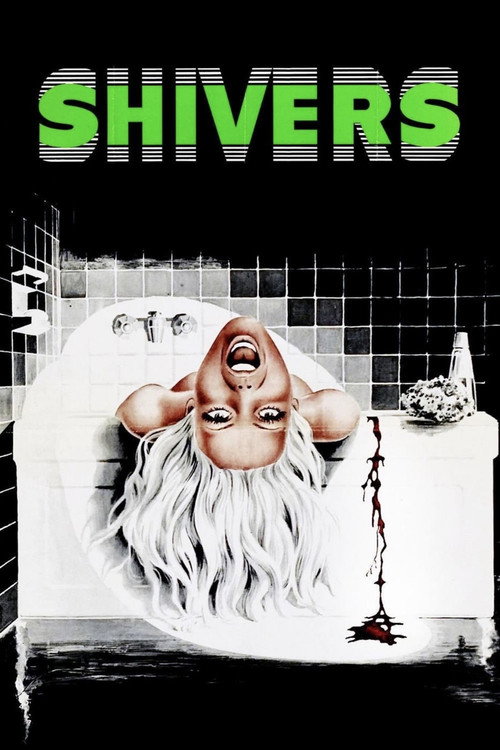
This horror can be traced throughout his career, all the way back to his debut feature, "Shivers."
But declaring that his newest, Spider, is possibly the strangest movie Cronenberg has ever made since his introduction to commercial filmmaking (with Shivers, a.k.a.

As eXistenZ was a companion piece to his earlier Videodrome, Spider feels like the natural extension of Dead Ringers with Fiennes' character a singular parallel to the twinned Jeremy Irons'.
Maybe the best way to move forward after exorcising secret societal desires in Crash and reality-bending escapist fears in eXistenZ was to take the road pointed inward.
"I was reading a lot of Beckett's novels and some new biographies when I was doing post-production on eXistenZ in London," says Cronenberg. "There are those wonderful photos of him walking through the streets of Paris with his notebook and his hair and his bag.
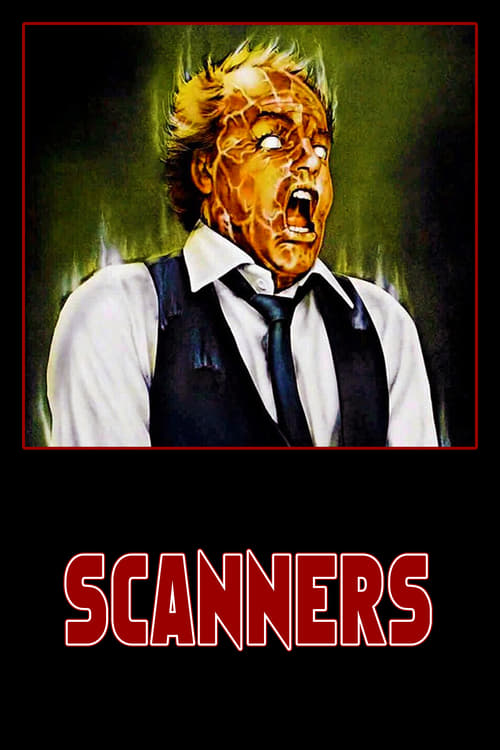
In some ways, he's become a Canadian Luis Buñuel, using outrageous characters and circumstance - which, in earlier films, such as "Scanners" (1981) were more about being outrageous - in the service of a quasi-conservative worldview.
When one hears that such a story is helmed by director David Cronenberg - who previously offered the likes of "eXistenZ," "The Fly" and "Scanners" - it's almost a certainty that things are going to be bizarre, or at least interesting.
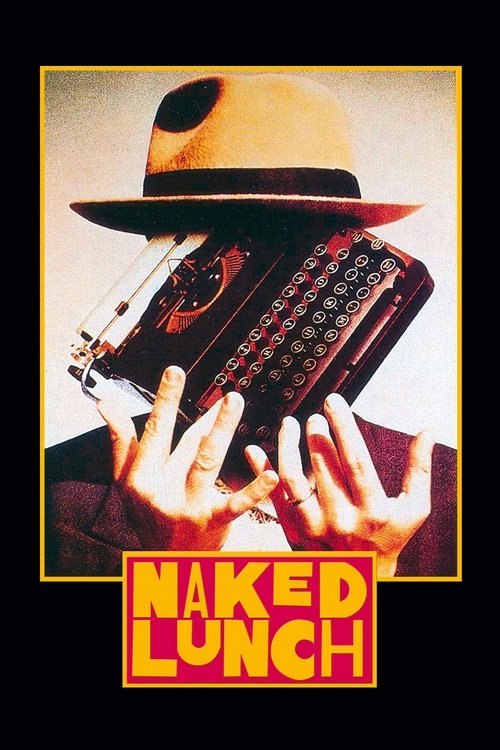
Cronenberg has focused on mental aberration in movies like "Dead Ringers" and the 1982 fantasy "Videodrome," not to mention the '90s films "Naked Lunch" and "Crash," based on notorious novels by William S. Burroughs and J.G. Ballard.
The cold look of the movie was beautiful and dated like "Naked Lunch" and "M Butterfly".
Though more reserved than Videodrome and Naked Lunch, the Toronto director's new movie is still another superb exercise in cinematic subjectivity that pulls the viewer into a mind on the brink of collapse.
Cronenberg ("Crash"/"Dead Ringers"/"Naked Lunch"/"eXistenZ") does a masterful job of capturing the literary qualities of McGrath's book and recreating it to film.
He is the man who brought William S. Burroughs' "unfilmable" novel Naked Lunch to the screen (complete with fully functioning "mugwumps" and gooey organic typewriters), in the process making perhaps the finest film ever about the act of writing.
While "Spider" may not be his most difficult film, it certainly ranks up there with "Crash" and "Naked Lunch."
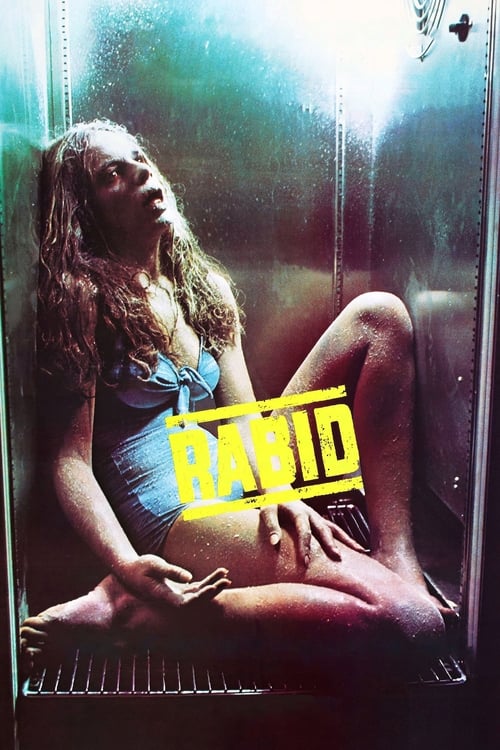
Cronenberg is, after all, the man who made Rabid, in which a vampiric penis sprouted from Marilyn Chambers' armpit.
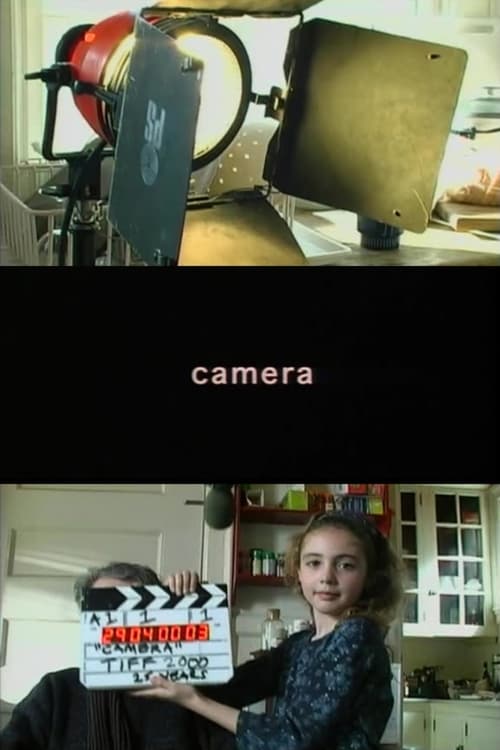
This masterful movie is as much about mortality as it is about madness, in the same vein as Camera, the devastating short Cronenberg made for the Toronto film festival in 2000.
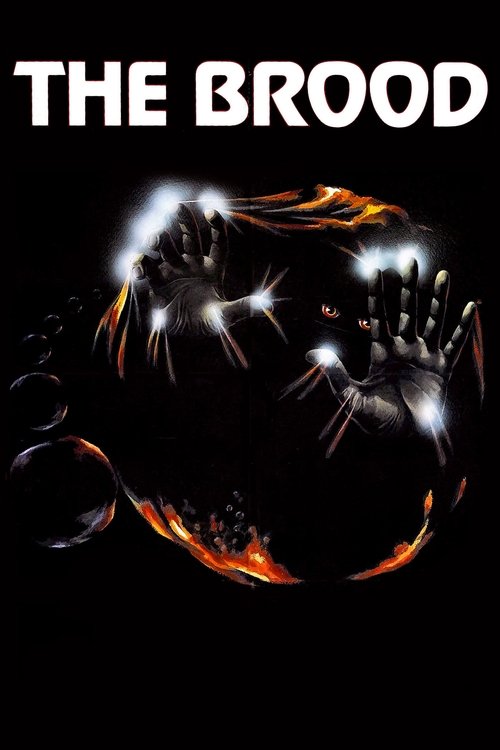
There are times when Cronenberg's cool scrutiny can be suggestively in sync with his main characters: the "Psycho-plasmics" therapist (Oliver Reed) and his avid patient (Samantha Eggar) in The Brood (1979), the inventor (Jeff Goldblum) regarding his mucky excrescences in The Fly, the twin gynecologist junkies of Dead Ringers (1988).
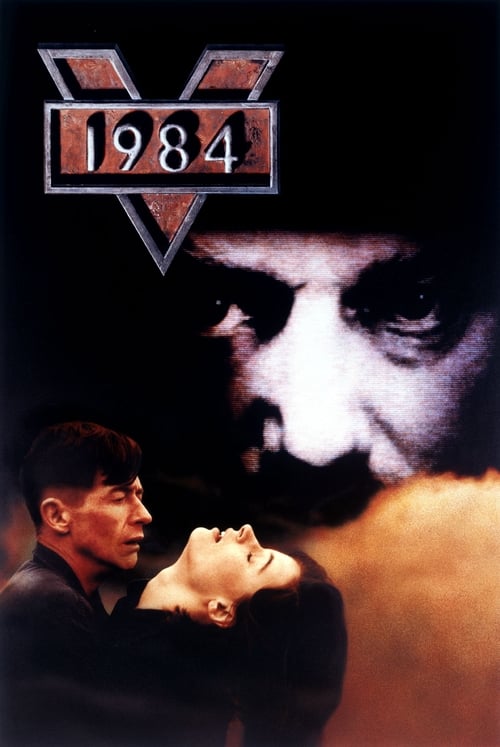
They move ahead purposefully while he wanders -- physically through desolate back streets that recall Orwell's bleak "1984" and mentally through a labyrinth of unsettling, half-digested memories.
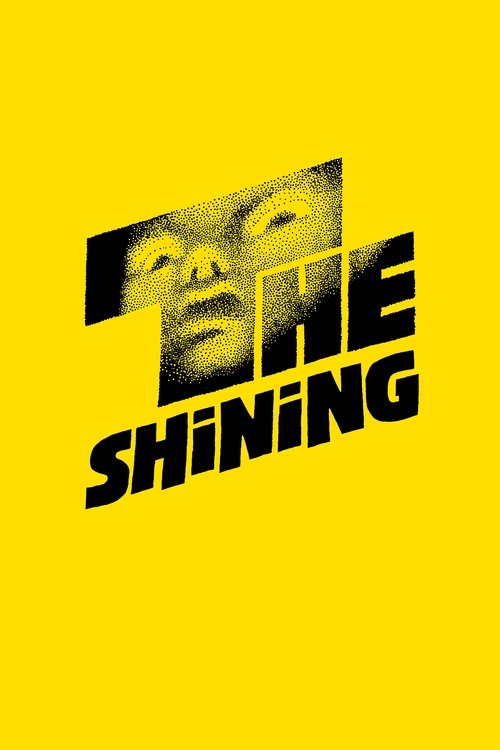
The heart of the picture deals with how a disturbed little boy became a disturbed adult, one who carries around a multipage notebook of minutely scribbled hieroglyphics that recall the pages from the novel Jack Nicholson wasn't quite writing in The Shining.
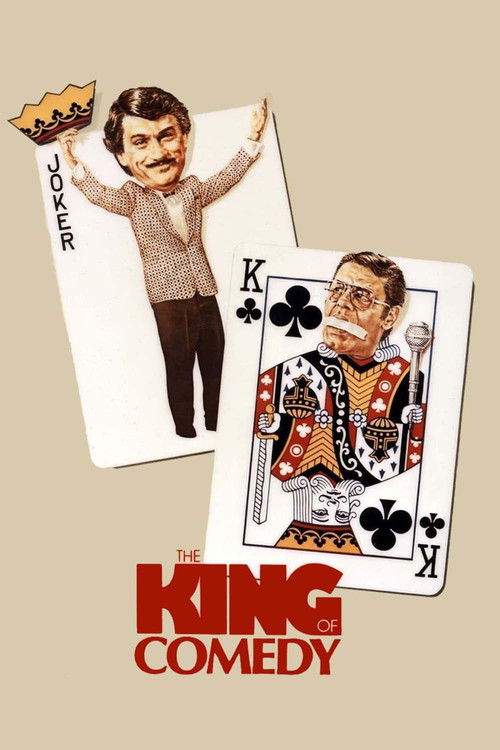
Watching Spider I was reminded of a story surrounding Martin Scorsese's great 1983 film The King of Comedy.
Advertisement
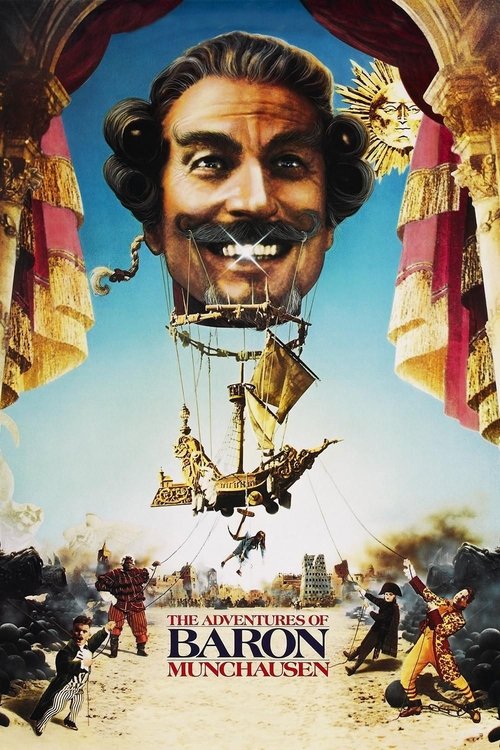
Spider shrinks from Mrs. Wilkinson's stern ministrations and listens with admiring befuddlement to fellow outpatient Terrence's (John Neville, "The Adventures of Baron Munchausen") odd but apt adages ('The more the clothes, the less the man,' Terrance observes when Mrs. W. discovers Spider wearing multiple shirts).
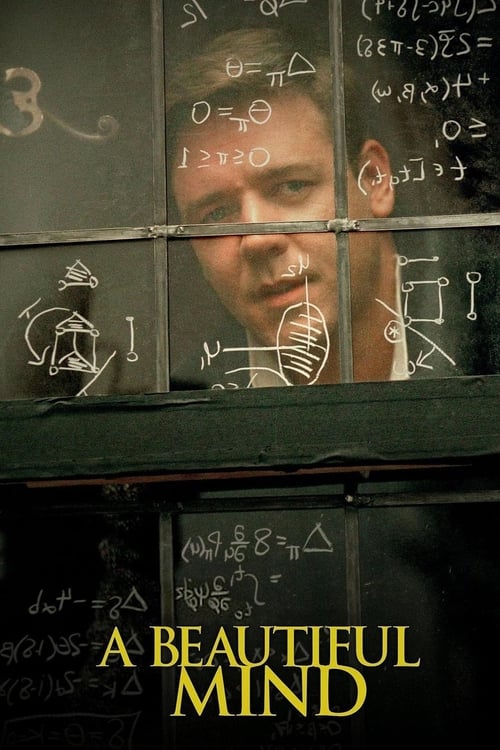
Call it the "tails" to A Beautiful Mind's "heads" -- instead of being about a protagonist who identifies his illness and takes steps to conquer it, it's about someone who is a complete victim of it.
Ralph Fiennes tries to do Russell Crowe�s A Beautiful Mind madman one better by creating a character devoid of all interest and credibility.
Far from the false uplift of Russell Crowe in A Beautiful Mind, Fiennes does not make the grievous error of divorcing the disease from his character.
The actor�s work contains none of the feel good mannerisms of such likeable mentally challenged heroes as Geoffrey Rush�s turn in Shine or Russell Crowe in A Beautiful Mind.
Screenwriter Patrick McGrath, who adapted his own novel, has worked in mental health care, and his script certainly provides a more measured, truthful approach to schizophrenia than Ron Howard's feelgood " A Beautiful Mind ".
As a man suffering the effects of schizophrenia, Spider is also distinct from the portraits of mental illness in movies such as A Beautiful Mind.
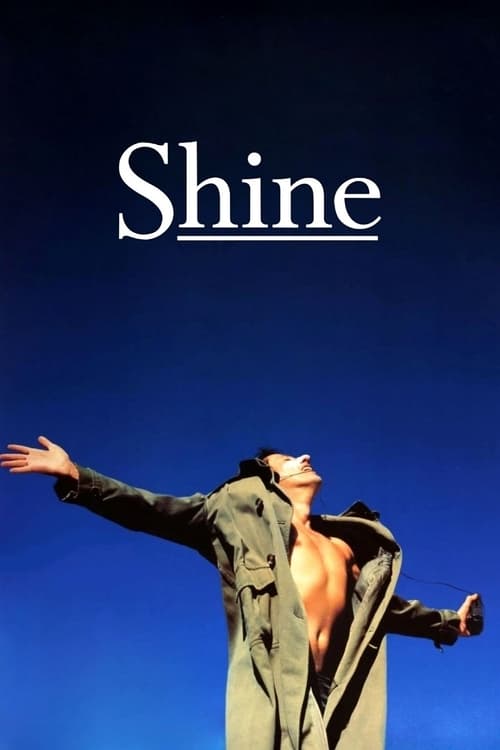
The actor�s work contains none of the feel good mannerisms of such likeable mentally challenged heroes as Geoffrey Rush�s turn in Shine or Russell Crowe in A Beautiful Mind.
This is the film that "Shine" and A Beautiful Mind could not be, a story about schizophrenia that doesnât neatly resolve its complex subject matter.
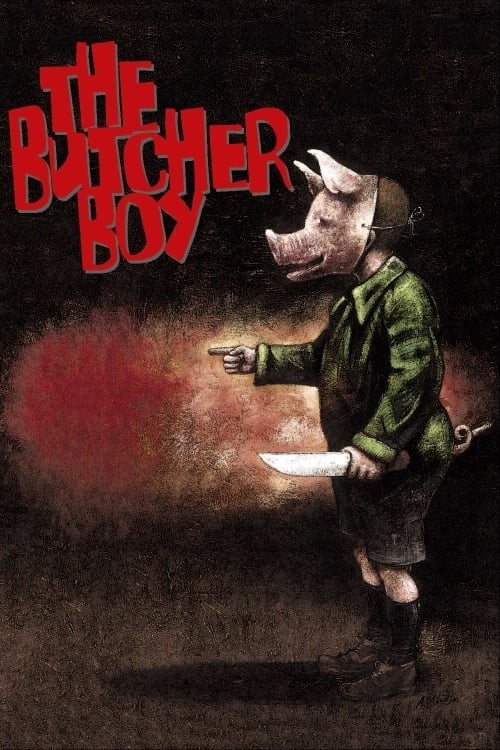
In other respects, it has something of the sense of Roman Polanski's The Tenant (which may be the movie it most resembles), though there are also hints of Neil Jordan's The Butcher Boy.
Advertisement

After Cronenberg's plans to direct the sequel to Basic Instinct fell apart in early 2001, he proceeded with Spider, shooting in England and Toronto.