
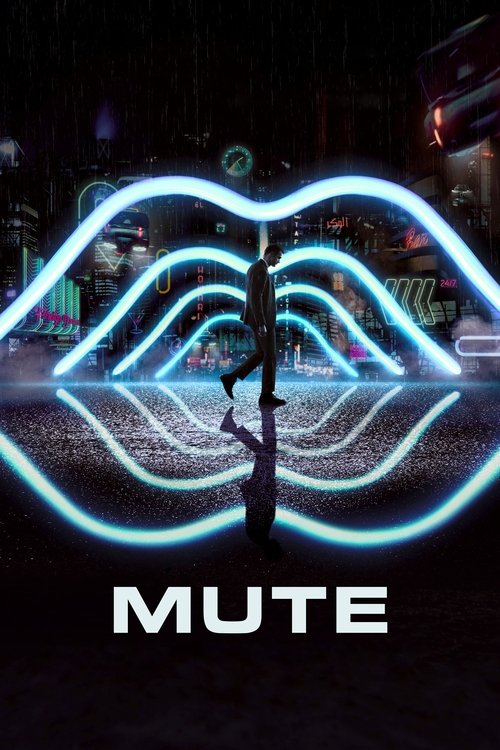
Mute (2018)
Directed by Duncan Jones
A mute man with a violent past is forced to take on the teeming underworld of a near-future Berlin as he searches for his missing girlfriend.
13 connections found
View:
13 films that influenced Mute
What critics say influenced Mute
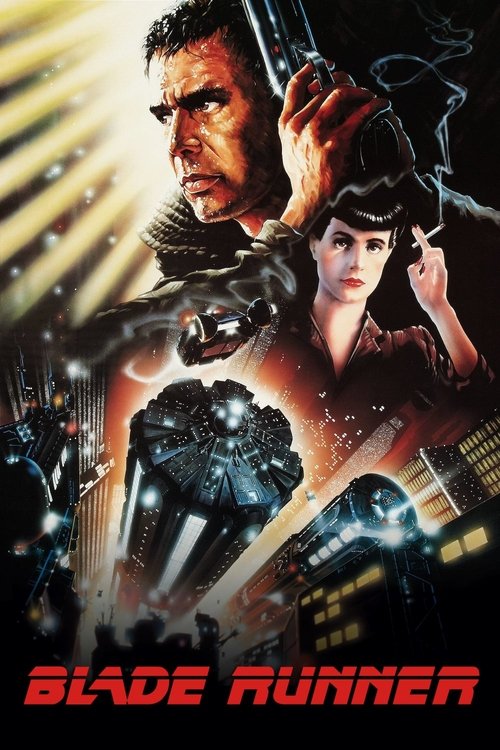


The story doesn’t have a traditional structure, there are multiple protagonists, and then you have just a lot of weird techno-future stuff where there’s the Blade Runner-esque grimy neon, but also stuff like robot strippers (that don’t look human, but would fit well inside the world of Futurama), creepy designs, and basically a “keep out” sign for the future.
To be honest, Leo’s Amish identity is a far more interesting characteristic than his voicelessness, especially in a movie that appears to have lifted its gorgeous, neon-lit future-noir aesthetic from “Blade Runner.”
From a familiar set of references, the movie forges an unexpected narrative stew — namely, the story of a voiceless Amish man in a “Blade Runner”-inspired Berlin (which, of course, carries plenty of Bowie resonance on its own).
So that’s the lay of the land, and how wildly undulating it is, the action cutting between Skarsgård running around futuristic Berlin – which looks like if Warner Bros licensed a Blade Runner theme park – with a weaponised table leg he’s whittled, and Rudd and Theroux, whose character names are Cactus and Duck by the way, tenpin bowling and shooting the shit and perving on girls like they’re in deleted scenes from Dazed and Confused.
The film's setting is Berlin 40 years in the future, and over that time it's become the same neon-hued, graffiti-pocked, advertisement-ravaged dystopia that's figured in countless films that have followed in the footsteps of Ridley Scott's Blade Runner and Steven Spielberg's Minority Report .
The Holy Grail in this regard is Ridley Scott’s Blade Runner (and more recently, Denis Villeneuve’s belated follow-up, Blade Runner 2049) — the 80s classic immerses viewers into smartly-conceived environments that feel lived-in and tangible, foreign but familiar, and that in turn works to enhance the narrative.

They seemed to have walked out of a darker version of MASH where Hawkeye and Duke terrorize people and secretly record underage girls in dressing rooms.
Jones' stated inspirations such as "MASH" and "A Clockwork Orange" compete with the likes of "Blade Runner," "Cabaret," "Witness" and "The Blue Angel" for space in one's mental streaming queue to the detriment of the story he is trying to tell.
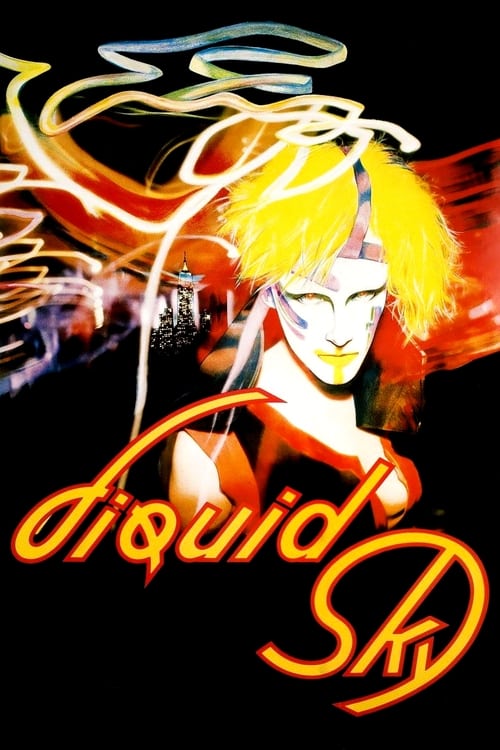
The material skews grotesque (fetish-bots, pedophilia, Liquid Sky make-up) and seems super personal, a long-gestating project that doubles as an homage to its director and co-writer’s famous dad, the late David Bowie.
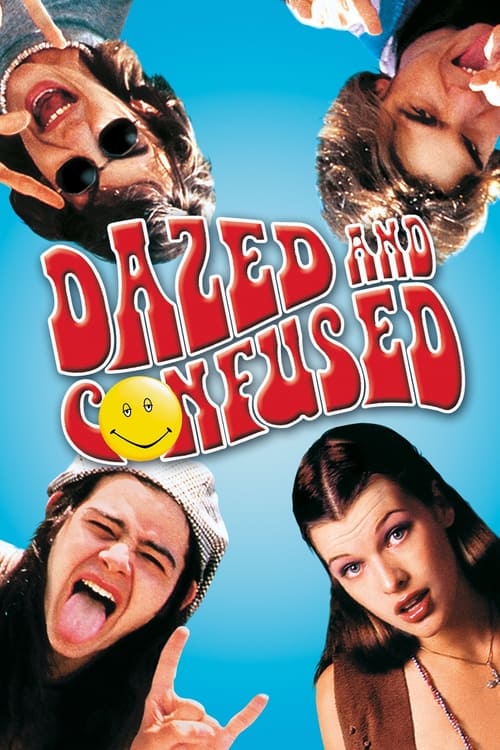
So that’s the lay of the land, and how wildly undulating it is, the action cutting between Skarsgård running around futuristic Berlin – which looks like if Warner Bros licensed a Blade Runner theme park – with a weaponised table leg he’s whittled, and Rudd and Theroux, whose character names are Cactus and Duck by the way, tenpin bowling and shooting the shit and perving on girls like they’re in deleted scenes from Dazed and Confused.
Advertisement
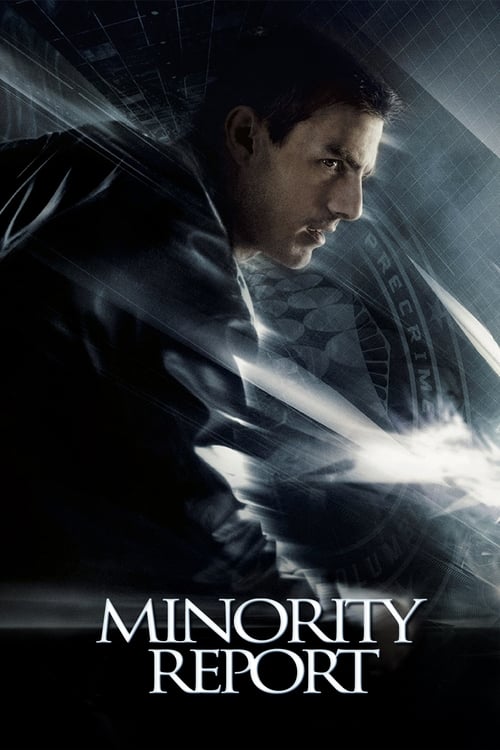
The film's setting is Berlin 40 years in the future, and over that time it's become the same neon-hued, graffiti-pocked, advertisement-ravaged dystopia that's figured in countless films that have followed in the footsteps of Ridley Scott's Blade Runner and Steven Spielberg's Minority Report .
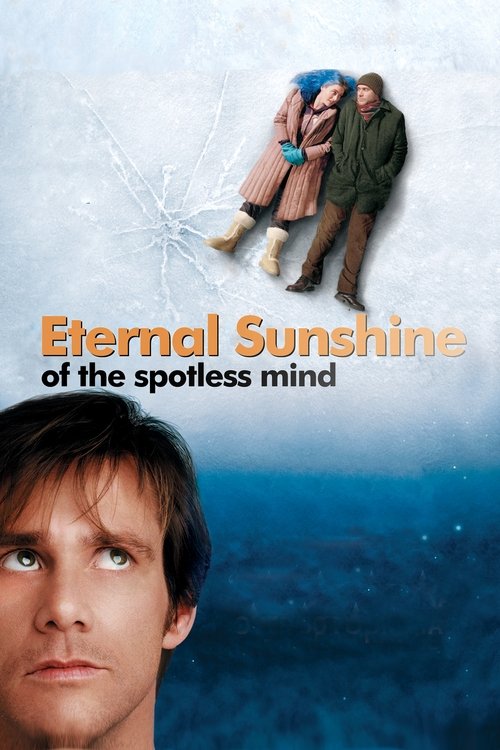
Leo spends much of his time onscreen chasing down the missing Naadirah, a blue-haired free spirit who has echoes of Eternal Sunshine of the Spotless Mind’s Clementine.
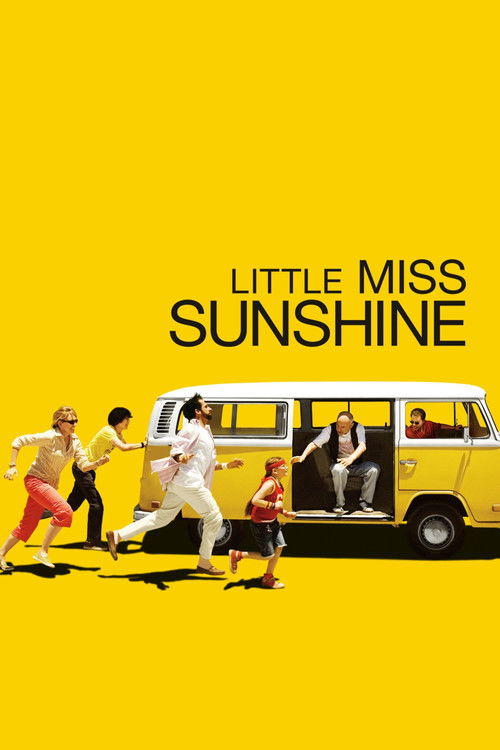
It’s an old trope, but movies in which characters are defined by the fact that they don’t speak almost inevitably lead to scenes in which they finally say something (à la Paul Dano’s long-repressed F-bomb in “Little Miss Sunshine”).
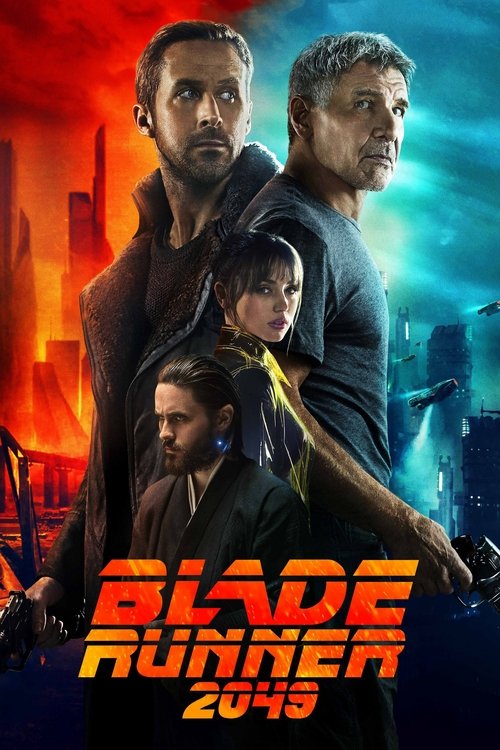
The Holy Grail in this regard is Ridley Scott’s Blade Runner (and more recently, Denis Villeneuve’s belated follow-up, Blade Runner 2049) — the 80s classic immerses viewers into smartly-conceived environments that feel lived-in and tangible, foreign but familiar, and that in turn works to enhance the narrative.
To use just one recent example, last year’s Blade Runner 2049 built a haunting long-form tone piece out of style, aesthetic, and sound, and the atmosphere therein conjured by the intersections of all those forces.
Unfortunately, unlike last year's Blade Runner 2049 (the film it desperately tries to emulate), Mute is an absolute bore.
The film somehow simultaneously looks like it cost $100 million and $100,000, which, in fairness, might just be down to how emphatically Blade Runner 2049‘s VFX team knocked it out of the ‘dystopian vista’ park recently, while the score, left to provide the emotion while the protagonist is silent, overdoes this and generally feels quite amateurish.
The comparison to Sir Ridley Scott's slick wet future dream might be top of mind because Denis Villenueve so expertly revived the world with his own Blade Runner 2049.
And as for those visual aspirations, it certainly doesn’t help that the awesome production aesthetics of “Blade Runner 2049,” which makes “Mute” look cheap by comparison, appeared only a few short months ago.
Advertisement
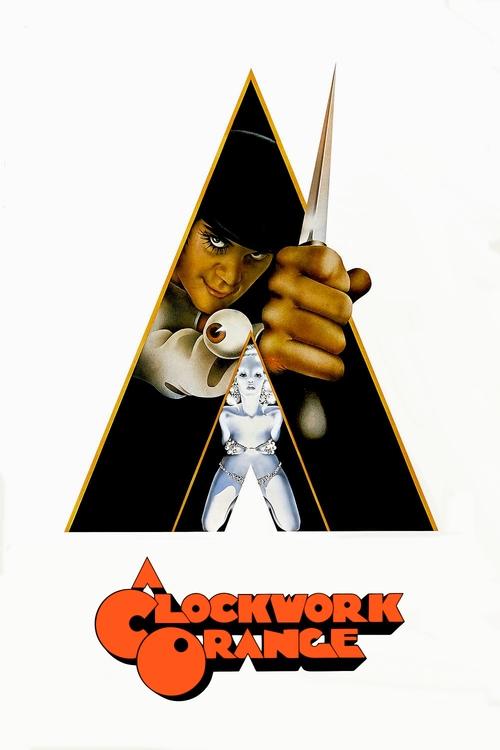
Jones' stated inspirations such as "MASH" and "A Clockwork Orange" compete with the likes of "Blade Runner," "Cabaret," "Witness" and "The Blue Angel" for space in one's mental streaming queue to the detriment of the story he is trying to tell.

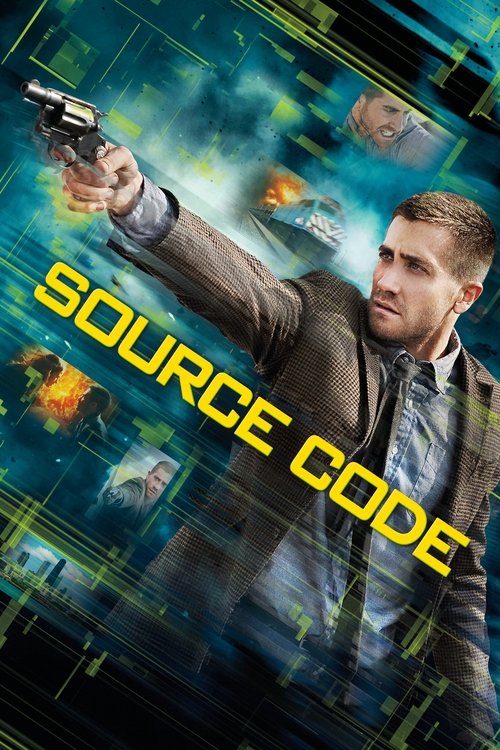
After his superb minimalist noir “Moon” and the brain pretzel “Source Code,” Jones’ misguided “Warcraft” adaptation suggested his originality had been consumed by the dark side of studio-driven spectacles.
But it’s hard to understand the purpose of Mute’s setting, beyond serving as a cool backdrop and as a way to harken back to the works Jones made earlier in his career, smart and engaging movies like 2009’s Moon and 2011’s Source Code.
Mute is so slow and arbitrarily over-plotted that it's difficult to believe that Jones also directed the spry and enjoyable Moon and Source Code .
Duncan Jones has shown himself to be a very capable director of short-story-ish sci-fi in films like Moon and Source Code , but he tests the limits of human patience with Mute, a flabbergasting techno-noir wannabe that follows a silent, wood-whittling Amish lug (Alexander Skarsgård) as he tries to find his missing Iranian girlfriend in near-future Berlin without the help of a computer.
El director de Moon y Source Code -dos películas de sci-fi más humildes en presupuesto, pero cuantiosamente más nutridas en historia- alega que este es un proyecto que lleva intentando realizar por los pasados 16 años.
It was still there when he tested the waters of studio filmmaking with the surprisingly deep Source Code in 2011, ably fusing profound sci-fi themes to what was sold to the multiplex crowd as an action movie.
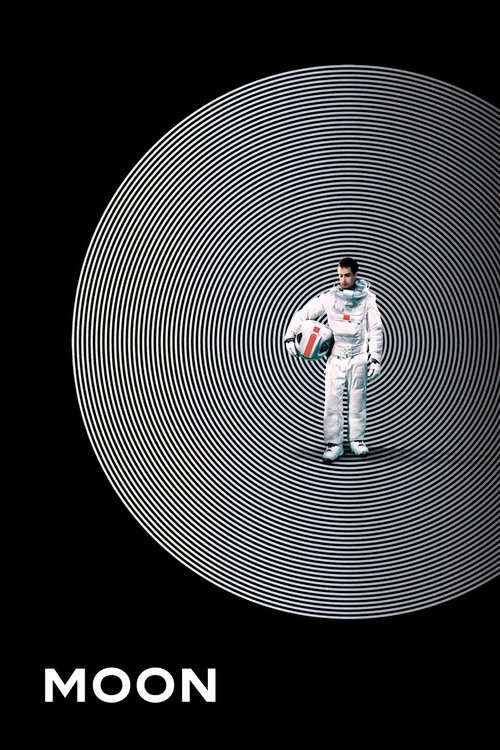
It may not be as flashy or as deep, but a film that’s just about Leo would be a solid neo-noir that still manages to address issues of alienation similar to Jones’ first feature, Moon, which takes place in the same cinematic universe as Mute.
The latest beneficiary is “Moon” director Duncan Jones , who dusted off a 15-year-old idea, attached a few name actors, and delivered the latest disappointing Netflix Original with alliterative “ Mute ,” an over-designed but otherwise uninspired slice of sci-fi noir — a stock missing-persons mystery in which a wordless bartender goes searching for his girlfriend through the sketchy near-future Berlin underworld.
After his superb minimalist noir “Moon” and the brain pretzel “Source Code,” Jones’ misguided “Warcraft” adaptation suggested his originality had been consumed by the dark side of studio-driven spectacles.
Duncan Jones’ impressive 2009 feature, Moon, feels more like a fluke with every subsequent entry into his filmography.
But it’s hard to understand the purpose of Mute’s setting, beyond serving as a cool backdrop and as a way to harken back to the works Jones made earlier in his career, smart and engaging movies like 2009’s Moon and 2011’s Source Code.
Mute is so slow and arbitrarily over-plotted that it's difficult to believe that Jones also directed the spry and enjoyable Moon and Source Code .